如果您喜欢此文章,请收藏、点赞、评论,谢谢,祝您快乐每一天。
套接字 是一种通信通道,用于帮助不同的系统相互通信。 套接字编程是一种开发程序的方法,它允许系统通过套接字交换消息。它已在多种语言中实现,包括 C、Java、Ruby 和 JavaScript 等。
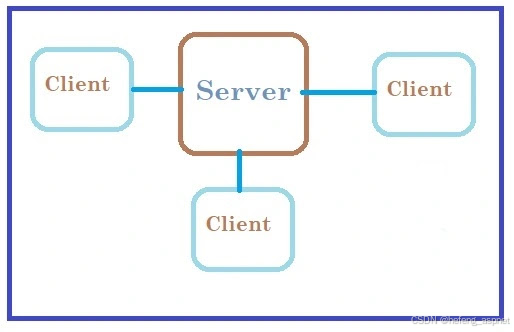
套接字编程分为客户端和服务端两个部分。
服务器端
服务器是满足客户端请求的系统。它为客户端提供资源,并通过发送和接收消息确保多个客户端之间的通信。
我们可以使用以下方法在服务器上实现套接字。
using System;
using System.Net;
using System.Net.Sockets;
using System.Text;
导入库
- 我们导入了所有必要的命名空间。
public class Server { public static void Main() {
创建带有 Main 方法的 Server 类
- 我们创建
Server类并Main在其中声明一个执行代码的方法。
IPAddress serverAddress = IPAddress.Parse("12.0.0.7");
int serverPort = 8000;
定义我们服务器的 IP 地址和端口号
- 我们会存储服务器使用的 IP 地址和端口号。
Socket serverSocket = new Socket(AddressFamily.InterNetwork, SocketType.Stream, ProtocolType.Tcp);
创建套接字
- 我们使用 socket 类创建套接字。该类中的参数
AddressFamily.InterNetwork指定套接字使用 IPv4 地址,SocketType.Stream并ProtocolType.cp指定连接类型为 TCP。
serverSocket.Bind(new IPEndPoint(serverAddress, serverPort));
将服务器的 IP 地址和端口号绑定到服务器
- 我们使用该函数将我们的套接字与服务器的 IP 地址和端口连接起来
Bind。
serverSocket.Listen(5);
激活服务器并使其准备就绪
- 该
Listen方法使服务器处于活动状态并准备好接受客户端连接。函数中的参数表示服务器serverSocket在开始拒绝新连接之前可以排队等待的最大连接数。
Socket clientSocket = serverSocket.Accept();
接受客户的请求
- 我们调用该函数
Accept来接受传入的客户端连接。该函数返回客户端和服务器之间已连接的共享套接字,并将其存储在变量中clientSocket。
byte\[\] temp = new byte1024;
int clientBytes = clientSocket.Receive(temp);
string clientMessage = Encoding.ASCII.GetString(temp, 0, clientBytes);
收到来自客户端的消息
- 我们创建一个字节数组
temp来存储客户端发送的字节。该函数Receive接收客户端发送的消息。接收到的消息是字节格式的,因此将其转换为字符串并存储在变量中clientMessage。
string serverMessage = "Hello, client!";
byte\[\] temp2 = Encoding.ASCII.GetBytes(serverMessage);
clientSocket.Send(temp2);
向客户发送消息
- 该字符串
serverMessage包含服务器要发送给客户端的消息。它会被转换为字节格式并存储在字节数组中temp2。该Send函数会将消息以字节格式发送给客户端。
clientSocket.Shutdown(SocketShutdown.Both);
clientSocket.Close();
serverSocket.Close();
关闭连接
- 最后一步,我们使用
ShutdownandClose方法断开客户端与服务器之间的连接,然后分别关闭客户端和服务器的套接字。
客户端
客户端向服务器发送请求以使用其服务。客户端和服务器建立连接后,即可交换消息和数据。
我们可以通过以下步骤在客户端实现套接字。
using System;
using System.Net;
using System.Net.Sockets;
using System.Text;
导入库
- 我们导入了所有必要的命名空间。
public class Client { public static void Main() {
创建客户端类和主方法
- 我们创建
Client类并Main在其中声明一个执行代码的方法。
IPAddress serverAddress = IPAddress.Parse("12.0.0.7");
int serverPort = 8000;
定义服务器的 IP 地址和端口号
- 我们会存储服务器使用的 IP 地址和端口号。我们将使用这些信息向该特定服务器发送请求。
Socket clientSocket = new Socket(AddressFamily.InterNetwork, SocketType.Stream, ProtocolType.Tcp);
创建套接字
- 我们使用 socket 类创建套接字。该类中的参数
AddressFamily.InterNetwork指定套接字使用 IPv4 地址,SocketType.Stream并ProtocolType.cp指定连接类型为 TCP。
clientSocket.Connect(new IPEndPoint(serverIP, serverPort));
使用服务器的 IP 地址和端口号连接客户端
- 我们使用该函数向服务器发送连接请求
Connect。我们将服务器的端口号和 IP 地址作为参数发送。
string clientMessage = "Hello, server!";
byte\[\] temp = Encoding.ASCII.GetBytes(clientMessage);
clientSocket.Send(temp);
向服务器发送消息
- 该字符串
clientMessage包含我们发送给服务器的消息。它会被转换为字节格式并存储在字节数组中temp。该函数Send会将消息以字节格式发送给客户端。
byte\[\] temp2 = new byte1024;
int serverBytes = clientSocket.Receive(temp2);
string serverMessage = Encoding.ASCII.GetString(temp2, 0, serverBytes);
正在接收来自服务器的消息
- 我们创建一个字节数组
temp2来存储服务器发送的字节。我们使用该Receive函数读取客户端的消息。接收到的消息是字节格式的,因此将其转换为字符串并存储在变量中serverMessage。
clientSocket.Shutdown(SocketShutdown.Both);
clientSocket.Close();
关闭连接
- 最后一步,我们使用
ShutdownandClose方法分别断开客户端与服务器之间的连接,然后关闭客户端的套接字。
完整示例
以下代码示例展示了在学习到的客户端-服务器模型的工作原理。
Server
using System;
using System.Net;
using System.Net.Sockets;
using System.Text;
public class Server
{
public static void Main()
{
// Setting up the server IP address and port number
IPAddress serverAddress = IPAddress.Parse("127.0.0.7");
int serverPort = 8000;
// Creating our server socket
Socket serverSocket = new Socket(AddressFamily.InterNetwork, SocketType.Stream, ProtocolType.Tcp);
// Binding the socket
serverSocket.Bind(new IPEndPoint(serverAddress, serverPort));
// server listening for incoming connections
serverSocket.Listen(5);
Console.WriteLine("Server is listening for connections");
while(true)
{
// Accepting a client connection
Socket clientSocket = serverSocket.Accept();
Console.WriteLine("Client connected!");
// Receiving message from the client
byte\[\] temp = new byte1024;
int clientBytes = clientSocket.Receive(temp);
string clientMessage = Encoding.ASCII.GetString(temp, 0, clientBytes);
Console.WriteLine("Received data from client: " + clientMessage);
// Process and perform operations on the received data
// Sending the message back to the client
string serverMessage = "Hello, client!";
byte\[\] temp2 = Encoding.ASCII.GetBytes(serverMessage);
clientSocket.Send(temp2);
// Closing the connection
clientSocket.Shutdown(SocketShutdown.Both);
clientSocket.Close();
}
// Close the server socket
serverSocket.Close();
}
}
Client
using System;
using System.Net;
using System.Net.Sockets;
using System.Text;
public class Client
{
public static void Main()
{
// Setting up the server IP address and port number
IPAddress serverAddress = IPAddress.Parse("127.0.0.7");
int serverPort = 8000;
// Creating our client socket
Socket clientSocket = new Socket(AddressFamily.InterNetwork, SocketType.Stream, ProtocolType.Tcp);
// Connecting to the server
clientSocket.Connect(new IPEndPoint(serverAddress,serverPort));
Console.WriteLine("Connected to server!");
// Sending message to the server
string clientMessage = "Hello, server!";
byte\[\] temp = Encoding.ASCII.GetBytes(clientMessage);
clientSocket.Send(temp);
// Receiving message from the server
byte\[\] temp2 = new byte1024;
int serverBytes = clientSocket.Receive(temp2);
string serverMessage = Encoding.ASCII.GetString(temp2, 0, serverBytes);
Console.WriteLine("Received response from server: " + serverMessage);
// Closing the connection
clientSocket.Shutdown(SocketShutdown.Both);
clientSocket.Close();
}
}
如果您喜欢此文章,请收藏、点赞、评论,谢谢,祝您快乐每一天。