目录
[一、. Thread 类及常⻅⽅法](#一、. Thread 类及常⻅⽅法)
[二、Thread 的常⻅构造⽅法](#二、Thread 的常⻅构造⽅法)
[三、Thread 的⼏个常⻅属性](#三、Thread 的⼏个常⻅属性)
[四、启动⼀个线程 - start()](#四、启动⼀个线程 - start())
[六、等待⼀个线程 - join()](#六、等待⼀个线程 - join())
一、. Thread 类及常⻅⽅法
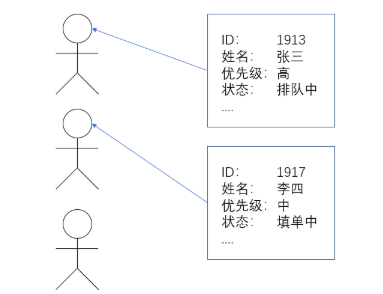
Thread 类是 JVM ⽤来管理线程的⼀个类,换句话说,每个线程都有⼀个唯⼀的 Thread 对象与之关联。
⽤我们上一篇的例⼦来看,每个执⾏流,也需要有⼀个对象来描述,类似下图所⽰,⽽ Thread 类的对象就是⽤来描述⼀个线程执⾏流的,JVM 会将这些 Thread 对象组织起来,⽤于线程调度,线程管理。
二、Thread 的常⻅构造⽅法
java
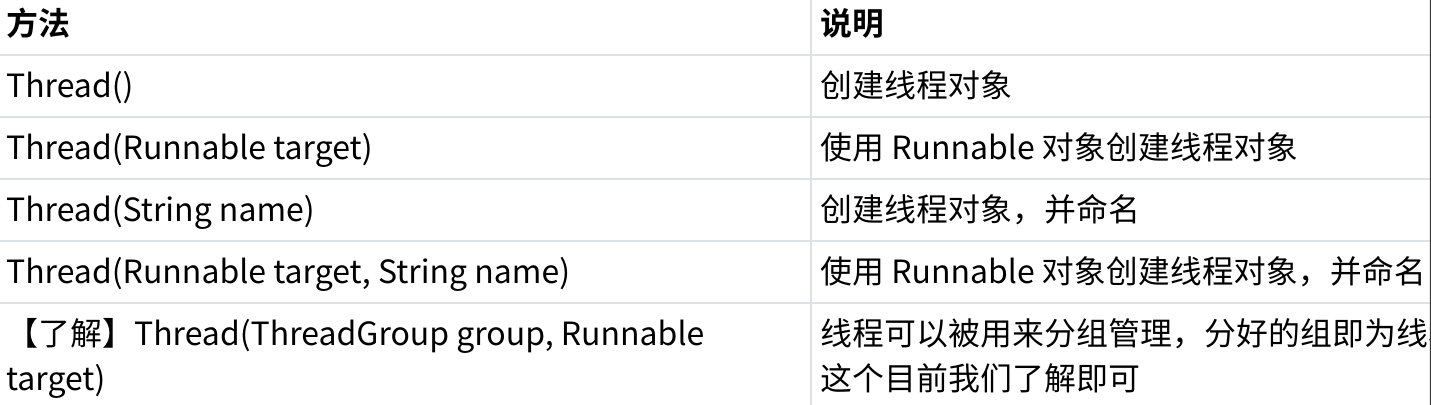
Thread t1 = new Thread();
Thread t2 = new Thread(new MyRunnable());
Thread t3 = new Thread("这是我的名字");
Thread t4 = new Thread(new MyRunnable(), "这是我的名字");
三、Thread 的⼏个常⻅属性
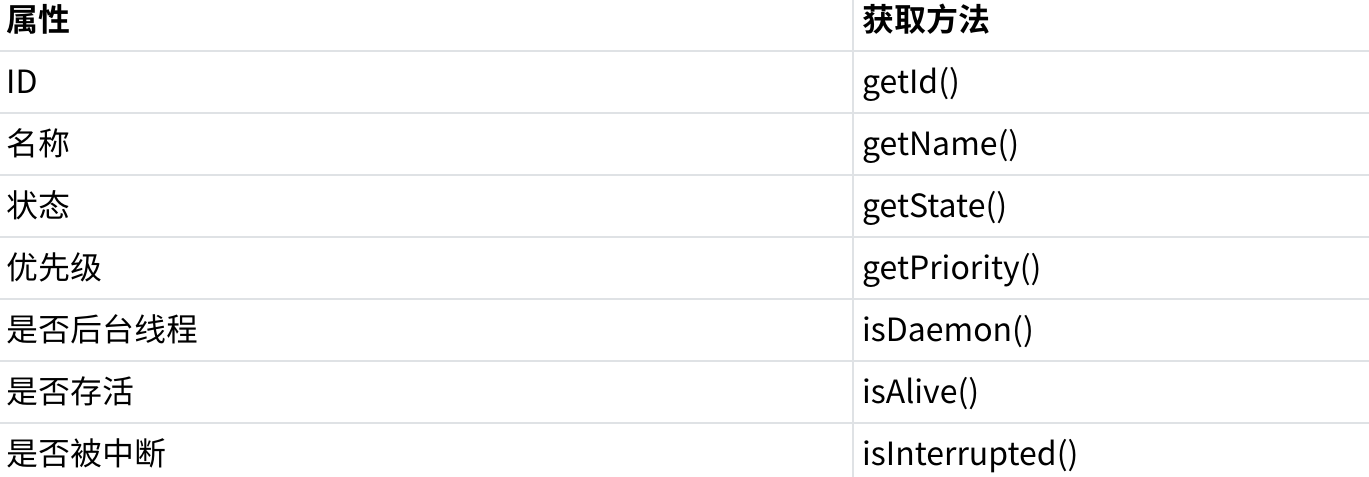
1.ID 是线程的唯⼀标识,不同线程不会重复
2.名称是各种调试⼯具⽤到
3.状态表⽰线程当前所处的⼀个情况,下⾯我们会进⼀步说明
4.优先级⾼的线程理论上来说更容易被调度到
5.关于后台线程,需要记住⼀点:JVM会在⼀个进程的所有⾮后台线程结束后,才会结束运⾏。
6.是否存活,即简单的理解,为 run ⽅法是否运⾏结束了
线程的中断问题,下⾯我们进⼀步说明
java
public class ThreadDemo {
    public static void main(String[] args) {
        Thread thread = new Thread(() -> {
            for (int i = 0; i < 10; i++) {
                try {
                    System.out.println(Thread.currentThread().getName() + ": 我还活着");
                    Thread.sleep(1 * 1000);
                } catch (InterruptedException e) {
                    e.printStackTrace();
                }
            }
            System.out.println(Thread.currentThread().getName() + ": 我即将死去");
        });

        System.out.println(Thread.currentThread().getName() + ": ID: " + thread.getId());
        System.out.println(Thread.currentThread().getName() + ": 名称: " + thread.getName());
        System.out.println(Thread.currentThread().getName() + ": 状态: " + thread.getState());
        System.out.println(Thread.currentThread().getName() + ": 优先级: " + thread.getPriority());
        System.out.println(Thread.currentThread().getName() + ": 后台线程: " + thread.isDaemon());
        System.out.println(Thread.currentThread().getName() + ": 活着: " + thread.isAlive());
        System.out.println(Thread.currentThread().getName() + ": 被中断: " + thread.isInterrupted());

        thread.start();
        while (thread.isAlive()) {}
        System.out.println(Thread.currentThread().getName() + ": 状态: " + thread.getState());
    }
 }
四、启动⼀个线程 - start()
之前我们已经看到了如何通过覆写 run ⽅法创建⼀个线程对象,但线程对象被创建出来并不意味着线程就开始运⾏了。
覆写 run ⽅法是提供给线程要做的事情的指令清单
线程对象可以认为是把 李四、王五叫过来了
⽽调⽤ start() ⽅法,就是喊⼀声:"⾏动起来!",线程才真正独⽴去执⾏了。
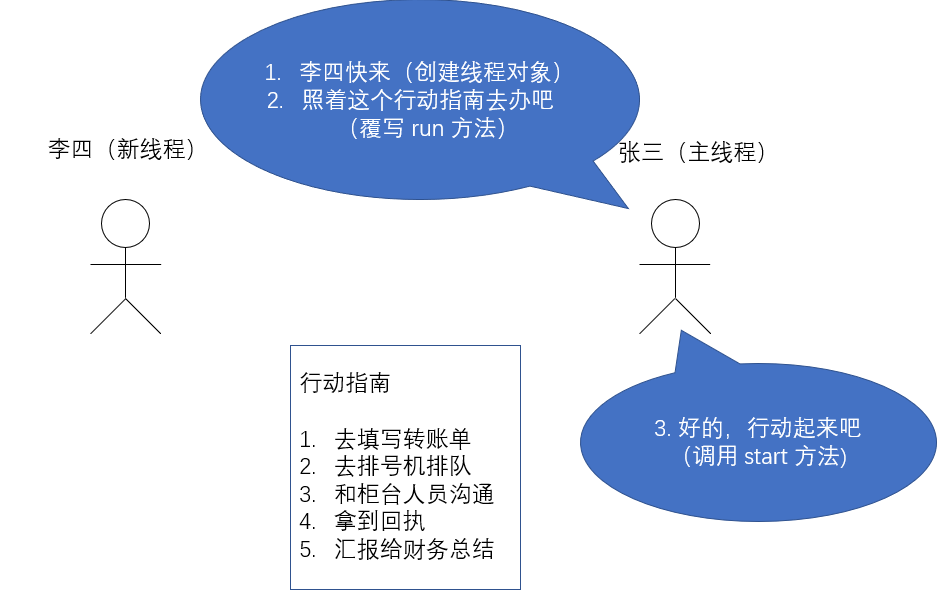
调⽤ start ⽅法, 才真的在操作系统的底层创建出⼀个线程.
五、中断⼀个线程
李四⼀旦进到⼯作状态,他就会按照⾏动指南上的步骤去进⾏⼯作,不完成是不会结束的。但有时我们需要增加⼀些机制,例如⽼板突然来电话了,说转账的对⽅是个骗⼦,需要赶紧停⽌转账,那张三该如何通知李四停⽌呢?这就涉及到我们的停⽌线程的⽅式了。
⽬前常⻅的有以下两种⽅式:
-
通过共享的标记来进⾏沟通
-
调⽤ interrupt() ⽅法来通知
⽰例-1: 使⽤⾃定义的变量来作为标志位
需要给标志位上加 volatile 关键字(这个关键字的功能后⾯介绍
java
public class ThreadDemo {
 private static class MyRunnable implements Runnable {
 public volatile boolean isQuit = false;
 @Override

 public void run() {
 while (!isQuit) {
 System.out.println(Thread.currentThread().getName()
 + ": 别管我,我忙着转账呢!");
 try {
 Thread.sleep(1000);
 } catch (InterruptedException e) {
 e.printStackTrace();
 }
 }
 System.out.println(Thread.currentThread().getName()
 + ": 啊!险些误了⼤事");
 }

 }
 public static void main(String[] args) throws InterruptedException {
 MyRunnable target = new MyRunnable();
 Thread thread = new Thread(target, "李四");
 System.out.println(Thread.currentThread().getName()
 + ": 让李四开始转账。");
 thread.start();
Thread.sleep(10 * 1000);
 System.out.println(Thread.currentThread().getName()
 + ": ⽼板来电话了,得赶紧通知李四对⽅是个骗⼦!");
 target.isQuit = true;
 }
}
⽰例-2: 使⽤ Thread.interrupted() 或者Thread.currentThread().isInterrupted() 代替⾃定义标志位.
Thread 内部包含了⼀个 boolean 类型的变量作为线程是否被中断的标记.
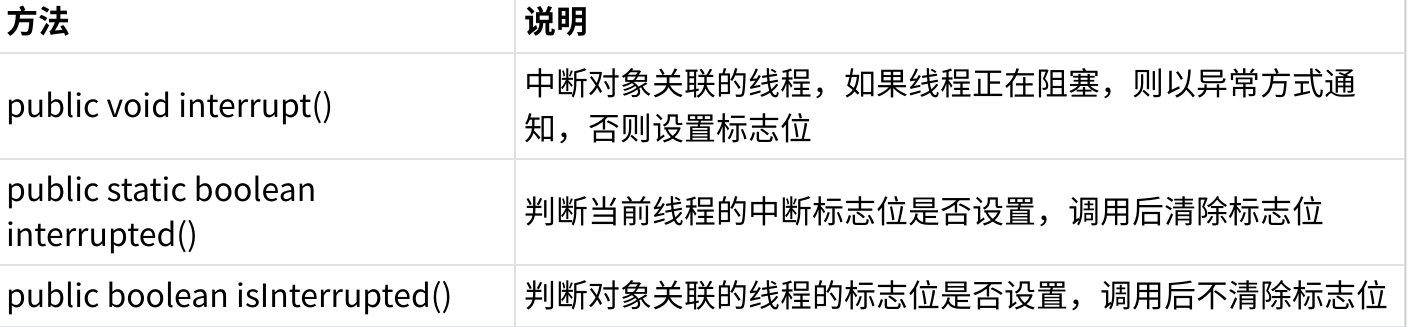
使⽤ thread 对象的 interrupted() ⽅法通知线程结束.
java
public class ThreadDemo {
    private static class MyRunnable implements Runnable {
        @Override
        public void run() {
            // 两种⽅法均可以

            while (!Thread.interrupted()) {
            //while (!Thread.currentThread().isInterrupted()) {
                System.out.println(Thread.currentThread().getName()+ ": 别管我,我忙着转账呢!");
                try {
                    Thread.sleep(1000);
                } catch (InterruptedException e) {
                    e.printStackTrace();
                    System.out.println(Thread.currentThread().getName()+ ": 有内⻤,终⽌交易!");
                    // 注意此处的 break
                    break;
                }
            }
            System.out.println(Thread.currentThread().getName()+ ": 啊!险些误了⼤事");
        }
    }
    public static void main(String[] args) throws InterruptedException {
        MyRunnable target = new MyRunnable();
        Thread thread = new Thread(target, "李四");
        System.out.println(Thread.currentThread().getName()+ ": 让李四开始转账。");
        thread.start();
        Thread.sleep(10 * 1000);
        System.out.println(Thread.currentThread().getName()+ ": ⽼板来电话了,得赶紧通知李四对⽅是个骗⼦!");
        thread.interrupt();
    }
 }
thread 收到通知的⽅式有两种:
- 如果线程因为调⽤ wait/join/sleep 等⽅法⽽阻塞挂起,则以 InterruptedException 异常的形式通
知,清除中断标志**◦**
当出现 InterruptedException 的时候, 要不要结束线程取决于 catch 中代码的写法. 可以选择忽
略这个异常, 也可以跳出循环结束线程.
- 否则,只是内部的⼀个中断标志被设置,thread 可以通过◦
Thread.currentThread().isInterrupted() 判断指定线程的中断标志被设置,不清除中断标志
这种⽅式通知收到的更及时,即使线程正在 sleep 也可以⻢上收到。
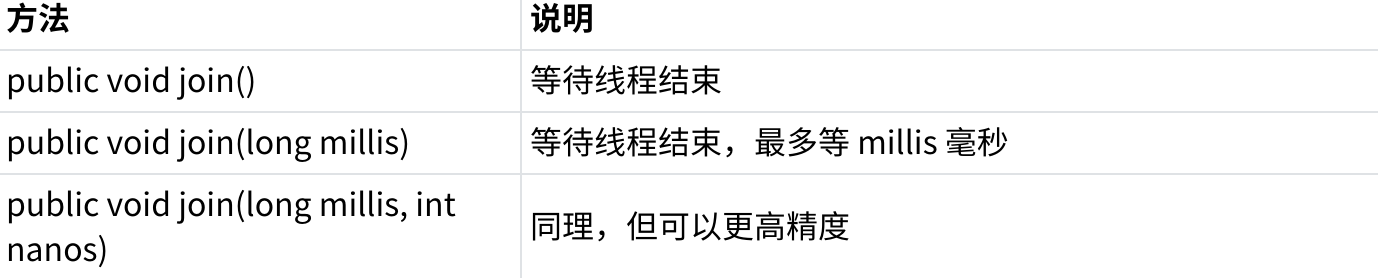
六、等待⼀个线程 - join()
有时,我们需要等待⼀个线程完成它的⼯作后,才能进⾏⾃⼰的下⼀步⼯作。例如,张三只有等李四转账成功,才决定是否存钱,这时我们需要⼀个⽅法明确等待线程的结束。
java
public class ThreadDemo {
    public static void main(String[] args) throws InterruptedException {
        Runnable target = () -> {
            for (int i = 0; i < 10; i++) {
                try {
                    System.out.println(Thread.currentThread().getName() + ": 我还在⼯作!");
                    Thread.sleep(1000);
                } catch (InterruptedException e) {
                    e.printStackTrace();
                }
         }
         System.out.println(Thread.currentThread().getName() + ": 我结束了!");
};

         Thread thread1 = new Thread(target, "李四");
         Thread thread2 = new Thread(target, "王五");
         System.out.println("先让李四开始⼯作");
         thread1.start();
         thread1.join();
         System.out.println("李四⼯作结束了,让王五开始⼯作");
         thread2.start();
         thread2.join();
         System.out.println("王五⼯作结束了");
     }
}
⼤家可以试试如果把两个 join 注释掉,现象会是怎么样的呢?
附录
七、获取当前线程引⽤
这个⽅法我们已经⾮常熟悉了

java
public class ThreadDemo {
public static void main(String[] args) {

Thread thread = Thread.currentThread();
System.out.println(thread.getName());

   }
 }
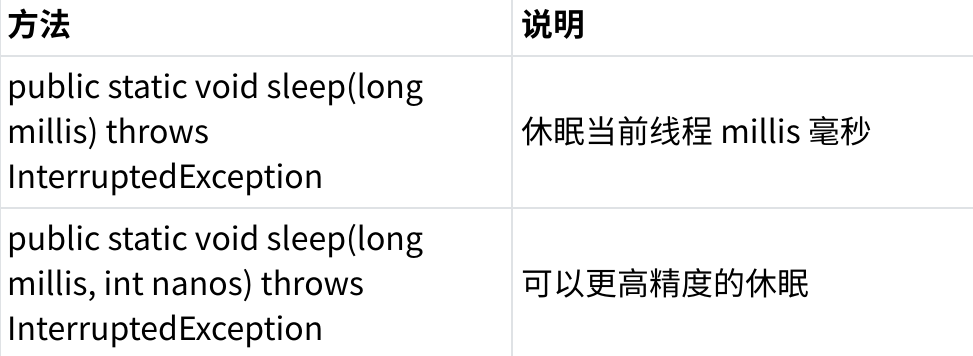
八、休眠当前线程
也是我们⽐较熟悉⼀组⽅法,有⼀点要记得,因为线程的调度是不可控的,所以,这个⽅法只能保证实际休眠时间是⼤于等于参数设置的休眠时间的。
java
public class ThreadDemo {
 public static void main(String[] args) throws InterruptedException {

 System.out.println(System.currentTimeMillis());
 Thread.sleep(3 * 1000);
 System.out.println(System.currentTimeMillis());

 }
}