链表
203. 移除链表元素 - 力扣(LeetCode) https://leetcode.cn/problems/remove-linked-list-elements/description/
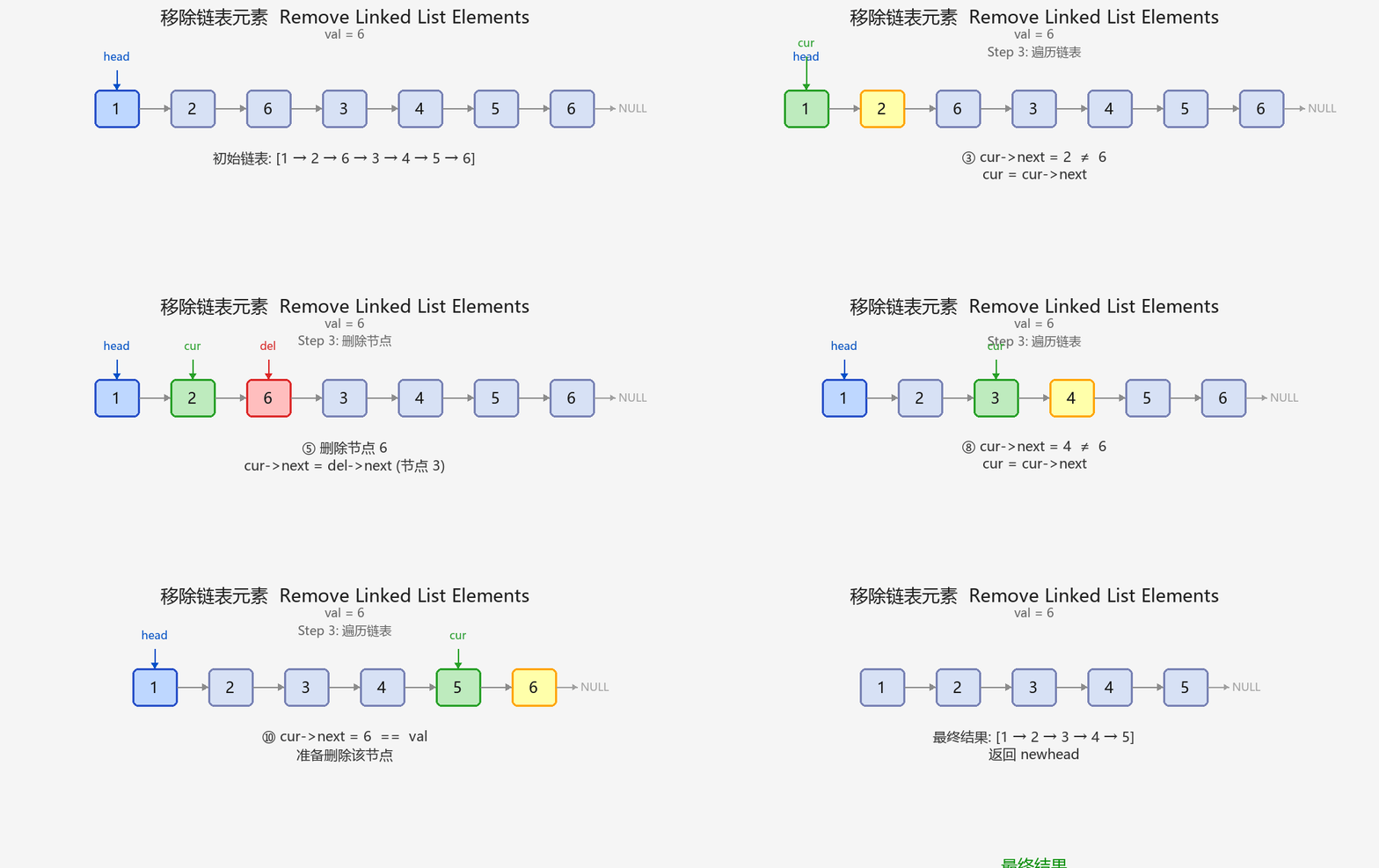
主要就是遍历链表看是否有和val值相同的元素,有就记录,链表重新连接,free节点的操作
先处理头节点 你先单独用 while 循环把所有值等于 val 的头节点删掉,避免了后续逻辑中头节点的特殊处理,就比较简单,不做过多赘述
cpp
struct ListNode* removeElements(struct ListNode* head, int val) {
    struct ListNode* newhead=NULL;
    while(head&&head->val==val)
    {
    struct ListNode* del=head;
    head=head->next;
    free(del);

    }
    newhead=head;
    struct ListNode* cur=newhead;
    while(cur&&cur->next)
    {
        if(cur->next->val==val)
        {
             struct ListNode* del=cur->next;
             cur->next=del->next;
            free(del);
        }
        else
        {
            cur=cur->next;
        }
    }
    return newhead;
}
206. 反转链表 - 力扣(LeetCode)https://leetcode.cn/problems/reverse-linked-list/description/
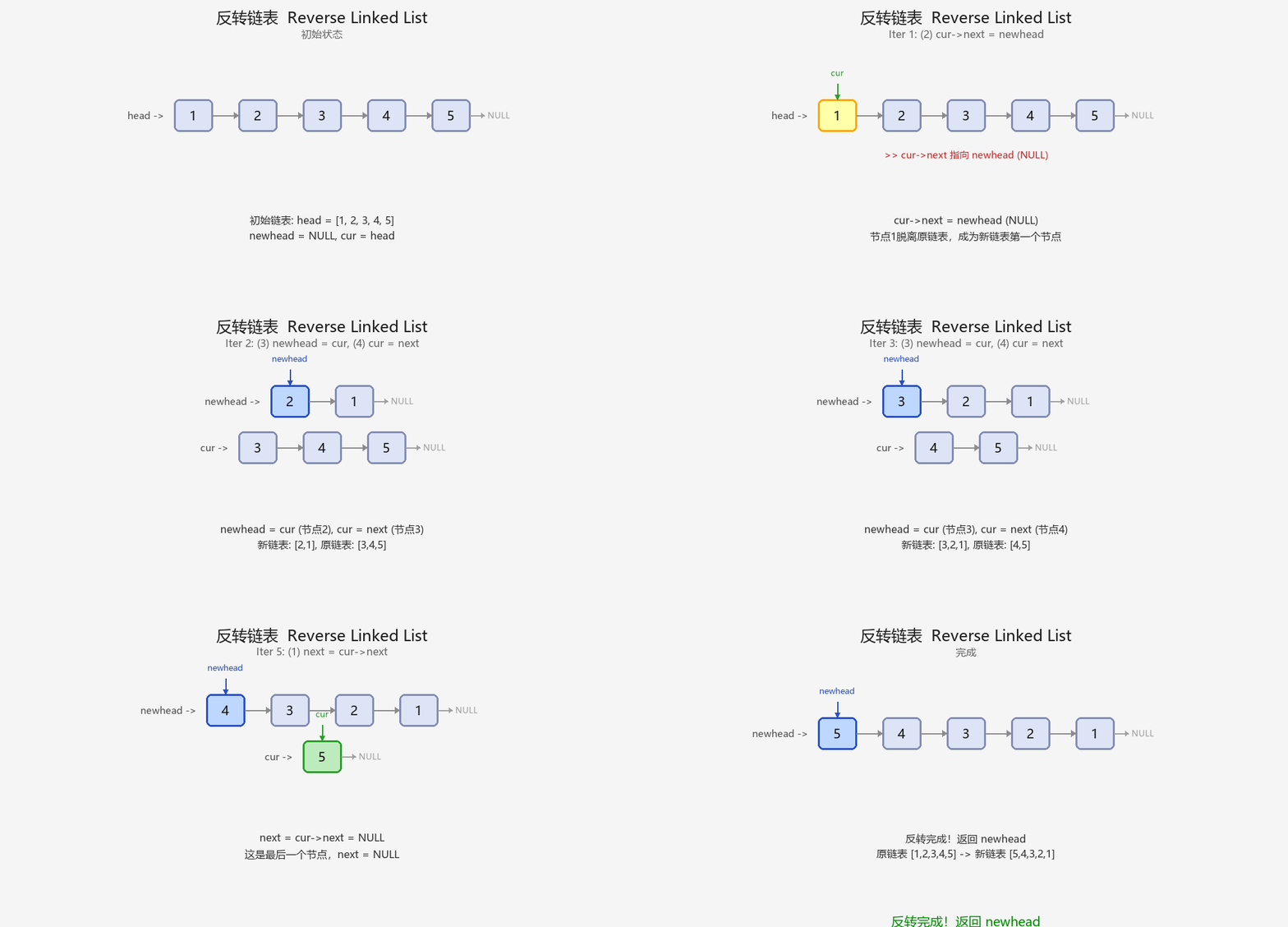
主要就是头插和指针的移动
定义一个节点为NULL
一个节点为cur用来遍历链表
一个节点为next来记录下一个指针,不会找不到下一个节点
然后循环链表,先让next记录cur的下一个指针,然后在cur头插到newhead
最后更新newhead和cur
cpp
struct ListNode* reverseList(struct ListNode* head) {
    //核心逻辑就是头插
    struct ListNode*newhead=NULL;
    struct ListNode*cur=head;
    while(cur)
    {

        struct ListNode*next=cur->next;
        cur->next=newhead;
        newhead=cur;
        cur=next;


    }

    return newhead;

}
21. 合并两个有序链表 - 力扣(LeetCode)https://leetcode.cn/problems/merge-two-sorted-lists/description/
这道题解题思路比较简单,就是将每个表中相对较小的节点尾插,最终会形成一个不减的链表,注意的是当链表为空的情况,我们线确定头节点的位置,先来一组比较,然后接下来依次进行即可

cpp
struct ListNode* mergeTwoLists(struct ListNode* list1, struct ListNode* list2)
{
    struct ListNode* cur1=list1;
    struct ListNode* cur2=list2;
    if(cur1==NULL)
    return cur2;
    if(cur2==NULL)
    return cur1;
    struct ListNode* cur=cur1;
    struct ListNode* newhead=NULL;

    if(cur1->val<=cur2->val)
        {
            cur=cur1;
            cur1=cur1->next;
        }
    else
        {
            cur=cur2;
            cur2=cur2->next;
        }

    newhead=cur;

    while(cur1&&cur2)
    {
        if(cur1->val<=cur2->val)
        {
            cur->next=cur1;
            cur=cur->next;
            cur1=cur1->next;
        }
        else
        {
            cur->next=cur2;
            cur=cur->next;
            cur2=cur2->next;
        }
    }
    if(cur1)
        cur->next=cur1;
    else
        cur->next=cur2;
        return newhead;
}
160. 相交链表 - 力扣(LeetCode)https://leetcode.cn/problems/intersection-of-two-linked-lists/description/
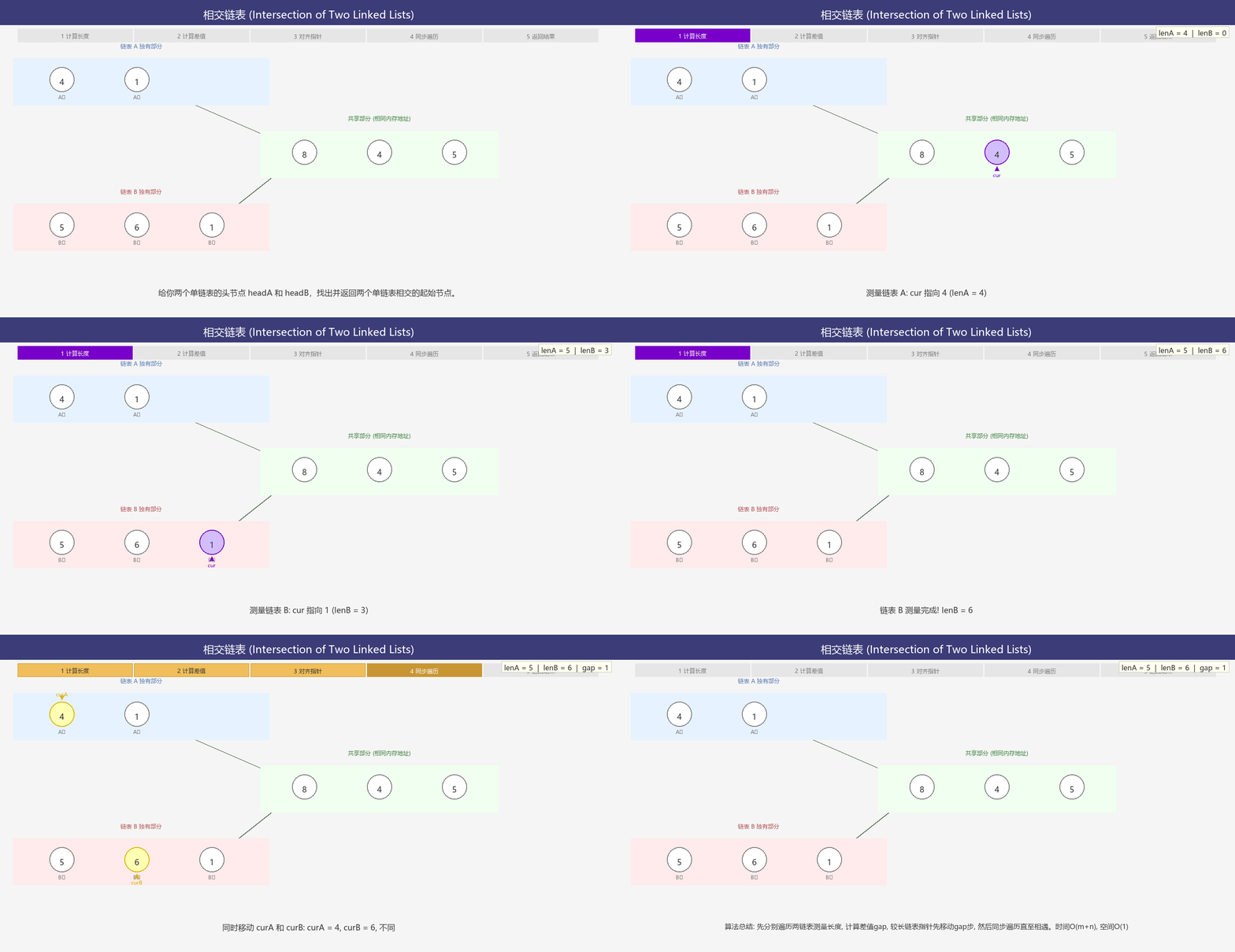
代码执行流程 首先通过遍历分别统计链表A与链表B的结点总长度,计算两条链表的长度差值。
依据长度差值,使更长链表的指针先向前移动对应差值步数,抵消两条链表的长度差距,此时两个指针后续待遍历的链表剩余长度完全相同。
之后两个指针从各自当前位置同步向后逐个遍历,若过程中两个指针指向同一个结点,则该结点就是链表相交起始结点,直接返回该结点;若遍历结束指针始终不重合,代表链表没有相交结点,返回空指针。
两条单链表相交时,相交结点往后的全部结点为两条链表共用,因此相交段长度完全一致。长链表提前走完多出的结点后,两个指针剩余需要遍历的结点数量相等,同步前进的过程里,有交点就必然在相交起始位置相遇,无交点则会同步走到链表尾部空地址,依靠该规律即可精准定位相交节点。
cpp
struct ListNode *getIntersectionNode(struct ListNode *headA, struct ListNode *headB) {
    int lenA=0;
    int lenB=0;
    struct ListNode *cur=headA;
    struct ListNode *curA=headA;
    struct ListNode *curB=headB;
    while(cur)
    {
        lenA++;
        cur=cur->next;
    }
    cur=headB;
    while(cur)
    {
        lenB++;
        cur=cur->next;
    }
    int gap=0;
    if(lenA>=lenB)
    {//说明a链表long
        gap=lenA-lenB;
        cur=headA;
        while(gap--)
        {
            cur=cur->next;
        }
        curA=cur;
        while(curA&&curB&&curA!=curB)
        {
            curA=curA->next;
            curB=curB->next;
        }
        if(curA==curB)
        return curA;
        else
        return NULL;
    }
    else
    {
        gap=lenB-lenA;
        cur=headB;
        while(gap--)
        {
            cur=cur->next;
        }
        curB=cur;
        while(curA&&curB&&curA!=curB)
        {
            curA=curA->next;
            curB=curB->next;
        }
        if(curA==curB)
        return curA;
        else
        return NULL;
    }

}