解决 PowerShell 模块加载无响应问题的实用指南------Invoke-Obfuscation为例
摘要
本文通过分析 Invoke-Obfuscation 模块加载案例,深入探讨了 PowerShell 模块加载的各种机制,并提供了一套系统性的故障排除方法。文章适合 PowerShell 开发者和系统管理员阅读。
问题现象
用户尝试加载 Invoke-Obfuscation 模块时,虽然导入命令没有报错,但模块似乎没有正常工作:
Import-Module命令执行后无任何输出Get-Command -Module Invoke-Obfuscation返回空结果- 直接运行模块功能失败
cmd
PS C:\Users\Administrator\Desktop\Invoke-Obfuscation> import-module .\Invoke-Obfuscation.psd1
PS C:\Users\Administrator\Desktop\Invoke-Obfuscation>
核心问题分析
1. 模块加载机制差异
PowerShell 模块有多种设计模式:
- 传统模块 :通过
FunctionsToExport导出函数 - 脚本模块 :通过
ScriptsToProcess直接执行脚本 - 混合模式:既导出函数又执行初始化脚本
Invoke-Obfuscation 属于混合模式,其 ScriptsToProcess 包含了所有核心脚本,这些脚本在导入时被点源执行。
2. 模块重复加载问题
从输出可见,模块被加载了三次:
PS C:\Users\Administrator\Deskto\Invoke-Obfuscation>Get-Module -Name Invoke-Obfuscation
ModuleType  Version.  Name                        ExportedCommands
----------  --------  -----                       ----------------
Script     0.0        Invoke-Obfuscation
Script     0.0        Invoke-Obfuscation
Manifest   1.1        Invoke-Obfuscation
这表明可能存在:
- 脚本文件被同时作为模块加载
- 模块被多次导入未清理
- 路径引用问题
系统化解决方案
第一阶段:诊断与验证
1. 检查模块状态
powershell
# 查看所有已加载的模块
Get-Module | Where-Object {$_.Name -like "*Obfuscation*"}

# 查看模块详细信息
Get-Module -Name Invoke-Obfuscation | Format-List *
2. 验证模块文件结构
powershell
# 检查模块清单
Test-ModuleManifest .\Invoke-Obfuscation.psd1

# 查看脚本依赖
(Import-PowerShellDataFile .\Invoke-Obfuscation.psd1).ScriptsToProcess
3. 执行策略检查
powershell
# 检查当前会话执行策略
Get-ExecutionPolicy -List

# 临时设置为允许脚本执行
Set-ExecutionPolicy -ExecutionPolicy Bypass -Scope Process -Force
第二阶段:清理与重新加载
1. 彻底清理模块
powershell
# 移除所有相关模块
Get-Module -Name Invoke-Obfuscation | Remove-Module -Force

# 清理函数定义
Get-ChildItem Function:\* | Where-Object {$_.Name -like "*Obfuscation*"} | Remove-Item

# 清理变量
Get-Variable | Where-Object {$_.Name -like "*Obfuscation*"} | Remove-Variable -Force
2. 分步加载调试
powershell
# 1. 首先加载清单但不执行脚本
Import-Module .\Invoke-Obfuscation.psd1 -Force -NoClobber

# 2. 手动执行关键脚本
. .\Invoke-Obfuscation.ps1

# 3. 验证函数是否可用
Get-Command Invoke-Obfuscation
第三阶段:替代启动方案
1. 直接脚本执行
powershell
# 点源执行主脚本(最可靠的方法)
. .\Invoke-Obfuscation.ps1

# 启动工具
Invoke-Obfuscation
2. 创建包装脚本
创建 Start-Obfuscation.ps1:
powershell
#!/usr/bin/env pwsh
# 清理环境
Get-Module -Name Invoke-Obfuscation -ErrorAction SilentlyContinue | Remove-Module

# 设置执行策略
Set-ExecutionPolicy Bypass -Scope Process -Force

# 加载模块
Import-Module "$PSScriptRoot\Invoke-Obfuscation.psd1" -Force

# 启动交互界面
Invoke-Obfuscation
3. 使用批处理文件
创建 start.bat:
batch
@echo off
powershell.exe -NoProfile -ExecutionPolicy Bypass -Command "& '%~dp0Invoke-Obfuscation.ps1'"
根本原因与预防措施
1. 模块设计模式识别
通过检查模块清单识别设计模式:
powershell
$manifest = Import-PowerShellDataFile .\Invoke-Obfuscation.psd1

if ($manifest.ScriptsToProcess.Count -gt 0) {
    Write-Host "这是一个脚本处理型模块,可能需要直接执行脚本" -ForegroundColor Yellow
}

if ($manifest.FunctionsToExport -eq '*') {
    Write-Host "模块导出所有函数,但可能需要在脚本中定义" -ForegroundColor Yellow
}
2. 加载顺序问题
模块加载顺序可能导致冲突,使用以下方法控制:
powershell
# 确保唯一加载
if (-not (Get-Module -Name Invoke-Obfuscation)) {
    Import-Module .\Invoke-Obfuscation.psd1 -Force
}
3. 路径引用规范化
powershell
# 使用绝对路径
$modulePath = Join-Path $PSScriptRoot "Invoke-Obfuscation.psd1"
Import-Module $modulePath -Force
实用调试技巧
1. 详细日志记录
powershell
# 启用详细日志
$DebugPreference = 'Continue'
Import-Module .\Invoke-Obfuscation.psd1 -Force -Verbose 4>&1 | Tee-Object -FilePath "module_load.log"
2. 函数定义检查
powershell
# 查看脚本中定义的所有函数
Select-String -Path .\Invoke-Obfuscation.ps1 -Pattern "^function\s+(\w+)" |
    ForEach-Object { $_.Matches.Groups[1].Value }
3. 执行上下文验证
powershell
# 检查当前作用域
Get-PSCallStack

# 查看函数是否在正确的作用域
Test-Path Function:\Invoke-Obfuscation
针对 Invoke-Obfuscation 的特殊处理
基于分析,Invoke-Obfuscation 的正确启动方式是:
推荐方法
powershell
# 1. 进入模块目录
cd "C:\Path\To\Invoke-Obfuscation"

# 2. 直接点源主脚本
. .\Invoke-Obfuscation.ps1

# 3. 启动工具
Invoke-Obfuscation
自动化脚本
powershell
function Start-InvokeObfuscation {
    param(
        [string]$ModulePath = ".\Invoke-Obfuscation"
    )

    # 保存当前目录
    $originalLocation = Get-Location

    try {
        # 切换到模块目录
        Set-Location $ModulePath

        # 清理现有定义
        Get-Module -Name Invoke-Obfuscation -ErrorAction SilentlyContinue | Remove-Module

        # 点源主脚本
        . .\Invoke-Obfuscation.ps1

        # 启动交互界面
        Invoke-Obfuscation
    }
    finally {
        # 恢复原始目录
        Set-Location $originalLocation
    }
}

# 使用函数启动
Start-InvokeObfuscation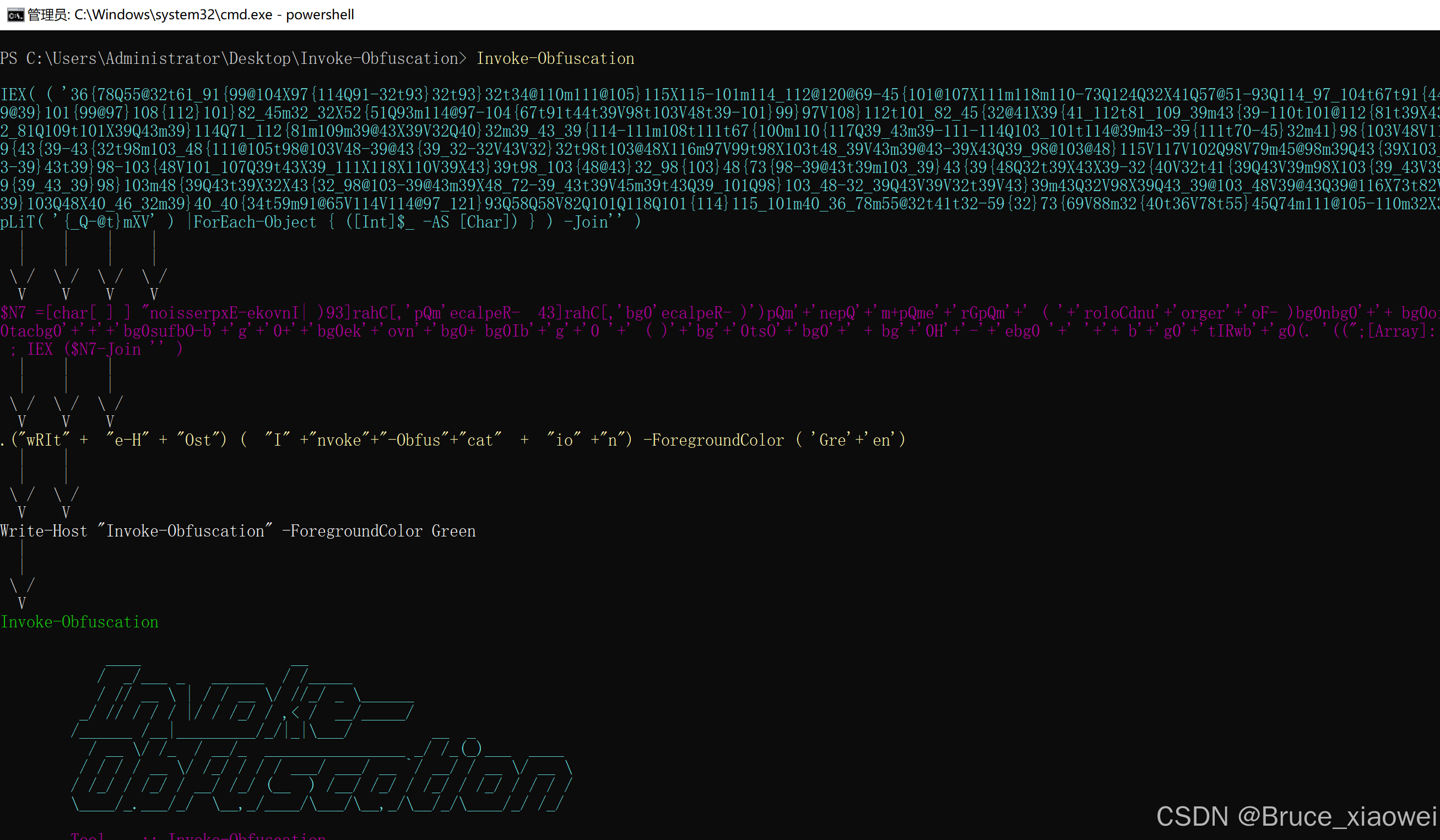
总结
PowerShell 模块加载问题通常源于:
- 设计模式不匹配:将脚本模块误认为传统模块
- 作用域问题:函数在错误的作用域中定义
- 执行策略限制:阻止脚本执行
- 路径问题:相对路径引用错误
通过系统化的诊断方法和针对性的解决方案,可以解决绝大多数模块加载问题。关键是要理解模块的设计意图,并选择正确的启动方式。
附录:快速参考命令
| 问题 | 解决方案 |
|---|---|
| 模块加载无响应 | . .\主脚本.ps1 |
| 函数未定义 | 检查 ScriptsToProcess 配置 |
| 执行策略阻止 | Set-ExecutionPolicy Bypass -Scope Process |
| 模块冲突 | `Get-Module |
| 路径问题 | 使用 $PSScriptRoot 绝对路径 |
记住:当标准方法失败时,尝试直接执行脚本通常是解决复杂模块加载问题的最有效途径。