Networking
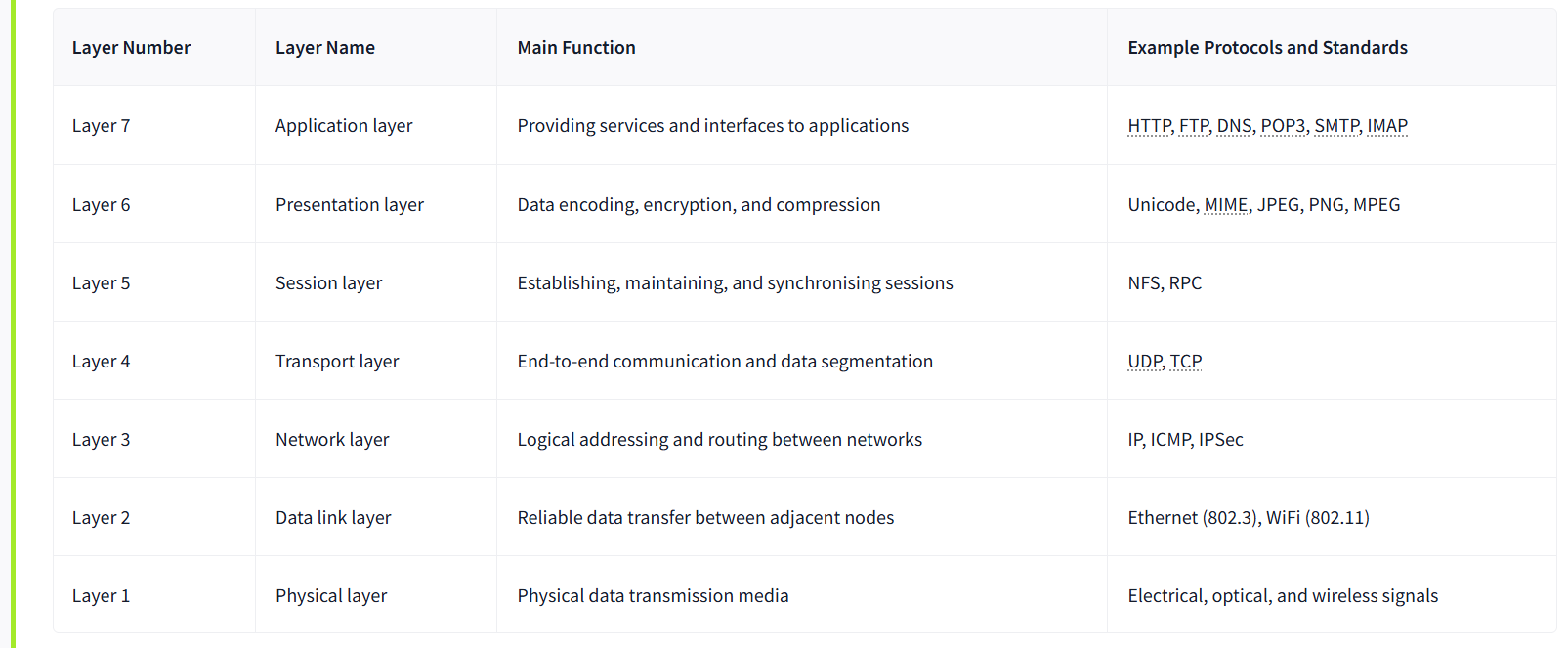
OSI Model
mnemonic(记忆口诀) :"Please Do Not Throw Spinach Pizza Away." (Layer 1- Layer7)or " A nxious P ale S hakespeare T reated N ervous D runks Patiently"(Layer7 - Layer1)
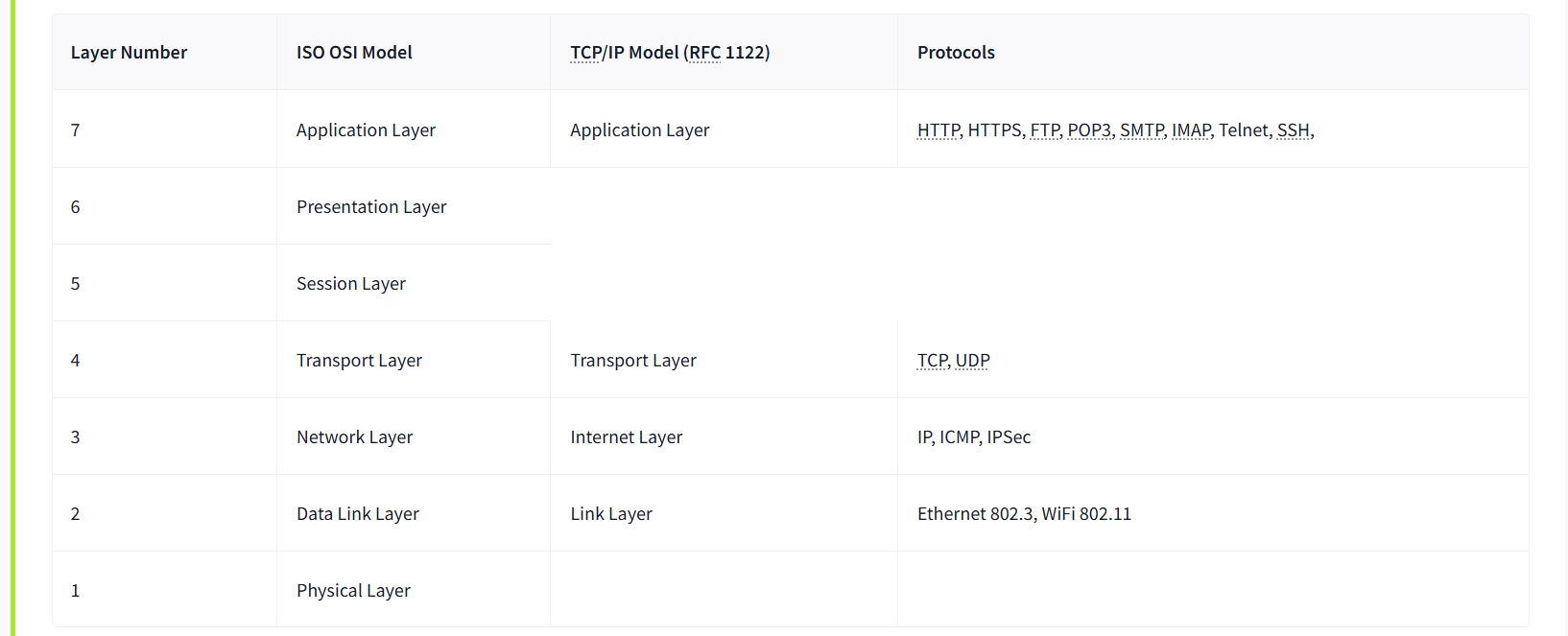
TCP/IP Model
四层模型:Application, Transport, Internet and Network Interface 五层模型:Application,Transport,Network,Link,Physical(现代网络教科书大多使用)
IP Addresses and Subnets
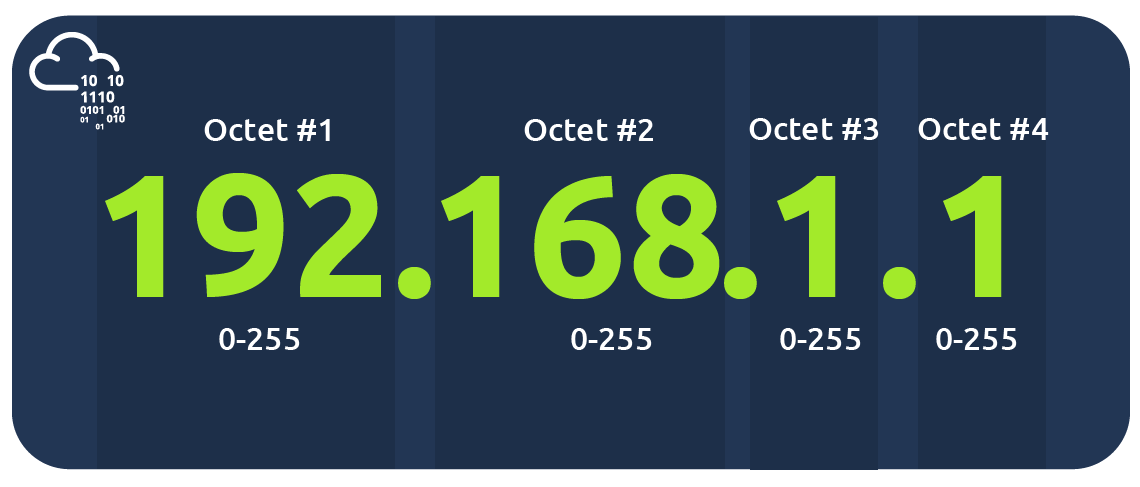
IP address:如 192.168.0.1 or 172.16.159.243. 有IPv4/IPv6,默认是IPv4(IP version 4)
由四个octet组成,octet代表8 bits
192.168.1.0 是网络地址 (标识整个网段),192.168.1.255 是广播地址(向网段内所有设备发送数据)
Looking Up Your Network Configuration
-
Windows:
ipconfig -
Linux and UNIX-based systems,
ifconfigorip address showorip a s
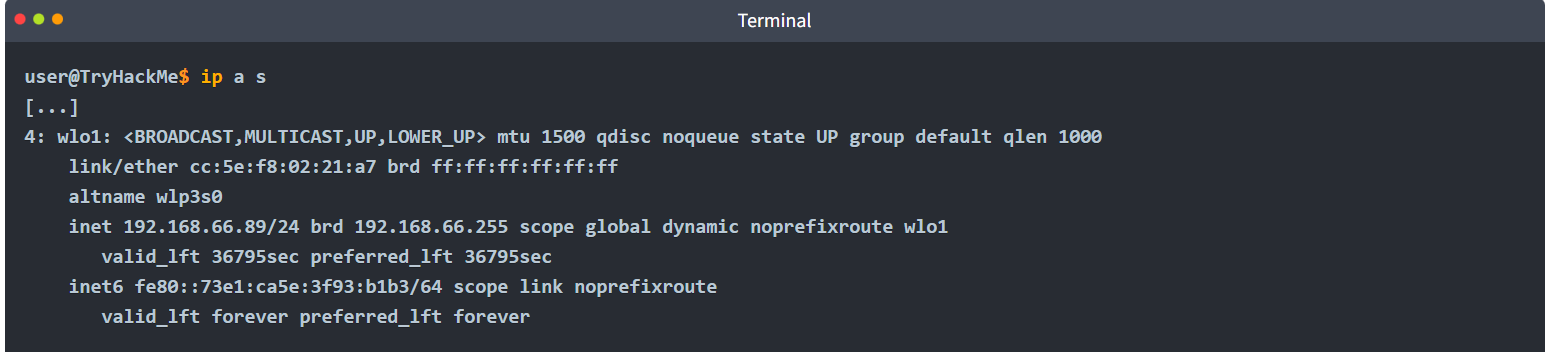
- The host (laptop) IP address is
192.168.66.89/24
从左往右就有3 octet 相同 24=3*8.所以IP address 范围是 192.168.66.1 to 192.168.66.254
子网掩码二进制中「从左到右连续 1 的 bit 位数」替代完整子网掩码
the subnet mask (子网掩码)255.255.255.0 可以写成/24
Private Addresses
RFC 1918 defines the following three ranges of private IP addresses:
-
10.0.0.0-10.255.255.255(10/8) -
172.16.0.0-172.31.255.255(172.16/12) -
192.168.0.0-192.168.255.255(192.168/16)
UDP and TCP
UDP (User Datagram Protocol):用户数据报协议 connectionless, 速度快,准确度更低
A port number: 2 octets it ranges between 1 and 65535; port 0 不可用
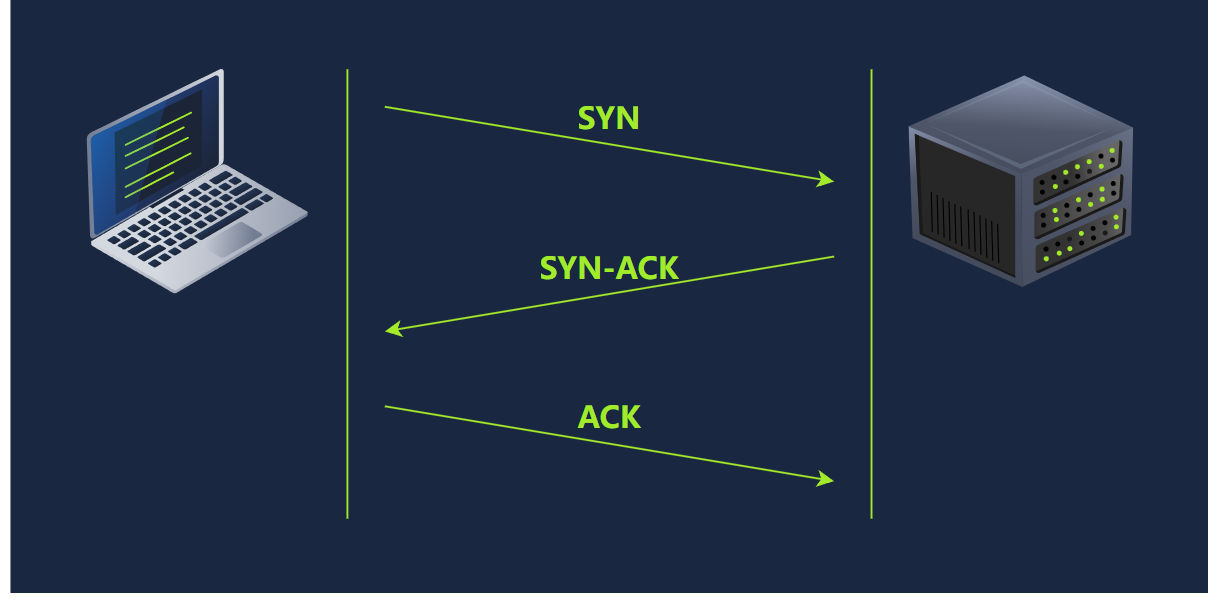
TCP(T ransmission C ontrol Protocol): 传输控制协议 要连接
A TCP connection is established using what's called a three-way handshake. Two flags are used: SYN (Synchronize) and ACK (Acknowledgment)
-
SYN Packet: The client initiates the connection by sending a SYN packet to the server. This packet contains the client's randomly chosen initial sequence number.客户端发起连接
-
SYN-ACK Packet: The server responds to the SYN packet with a SYN-ACK packet, which adds the initial sequence number randomly chosen by the server.服务端确认连接
-
ACK Packet: The three-way handshake is completed as the client sends an ACK packet to acknowledge the reception of the SYN-ACK packet.客户端确认连接
Encapsulation
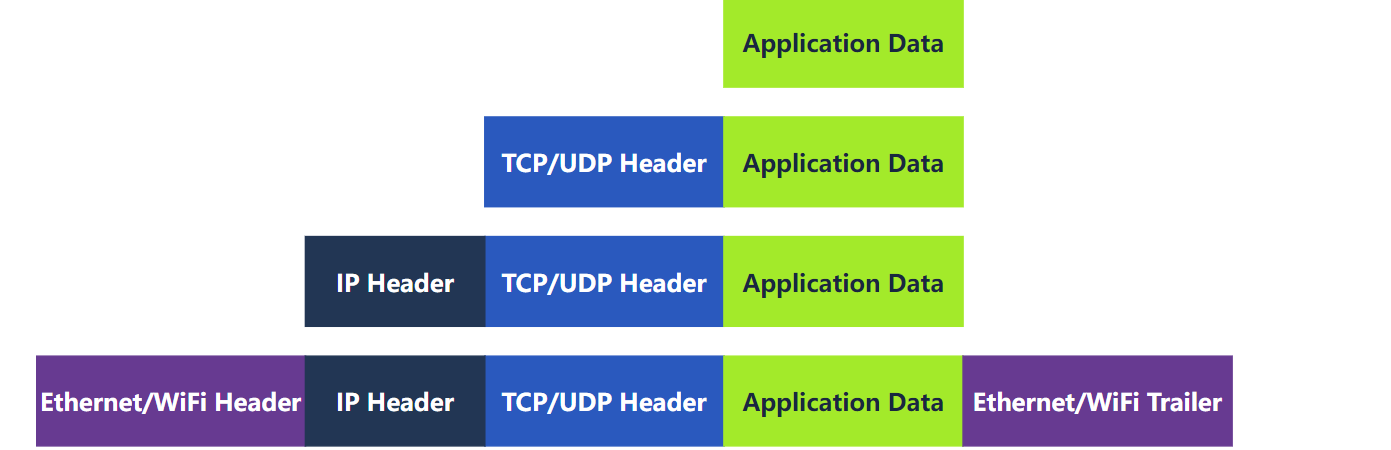
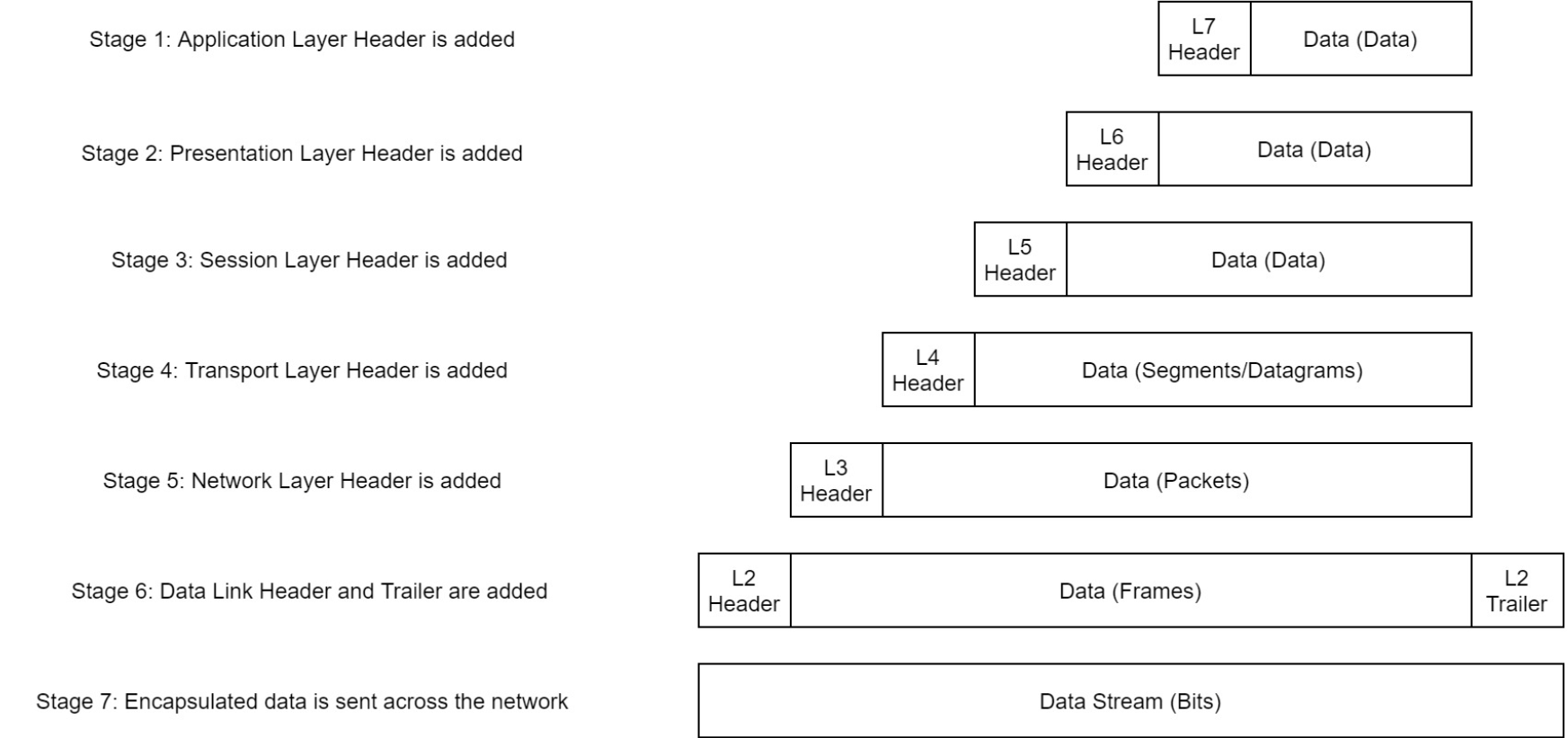
封装过程:
-
Application data: It all starts when the user inputs the data they want to send into the application. For example, you write an email or an instant message and hit the send button. The application formats this data and starts sending it according to the application protocol used, using the layer below it, the transport layer.
-
Transport protocol segment or datagram : The transport layer, such as TCP or UDP, adds the proper header information and creates the TCP segment (数据段) (or UDP datagram). This segment is sent to the layer below it, the network layer.
-
Network packet : The network layer, i.e. the Internet layer, adds an IP header to the received TCP segment or UDP datagram. Then, this IP packet is sent to the layer below it, the data link layer.
-
Data link frame : The Ethernet(以太网) or WiFi receives the IP packet and adds the proper header and trailer, creating a frame.
de-Encapsulation(解封装)从Layer 1->Layer 7