题目
给定一个仅包含数字 2-9 的字符串,返回所有它能表示的字母组合。答案可以按 任意顺序 返回。
给出数字到字母的映射如下(与电话按键相同)。注意 1 不对应任何字母。
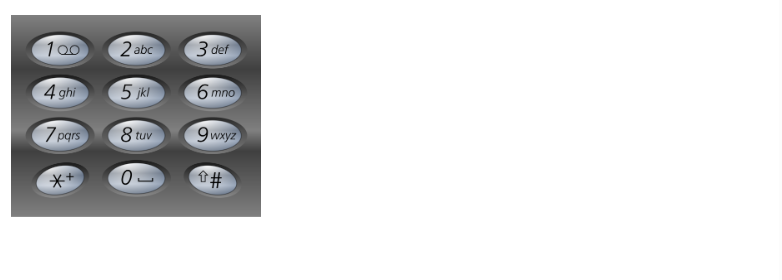
数据范围
1 <= digits.length <= 4
digitsi 是范围 '2', '9' 的一个数字。
测试用例
示例1
java
输入:digits = "23"
输出:["ad","ae","af","bd","be","bf","cd","ce","cf"]
示例2
java
输入:digits = "2"
输出:["a","b","c"]题解1(博主解法,时间O3m*4k*N,空间On)
java
class Solution {
    // 优化点 1: 使用二维字符数组作为查找表 (Mapping)
    // 相比 HashMap,数组通过内存偏移量直接寻址,速度更快,且无需处理哈希冲突和对象开销。
    // 索引 0 和 1 为空,直接对应电话按键 2-9。
    char[][] table = {
        {}, {},
        {'a', 'b', 'c'},      // 2
        {'d', 'e', 'f'},      // 3
        {'g', 'h', 'i'},      // 4
        {'j', 'k', 'l'},      // 5
        {'m', 'n', 'o'},      // 6
        {'p', 'q', 'r', 's'}, // 7
        {'t', 'u', 'v'},      // 8
        {'w', 'x', 'y', 'z'}  // 9
    };

    List<String> res;
    int len;

    public List<String> letterCombinations(String digits) {
        res = new ArrayList<>();
        char c[] = digits.toCharArray();
        len = c.length;

        // 边界情况处理:如果输入为空,直接返回空列表
        if (len == 0) {
            return res;
        }

        // 开启 DFS 递归
        // c: 输入字符数组
        // c[0]-'0': 将字符转换为整数索引 (例如 '2' -> 2),作为初始 pos
        // 0: 当前层级 (stage),从第 0 个数字开始
        // new StringBuilder(): 用于动态构建字符串,效率优于 String 拼接
        dfs(c, c[0] - '0', 0, new StringBuilder());

        return res;
    }

    /**
     * 深度优先搜索 (DFS) / 回溯核心方法
     * @param c     输入数字的字符数组
     * @param pos   当前数字对应的 table 索引 (即当前按键数字)
     * @param stage 当前递归深度 (处理到了第几个数字)
     * @param curr  当前路径构建的字符串 (状态)
     */
    public void dfs(char[] c, int pos, int stage, StringBuilder curr) {
        // Base Case (终止条件):
        // 当构建的字符串长度等于输入数字的个数时,说明找到如果不一个完整的组合
        if (stage == len) {
            res.add(curr.toString()); // 将 StringBuilder 转为 String 存入结果集 (耗时 O(N))
            return;
        }

        // 获取当前按键对应的字母集合 (例如 table[2] -> ['a','b','c'])
        char ct[] = table[pos];
        int tlen = ct.length;

        // 遍历当前按键的所有可能字母 (分支)
        for (int i = 0; i < tlen; i++) {
            // 1. 做选择 (Make Selection)
            curr.append(ct[i]);

            // 预判下一层的索引 (tpos)
            // 逻辑说明:这里你选择在当前层预先计算下一层的 table 索引
            int tpos = 0;
            if (stage + 1 == len) {
                // 如果是最后一层,tpos 的值其实不重要了,因为下一层会直接 return
                // 这里赋值为 pos 只是为了防止数组越界报错
                tpos = pos;
            } else {
                // 正常情况:取下一个数字作为下一层的索引
                tpos = c[stage + 1] - '0';
            }

            // 2. 递归进入下一层 (Recurse)
            dfs(c, tpos, stage + 1, curr);

            // 3. 撤销选择 (Backtrack / Undo Selection)
            // 这一步至关重要:在回到上一层之前,必须把刚才加进去的字符删掉,
            // 这样才能腾出位置给 for 循环中的下一个字母使用。
            curr.delete(stage, stage + 1);
        }
    }
}
题解2(官解,时空同上)
java
class Solution {
    public List<String> letterCombinations(String digits) {
        List<String> combinations = new ArrayList<String>();
        if (digits.length() == 0) {
            return combinations;
        }
        Map<Character, String> phoneMap = new HashMap<Character, String>() {{
            put('2', "abc");
            put('3', "def");
            put('4', "ghi");
            put('5', "jkl");
            put('6', "mno");
            put('7', "pqrs");
            put('8', "tuv");
            put('9', "wxyz");
        }};
        backtrack(combinations, phoneMap, digits, 0, new StringBuffer());
        return combinations;
    }

    public void backtrack(List<String> combinations, Map<Character, String> phoneMap, String digits, int index, StringBuffer combination) {
        if (index == digits.length()) {
            combinations.add(combination.toString());
        } else {
            char digit = digits.charAt(index);
            String letters = phoneMap.get(digit);
            int lettersCount = letters.length();
            for (int i = 0; i < lettersCount; i++) {
                combination.append(letters.charAt(i));
                backtrack(combinations, phoneMap, digits, index + 1, combination);
                combination.deleteCharAt(index);
            }
        }
    }
}
思路
这道题没有什么好讲思路的,同样就是使用回溯来进行模拟,博客中给了两种写法,分别是官方的和博主的,官方使用map,博主使用静态数组,官方使用StringBuffer,博主使用Stringbuilder,首先静态数组肯定是比map更快的,buffer相较于builder更安全,builder相较于buffer更快。所以用什么方法实现,大家仁者见仁智者见智了。