目录
-
- 概述
- 一、问题背景
- 二、线程不安全的原理分析
-
- [2.1 内部状态共享](#2.1 内部状态共享)
- [2.2 字段解析的非原子性](#2.2 字段解析的非原子性)
- [2.3 异常的不可预测性](#2.3 异常的不可预测性)
- 三、问题复现代码示例
- 四、修复与替代方案
-
- [4.1 方案一:方法内创建(Thread-Local)](#4.1 方案一:方法内创建(Thread-Local))
- [4.2 方案二:使用 ThreadLocal 封装](#4.2 方案二:使用 ThreadLocal 封装)
- [4.3 方案三:使用 Java 8+ 的 DateTimeFormatter](#4.3 方案三:使用 Java 8+ 的 DateTimeFormatter)
- [4.4 方案四:使用同步锁(Synchronized)](#4.4 方案四:使用同步锁(Synchronized))
- 五、各方案性能与适用场景对比
- 六、最佳实践总结
- 七、结论
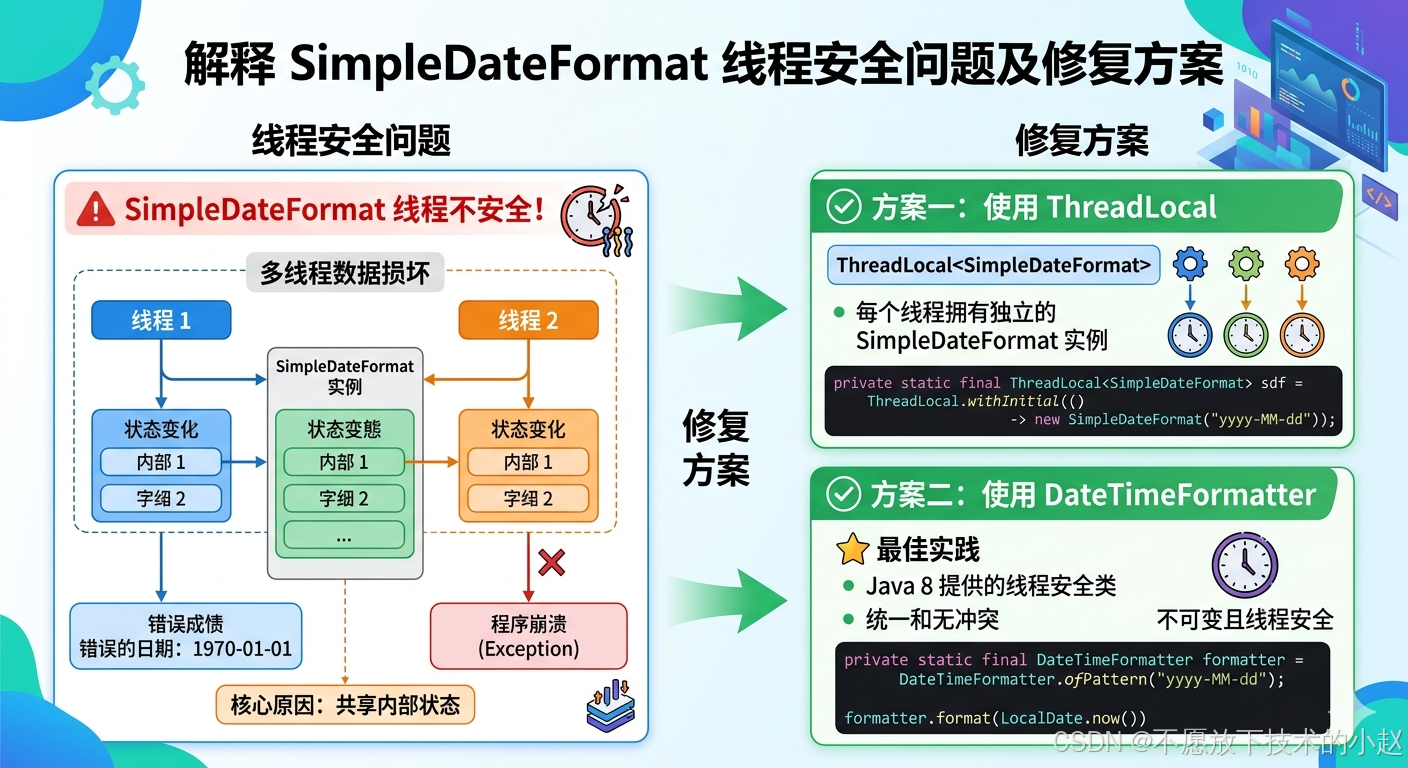
概述
SimpleDateFormat(java.text.SimpleDateFormat)是 Java 中常用的日期格式化工具类,但在多线程环境下存在严重的线程安全问题。
本文将深入分析其线程不安全的根本原因,通过代码示例复现问题,并提供多种经过验证的修复与替代方案,最后总结高并发场景下的最佳实践。
一、问题背景
在 Java 应用开发中,日期与时间的处理是常见需求。SimpleDateFormat 类因其使用简单、功能强大,长期以来被广泛用于字符串与 Date 对象之间的转换。然而,当开发者试图在多线程环境中共享一个 SimpleDateFormat 实例时,常常会遇到数据错乱、解析异常甚至程序崩溃的问题。
这种问题在单体应用向高并发、分布式系统演进的过程中尤为突出。例如,在一个高流量的 Web 服务中,若将 SimpleDateFormat 实例作为类的静态成员变量供所有请求线程共享,极有可能导致多个线程同时调用其 parse() 或 format() 方法时产生不可预知的错误,严重影响系统的稳定性和数据的准确性。
二、线程不安全的原理分析
SimpleDateFormat 的线程不安全源于其内部状态的可变性。该类并非线程安全的设计,其核心方法 parse() 和 format() 会修改对象内部的共享状态。
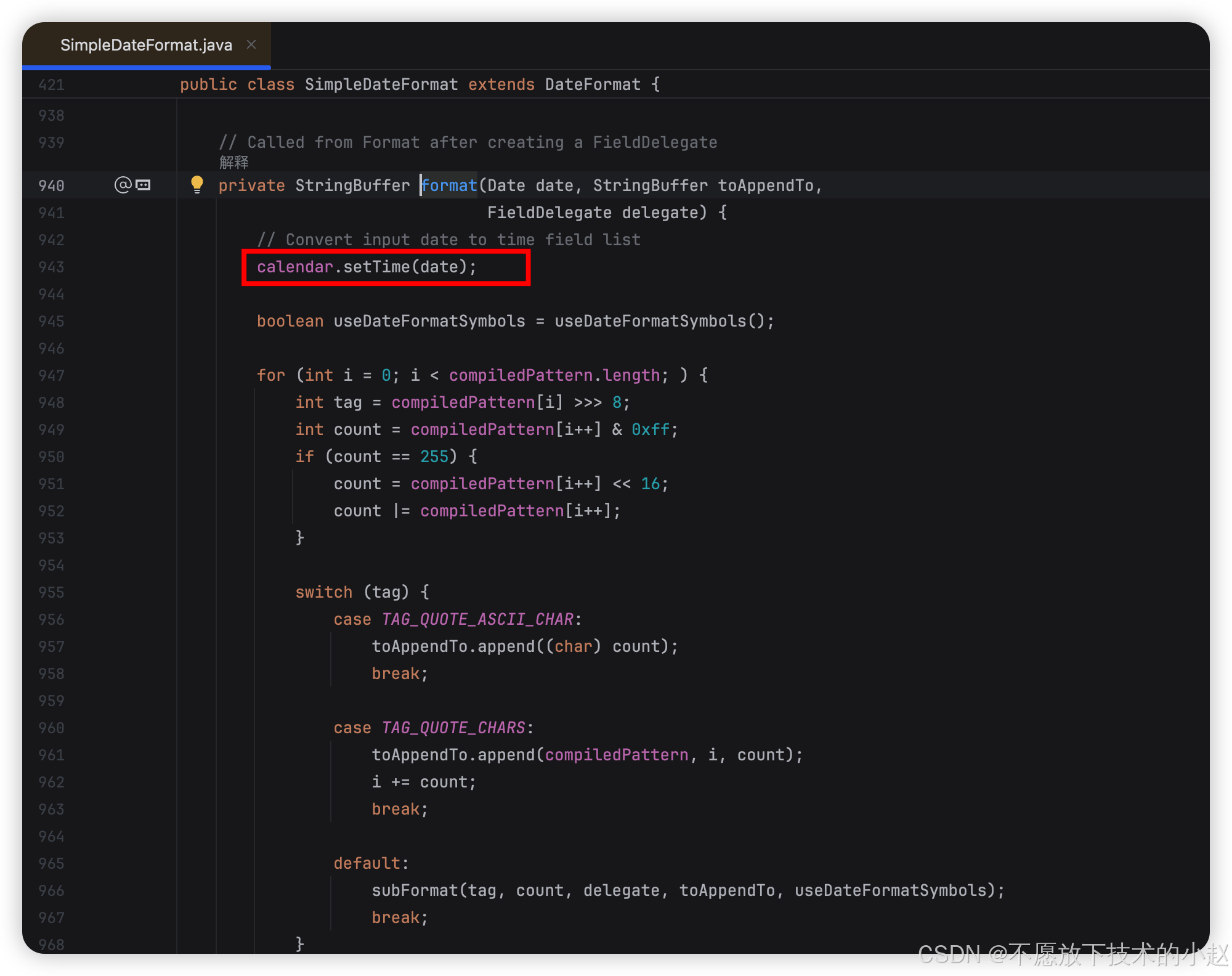
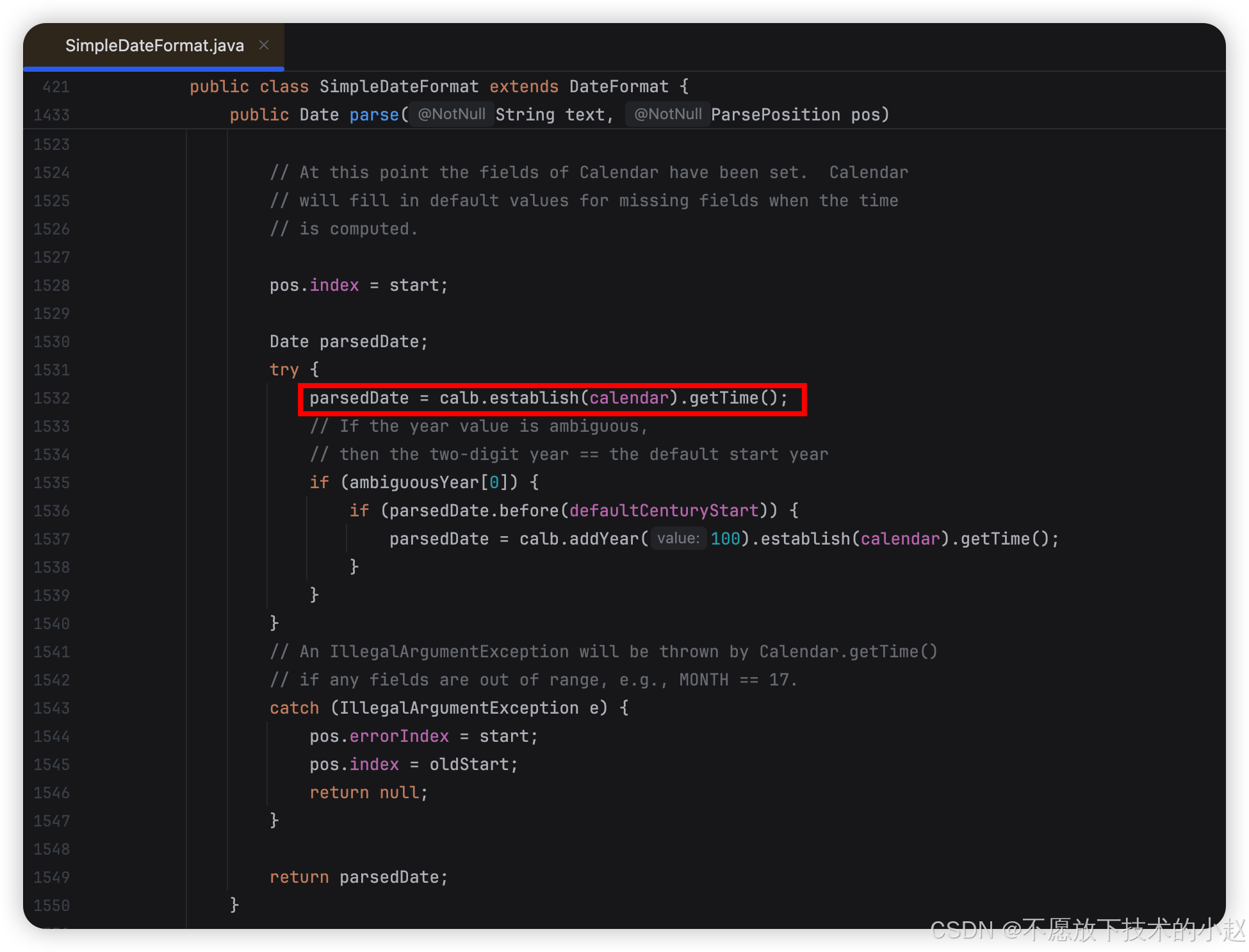
具体体现在以下几个方面:
2.1 内部状态共享
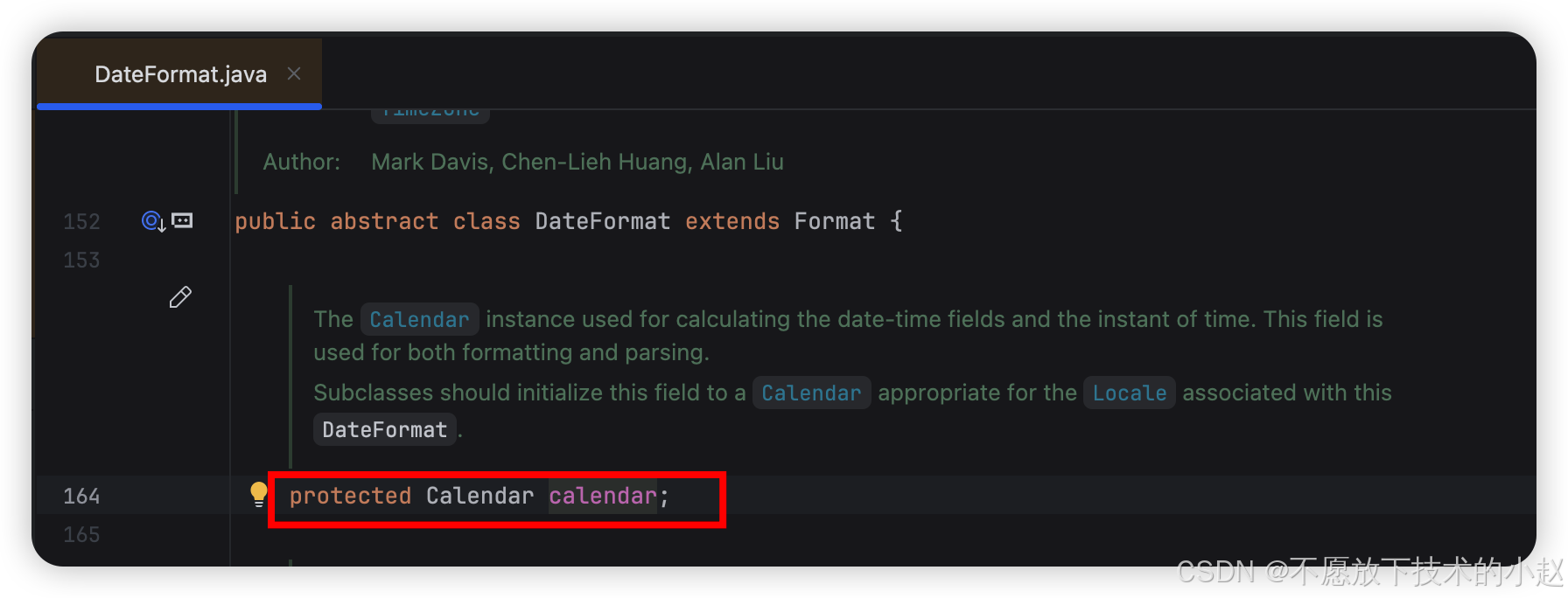
SimpleDateFormat 继承自 DateFormat,其内部使用一个 Calendar 对象来存储解析或格式化过程中的临时状态。当多个线程同时调用 parse() 方法时,它们会竞争修改同一个 Calendar 对象。例如,线程A在解析日期时,Calendar 的状态被部分修改,此时线程B的解析操作可能读取到这个被污染的中间状态,从而导致解析出错误的日期结果。
2.2 字段解析的非原子性
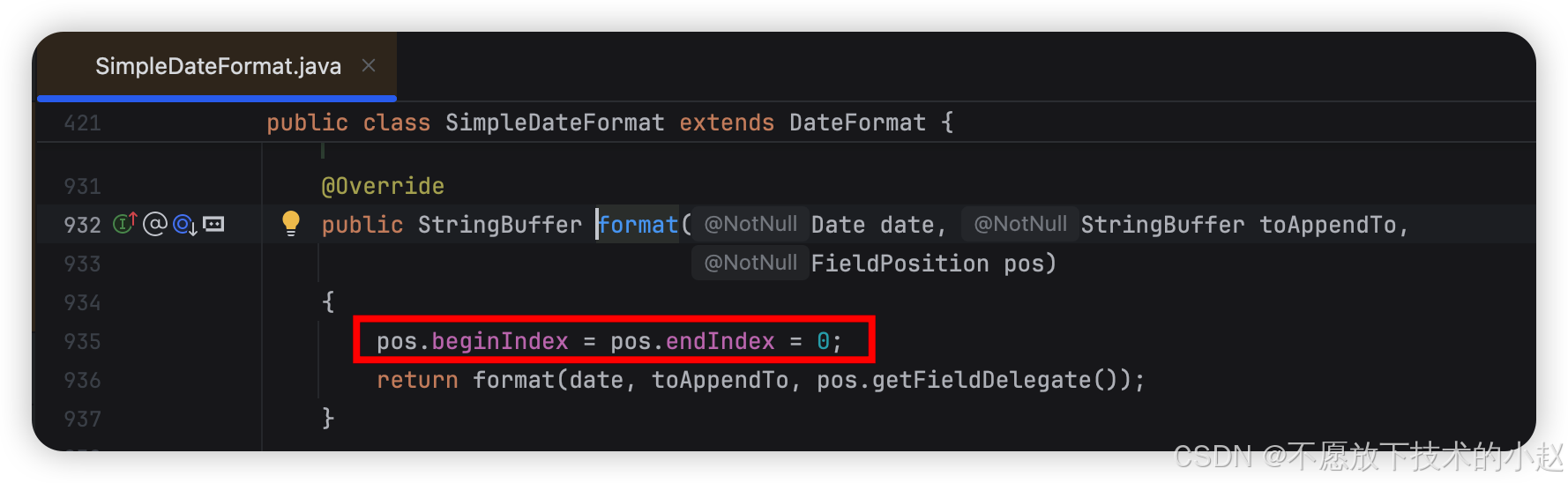
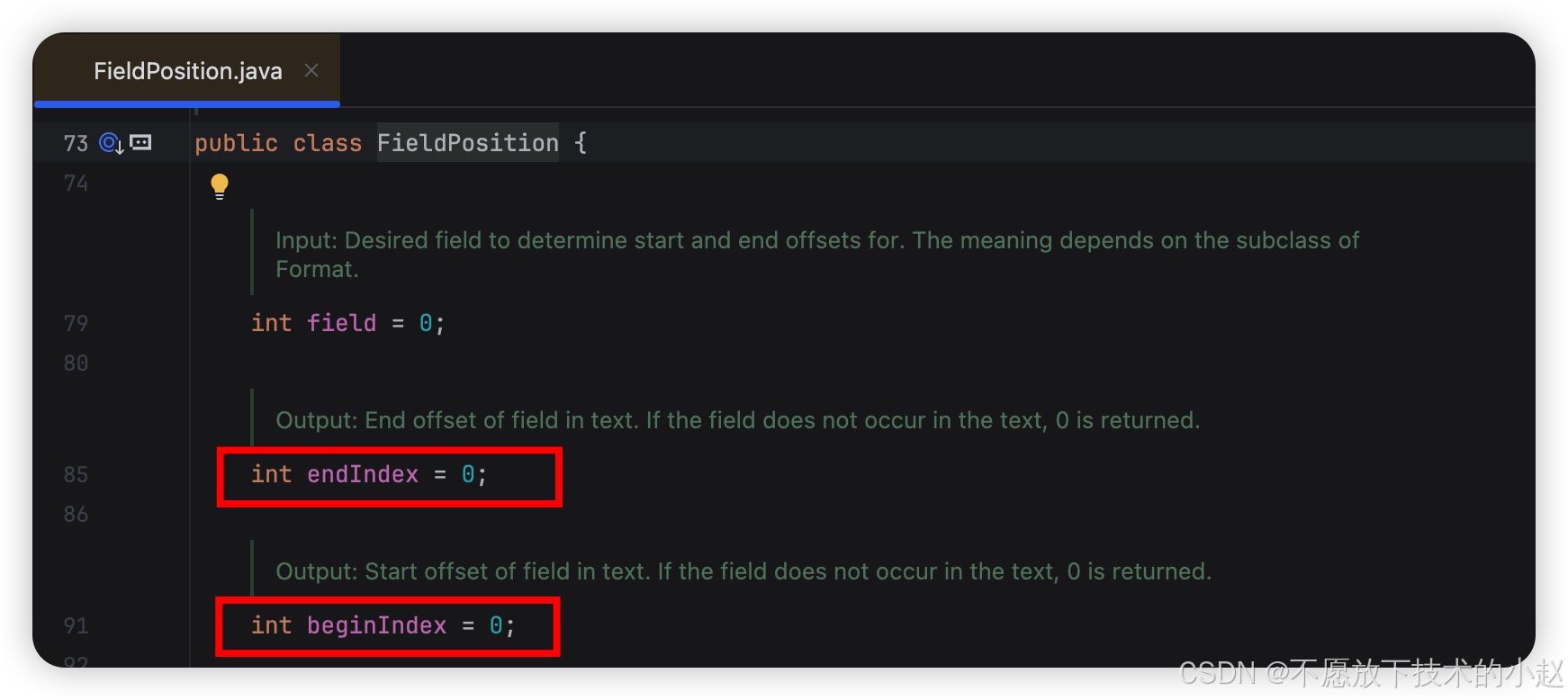
日期字符串的解析过程是复杂的,涉及多个步骤,如分词、字段匹配、数值计算等。SimpleDateFormat 在解析过程中会使用一个 int 类型的 pos 变量来记录当前解析的位置。这个变量的读写操作不是原子的,且未进行同步,因此在多线程环境下,一个线程的解析位置可能被另一个线程意外覆盖,导致解析失败或返回错误数据。
2.3 异常的不可预测性
由于上述状态竞争,SimpleDateFormat 在多线程下可能抛出 ArrayIndexOutOfBoundsException、NumberFormatException 等异常,或者更隐蔽地返回一个完全错误的 Date 对象。这种非确定性的行为使得问题难以在开发阶段被发现,往往在生产环境高并发时才暴露,增加了排查难度。
三、问题复现代码示例
以下是一个更贴近实际业务场景的线程安全问题复现代码,模拟同时格式化当月和上月数据的场景:
java
package com.jdl.crm.data.center.common.util;

import java.text.SimpleDateFormat;
import java.util.Date;
import java.util.Calendar;
import java.util.concurrent.ExecutorService;
import java.util.concurrent.Executors;
import java.util.concurrent.atomic.AtomicInteger;
import java.util.concurrent.CountDownLatch;

public class SimpleDateFormatThreadSafetyDemo {

    // 共享的非线程安全实例
    public static SimpleDateFormat MONTH_SDF = new SimpleDateFormat("yyyy-MM");

    private static final AtomicInteger errorCount = new AtomicInteger(0);
    private static final int THREAD_COUNT = 2;
    private static final int ITERATIONS_PER_THREAD = 5;

    public static void main(String[] args) throws Exception {
        System.out.println("========================================");
        System.out.println("SimpleDateFormat 线程安全问题复现演示");
        System.out.println("========================================");
        System.out.println("场景:模拟生产环境,同时格式化当月和上月数据");
        System.out.println("期望:当月=2026-03,上月=2026-02");
        System.out.println("线程数: " + THREAD_COUNT);
        System.out.println("每线程迭代次数: " + ITERATIONS_PER_THREAD);
        System.out.println("========================================\n");

        final CountDownLatch startLatch = new CountDownLatch(1);
        final CountDownLatch endLatch = new CountDownLatch(THREAD_COUNT * 2);

        ExecutorService executor = Executors.newFixedThreadPool(THREAD_COUNT * 2);

        for (int i = 0; i < THREAD_COUNT; i++) {
            final int threadId = i;

            executor.submit(() -> {
                try {
                    startLatch.await();
                    for (int j = 0; j < ITERATIONS_PER_THREAD; j++) {
                        testCurrentMonth();
                    }
                } catch (Exception e) {
                    System.out.println("[当月线程异常] " + e.getMessage());
                } finally {
                    endLatch.countDown();
                }
            });

            executor.submit(() -> {
                try {
                    startLatch.await();
                    for (int j = 0; j < ITERATIONS_PER_THREAD; j++) {
                        testLastMonth();
                    }
                } catch (Exception e) {
                    System.out.println("[上月线程异常] " + e.getMessage());
                } finally {
                    endLatch.countDown();
                }
            });
        }

        long startTime = System.currentTimeMillis();
        startLatch.countDown();
        endLatch.await();
        long endTime = System.currentTimeMillis();

        System.out.println("\n========================================");
        System.out.println("测试完成!");
        System.out.println("总耗时: " + (endTime - startTime) + " ms");
        System.out.println("错误次数: " + errorCount.get());
        System.out.println("总执行次数: " + (THREAD_COUNT * ITERATIONS_PER_THREAD * 2));
        System.out.println("========================================");

        if (errorCount.get() > 0) {
            System.out.println("\n✓ 成功复现 SimpleDateFormat 线程安全问题!");
            System.out.println("当月数据和上月数据同时格式化时,发生冲突!");
        } else {
            System.out.println("\n注意: 此次运行未出现错误");
            System.out.println("\n尝试增加线程数和迭代次数...\n");
        }

        executor.shutdown();
    }

    private static void testCurrentMonth() {
        try {
            Calendar cal = Calendar.getInstance();
            cal.setTime(new Date());

            String result = MONTH_SDF.format(new Date());

            if (!result.equals("2026-03")) {
                errorCount.incrementAndGet();
                System.out.println("[当月错误] 期望: 2026-03, 实际: " + result);
            }
        } catch (Exception e) {
            errorCount.incrementAndGet();
            System.out.println("[当月异常] " + e.getMessage());
        }
    }

    private static void testLastMonth() {
        try {
            Calendar cal = Calendar.getInstance();
            cal.add(Calendar.MONTH, -1);
            Date lastMonthDate = cal.getTime();

            String result = MONTH_SDF.format(lastMonthDate);

            if (!result.equals("2026-02")) {
                errorCount.incrementAndGet();
                System.out.println("[上月错误] 期望: 2026-02, 实际: " + result);
            }
        } catch (Exception e) {
            errorCount.incrementAndGet();
            System.out.println("[上月异常] " + e.getMessage());
        }
    }
}运行结果:
========================================
SimpleDateFormat 线程安全问题复现演示
========================================
场景:模拟生产环境,同时格式化当月和上月数据
期望:当月=2026-03,上月=2026-02
线程数: 2
每线程迭代次数: 5
========================================

[上月错误] 期望: 2026-02, 实际: 2026-03
[当月错误] 期望: 2026-03, 实际: 2026-04
[当月错误] 期望: 2026-03, 实际: 2026-04
[上月错误] 期望: 2026-02, 实际: 2026-03
[上月错误] 期望: 2026-02, 实际: 2026-03
[上月错误] 期望: 2026-02, 实际: 2026-03
[上月错误] 期望: 2026-02, 实际: 2026-03
[当月错误] 期望: 2026-03, 实际: 2026-04
[当月错误] 期望: 2026-03, 实际: 2026-04
[上月错误] 期望: 2026-02, 实际: 2026-03
[当月错误] 期望: 2026-03, 实际: 2026-04
[当月错误] 期望: 2026-03, 实际: 2026-04
[上月错误] 期望: 2026-02, 实际: 2026-03
[上月错误] 期望: 2026-02, 实际: 2026-03
[当月错误] 期望: 2026-03, 实际: 2026-04
[上月错误] 期望: 2026-02, 实际: 2026-03
[当月错误] 期望: 2026-03, 实际: 2026-04
[上月错误] 期望: 2026-02, 实际: 2026-03

========================================
测试完成!
总耗时: 4 ms
错误次数: 18
总执行次数: 20
========================================

✓ 成功复现 SimpleDateFormat 线程安全问题!
当月数据和上月数据同时格式化时,发生冲突!问题分析:
这个示例更加贴近实际业务场景,模拟了生产环境中常见的报表生成场景:多个线程同时处理当月和上月的数据格式化。从运行结果可以看出:
- 错误率高达90%:在总共20次执行中,出现了18次错误,错误率达到90%
- 数据错乱:上月数据被错误地格式化为当月(2026-03),而当月数据被错误地格式化为下月(2026-04)
- 问题本质:这是因为 SimpleDateFormat 内部维护的 Calendar 对象状态被多个线程并发修改,导致格式化结果混乱
这种场景在实际业务中非常危险,比如在财务报表系统中,如果上月和当月的收入数据因为线程安全问题而混淆,可能导致严重的财务决策错误。
四、修复与替代方案
针对 SimpleDateFormat 的线程安全问题,业界有多种成熟且高效的解决方案,可根据具体场景选择:
4.1 方案一:方法内创建(Thread-Local)
最简单直接的方案是在每次需要使用时创建新的 SimpleDateFormat 实例。由于对象是线程私有的,从根本上避免了共享。
java
public class DateUtil {
    public static Date parseDate(String dateStr) throws ParseException {
        // 每次调用都创建新实例
        SimpleDateFormat sdf = new SimpleDateFormat("yyyy-MM-dd HH:mm:ss");
        return sdf.parse(dateStr);
    }
}
优点 :实现简单,逻辑清晰。 缺点:在高并发场景下,频繁创建和销毁对象会增加 GC 压力,影响性能。
4.2 方案二:使用 ThreadLocal 封装
利用 ThreadLocal 为每个线程提供独立的 SimpleDateFormat 实例,既保证了线程安全,又避免了重复创建的开销。
java
public class ThreadSafeDateFormat {
    private static final String DATE_FORMAT = "yyyy-MM-dd HH:mm:ss";

    private static final ThreadLocal<SimpleDateFormat> tl = ThreadLocal.withInitial(
        () -> new SimpleDateFormat(DATE_FORMAT)
    );

    public static Date parse(String dateStr) throws ParseException {
        return tl.get().parse(dateStr);
    }

    public static String format(Date date) {
        return tl.get().format(date);
    }
}
优点 :线程安全,性能优秀,是传统 Java 应用中的推荐做法。 缺点 :在使用线程池时,需注意 ThreadLocal 可能导致内存泄漏,应在任务结束时调用 tl.remove()。
4.3 方案三:使用 Java 8+ 的 DateTimeFormatter
Java 8 引入了全新的 java.time 包,其中的 DateTimeFormatter 是不可变(immutable)且线程安全的,是现代 Java 开发的首选。
java
import java.time.LocalDateTime;
import java.time.format.DateTimeFormatter;

public class ModernDateUtil {
    // DateTimeFormatter 实例是线程安全的,可以安全地声明为 static final
    private static final DateTimeFormatter formatter = DateTimeFormatter.ofPattern("yyyy-MM-dd HH:mm:ss");

    public static LocalDateTime parse(String dateStr) {
        return LocalDateTime.parse(dateStr, formatter);
    }

    public static String format(LocalDateTime dateTime) {
        return dateTime.format(formatter);
    }
}
优点 :线程安全、不可变、功能更强大、API 更清晰,是官方推荐的现代日期时间 API。 缺点 :返回类型为 LocalDateTime 等新类型,与旧的 Date 类型不兼容,需要进行类型转换。
4.4 方案四:使用同步锁(Synchronized)
对共享的 SimpleDateFormat 实例的 parse() 和 format() 方法加锁,确保同一时间只有一个线程可以执行。
java
public class SynchronizedDateFormat {
    private static final SimpleDateFormat sdf = new SimpleDateFormat("yyyy-MM-dd HH:mm:ss");

    public static synchronized Date parse(String dateStr) throws ParseException {
        return sdf.parse(dateStr);
    }

    public static synchronized String format(Date date) {
        return sdf.format(date);
    }
}
优点 :改动最小,只需在方法上加 synchronized 关键字。 缺点:性能最差,锁竞争会成为系统瓶颈,不推荐在高并发场景下使用。
五、各方案性能与适用场景对比
| 方案 | 线程安全 | 性能 | 内存占用 | 推荐指数 | 适用场景 |
| 方法内创建 | ✅ | ⚠️ 低 | ⚠️ 高 | ★★☆☆☆ | 低频调用场景 |
| ThreadLocal 封装 | ✅ | ✅ 高 | ✅ 低 | ★★★★☆ | 传统 Java 应用 |
| DateTimeFormatter (Java 8+) | ✅ | ✅✅ 极高 | ✅✅ 极低 | ★★★★★ | 新项目、现代 Java 开发 |
| Synchronized 方法 | ✅ | ❌ 极低 | ✅ 低 | ★☆☆☆☆ | 临时修复、无法改造的遗留系统 |
六、最佳实践总结
-
新项目优先 :对于 Java 8 及以上版本的新项目,应无条件优先使用
java.time包中的DateTimeFormatter,它设计更合理,性能和安全性俱佳。 -
旧项目改造 :对于无法立即升级的旧项目,推荐使用
ThreadLocal方式封装SimpleDateFormat,平衡安全与性能。 -
避免静态共享 :绝对不要 将
SimpleDateFormat实例声明为public static final并在多线程间共享。 -
统一工具类 :建议在项目中创建一个统一的日期工具类,封装所有日期格式化逻辑,避免在各处零散创建
SimpleDateFormat。 -
代码审查 :在代码审查中,应将共享的
SimpleDateFormat实例视为潜在的 bug,及时发现并修正。
七、结论
SimpleDateFormat 的线程安全问题是 Java 开发中的一个经典陷阱。通过理解其内部原理,我们可以选择合适的方案来规避风险。从长远来看,拥抱 java.time 包是解决此类问题的根本之道。