假如我有两个有序集合(插入顺序很重要,而且我需要忽略重复项LinkedHashSet),其中一个集合中的第 n 个元素与另一个集合中的第 n 个元素配对。但它们不是成对添加的,而是最终结果会是成对的。
例如,在下面的代码中5,会与 配对1.1f,3也会与 配对0.5f
java
LinkedHashSet<Integer> slotIDs = new LinkedHashSet<>();
            LinkedHashSet<Float> pitches = new LinkedHashSet<>();

            // 模拟数据添加过程
            slotIDs.add(3);
            slotIDs.add(1);
            slotIDs.add(2);
            pitches.add(0.5f);
            pitches.add(2.2f);
            slotIDs.add(5);
            slotIDs.add(2);
            pitches.add(1.3f);
            slotIDs.add(4);
            pitches.add(1.1f);
            pitches.add(1.3f);
            pitches.add(0.7f);
            slotIDs.add(5);
pitches.add(1.1f);我想根据slotIDs配对结果pitches从低到高排序。在上面的例子中,我想要这样的结果:3, 4, 5, 2, 1
java
					// 1. 将Set转换为List,以便通过索引访问
            List<Integer> slotIDList = new ArrayList<>(slotIDs);
            List<Float> pitchList = new ArrayList<>(pitches);

            // 2. 确定有效配对的数量(以较短的列表为准)
            int pairCount = Math.min(slotIDList.size(), pitchList.size());

            // 3. 创建一个包含索引的列表 [0, 1, 2, ...],并根据对应的pitch值进行排序
            List<Integer> sortedIndices = IntStream.range(0, pairCount)
                    .boxed()
                    .sorted(Comparator.comparing(pitchList::get))
                    .collect(Collectors.toList());

            // 4. 根据排序后的索引,构建最终的slotID列表
            List<Integer> result = sortedIndices.stream()
                    .map(slotIDList::get)
                    .collect(Collectors.toList());

            // --- 核心逻辑结束 ---

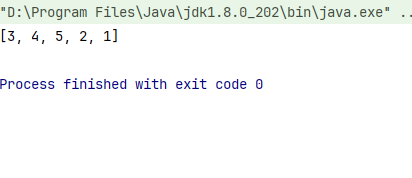
            System.out.println(result); // 输出:
结果