一、Mybatis 的作用
1、MyBatis(前身为iBatis)是一个开源的Java持久层框架,它主要用于与数据库交互,帮助开发者更轻松地进行数据库操作。
持久层:指的是就是数据访问层(dao),是用来操作数据库的。

2、MyBatis 提供了一种简单而强大的方式来执行数据库操作,包括查询、插入、更新和删除。支持几乎所有的 JDBC 代码以及设置参数和获取结果集的工作。开发者可以使用XML配置文件或者注解来定义SQL语句,并且可以将SQL语句的参数映射到Java对象,以便进行数据库操作。
ORM是什么 ?
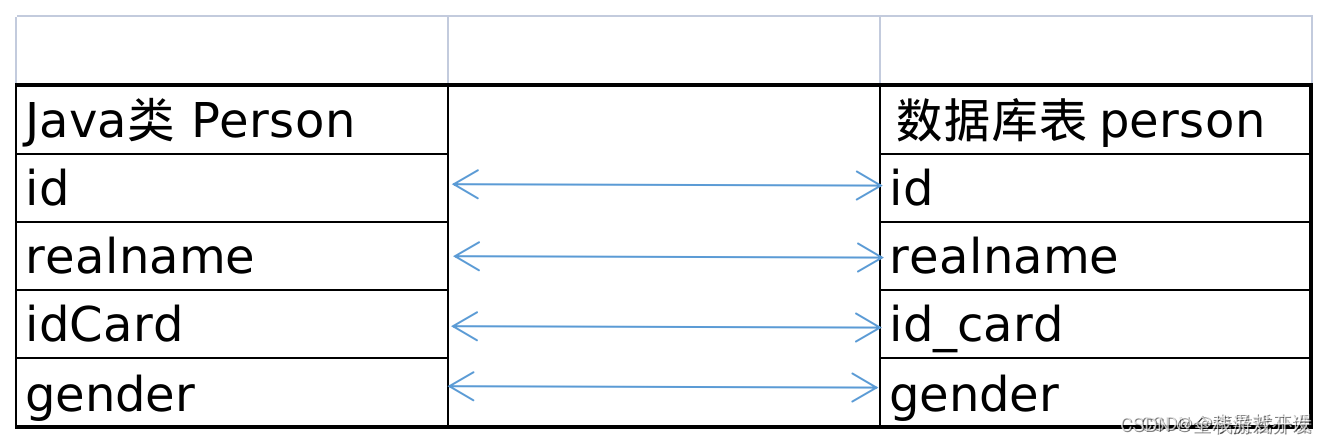
ORM(Object Relation Mapping)对象关系映射,是一种思想,主要包含三种对应关系:
| 关系映射 | 对应关系 |
|---|---|
| 类和表对应 | 一个pojo类 ←→ 一张数据库表 |
| 字段和列名对应 | pojo类中的一个字段 ←→ 数据库表中的一列 |
| 类实例化对象和数据对应 | pojo类的一个对象 ←→ 数据库表中的一行数据 |
ORM思想是所有持久层框架的基本思想,也是目前所有数据传输的思想。就是把数据和对象一一对应起来。从本质上来说SpringMVC也是做的这样的事情,数据在页面时,传到后台就成了对象。
3、MyBatis 提供了缓存机制,可以帮助提高查询性能。你可以配置缓存来存储查询结果,以便在后续查询中重用结果,从而减少数据库访问次数。
4、MyBatis 支持事务管理,可以确保数据库操作的原子性和一致性。你可以通过配置或编程方式管理事务,以满足应用程序的需求。
二、Spring中MyBatis的使用步骤
2.1 创建数据库和表
请自行安装数据库并创建表,例如我的数据库名为yiqifu
sql
CREATE TABLE `U_USER` (
`id`  int(255) NULL ,
`nickname`  varchar(255) NULL
);
2.2 添加maven依赖
分别添加mysql-connector-java(用于连接mysql数据库)、mybatis(mybatis核心库)、mybatis-spring(在spring中使用mybatis的库)的maven依赖包。
java
        <dependency>
            <groupId>org.springframework</groupId>
            <artifactId>spring-context</artifactId>
            <version>5.3.29</version>
        </dependency>

        <dependency>
            <groupId>mysql</groupId>
            <artifactId>mysql-connector-java</artifactId>
            <version>8.0.23</version>
        </dependency>

        <dependency>
            <groupId>org.mybatis</groupId>
            <artifactId>mybatis</artifactId>
            <version>3.5.11</version>
        </dependency>
        <!--mybatis-spring包是适配包,帮助你在Spring中使用MyBatis-->
        <dependency>
            <groupId>org.mybatis</groupId>
            <artifactId>mybatis-spring</artifactId>
            <version>2.0.7</version>
        </dependency>

        <!--可以使用阿里巴巴的DruidDataSource-->
        <dependency>
            <groupId>org.springframework</groupId>
            <artifactId>spring-jdbc</artifactId>
            <version>5.3.29</version>
        </dependency>
        <dependency>
            <groupId>com.alibaba</groupId>
            <artifactId>druid</artifactId>
            <version>1.2.8</version>
            <scope>test</scope>
        </dependency>
3.3 编写实体类
根据数据表的字段创建一个实体类,各字段可以不跟数据库一致。对应关系可以在Mapper.xml中配置
java
package top.yiqifu.study.p061_mybatis;

public class UserEntity {

    public int id;
    public String name;


    public UserEntity(){

    }
    public UserEntity(int id, String name) {
        this.id = id;
        this.name = name;
    }


    public int getId() {
        return id;
    }

    public void setId(int id) {
        this.id = id;
    }

    public String getName() {
        return name;
    }

    public void setName(String name) {
        this.name = name;
    }

    @Override
    public String toString() {
        return "UserEntity{" +
                "id=" + id +
                ", name='" + name + '\'' +
                '}';
    }
}
2.4 创建UserMapper接口
UserMapper接口的作用是告诉mybatis您要对数据库执行那些操作。具体实现类由Spring AOP完成。其中执行的SQL语句可以通过Mappser.xml配置,也可以在这里使用注解配置。我这里仅定义了几个简单的增删改查。
java
package top.yiqifu.study.p061_mybatis;

import org.apache.ibatis.annotations.Mapper;
import org.apache.ibatis.annotations.Result;
import org.apache.ibatis.annotations.Results;
import org.apache.ibatis.annotations.Select;

import java.util.List;

@Mapper
public interface UserMapper {

    void insert(UserEntity user);

    void deleteById(Integer id);

    void update(UserEntity user);

    List<UserEntity> findAll();

    @Select("select * from u_user where id=#{id}")
    @Results({
        @Result(property = "name", column = "nickname"), // 指定属性名和列名的映射关系
    })
    UserEntity findById(Integer id);
}
2.5 配置UserMapper.xml
UserMapper.xml的作用是告诉mybatis您在UserMapper接口定义的方法具体使用什么样的SQL及其他约束。我这里简单配置了UserMapper接口中每个方法。
注:其实也可以直接在UserMapper接口中使用注解定义(请看findById方法),使用XML定义是为了解耦。
java
<?xml version="1.0" encoding="UTF-8"?>
<!DOCTYPE mapper PUBLIC "-//mybatis.org//DTD Mapper 3.0//EN"
        "http://mybatis.org/dtd/mybatis-3-mapper.dtd">


<!-- namespace 对应到 接口上 就不需要实例化了 -->
<mapper namespace="top.yiqifu.study.p061_mybatis.UserMapper">

    <resultMap type="top.yiqifu.study.p061_mybatis.UserEntity" id="BaseResultMap">
        <!-- column 表里的字段 -->
        <!-- property 实体对象里的属性 -->
        <result column="id" property="id"/>
        <result column="nickname" property="name"/>
    </resultMap>

    <insert id="insert" parameterType="top.yiqifu.study.p061_mybatis.UserEntity">
    insert into u_user(nickname) values(#{name})
    </insert>

    <insert id="deleteById" parameterType="Integer">
    delete  from u_user where id=#{id}
    </insert>

    <insert id="update" parameterType="top.yiqifu.study.p061_mybatis.UserEntity">
    update u_user set nickname=#{name} where id=#{id}
    </insert>

    <select id="findAll" resultMap="BaseResultMap">
      select * from u_user
    </select>


</mapper>
2.6 配置数据库连接信息 JDBC
配置jdbc.properties(放在resources目录下)的作用是指定数据连接信息。
java
database.driver=com.mysql.cj.jdbc.Driver

database.url=jdbc:mysql://localhost:3306/yiqifu?characterEncoding=utf8&useSSL=false&serverTimezone=UTC

database.username=root

database.password=123456xxoo
2.7 在Spring中配置Mybatis
配置applicationContext-mybatis.xml(放在resources目录下)的作用将前的内容整合在起。包括mybatis的JDBC环境,接口映射和接口配置。
java
<?xml version="1.0" encoding="UTF-8" ?>

<beans xmlns="http://www.springframework.org/schema/beans"
       xmlns:xsi="http://www.w3.org/2001/XMLSchema-instance"
       xmlns:context="http://www.springframework.org/schema/context"
       xsi:schemaLocation="http://www.springframework.org/schema/beans
        http://www.springframework.org/schema/beans/spring-beans.xsd
        http://www.springframework.org/schema/context
        http://www.springframework.org/schema/context/spring-context.xsd"
    >

    <context:component-scan base-package="top.yiqifu.study.p061_mybatis"></context:component-scan>

    <!-- 加载jdbc.properties配置文件 -->
    <context:property-placeholder location="classpath:jdbc.properties"/>

    <!-- 配置 MyBatis 数据源 -->
    <bean id="dataSource" class="org.springframework.jdbc.datasource.DriverManagerDataSource">
        <property name="driverClassName" value="${database.driver}" />
        <property name="url" value="${database.url}" />
        <property name="username" value="${database.username}" />
        <property name="password" value="${database.password}" />
    </bean>

    <!-- 配置 mybatis Session -->
    <bean id="sqlSessionFactory" class="org.mybatis.spring.SqlSessionFactoryBean">
        <property name="dataSource" ref="dataSource" />
        <!--<property name="configLocation" value="classpath:mybatis-config.xml"></property>-->
        <property name="mapperLocations" value="classpath:mapper/*.xml" />
    </bean>

    <!-- 扫描Mapper接口(Spring会使用AOP为其实现具体方法) -->
    <bean class="org.mybatis.spring.mapper.MapperScannerConfigurer">
        <property name="basePackage" value="top.yiqifu.study.p061_mybatis" />
    </bean>


</beans>
2.8 在Spring中调用Mybatis查询数据
以下是调用示例:
java
package top.yiqifu.study.p061_mybatis;

import org.springframework.context.support.ClassPathXmlApplicationContext;
import top.yiqifu.study.p051_proxy.Test011_StaticProxyDog;
import top.yiqifu.study.p051_proxy.Test041_Animal;
import top.yiqifu.study.p051_proxy.Test042_Dog;


public class Test001_Mybatis
{
    // 静态代理
    public static void main( String[] args )
    {
        ClassPathXmlApplicationContext context = new ClassPathXmlApplicationContext("applicationContext-mybatis.xml");
        UserMapper mapper = context.getBean("userMapper", UserMapper.class);

        for(String beanName : context.getBeanDefinitionNames()){
            System.out.println(beanName);
        }


        UserEntity user1 = new UserEntity();
        UserEntity user2 ;
        //添加
        user1.setName("test");
        mapper.insert(user1);

        int userId = 7;
        user2 = mapper.findById(userId);
        System.out.println(user2);
        //修改
        user1.setId(userId);
        user1.setName("new-test");
        mapper.update(user1);

        //查询
        user2 = mapper.findById(userId);
        System.out.println(user2);

        //删除
        //mapper.deleteById(userId);


        user2 = mapper.findById(userId);
        System.out.println(user2);
    }
}