一、前言
微软近期发布了知识图谱工具 GraphRAG 2.0.0,支持基于本地大模型(Ollama)快速构建知识图谱,显著提升了RAG(检索增强生成)的效果。本文手把手教你如何从零部署,并附踩坑记录和性能实测!
二、环境准备
1. 创建虚拟环境
推荐使用 Python 3.12.4(亲测兼容性较佳):
conda create -n graphrag200 python=3.12.4
conda activate graphrag200
2. 拉取源码
建议通过Git下载最新代码(Windows用户需提前安装Git):
git clone https://github.com/microsoft/graphrag.git
cd graphrag
(附:若直接下载压缩包解压,解压完后需创建一个仓库,不然后续会报错)
创建仓库方法:
git init
git add .
git commit -m "Initial commit"
3. 安装依赖
一键安装所需依赖包:
pip install -e .4. 创建输入文件夹
用于存放待处理的文档(Windows可以直接手动创建):
mkdir -p ./graphrag_ollama/input将数据集放入input目录即可。
三、关键配置修改
1. 初始化项目
执行初始化命令(注意与旧版参数不同):
python -m graphrag init --root ./graphrag_ollama2. 修改settings.yaml
核心配置项(需按需调整):
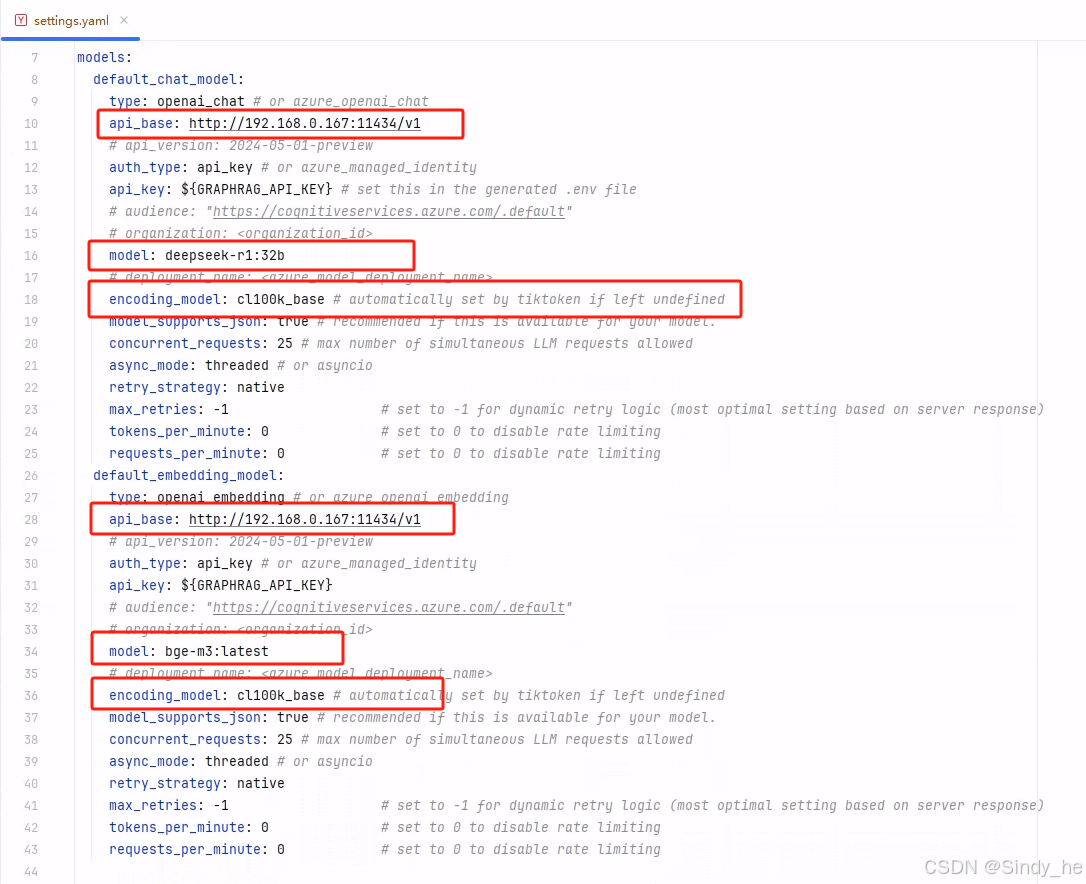
- 模型设置:使用Ollama本地模型
注意修改一下圈出的几个地方
测试小文件时,建议把chunks改小:
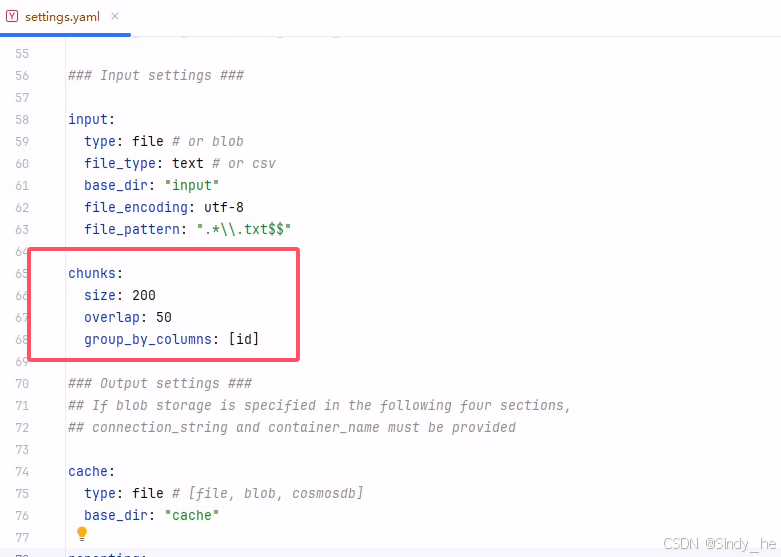
修改结果如下:
  ### This config file contains required core defaults that must be set, along with a handful of common optional settings.
  ### For a full list of available settings, see https://microsoft.github.io/graphrag/config/yaml/

  ### LLM settings ###
  ## There are a number of settings to tune the threading and token limits for LLM calls - check the docs.

  models:
    default_chat_model:
      type: openai_chat # or azure_openai_chat
      api_base: http://192.168.0.167:11434/v1
      # api_version: 2024-05-01-preview
      auth_type: api_key # or azure_managed_identity
      api_key: ${GRAPHRAG_API_KEY} # set this in the generated .env file
      # audience: "https://cognitiveservices.azure.com/.default"
      # organization: <organization_id>
      model: deepseek-r1:32b
      # deployment_name: <azure_model_deployment_name>
      encoding_model: cl100k_base # automatically set by tiktoken if left undefined
      model_supports_json: true # recommended if this is available for your model.
      concurrent_requests: 25 # max number of simultaneous LLM requests allowed
      async_mode: threaded # or asyncio
      retry_strategy: native
      max_retries: -1                   # set to -1 for dynamic retry logic (most optimal setting based on server response)
      tokens_per_minute: 0              # set to 0 to disable rate limiting
      requests_per_minute: 0            # set to 0 to disable rate limiting
    default_embedding_model:
      type: openai_embedding # or azure_openai_embedding
      api_base: http://192.168.0.167:11434/v1
      # api_version: 2024-05-01-preview
      auth_type: api_key # or azure_managed_identity
      api_key: ${GRAPHRAG_API_KEY}
      # audience: "https://cognitiveservices.azure.com/.default"
      # organization: <organization_id>
      model: bge-m3:latest
      # deployment_name: <azure_model_deployment_name>
      encoding_model: cl100k_base # automatically set by tiktoken if left undefined
      model_supports_json: true # recommended if this is available for your model.
      concurrent_requests: 25 # max number of simultaneous LLM requests allowed
      async_mode: threaded # or asyncio
      retry_strategy: native
      max_retries: -1                   # set to -1 for dynamic retry logic (most optimal setting based on server response)
      tokens_per_minute: 0              # set to 0 to disable rate limiting
      requests_per_minute: 0            # set to 0 to disable rate limiting

  vector_store:
    default_vector_store:
      type: lancedb
      db_uri: output\lancedb
      container_name: default
      overwrite: True

  embed_text:
    model_id: default_embedding_model
    vector_store_id: default_vector_store

  ### Input settings ###

  input:
    type: file # or blob
    file_type: text # or csv
    base_dir: "input"
    file_encoding: utf-8
    file_pattern: ".*\\.txt$$"

  chunks:
    size: 200
    overlap: 50
    group_by_columns: [id]

  ### Output settings ###
  ## If blob storage is specified in the following four sections,
  ## connection_string and container_name must be provided

  cache:
    type: file # [file, blob, cosmosdb]
    base_dir: "cache"

  reporting:
    type: file # [file, blob, cosmosdb]
    base_dir: "logs"

  output:
    type: file # [file, blob, cosmosdb]
    base_dir: "output"

  ### Workflow settings ###

  extract_graph:
    model_id: default_chat_model
    prompt: "prompts/extract_graph.txt"
    entity_types: [organization,person,geo,event]
    max_gleanings: 1

  summarize_descriptions:
    model_id: default_chat_model
    prompt: "prompts/summarize_descriptions.txt"
    max_length: 500

  extract_graph_nlp:
    text_analyzer:
      extractor_type: regex_english # [regex_english, syntactic_parser, cfg]

  extract_claims:
    enabled: false
    model_id: default_chat_model
    prompt: "prompts/extract_claims.txt"
    description: "Any claims or facts that could be relevant to information discovery."
    max_gleanings: 1

  community_reports:
    model_id: default_chat_model
    graph_prompt: "prompts/community_report_graph.txt"
    text_prompt: "prompts/community_report_text.txt"
    max_length: 2000
    max_input_length: 8000

  cluster_graph:
    max_cluster_size: 10

  embed_graph:
    enabled: false # if true, will generate node2vec embeddings for nodes

  umap:
    enabled: false # if true, will generate UMAP embeddings for nodes (embed_graph must also be enabled)

  snapshots:
    graphml: false
    embeddings: false

  ### Query settings ###
  ## The prompt locations are required here, but each search method has a number of optional knobs that can be tuned.
  ## See the config docs: https://microsoft.github.io/graphrag/config/yaml/#query

  local_search:
    chat_model_id: default_chat_model
    embedding_model_id: default_embedding_model
    prompt: "prompts/local_search_system_prompt.txt"

  global_search:
    chat_model_id: default_chat_model
    map_prompt: "prompts/global_search_map_system_prompt.txt"
    reduce_prompt: "prompts/global_search_reduce_system_prompt.txt"
    knowledge_prompt: "prompts/global_search_knowledge_system_prompt.txt"

  drift_search:
    chat_model_id: default_chat_model
    embedding_model_id: default_embedding_model
    prompt: "prompts/drift_search_system_prompt.txt"
    reduce_prompt: "prompts/drift_search_reduce_prompt.txt"

  basic_search:
    chat_model_id: default_chat_model
    embedding_model_id: default_embedding_model
    prompt: "prompts/basic_search_system_prompt.txt"
四、构建知识图谱
执行索引命令(算力警告:亲测4090-24G显卡处理2万字需3小时):
python -m graphrag index --root ./graphrag_ollama五、知识图谱查询
支持多种查询方式,按需选择:
*
| 方法 | 命令示例 | 用途 |
|---|---|---|
| 全局查询 | python -m graphrag query --method global --query "知识图谱定义" |
跨文档综合分析 |
| 局部查询 | python -m graphrag query --method local --query "知识图谱定义" |
单文档精准检索 |
| DRIFT查询 | python -m graphrag query --method drift --query "知识图谱定义" |
动态漂移分析 |
| 基础查询 | python -m graphrag query --method basic --query "知识图谱定义" |
传统RAG检索 |
六、注意事项
-
模型路径 :确保Ollama服务已启动,且模型名称与配置一致(如
deepseek-r1:32b需提前拉取)。 -
算力需求:小规模数据集建议使用GPU加速,CPU模式耗时可能成倍增加。
-
文件编码:输入文档需为UTF-8编码,否则可能报错。
-
配置备份 :修改
settings.yaml前建议备份原始文件。
七、总结
GraphRAG 2.0.0大幅优化了知识图谱的构建效率,结合本地模型可实现隐私安全的行业级应用。若遇到部署问题,欢迎在评论区留言交流!
相关资源:
原创声明:本文为作者原创,未经授权禁止转载。如需引用请联系作者。
点赞关注,技术不迷路! 👍
你的支持是我更新的最大动力! ⚡