有序二叉树(二叉排序树)是数据结构中极具实用性的树形结构,其「左小右大」的核心特性让插入、查找、遍历操作具备高效性。
一、二叉排序树的定义
二叉排序树的核心规则:
- 任意节点的左子树中,所有节点值 小于 该节点值;
- 任意节点的右子树中,所有节点值 大于 该节点值;
- 左右子树也必须是二叉排序树。
二、节点类的构建
java
package com.qcby.Tree;

/**
 * 二叉树节点类
 * 存储节点数据、左子节点、右子节点引用
 */
public class TreeNode {
    public TreeNode lChild;  // 左子节点
    public TreeNode rChild;  // 右子节点
    public Integer data;     // 节点存储的数据

    // 构造方法:初始化节点数据
    public TreeNode(Integer data) {
        this.data = data;
    }
}
三、二叉排序树的构建
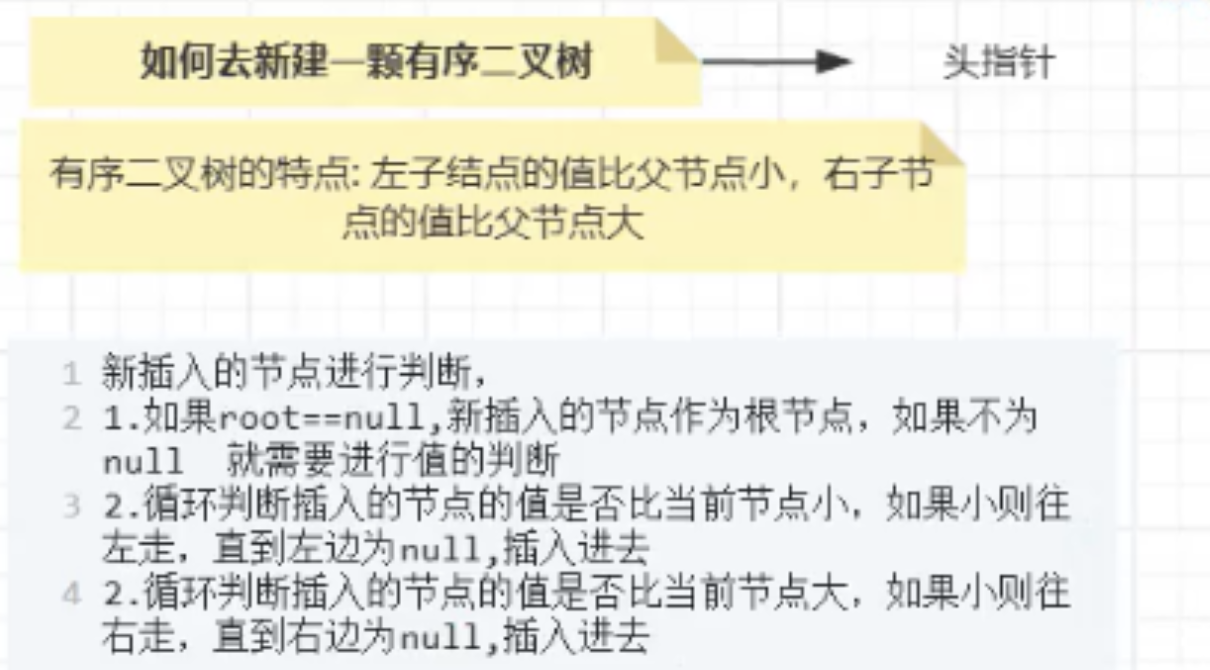
3.1 插入逻辑拆解
- 若树为空(根节点为 null),新节点直接作为根节点;
- 若树非空,从根节点开始循环遍历:
- 新节点值 > 当前节点值:向右子树查找,直到右子节点为 null,插入新节点;
- 新节点值 ≤ 当前节点值:向左子树查找,直到左子节点为 null,插入新节点。
3.2 构建代码实现
java
package com.qcby.Tree;

import java.util.LinkedList;

/**
 * 有序二叉树核心类
 * 包含构建、遍历、查找核心方法
 */
public class BinaryTree {
    // 二叉树根节点,初始为空
    TreeNode root;

    /**
     * 插入节点,构建有序二叉树
     * @param value 要插入的节点值
     */
    public void insert(Integer value) {
        // 1. 创建新节点
        TreeNode newNode = new TreeNode(value);

        // 2. 空树直接设为根节点
        if (root == null) {
            root = newNode;
            return;
        }

        // 3. 非空树:从根节点开始找插入位置
        TreeNode current = root;
        while (true) {
            // 新节点值大于当前节点 → 走右子树
            if (newNode.data > current.data) {
                if (current.rChild == null) {
                    current.rChild = newNode;
                    return;
                }
                current = current.rChild;
            } else {
                // 新节点值小于等于当前节点 → 走左子树
                if (current.lChild == null) {
                    current.lChild = newNode;
                    return;
                }
                current = current.lChild;
            }
        }
    }

    // 后续遍历、查找方法将在此类中补充
}
四、二叉排序树的遍历算法
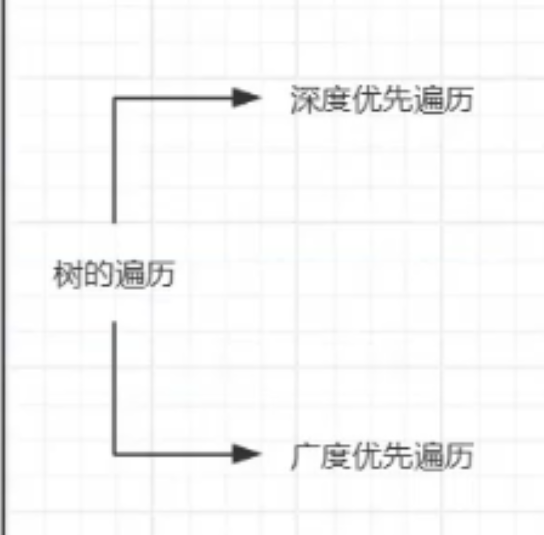
遍历是访问二叉树所有节点的方式,分为深度优先遍历 (先序、中序、后序)和广度优先遍历(层次遍历),两种方式适用于不同场景。
4.1 深度优先遍历(递归实现)
深度优先遍历的核心是「先深入子树,再回溯」,通过递归实现极为简洁,三种遍历的区别仅在于访问根节点的时机。
4.1.1 先序遍历(根 → 左 → 右)
逻辑:先访问当前节点 → 递归遍历左子树 → 递归遍历右子树;
特点:先拿到根节点,适合快速获取树的「根优先」结构。
java
/**
 * 先序遍历(深度优先)
 * @param node 遍历的起始节点(通常传根节点)
 */
public void preOrder(TreeNode node) {
    // 递归终止条件:节点为空
    if (node == null) {
        return;
    }
    System.out.print(node.data + " ");  // 1. 访问当前节点
    preOrder(node.lChild);              // 2. 遍历左子树
    preOrder(node.rChild);              // 3. 遍历右子树
}
4.1.2 中序遍历(左 → 根 → 右)
逻辑:递归遍历左子树 → 访问当前节点 → 递归遍历右子树;
特点:有序二叉树的中序遍历结果为升序序列,是有序二叉树最常用的遍历方式。
java
/**
 * 中序遍历(深度优先)
 * @param node 遍历的起始节点(通常传根节点)
 */
public void inOrder(TreeNode node) {
    if (node == null) {
        return;
    }
    inOrder(node.lChild);               // 1. 遍历左子树
    System.out.print(node.data + " ");  // 2. 访问当前节点
    inOrder(node.rChild);               // 3. 遍历右子树
}
4.1.3 后序遍历(左 → 右 → 根)
逻辑:递归遍历左子树 → 递归遍历右子树 → 访问当前节点;
特点:最后访问根节点,适合「先处理子节点,再处理父节点」的场景(如删除节点)。
java
/**
 * 后序遍历(深度优先)
 * @param node 遍历的起始节点(通常传根节点)
 */
public void postOrder(TreeNode node) {
    if (node == null) {
        return;
    }
    postOrder(node.lChild);             // 1. 遍历左子树
    postOrder(node.rChild);             // 2. 遍历右子树
    System.out.print(node.data + " ");  // 3. 访问当前节点
}
4.2 广度优先遍历(层次遍历)
广度优先遍历(层次遍历)的核心是「按层访问」,从根节点开始,依次访问每一层的所有节点,依赖队列实现(先进先出特性)。
4.2.1 层次遍历逻辑
- 创建队列,将根节点入队;
- 循环取出队首节点,访问该节点;
- 将该节点的左、右子节点依次入队(若存在);
- 直到队列为空,遍历完成。
4.2.2 层次遍历代码实现
java
/**
 * 层次遍历(广度优先)
 * @param node 遍历的起始节点(通常传根节点)
 */
public void levelOrder(TreeNode node) {
    if (node == null) {
        return;
    }
    // 1. 创建队列存储待访问的节点
    LinkedList<TreeNode> queue = new LinkedList<>();
    queue.add(node);

    // 2. 循环处理队列中的节点
    while (!queue.isEmpty()) {
        // 取出队首节点并访问
        TreeNode current = queue.pop();
        System.out.print(current.data + " ");

        // 左子节点入队(若存在)
        if (current.lChild != null) {
            queue.add(current.lChild);
        }
        // 右子节点入队(若存在)
        if (current.rChild != null) {
            queue.add(current.rChild);
        }
    }
}
五、二叉排序树的查找算法
基于有序二叉树「左小右大」的特性,查找节点的效率远高于无序二叉树(理想时间复杂度 O (logn))。
5.1 迭代法查找(循环实现)
5.1.1 查找逻辑拆解
- 从根节点开始遍历;
- 若当前节点值等于目标值,返回该节点;
- 若目标值 < 当前节点值,向左子树继续查找;
- 若目标值 > 当前节点值,向右子树继续查找;
- 若遍历到空节点仍未找到,返回 null。
5.1.2 迭代法代码实现
java
/**
 * 迭代法查找指定值的节点
 * @param root 查找的起始节点(通常传根节点)
 * @param data 要查找的节点值
 * @return 找到的节点(未找到返回null)
 */
public TreeNode find(TreeNode root, Integer data) {
    TreeNode current = root;
    // 循环查找,直到节点为空或找到目标
    while (current != null) {
        if (current.data.equals(data)) {
            return current;  // 找到目标节点,返回
        }
        // 目标值更小 → 走左子树
        if (data < current.data) {
            current = current.lChild;
        } else {
            // 目标值更大 → 走右子树
            current = current.rChild;
        }
    }
    return null;  // 未找到
}
5.2 递归法查找
5.2.1 查找逻辑拆解
- 递归终止条件:当前节点为 null(未找到)或当前节点值等于目标值(找到);
- 若目标值 < 当前节点值,递归查找左子树;
- 若目标值 > 当前节点值,递归查找右子树。
5.2.2 递归法代码实现
java
/**
 * 递归法查找指定值的节点
 * @param root 查找的起始节点(通常传根节点)
 * @param data 要查找的节点值
 * @return 找到的节点(未找到返回null)
 */

public TreeNode find(TreeNode root,Integer data){
        TreeNode current = root;
        // 递归终止条件1:节点为空,未找到
        if(current.data==null){
            return null;
        }
        // 递归终止条件2:找到目标节点
        if(current.data==data){
            return current;
        }
        // 目标值更小 → 递归查找左子树
        if(current.data< data){
            return find(current.rChild,data);
        }
        else{
            // 目标值更大 → 递归查找右子树
            return find(current.lChild,data);
        }
    }
六、完整测试:验证所有功能
编写测试类,验证二叉树的构建、遍历、查找功能是否正常:
java
package com.qcby.Tree;
/**
 * 有序二叉树测试类
 */
public class Test {
    public static void main(String[] args) {
        // 1.创建二叉树实例
        BinaryTree tree = new BinaryTree();
        // 2. 插入节点构建有序二叉树
        bt.create(5);
        bt.create(3);
        bt.create(7);
        bt.create(0);
        bt.create(4);
        bt.create(6);
        bt.create(9);
        // 3. 测试深度优先遍历
        System.out.println("=== 深度优先遍历 ===");
        System.out.print("先序遍历:");
        System.out.println(tree.beforeOrder(tree.root));  // 输出:5 3 0 4 7 6 9


        System.out.print("中序遍历:");
        System.out.println(tree.inOrder(tree.root)); // 输出:0 3 4 5 6 7 9(升序)


        System.out.print("后序遍历:");
        System.out.println(tree.afterOrder(tree.root)); // 输出:0 4 3 6 9 7 5


        // 4. 测试广度优先遍历
        System.out.println("\n=== 广度优先遍历 ===");
        System.out.print("层次遍历:");
        System.out.println(tree.levelOrder(tree.root)); // 输出:5 3 7 0 4 6 9

        // 5. 测试节点查找
        System.out.println("\n=== 节点查找 ===");
        TreeNode target = tree.find(tree.root, 9);
        if (target != null) {
            System.out.println("找到节点:" + target.data); // 输出:找到节点:9
        } else {
            System.out.println("未找到指定节点");
        }

        TreeNode notFound = tree.find(tree.root, 10);
        if (notFound == null) {
            System.out.println("未找到节点:10"); // 输出:未找到节点:10
        }

    }
}