逆向某气骑士 - 绕过某讯的防御dump内存分析
书接上回本文章主要参考了:
https://www.52pojie.cn/thread-1844587-1-1.html
https://www.52pojie.cn/thread-1842883-1-1.html
https://www.bilibili.com/read/cv25143217/?opus_fallback=1
https://reimu.moe/2024/06/09/IL2Cpp-String-Literals/
前言
在我发布上一个帖子的12小时后,看到了一个大哥的评论

然后我突发奇想,是不是版本不对,虽然里面写的是18,但是会不会应该是1F,于是开始修改,没想到真的通了
修复后分析
修改版本号:
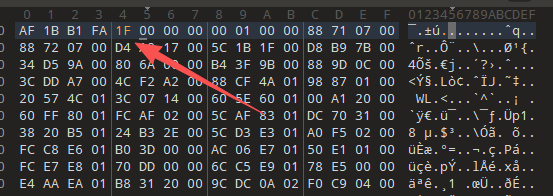
然后放到il2cppdumper中,得到最终数据,哈!真出来了
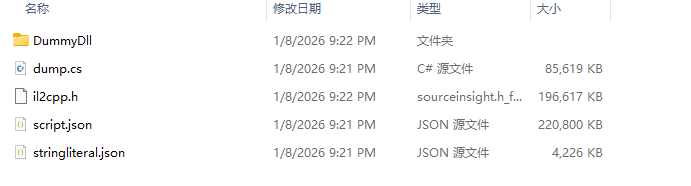
首先需要用sofix修复so文件:https://github.com/Chenyangming9/SoFixer#
然后使用IDA打开修复后的so文件(新版某气骑士文件很大,分析起来要花很长时间),使用File -Script File,选择ida_py3.py(il2cppdumper安装包中自带的那个),选择分析出的stringliteral.json
之后选择 ida_with_struct_py3.py,分析script.json和il2cpp.h
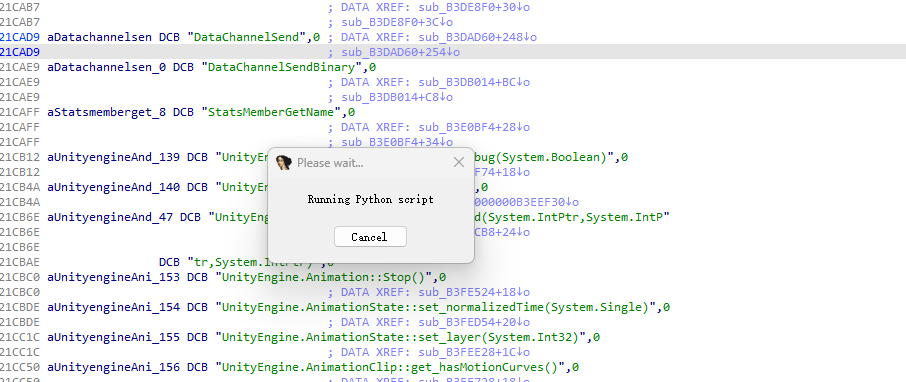
分析完成了!!!
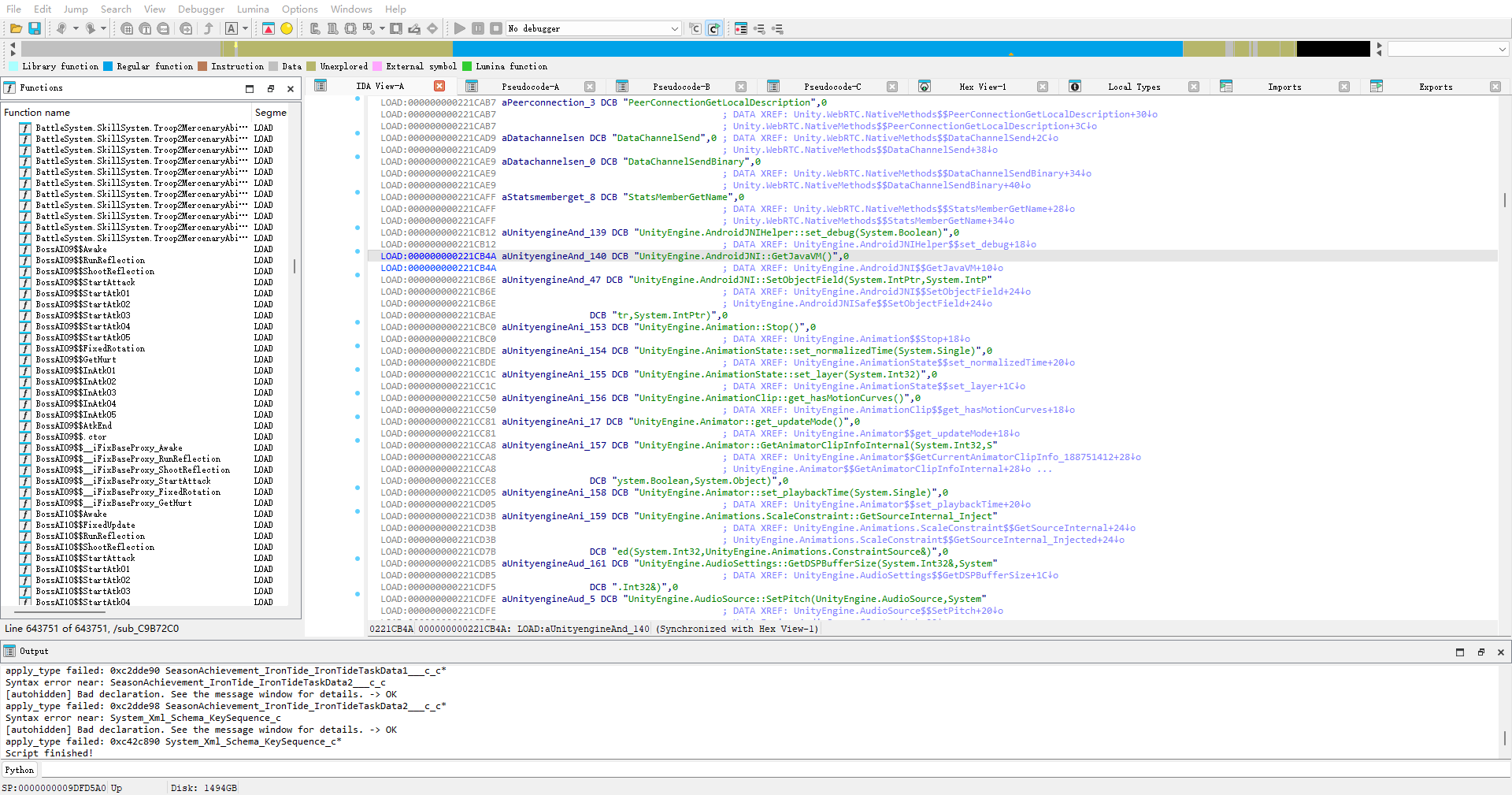
既然已经分析完成了,那就搞点事情干,直接分析解密的存档的方式:
可以通过查看包内文件的方式找到实际的存档文件,这次就以game.data为例进行分析
分析存档
首先找到game.data
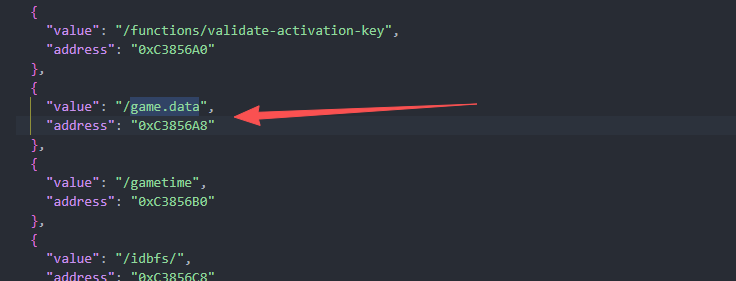
然后再IDA中按G ,输入地址后跳跃到对应的位置,之后在对应位置右键查询 List cross references to...
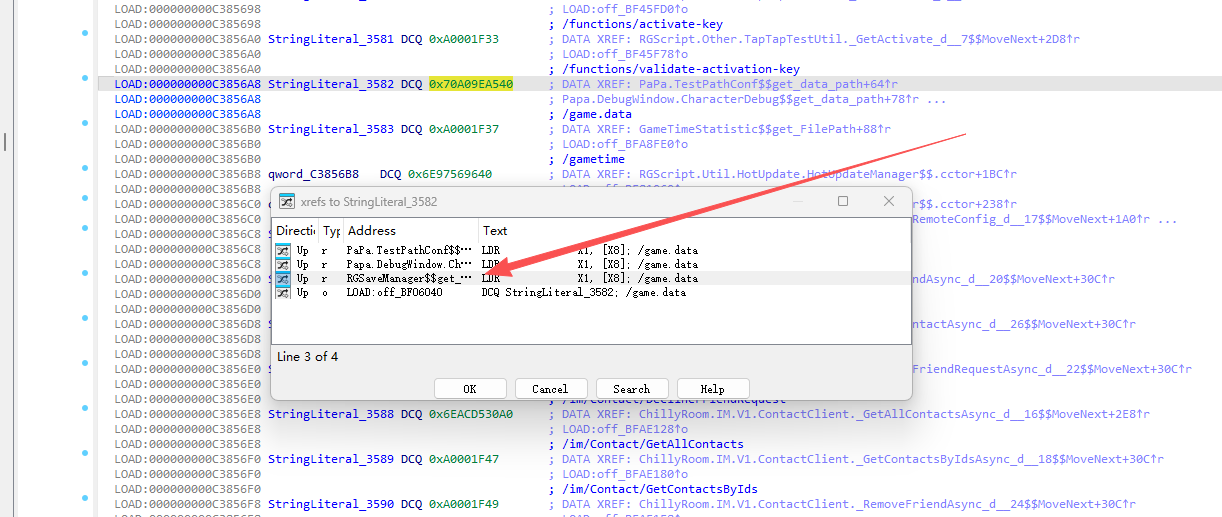
看名字就知道这是个存档的地方,然后分析这个函数:
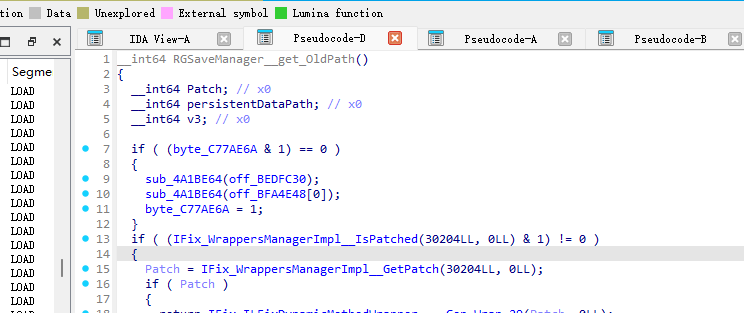
看看是谁调用的这个函数:
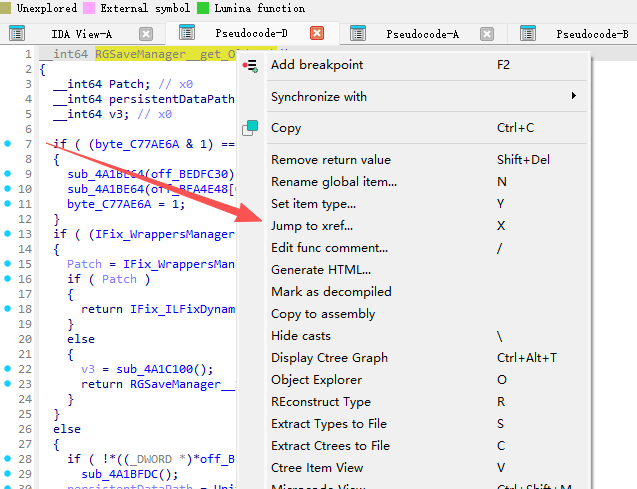
可以跳转到了LoadGameData,然后分析可以找到加密函数:
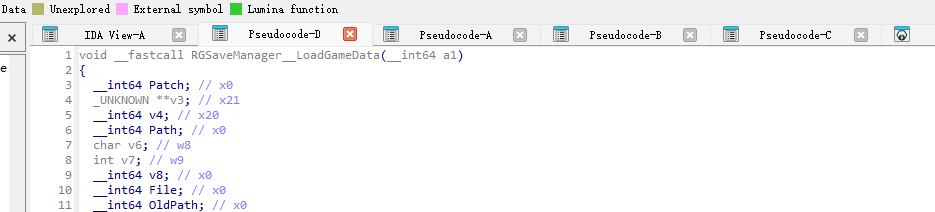
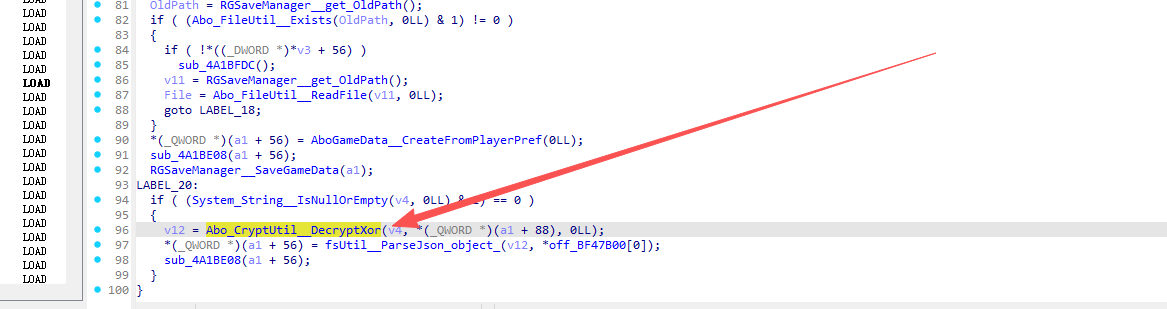
进去看看:
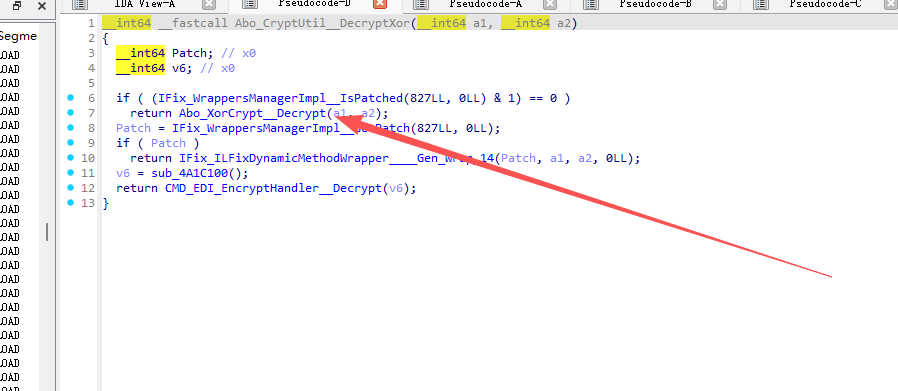
接着跟,这个代码就是最新版元气骑士的解密算法:
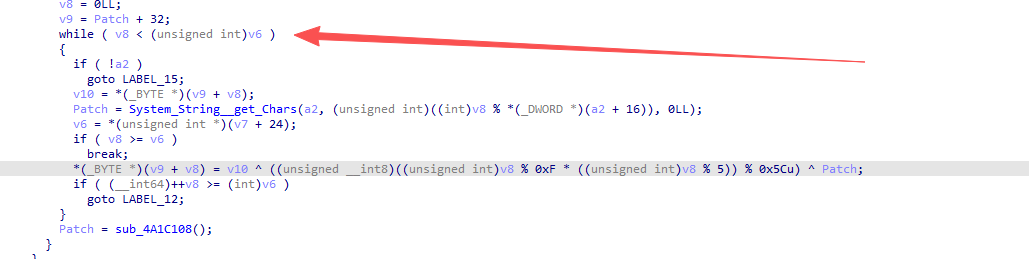
使用python简单复现一下:
python
def xor_crypt(data: bytes, password: str) -> bytes:
    result = bytearray(data)
    pwd_len = len(password)
    for i in range(len(result)):
        pc = ord(password[i % pwd_len])
        t = ((i % 15) * (i % 5)) % 92
        result[i] = result[i] ^ pc ^ t
return bytes(result)然后为了解密这个data,有一个简单的密码学方法,就是爆破,因为我们已经知道了加密算法,其次json格式的前两位是**{和"**。
通过这个我们可以爆破,爆破也是有技巧的,首先这是一个简单的xor加密,也就是说,如果尝试的密码和真实密码很相近,那么json格式中出现下列字符的数量会越多
python
patterns=[b'{"', b'":', b',"', b'"}', b':[', b']}']根据这个特性可以辅助我们选定密钥的长度,然后根据长度进行爆破
使用AI写一个爆破的脚本:
python
# -*- coding: utf-8 -*-
import json
from collections import defaultdict


def xor_crypt(data: bytes, password: str) -> bytes:
    result = bytearray(data)
    pwd_len = len(password)
    for i in range(len(result)):
        pc = ord(password[i % pwd_len])
        t = ((i % 15) * (i % 5)) % 92  # 修正括号
        result[i] = result[i] ^ pc ^ t
    return bytes(result)


def crack_by_your_idea(ciphertext: bytes, max_pwd_len: int = 50):
    """破解XOR密码"""
    cipher_bytes = bytearray(ciphertext)

    # JSON 常见的重复模式
    patterns = [b'{"', b'":', b',"', b'"}', b':[', b']}']

    candidates = {}

    for pattern in patterns:
        pattern_bytes = list(pattern)

        # 对每个密码长度
        for pwd_len in range(1, max_pwd_len + 1):
            votes = [defaultdict(int) for _ in range(pwd_len)]

            # 扫描密文的每个位置
            for start_pos in range(len(cipher_bytes) - len(pattern_bytes) + 1):
                temp_pwd = {}
                conflict = False

                for i, plain_byte in enumerate(pattern_bytes):
                    pos = start_pos + i
                    t = ((pos % 15) * (pos % 5)) % 92  # 修正括号
                    recovered = cipher_bytes[pos] ^ t ^ plain_byte

                    # 必须是可打印字符
                    if not (32 <= recovered < 127):
                        conflict = True
                        break

                    pwd_idx = pos % pwd_len

                    if pwd_idx in temp_pwd:
                        if temp_pwd[pwd_idx] != recovered:
                            conflict = True
                            break
                    else:
                        temp_pwd[pwd_idx] = recovered

                if not conflict:
                    for pwd_idx, byte_val in temp_pwd.items():
                        votes[pwd_idx][byte_val] += 1

            # 构建密码
            password = bytearray(pwd_len)
            min_votes = float('inf')

            for i in range(pwd_len):
                if not votes[i]:
                    password = None
                    break
                most_common = max(votes[i].items(), key=lambda x: x[1])
                password[i] = most_common[0]
                min_votes = min(min_votes, most_common[1])

            if password and min_votes >= 2:
                try:
                    pwd_str = password.decode('utf-8')
                    if pwd_str not in candidates or min_votes > candidates[pwd_str][1]:
                        candidates[pwd_str] = (pattern.decode('utf-8'), min_votes)
                except:
                    pass

    return sorted(candidates.items(), key=lambda x: -x[1][1])


# 主破解流程
if __name__ == "__main__":
    # 二进制模式读取
    with open("game.data", "rb") as f:
        ciphertext = f.read()

    print(f"密文长度: {len(ciphertext)} 字节")
    print("="*60)

    results = crack_by_your_idea(ciphertext, max_pwd_len=50)

    print(f"找到 {len(results)} 个候选密码\n")

    for pwd, (pattern, votes) in results[:20]:
        print(f"密码: '{pwd}' (长度={len(pwd)}, 票数={votes}, 模式='{pattern}')")

        try:
            result = xor_crypt(ciphertext, pwd)
            result_str = result.decode('utf-8', errors='replace')

            json.loads(result_str)

            print(f"  ✓✓ 成功!这是有效的 JSON!")
            print(f"  预览: {result_str[:200]}...")

            # 二进制模式保存
            with open("output.txt", "wb") as f:
                f.write(result)
            print(f"  已保存到 output.txt\n")
            break

        except json.JSONDecodeError as e2:
            print(f"  ✗ 不是有效 JSON: {e2}")
        except Exception as e:
            print(f"  ✗ 错误: {e}")
然后就可以得到输出的结果,成果破解出来了某气骑士的密码:
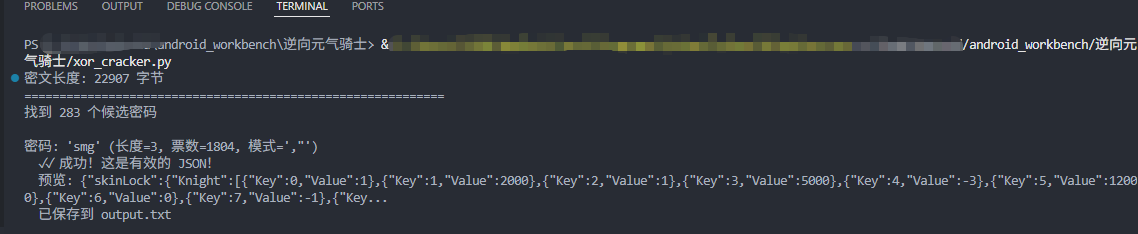
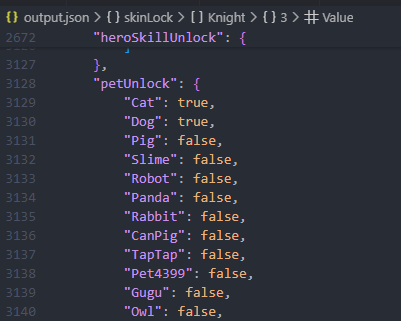
可以看到里面有很多宠物解锁和技能解锁相关的数据: