文章目录
- 容器适配器深度解析:从STL的stack、queue到优先队列的底层实现
-
- [1. 栈的介绍和使用](#1. 栈的介绍和使用)
- [2. 队列的介绍和使用](#2. 队列的介绍和使用)
-
- [2.1 队列的介绍](#2.1 队列的介绍)
- [2.2 queue的使用](#2.2 queue的使用)
- [2.3 queue的模拟实现](#2.3 queue的模拟实现)
- [3. 优先队列的介绍和使用](#3. 优先队列的介绍和使用)
-
- [3.1 priority_queue的介绍](#3.1 priority_queue的介绍)
- [3.2 priority_queue的使用](#3.2 priority_queue的使用)
- [3.3 priority_queue的模拟实现](#3.3 priority_queue的模拟实现)
- [4. 容器适配器](#4. 容器适配器)
-
- [4.1 什么是适配器](#4.1 什么是适配器)
- [4.2 STL标准库中stack和queue的底层结构](#4.2 STL标准库中stack和queue的底层结构)
- [4.3 deque的简单介绍](#4.3 deque的简单介绍)
-
- [4.3.1 deque的原理介绍](#4.3.1 deque的原理介绍)
- [4.3.2 deque的缺陷](#4.3.2 deque的缺陷)
- [4.4 为什么选择deque作为stack和queue的底层默认容器](#4.4 为什么选择deque作为stack和queue的底层默认容器)
- [4.5 容器适配器设计的关键点](#4.5 容器适配器设计的关键点)
- 总结
容器适配器深度解析:从STL的stack、queue到优先队列的底层实现
1. 栈的介绍和使用
1.1 栈的介绍
栈(stack)是一种后进先出(LIFO)的数据结构,它允许在一端进行插入和删除操作。在C++ STL中,stack是一个容器适配器,提供了一组特定的成员函数来访问其元素。
1.2 栈的使用
| 函数 | 接口说明 |
|---|---|
| stack() | 构造空的栈 |
| empty() | 检测stack是否为空 |
| size() | 返回stack中元素的个数 |
| top() | 返回栈顶元素的引用 |
| push() | 将元素val压入stack中 |
| pop() | 将stack中尾部的元素弹出 |
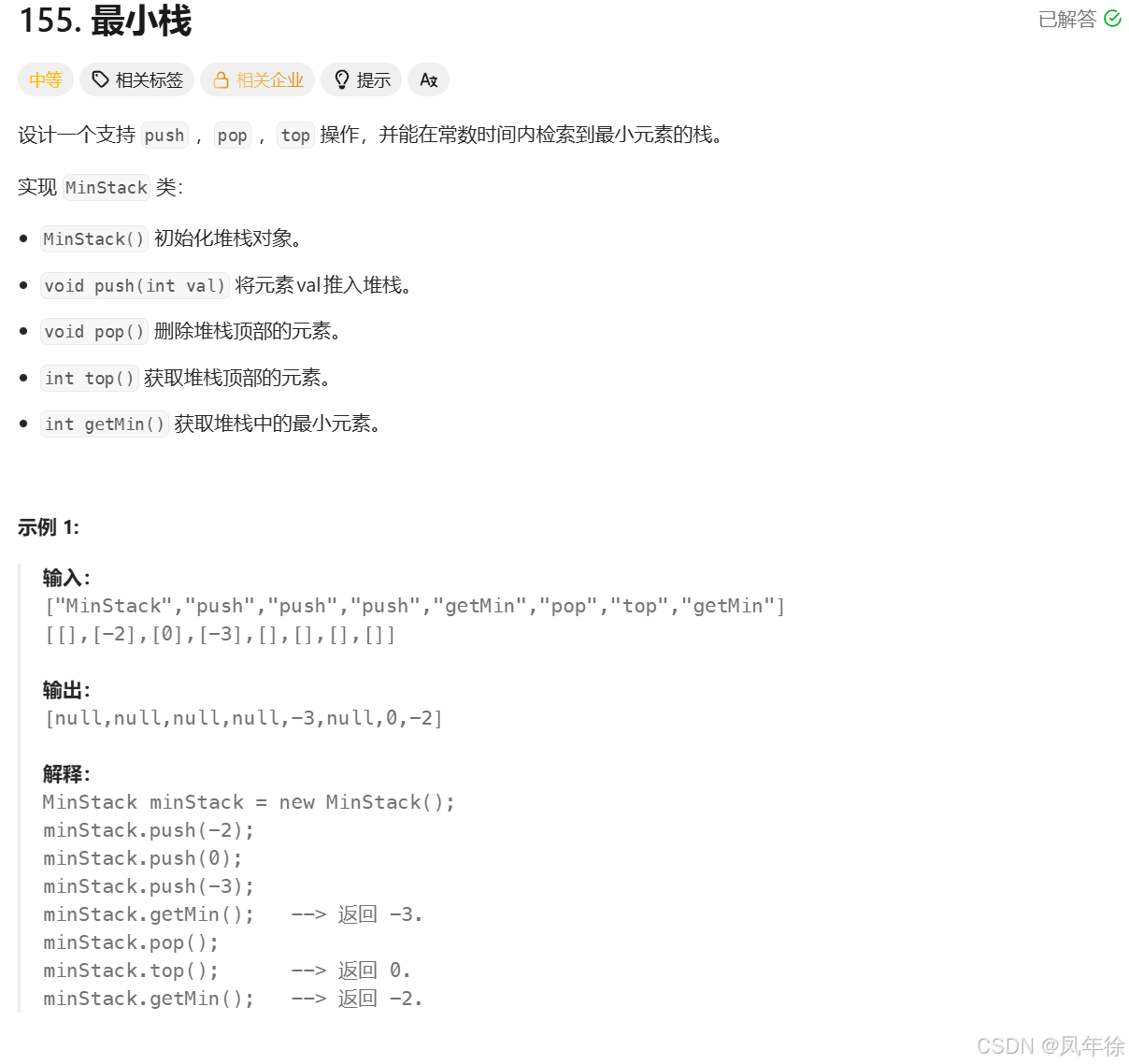
最小栈实现
最小栈能够在O(1)时间内获取栈中的最小元素。
cpp
class MinStack {
public:
    void push(int x) {
        // 压栈时,先将元素保存到_elem
        _elem.push(x);
        // 如果x小于_min中栈顶的元素,将x再压入_min中
        if(_min.empty() || x <= _min.top())
            _min.push(x);
    }

    void pop() {
        // 如果_min栈顶的元素等于出栈的元素,_min顶的元素要移除
        if(_min.top() == _elem.top())
            _min.pop();
        _elem.pop();
    }

    int top() { return _elem.top(); }
    int getMin() { return _min.top(); }

private:
    std::stack<int> _elem;    // 保存栈中的元素
    std::stack<int> _min;     // 保存栈的最小值
};
栈的弹出压入序列
验证一个序列是否是栈的弹出序列。
cpp
class MinStack {
public:
    MinStack() {

    }

    void push(int val) {
        st.push(val);
        if(minst.empty()||minst.top()>=val)
        {
            minst.push(val);
        }
    }

    void pop() {
        if(st.top()==minst.top())
        {
            minst.pop();
        }

        st.pop();
    }

    int top() {
        return st.top();
    }

    int getMin() {
        return minst.top();

    }

private:
    stack<int> st;
    stack<int> minst;
};
逆波兰表达式求值
cpp
class Solution {
public:
    int evalRPN(vector<string>& tokens) {
        stack<int> s;
        for(size_t i = 0; i < tokens.size(); ++i) {
            string& str = tokens[i];
            // str为数字
            if(!("+" == str || "-" == str || "*" == str || "/" == str)) {
                s.push(atoi(str.c_str()));
            } else { // str为操作符
                int right = s.top();
                s.pop();
                int left = s.top();
                s.pop();

                switch(str[0]) {
                    case '+': s.push(left + right); break;
                    case '-': s.push(left - right); break;
                    case '*': s.push(left * right); break;
                    case '/': s.push(left / right); break;
                }
            }
        }
        return s.top();
    }
};
1.3 stack的模拟实现
以下是使用容器适配器模式实现的stack,支持自定义底层容器(默认使用deque):
cpp
#pragma once
#include<deque>

namespace bit
{
    // container适配器实现stack
    template<class T, class Container = deque<T>>
    class stack
    {
    public:
        void push(const T& x)
        {
            _con.push_back(x);
        }

        void pop()
        {
            _con.pop_back();
        }

        const T& top() const
        {
            return _con.back();
        }

        size_t size() const
        {
            return _con.size();
        }

        bool empty()
        {
            return _con.empty();
        }

    private:
        Container _con;
    };
}
2. 队列的介绍和使用
2.1 队列的介绍
队列是一种先进先出(FIFO)的数据结构,元素从队尾入队列,从队头出队列。在C++ STL中,queue是一个容器适配器。
queue的特点:
- 队列是一种容器适配器,专门用于在FIFO上下文(先进先出)中操作
- 元素从队尾入队列,从队头出队列
- 底层容器可以是deque或list,默认使用deque
2.2 queue的使用
| 函数声明 | 接口说明 |
|---|---|
| queue() | 构造空的队列 |
| empty() | 检测队列是否为空 |
| size() | 返回队列中有效元素的个数 |
| front() | 返回队头元素的引用 |
| back() | 返回队尾元素的引用 |
| push() | 在队尾将元素val入队列 |
| pop() | 将队头元素出队列 |
2.3 queue的模拟实现
使用容器适配器模式实现的queue,支持自定义底层容器:
cpp
#pragma once
#include<deque>

namespace bit
{
    template<class T, class Container = deque<T>>
    class queue
    {
    public:
        void push(const T& x)
        {
            _con.push_back(x);
        }

        void pop()
        {
            _con.pop_front();
        }

        const T& front() const
        {
            return _con.front();
        }

        const T& back() const
        {
            return _con.back();
        }

        size_t size() const
        {
            return _con.size();
        }

        bool empty()
        {
            return _con.empty();
        }

    private:
        Container _con;
    };
}
3. 优先队列的介绍和使用
3.1 priority_queue的介绍
优先队列是一种容器适配器,它的第一个元素总是它所包含的元素中最大的(默认大堆)。
priority_queue的特点:
- 第一个元素总是最大的(默认大堆)
- 类似于堆,可以随时插入元素,只能检索最大堆元素
- 默认使用vector作为底层容器
- 支持随机访问迭代器
3.2 priority_queue的使用
| 函数声明 | 接口说明 |
|---|---|
| priority_queue() | 构造一个空的优先级队列 |
| priority_queue(first, last) | 用迭代器范围构造优先级队列 |
| empty() | 检测优先级队列是否为空 |
| top() | 返回优先级队列中最大(最小)元素 |
| push(x) | 在优先级队列中插入元素x |
| pop() | 删除优先级队列中最大(最小)元素 |
使用示例:
cpp
#include<vector>
#include<queue>
#include<functional> // greater算法的头文件

void TestPriorityQueue() {
    // 默认情况下,创建的是大堆,其底层按照小于号比较
    vector<int> v{3,2,7,6,0,4,1,9,8,5};
    priority_queue<int> q1;
    for(auto& e : v)
        q1.push(e);
    cout << q1.top() << endl; // 输出9

    // 创建小堆,将第三个模板参数换成greater比较方式
    priority_queue<int, vector<int>, greater<int>> q2(v.begin(), v.end());
    cout << q2.top() << endl; // 输出0
}
注意:
- 默认情况下,priority_queue是大堆
- 如果要创建小堆,需要指定第三个模板参数为
greater<T> - 如果存放自定义类型,需要在自定义类型中提供
>或<的重载
3.3 priority_queue的模拟实现
以下是完整的优先队列模拟实现,包含大堆和小堆支持:
cpp
#pragma once
#include<vector>

namespace bit
{
    // 仿函数类:Less(升序/大堆)
    template<class T>
    class Less
    {
    public:
        bool operator()(const T& x, const T& y)
        {
            return x < y;
        }
    };

    // 仿函数类:Greater(降序/小堆)
    template<class T>
    class Greater
    {
    public:
        bool operator()(const T& x, const T& y)
        {
            return x > y;
        }
    };

    // 优先队列实现
    // 模板参数:
    // T - 元素类型
    // Container - 底层容器,默认vector<T>
    // Compare - 比较器,默认Less<T>(大堆)
    template<class T, class Container = vector<T>, class Compare = Less<T>>
    class priority_queue
    {
    public:
        // 向上调整(插入时使用)
        void AdjustUp(int child)
        {
            Compare com;
            size_t parent = (child - 1) / 2;
            while (child > 0)
            {
                // 使用仿函数进行比较
                if (com(_con[parent], _con[child]))
                {
                    swap(_con[child], _con[parent]);
                    child = parent;
                    parent = (child - 1) / 2;
                }
                else {
                    break;
                }
            }
        }

        // 向下调整(删除时使用)
        void AdjustDown(int parent)
        {
            int child = parent * 2 + 1;
            Compare com;

            while (child < _con.size())
            {
                // 找出较大(或较小)的孩子
                if(child + 1 < _con.size() && com(_con[child], _con[child + 1]))
                {
                    ++child;
                }

                // 如果父节点小于(或大于)孩子节点,交换
                if(com(_con[parent], _con[child]))
                {
                    swap(_con[child], _con[parent]);
                    parent = child;
                    child = parent * 2 + 1;
                }
                else {
                    break;
                }
            }
        }

        // 插入元素
        void push(const T& x)
        {
            _con.push_back(x);
            AdjustUp(_con.size() - 1);
        }

        // 删除堆顶元素
        void pop()
        {
            swap(_con[0], _con[_con.size() - 1]);
            _con.pop_back();
            AdjustDown(0);
        }

        // 获取堆顶元素
        const T& top()
        {
            return _con[0];
        }

        // 获取元素个数
        size_t size() const
        {
            return _con.size();
        }

        // 判断是否为空
        bool empty() const
        {
            return _con.empty();
        }

    private:
        Container _con;
    };
}
4. 容器适配器
4.1 什么是适配器
适配器是一种设计模式,将一个类的接口转换成客户希望的另外一个接口。
4.2 STL标准库中stack和queue的底层结构
stack和queue在STL中称为容器适配器,它们只是对其他容器的接口进行了包装。STL中stack和queue默认使用deque作为底层容器。
4.3 deque的简单介绍
4.3.1 deque的原理介绍
deque(双端队列)是一种双开口的"连续"空间的数据结构:
- 可以在头尾两端进行插入和删除操作,时间复杂度为O(1)
- 与vector比较,头插效率高,不需要搬移元素
- 与list比较,空间利用率比较高
deque并不是真正连续的空间,而是由一段段连续的小空间拼接而成的,实际类似于一个动态的二维数组。
4.3.2 deque的缺陷
- 不适合遍历,因为迭代器要频繁检测是否移动到小空间边界
- 在实际中,需要线性结构时,大多数情况下优先考虑vector和list
- deque的应用并不多,主要作为stack和queue的底层数据结构
4.4 为什么选择deque作为stack和queue的底层默认容器
- stack和queue不需要遍历(因此没有迭代器),只需要在固定的一端或两端操作
- 在stack中元素增长时,deque比vector的效率高(扩容时不需要搬移大量数据)
- queue中的元素增长时,deque不仅效率高,而且内存使用率高
4.5 容器适配器设计的关键点
从上面的模拟实现可以看出容器适配器的核心设计思想:
- 模板参数灵活性 :
- stack和queue都支持自定义底层容器
- priority_queue支持自定义比较器,实现大堆/小堆切换
- 接口统一性 :
- 所有适配器都提供push、pop、top/front/back、size、empty等标准接口
- 隐藏底层容器的具体实现细节
- 代码复用 :
- 通过组合已有的容器实现新功能
- 减少代码重复,提高开发效率
总结
栈、队列和优先队列是三种基础且重要的数据结构,在C++ STL中通过容器适配器的方式实现。理解它们的底层原理、使用场景和实现方式,对于提高编程能力和解决实际问题都有重要意义。
通过模拟实现这些数据结构,我们可以:
- 深入理解容器适配器设计模式
- 掌握仿函数在泛型编程中的应用
- 理解堆算法的实现原理
- 学会如何设计灵活的、可扩展的数据结构
在实际开发中,根据具体需求选择合适的数据结构:
- 需要后进先出操作时选择栈
- 需要先进先出操作时选择队列
- 需要快速获取最大/最小值时选择优先队列