目录
只有认知的突破 💫才能带来真正的成长 💫编程技术的学习 💫没有捷径 💫一起加油💫

🍁感谢各位的观看 🍁欢迎大家留言 🍁咱们一起加油 🍁努力成为更好的自己🍁
孤儿进程
概念:父进程比子进程先退出,而此时的子进程为孤儿进程。当子进程完成任务后,就会变为僵尸进程,就会有内存泄漏的风险,为了避免这种情况的发生,该孤儿进程会被1号(init/systemd)进程收养。
代码如下所示:
cpp
#include <stdio.h>
#include <unistd.h>
#include <stdlib.h>
int main()
{
    pid_t id = fork();
    if(id < 0){
    perror("fork");
    return 1;
    }
    else if(id == 0){//child
    printf("I am child, pid : %d\n", getpid());
    sleep(10);
    }else{//parent
    printf("I am parent, pid: %d\n", getpid());
    sleep(3);
    exit(0);
    }
    return 0;
}
进程优先级
进程的调度是有优先级之分的,不是随意调度的。输入ps -l指令便可查询更加详细的进程信息。如下所示:
-
UID:代表执行者的身份。
-
PID:代表这个进程的代号。
-
PPID:代表这个进程是由哪个进程发展衍生而来的,亦即父进程的代号。
-
PRI:代表这个进程可被执行的优先级,其值越小越早被执行。
-
NI:代表这个进程的 nice 值。它用来调节进程的优先级的。
并行和并发的概念
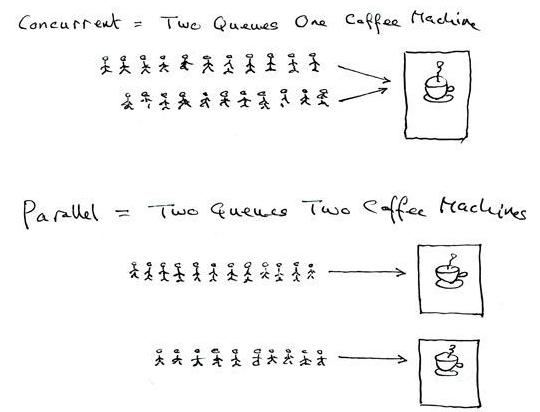
并发:一个队列对应一个CPU。(第一幅图)
并行:多个调度队列对应着多个CPU。(第二幅图)
如下图所示:
进程的切换
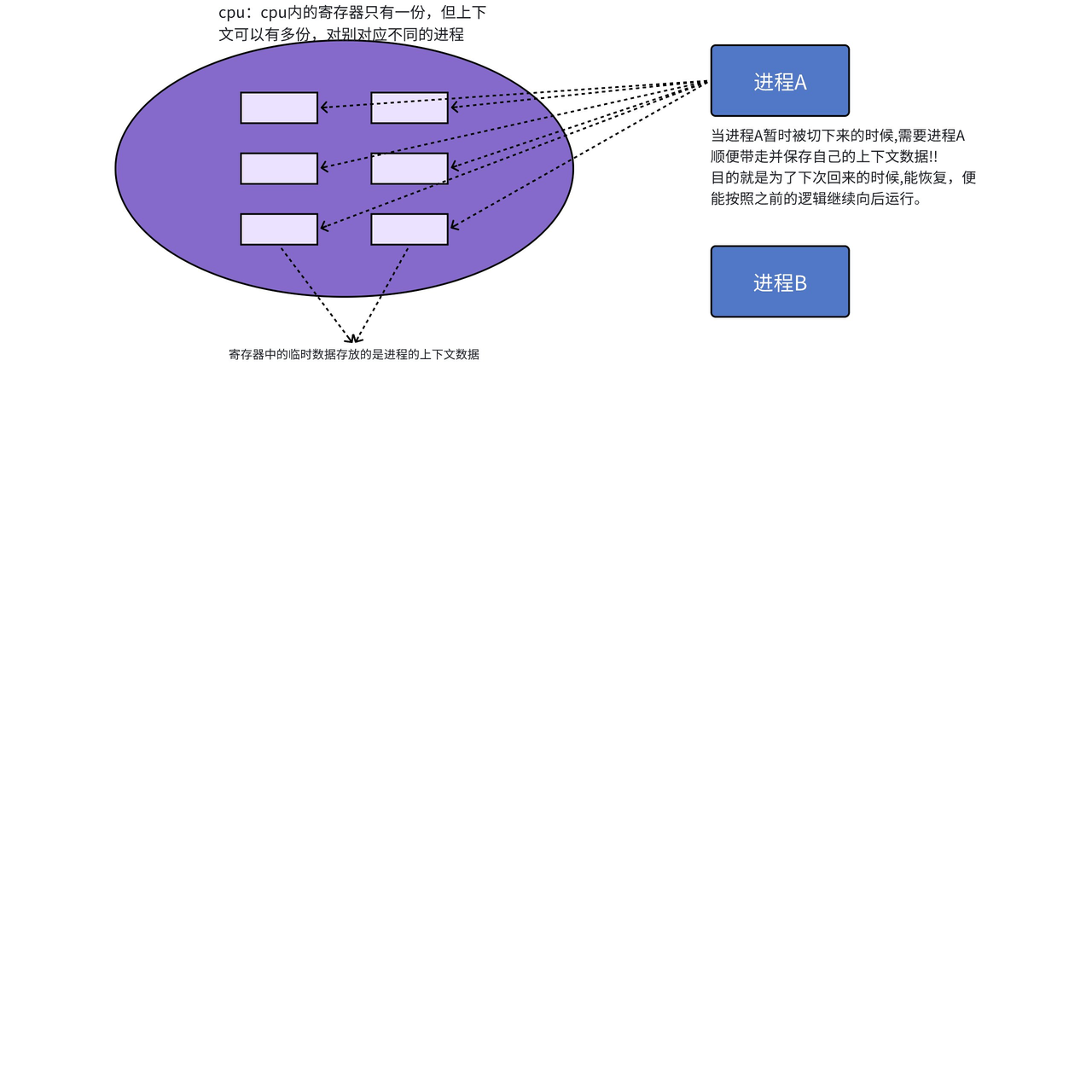
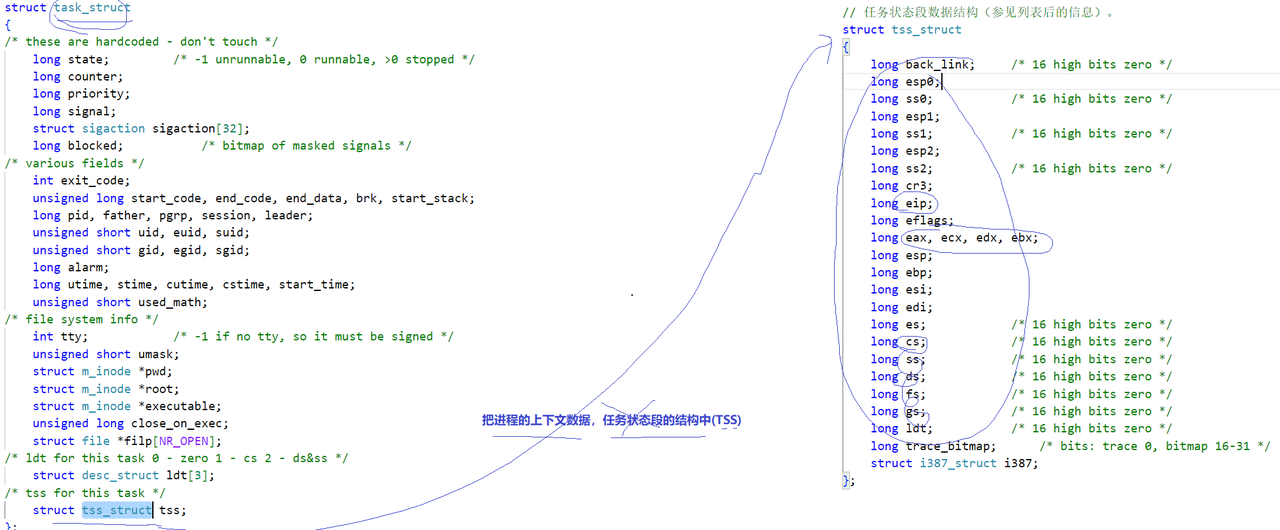
CPU上下文切换:在CPU内部有一套寄存器,这套寄存器存储着当前进程的执行信息(比如,代码执行到哪一步了)当该进程被切换掉的时候,该进程会"打包"自己的执行信息(上下文),给存储在自己的struct task_struct信息块里面,等再次被调度的执行的时候,就会把自己的上下文放在CPU这套寄存器里面,CPU就会接着上次的遗留继续执行。
如下所示的结构和内核代码:
大O(1)调度队列
一个CPU对应着一个调度队列------struct runqueue,其结构如下所示:
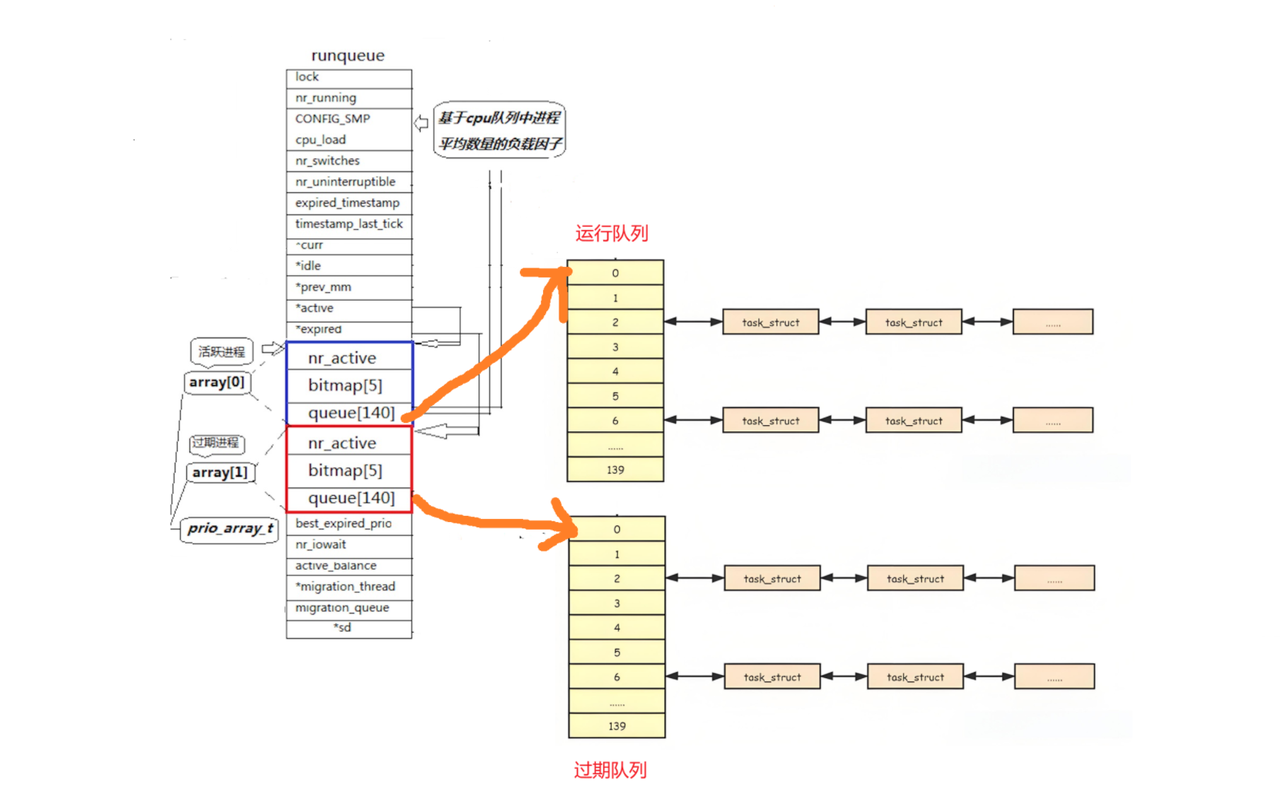
解释:
在这个调度队列(struct runqueue)中,有三个部分最重要,分别是:*active、*expired和arrays[2]。它们三个的类型都为struct prio_array{int nr_active;int bitmap[5];struct list_head}。*active这个指针指向arrays0/arrays1里面的内容,被*active指向的部分就是运行部分。*expired反之。queue140里面存放的是双链表,这个数组的下标就是对应的优先级,所以优先级相同的进程被纳入到对应的双链表队列中。所以OS就可以以O(1)的复杂度直接遍历这个数组就OK了,对于新建的进程和已经执行完的进程,会按照优先级被纳入到过期队列中,当运行队列里面的所有的进程都执行完后,只需要交换active和expired指针变量里面的值就行了,就可以继续执行了。
整体的结构如下所示:
cpp
struct rq {
    spinlock_t lock;
    /*
    * nr_running and cpu_load should be in the same cacheline because
    * remote CPUs use both these fields when doing load calculation.
    */
    unsigned long nr_running;
    unsigned long raw_weighted_load;
    #ifdef CONFIG_SMP
    unsigned long cpu_load[3];
    #endif
    unsigned long long nr_switches;
    /*
    * This is part of a global counter where only the total sum
    * over all CPUs matters. A task can increase this counter on
    * one CPU and if it got migrated afterwards it may decrease
    * it on another CPU. Always updated under the runqueue lock:
    */
    unsigned long nr_uninterruptible;
    unsigned long expired_timestamp;
    unsigned long long timestamp_last_tick;
    struct task_struct *curr, *idle;
    struct mm_struct *prev_mm;
    struct prio_array *active, *expired, arrays[2];
    int best_expired_prio;
    atomic_t nr_iowait;
    #ifdef CONFIG_SMP
    struct sched_domain *sd;
    /* For active balancing */
    int active_balance;
    int push_cpu;
    struct task_struct *migration_thread;
    struct list_head migration_queue;
    #endif
    #ifdef CONFIG_SCHEDSTATS
    /* latency stats */
    struct sched_info rq_sched_info;
    /* sys_sched_yield() stats */
    unsigned long yld_exp_empty;
    unsigned long yld_act_empty;
    unsigned long yld_both_empty;
    unsigned long yld_cnt;
    /* schedule() stats */
    unsigned long sched_switch;
    unsigned long sched_cnt;
    unsigned long sched_goidle;
    /* try_to_wake_up() stats */
    unsigned long ttwu_cnt;
    unsigned long ttwu_local;
    #endif
    struct lock_class_key rq_lock_key;
};


//**************************************************************************************//
    /*
    * These are the runqueue data structures:
    */
struct prio_array {
    unsigned int nr_active;
    DECLARE_BITMAP(bitmap, MAX_PRIO+1); /* include 1 bit for delimiter */
    struct list_head queue[MAX_PRIO];
};