前言
MyBatis-plus与Spring Boot、Spring cloud等框架无缝集成,其在保持MyBatis性能的同时,提供了许多便捷的功能,极大地提高了开发效率。MyBatis-plus简化了MyBatis的开发,提供了基础的CURD操作的封装,无需编写XML配置文件,简化了数据库的操作。
前期工作
下载好数据库(mysql等)
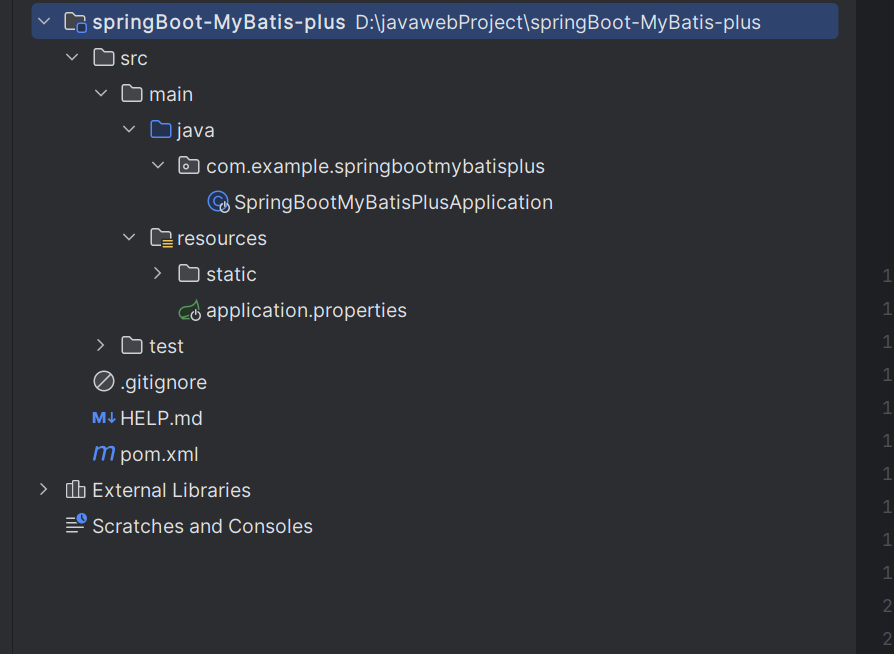
一.搭建SpringBoot项目
二.引入mySQL依赖和MyBatis依赖
MyBatis-plus提供了由SpringBoot集成的starter启动器,在pom,xml中引入Mybatis-plus启动器,代码如下
<dependency>
            <groupId>com.baomidou</groupId>
            <artifactId>mybatis-plus-boot-starter</artifactId>
            <version>3.5.3.1</version>
</dependency>
mysql驱动依赖,代码如下
 <dependency>
            <groupId>com.mysql</groupId>
            <artifactId>mysql-connector-j</artifactId>
            <scope>runtime</scope>
 </dependency>
三.创建数据库(表)和实体类
创建数据表t_user(演示案例)
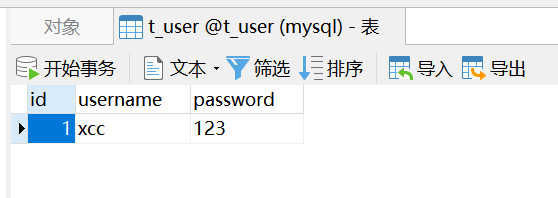
创建实体类Tuser(演示案例)
package com.example.springbootmybatis.entity;
import lombok.Data;

@Data
public class Tuser {
    private int id;
    private String username;
    private String password;
}
四.创建DataSource数据源配置和MyBatis-plus配置
DataSource数据源配置,代码如下
#配置数据库的信息
spring:
  datasource:
    driver-class-name: com.mysql.jdbc.Driver
    url: jdbc:mysql:///t_user   #///代表省略了端口号和ip
    username: root
    password: root
MyBatis-plus配置(临时配置),代码如下
mybatis-plus:
  configuration:
    log-impl: org.apache.ibatis.logging.stdout.StdOutImpl
  mapper-locations: classpath:/mappers/*.xml    #在mappers路径下寻找xml文件
  type-aliases-package: com.example.springbootmybatisplus.entity   #实体类所在包的路径,这样在xml文件里面不需要全限定类名
  global-config:   #全局配置
    db-config:
      id-type: auto
      field-strategy: ignored
      column-like: true
五.创建持久层mapper接口文件
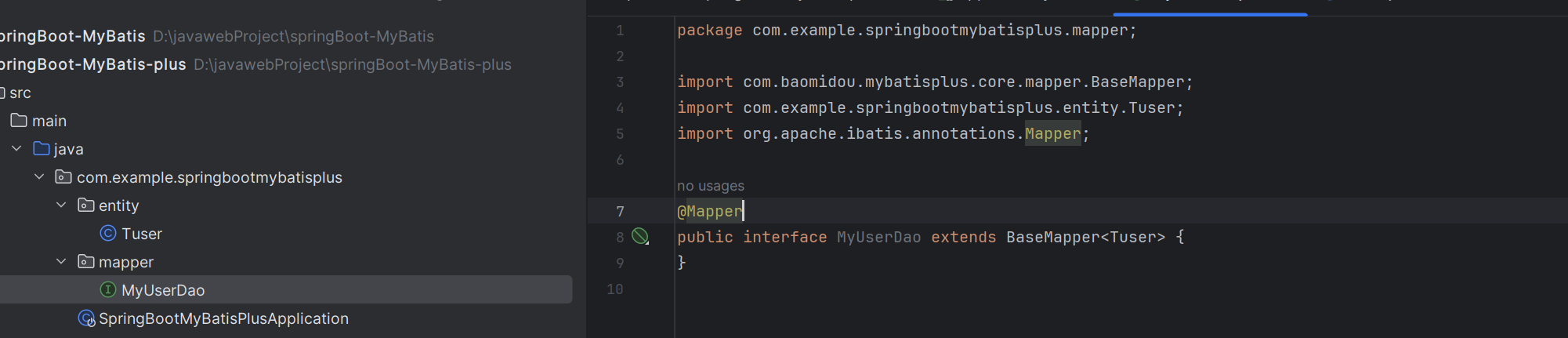
在mapper包下创建一个用于数据库t_user数据库的操作接口MyUserDao,代码如下:
package com.example.springbootmybatisplus.mapper;

import com.baomidou.mybatisplus.core.mapper.BaseMapper;
import com.example.springbootmybatisplus.entity.Tuser;
import org.apache.ibatis.annotations.Mapper;

@Mapper
public interface MyUserDao extends BaseMapper<Tuser> {
 // 这里不需要编写任何方法,继承了 BaseMapper 接口后,已经包含了常用的数据库操作方法
}
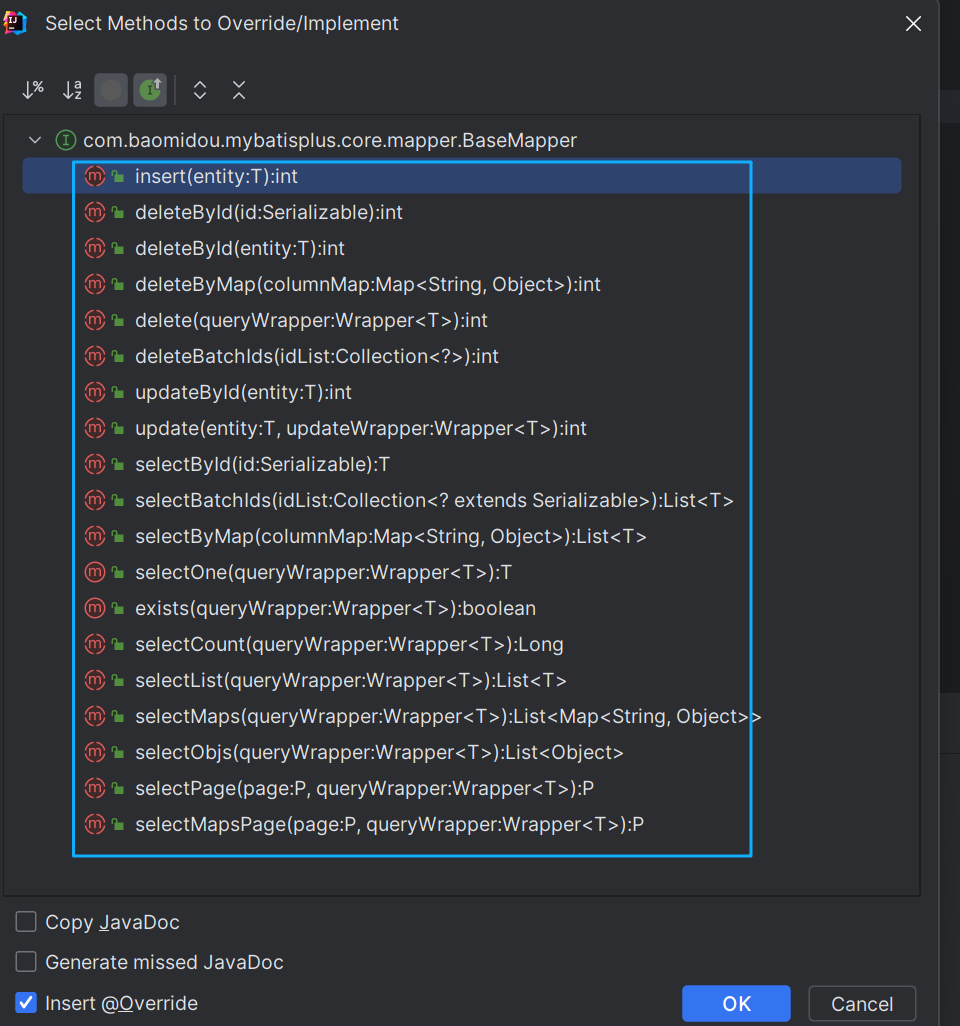
由上图,MyUserDao接口里面暂时不用写通用的增删查改方法,MyUserDao接口继承了BaseMapper<Tuser>, BaseMapper<T >接口又是MyBatis-plus提供的基础Mapper接口,它继承了MyBatis的mapper接口,并增加了大量通用的CURD方法。
所有实体mapper接口(MyUserDao)都可以继承这个接口,从而获得默认的通用方法。
BaseMapper接口默认的基本通用方法,表格如下:
|-------------------------------------------------------|----------------------|
| 基本方法 | 描述 |
| int insert(T entity) | 插入一条记录,返回的是影响的行数 |
| int deleteById(Serializable id) | 根据ID删除一条记录,返回的是影响的行数 |
| T updateById(T entity) | 根据ID更新一条记录 |
| T selectById(Serializable id) | 根据ID查询一条记录 |
| List<T> selectBatchIds(Collect< Interage> idList) | 根据id集合查询多条记录 |
| List<T> selectByMap(Map<String,Object> map) | 根据map条件查询多条记录 |
| List<T> selectList(Wrapper<T> queryWrapper) | 根据条件查询多条记录 |
六.创建服务层接口文件
在service包下创建一个用于mapper接口文件的业务层操作接口MyUserService,代码如下:
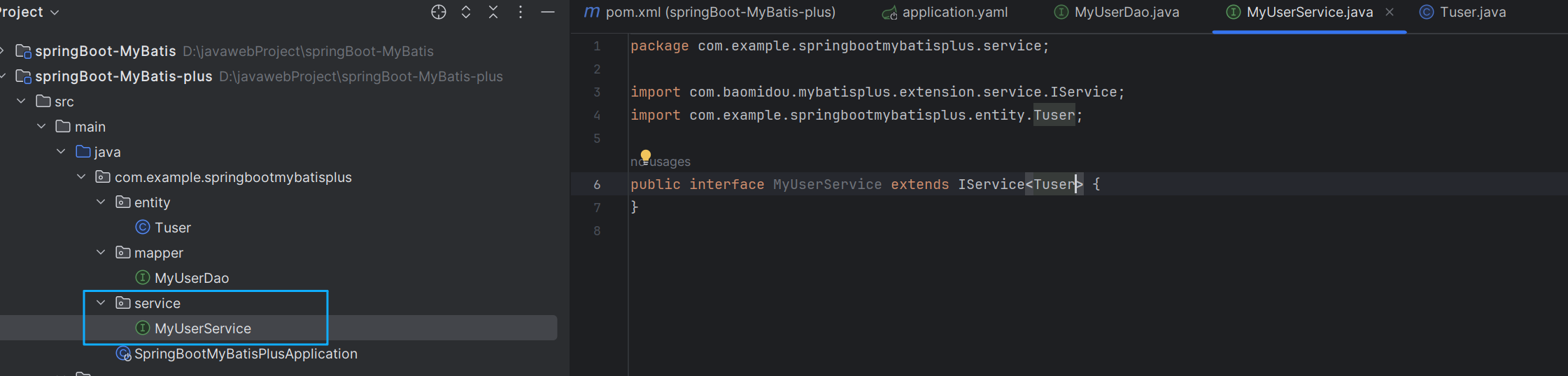
package com.example.springbootmybatisplus.service;

import com.baomidou.mybatisplus.extension.service.IService;
import com.example.springbootmybatisplus.entity.Tuser;

public interface MyUserService extends IService<Tuser> {
}
MyUserService接口继承了Iservice接口,Iservice是MyBatis-plus提供的通用的接口,它定义了一些常用的业务方法,可以在业务层中直接使用,Iservice接口提供的常用方法,如下图
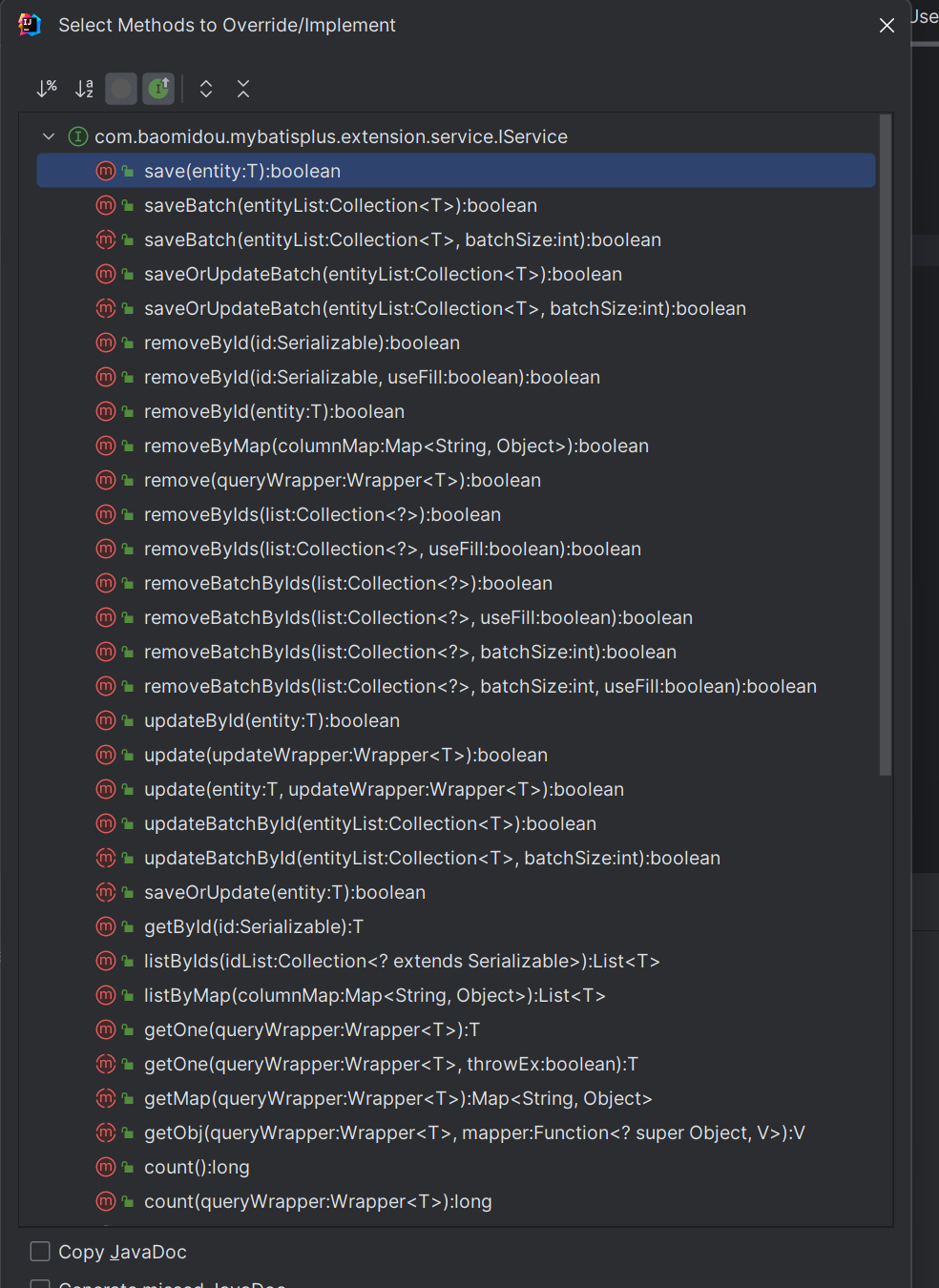
Iservice提供的常用方法
|------------------------------------------------|--------------|
| 基本方法 | 描述 |
| boolean save(T entity) | 保存一条记录 |
| boolean saveBatch(Collection<T > entityList) | 批量保存记录 |
| boolean removeById(Serializable id) | 根据Id删除一条记录 |
| boolean removeByMap(Map<String ,Object> map) | 根据map条件删除记录 |
| boolean updateById(T entity) | 根据id跟新一条记录 |
| T getById(Serializable id) | 根据id查询一条记录 |
| List<T> list | 查询所有记录 |
| List<T> listByIds(Collection<T> idList) | 根据id集合查询多条记录 |
七.创建服务层接口实现类
在service包下创建一个实现业务接口的MyUserServiceImpl实现类,代码如下:
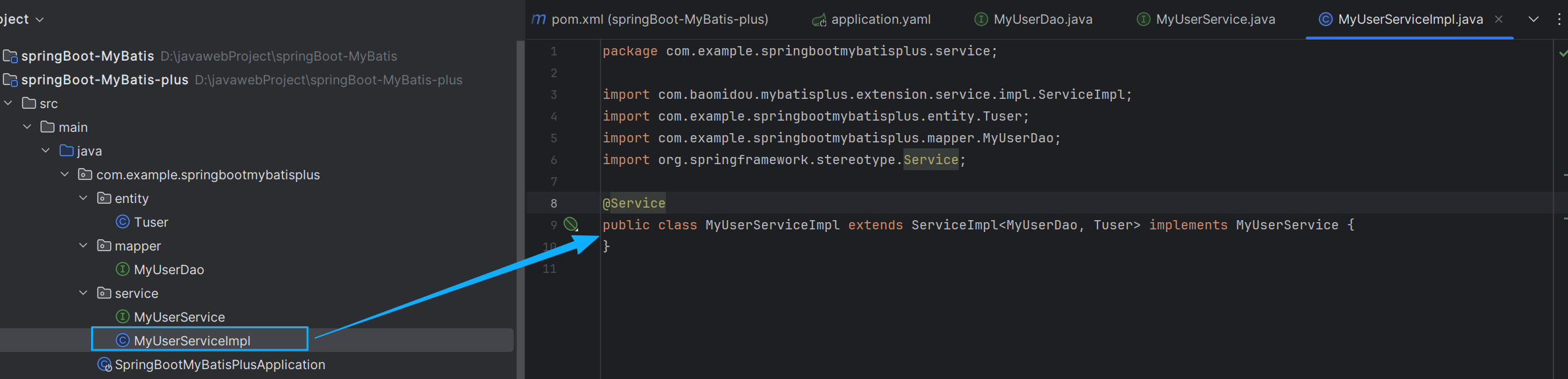
package com.example.springbootmybatisplus.service;
import com.baomidou.mybatisplus.extension.service.impl.ServiceImpl;
import com.example.springbootmybatisplus.entity.Tuser;
import com.example.springbootmybatisplus.mapper.MyUserDao;
import org.springframework.stereotype.Service;

@Service
public class MyUserServiceImpl extends ServiceImpl<MyUserDao, Tuser> implements MyUserService {
}
上述MyUserServiceImpl类继承了ServiceImpl类并实现了MyUserService接口。ServiceImpl类是MyBatis-plus提供的通用Service实现类,它实现了IService接口,并提供了一些默认的 实现方法
八.创建控制器层(去测试数据库的操作)
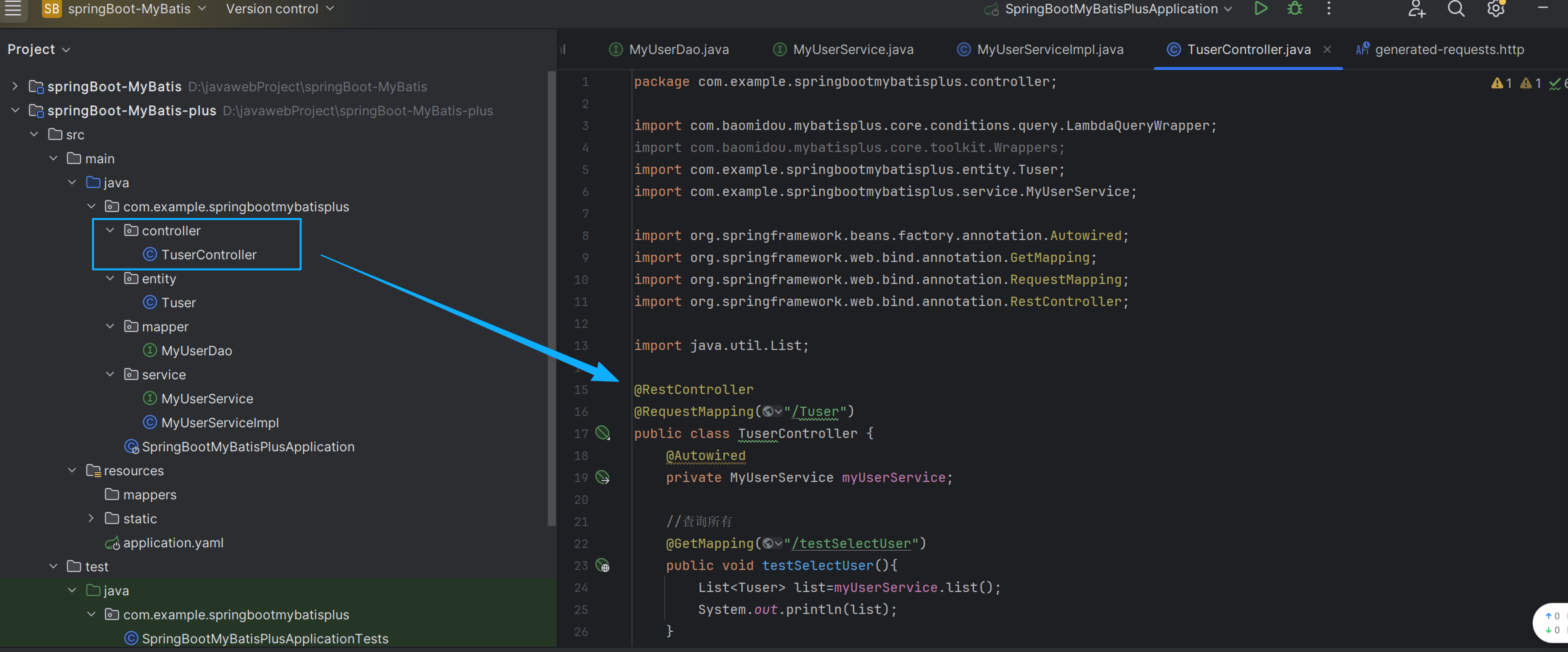
package com.example.springbootmybatisplus.controller;

import com.baomidou.mybatisplus.core.conditions.query.LambdaQueryWrapper;
import com.baomidou.mybatisplus.core.toolkit.Wrappers;
import com.example.springbootmybatisplus.entity.Tuser;
import com.example.springbootmybatisplus.service.MyUserService;

import org.springframework.beans.factory.annotation.Autowired;
import org.springframework.web.bind.annotation.GetMapping;
import org.springframework.web.bind.annotation.RequestMapping;
import org.springframework.web.bind.annotation.RestController;

import java.util.List;

@RestController
@RequestMapping("/Tuser")
public class TuserController {
    @Autowired
    private MyUserService myUserService;

    //查询所有
    @GetMapping("/testSelectUser")
    public void testSelectUser(){
        List<Tuser> list=myUserService.list();
        System.out.println(list);
    }
    //根据ID查询某条记录
    @GetMapping("/testOneSelectUserById")
    public void testOneSelectUserById(){
        Tuser tuser=myUserService.getById("1");
        System.out.println(tuser);
    }
    //根据username查询某条记录
    @GetMapping("/testOneSelectUserByUsername")
    public void testOneSelectUserByUsername(){
//        LambdaQueryWrapper<Tuser> wrapper= Wrappers.lambdaQuery();  //条件选择器
        LambdaQueryWrapper<Tuser> wrapper= new LambdaQueryWrapper<>(); //条件选择器
/
//        wrapper.nq() 不等于   wrapper.gt() 大于  wrapper.lt()  小于  wrapper.ge() 大等于  wrapper.le()小等于
       //     wrapper.eq(Tuser::getUsername,"xc");    //等于xc的username

        wrapper.like(Tuser::getUsername,"xcc");   //   //选出%xcc%左右模糊匹配
//        wrapper.likeLeft(Tuser::getUsername,"%xcc");  //选出%xcc 左模糊匹配
//        wrapper.likeRight(Tuser::getUsername,"xcc%");  //选出xcc% 右模糊匹配


        Tuser tuser=myUserService.getOne(wrapper);
        System.out.println(tuser);
    }

    //增加一条记录
    @GetMapping("/testInsertUser")
    public void testInsertUser(){
        Tuser tuser=new Tuser();
        tuser.setUsername("wangwu");
        tuser.setPassword("123");
        boolean b=myUserService.save(tuser);
        System.out.println(b);
    }

    //修改一条记录
    @GetMapping("/testUpdateUser")
    public void testUpdateUser(){
        Tuser tuser=new Tuser();
        tuser.setId(3);
        tuser.setUsername("wangwu");
        tuser.setPassword("123");
        boolean b=myUserService.updateById(tuser);
        System.out.println(b);
    }

    //删除一条记录
    @GetMapping("/testDeleteUser")
    public void testDeleteUser(){
        LambdaQueryWrapper<Tuser> wrapper=new LambdaQueryWrapper<>();
//        wrapper.like(Tuser::getUsername,"xc");   //等同于%xc%左右模糊匹配
        wrapper.eq(Tuser::getUsername,"xc");    //等于xc的username
        boolean b=myUserService.remove(wrapper);
        System.out.println(b);
    }

}
九.运行测试
浏览器输入:
http://localhost:8080/Tuser/testSelectUser进阶用法
自定义SQL语句
假设我们有一个实体类Tuser 和对应的 Mapper 接口
(案例)我们希望添加一个查询功能,自定义一个方法根据username去查询记录。
方式一:使用注解自定义SQL方法
在mapper目录下创建一个MyUserDao接口
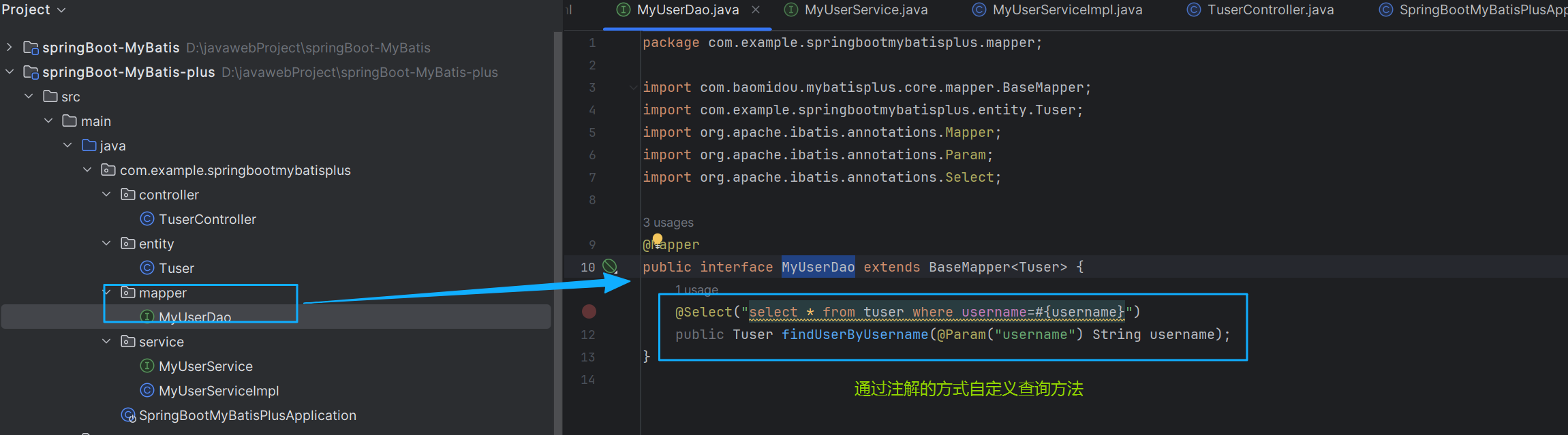
package com.example.springbootmybatisplus.mapper;
import com.baomidou.mybatisplus.core.mapper.BaseMapper;
import com.example.springbootmybatisplus.entity.Tuser;
import org.apache.ibatis.annotations.Mapper;
import org.apache.ibatis.annotations.Param;
import org.apache.ibatis.annotations.Select;

@Mapper
public interface MyUserDao extends BaseMapper<Tuser> {
    @Select("select * from tuser where username=#{username}")
    public Tuser findUserByUsername(@Param("username") String username);
}
在service目录下创建 MyUserServiceImpl类
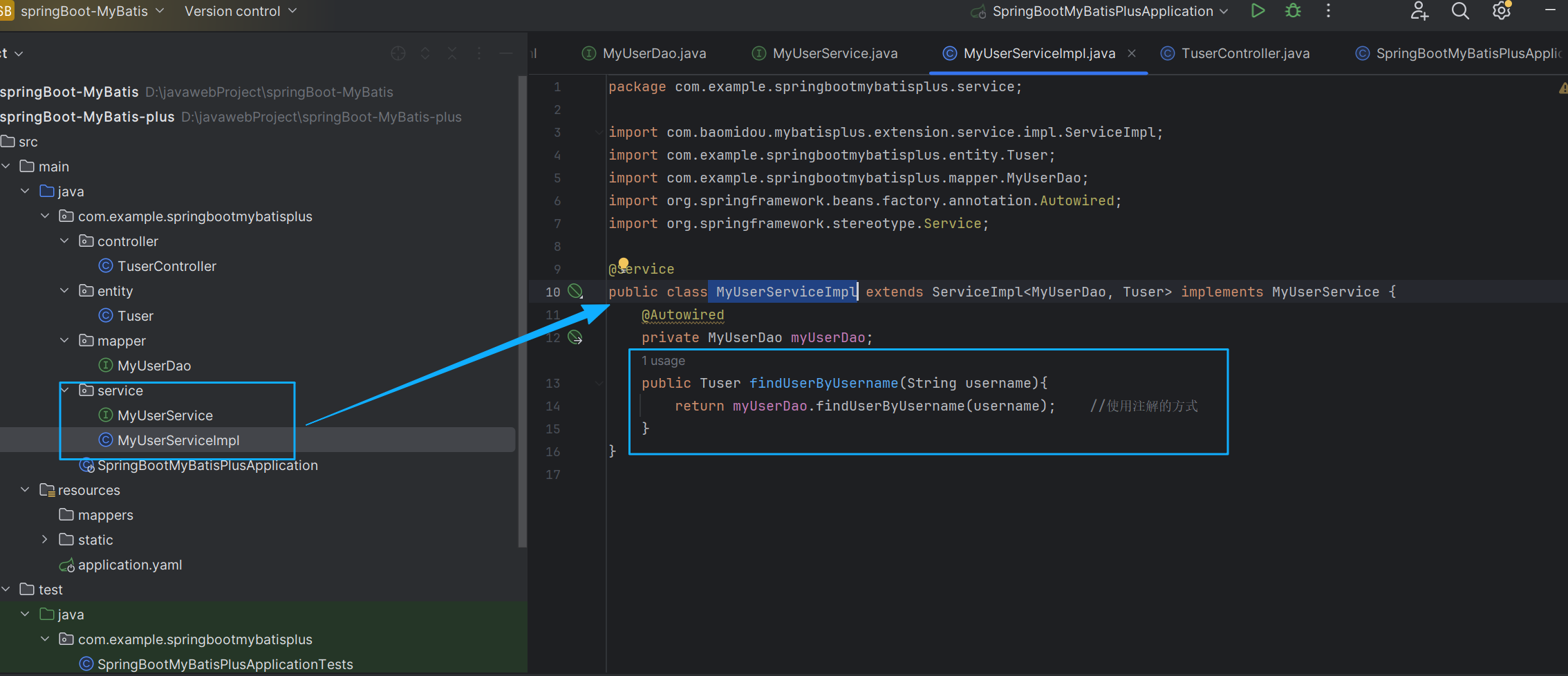
package com.example.springbootmybatisplus.service;

import com.baomidou.mybatisplus.extension.service.impl.ServiceImpl;
import com.example.springbootmybatisplus.entity.Tuser;
import com.example.springbootmybatisplus.mapper.MyUserDao;
import org.springframework.beans.factory.annotation.Autowired;
import org.springframework.stereotype.Service;

@Service
public class MyUserServiceImpl extends ServiceImpl<MyUserDao, Tuser> implements MyUserService {
    @Autowired
    private MyUserDao myUserDao;
    public Tuser findUserByUsername(String username){
        return myUserDao.findUserByUsername(username);    //使用注解的方式
    }
}
在controller目录下创建TuserController类(用来测试案例)
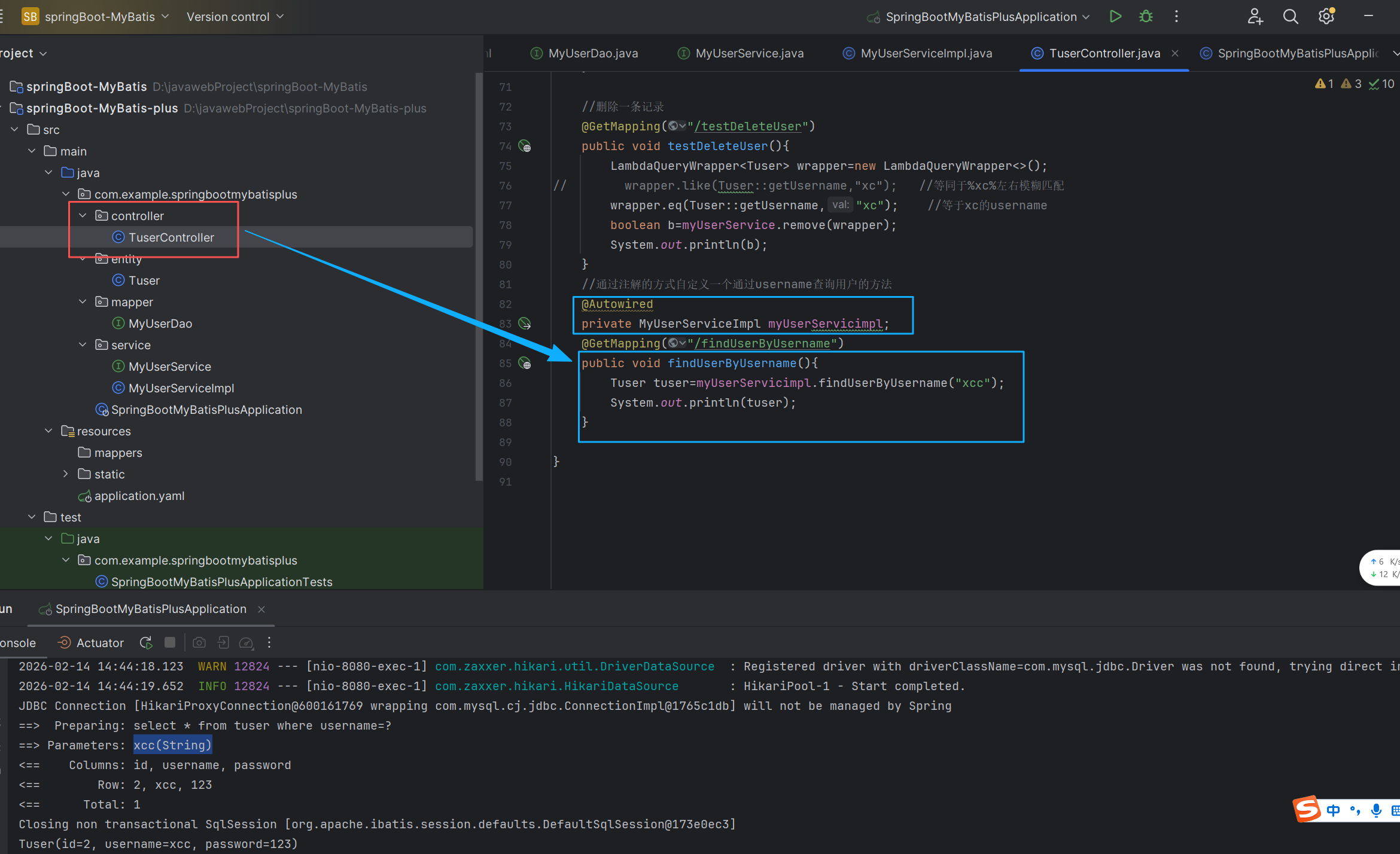
package com.example.springbootmybatisplus.controller;
import com.baomidou.mybatisplus.core.conditions.query.LambdaQueryWrapper;
import com.baomidou.mybatisplus.core.toolkit.Wrappers;
import com.example.springbootmybatisplus.entity.Tuser;
import com.example.springbootmybatisplus.service.MyUserService;
import com.example.springbootmybatisplus.service.MyUserServiceImpl;
import org.springframework.beans.factory.annotation.Autowired;
import org.springframework.web.bind.annotation.GetMapping;
import org.springframework.web.bind.annotation.RequestMapping;
import org.springframework.web.bind.annotation.RestController;

import java.util.List;

@RestController
@RequestMapping("/Tuser")
public class TuserController {
    @Autowired
    private MyUserService myUserService;

    //通过注解的方式自定义一个通过username查询用户的方法
    @Autowired
    private MyUserServiceImpl myUserServicimpl;
    @GetMapping("/findUserByUsername")
    public void findUserByUsername(){
        Tuser tuser=myUserServicimpl.findUserByUsername("xcc");
        System.out.println(tuser);
    }

}
方式二:使用XML文件自定义SQL方法
在mapper目录下创建一个MyUserDao接口,在此接口创建findUserXMLByUsername(String username)方法
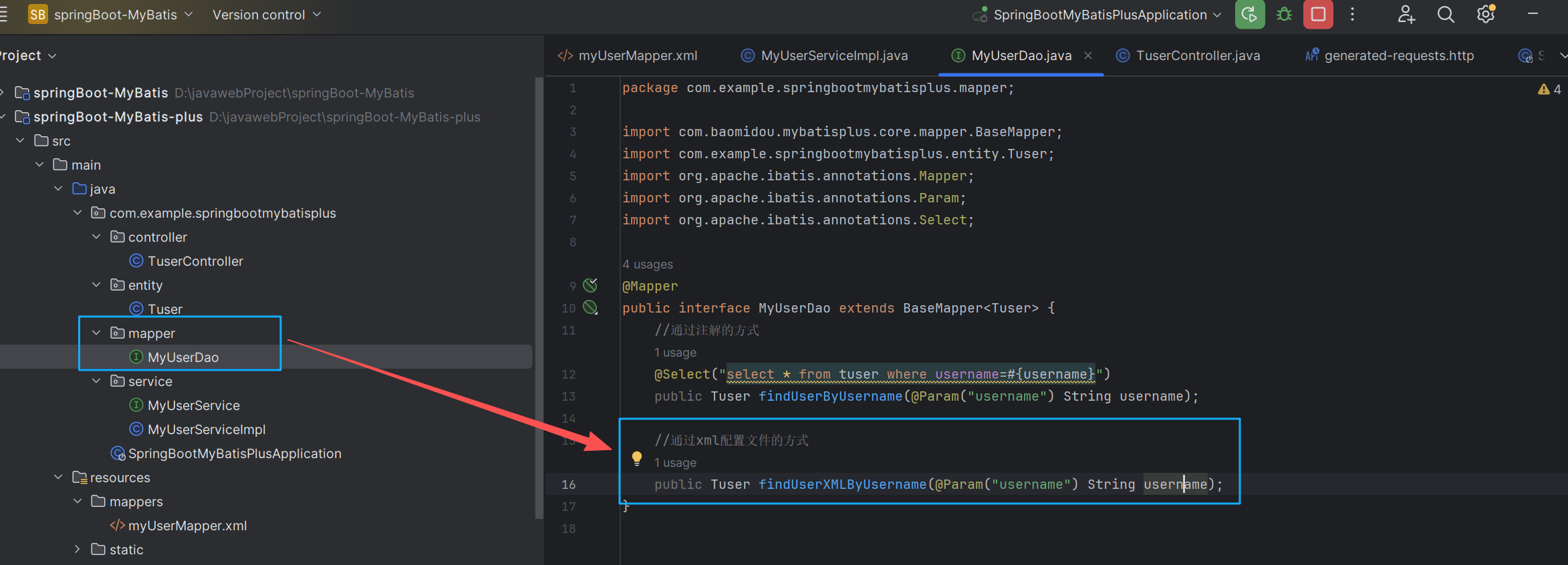
package com.example.springbootmybatisplus.mapper;

import com.baomidou.mybatisplus.core.mapper.BaseMapper;
import com.example.springbootmybatisplus.entity.Tuser;
import org.apache.ibatis.annotations.Mapper;
import org.apache.ibatis.annotations.Param;
import org.apache.ibatis.annotations.Select;

@Mapper
public interface MyUserDao extends BaseMapper<Tuser> {

    //通过xml配置文件的方式
    public Tuser findUserXMLByUsername(@Param("username") String username);
}
在 resources目录下创建mappers目录,并在mappers目录下创建一个名为 myUserMapper.xml的文件。这个文件与 com.example.springbootmybatisplus.mapper.MyUserDao接口绑定。
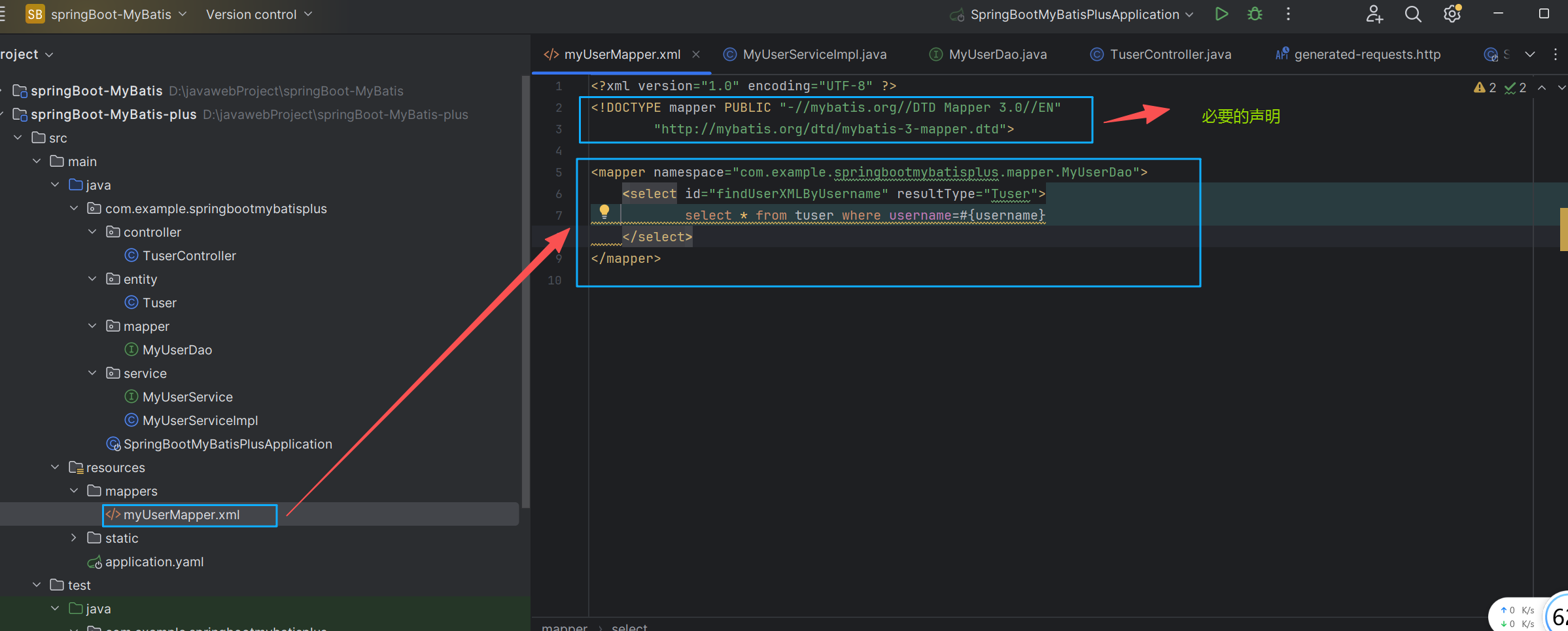
<?xml version="1.0" encoding="UTF-8" ?>
<!DOCTYPE mapper PUBLIC "-//mybatis.org//DTD Mapper 3.0//EN"
        "http://mybatis.org/dtd/mybatis-3-mapper.dtd">

<mapper namespace="com.example.springbootmybatisplus.mapper.MyUserDao">
    <select id="findUserXMLByUsername" resultType="Tuser">
            select * from tuser where username=#{username}
    </select>
</mapper>
在service目录下创建 MyUserServiceImpl类
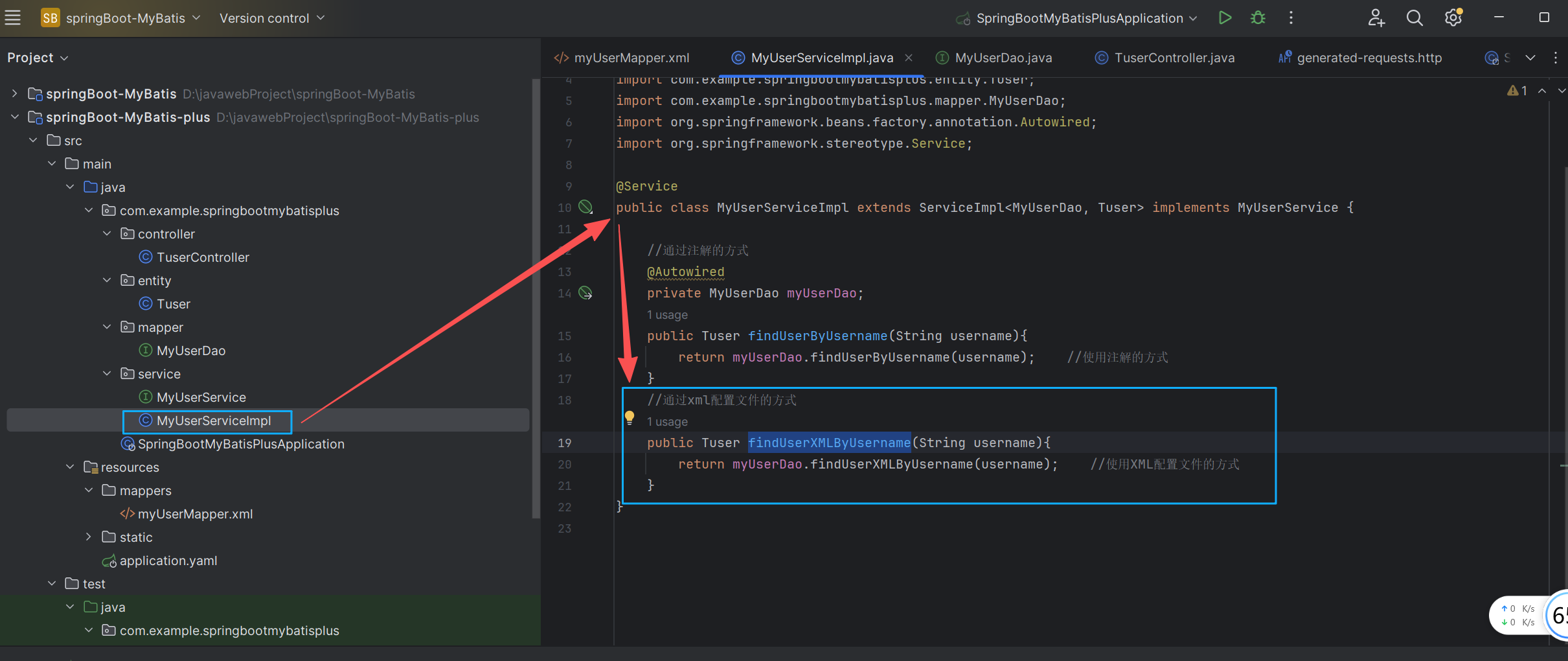
package com.example.springbootmybatisplus.service;

import com.baomidou.mybatisplus.extension.service.impl.ServiceImpl;
import com.example.springbootmybatisplus.entity.Tuser;
import com.example.springbootmybatisplus.mapper.MyUserDao;
import org.springframework.beans.factory.annotation.Autowired;
import org.springframework.stereotype.Service;

@Service
public class MyUserServiceImpl extends ServiceImpl<MyUserDao, Tuser> implements MyUserService {
    //通过xml配置文件的方式
    public Tuser findUserXMLByUsername(String username){
        return myUserDao.findUserXMLByUsername(username);    //使用XML配置文件的方式
    }
}
在controller目录下创建TuserController类(用来测试案例)
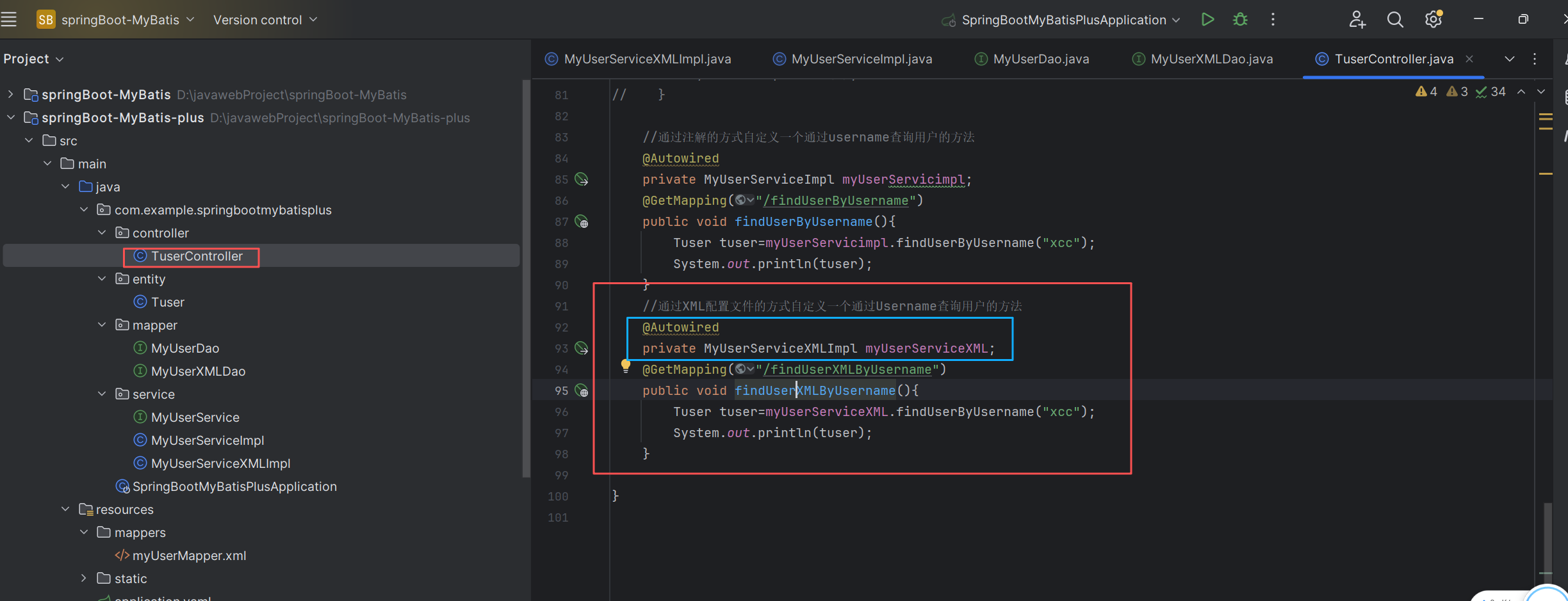
package com.example.springbootmybatisplus.controller;

import com.baomidou.mybatisplus.core.conditions.query.LambdaQueryWrapper;
import com.baomidou.mybatisplus.core.toolkit.Wrappers;
import com.example.springbootmybatisplus.entity.Tuser;
import com.example.springbootmybatisplus.service.MyUserService;

import com.example.springbootmybatisplus.service.MyUserServiceImpl;
import com.example.springbootmybatisplus.service.MyUserServiceXMLImpl;
import org.springframework.beans.factory.annotation.Autowired;
import org.springframework.web.bind.annotation.GetMapping;
import org.springframework.web.bind.annotation.RequestMapping;
import org.springframework.web.bind.annotation.RestController;

import java.util.List;

@RestController
@RequestMapping("/Tuser")
public class TuserController {


    //通过XML配置文件的方式自定义一个通过Username查询用户的方法
    @Autowired
    private MyUserServiceXMLImpl myUserServiceXML;
    @GetMapping("/findUserXMLByUsername")
    public void findUserXMLByUsername(){
        Tuser tuser=myUserServiceXML.findUserByUsername("xcc");
        System.out.println(tuser);
    }

}
注解方式和XML比较:
- 注解
优点:简单、清晰,适合处理较为简单的 SQL 查询。
缺点:对于复杂查询,SQL 语句难以维护,可读性较差。 - XML
优点:适合复杂查询,SQL 语句与 Java 代码分离,易于维护和调试。
缺点:需要额外的 XML 文件,配置稍微麻烦一些
学习参考链接:
https://blog.csdn.net/Gavin_915/article/details/142886400
(36 封私信 / 6 条消息) 理解并学会mybatis-plus,BaseMapper运用,常见注解,条件构造器,自定义SQL,Service接口,代码生成,静态工具,分页插件 - 知乎