可以把 NestJS 理解成:
"给 Node.js 后端项目提供一套类似 Spring Boot 的工程化框架。"
如果你熟悉 Java/Spring Boot,会非常容易理解 NestJS。它本质上是基于 Node.js + TypeScript 构建的后端框架,核心目标不是"让你能写接口",而是让中大型 Node.js 后端项目更容易组织、扩展、测试和维护。
一、NestJS 是什么?
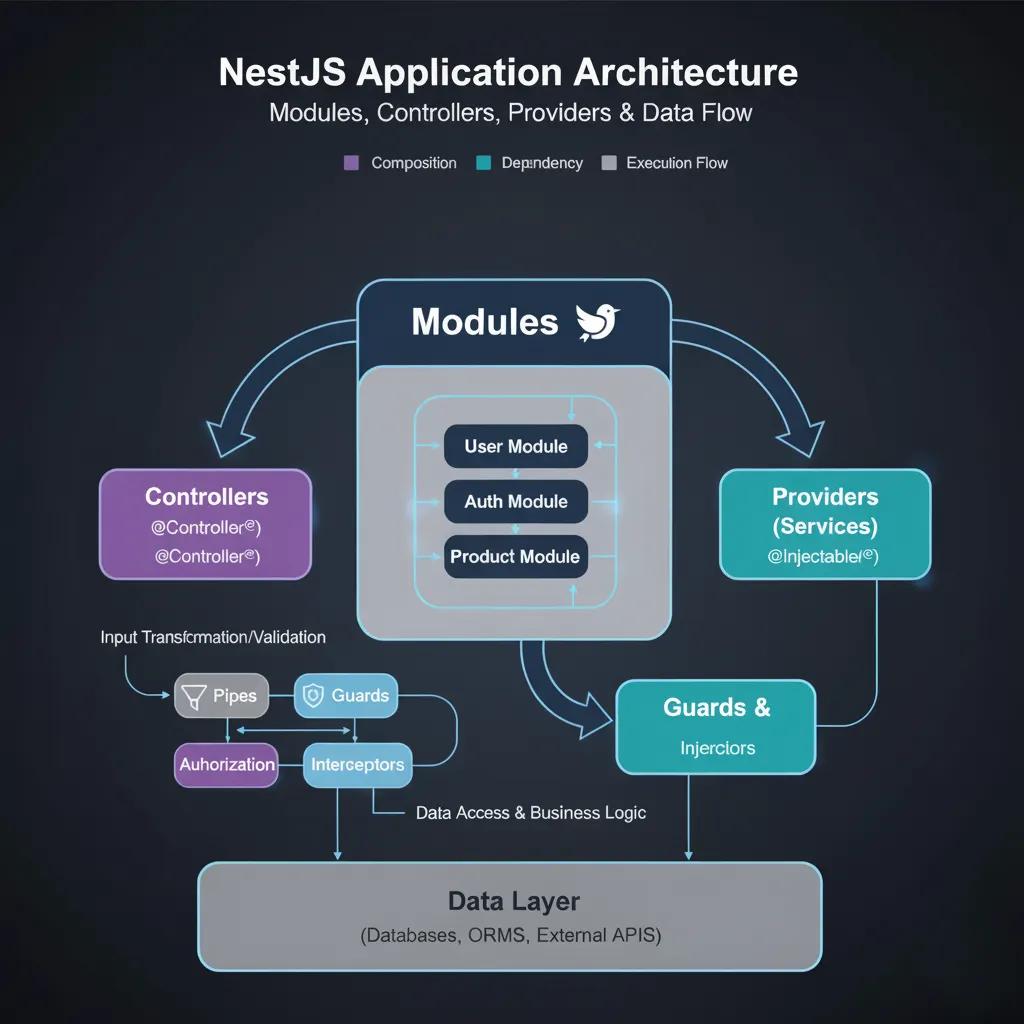
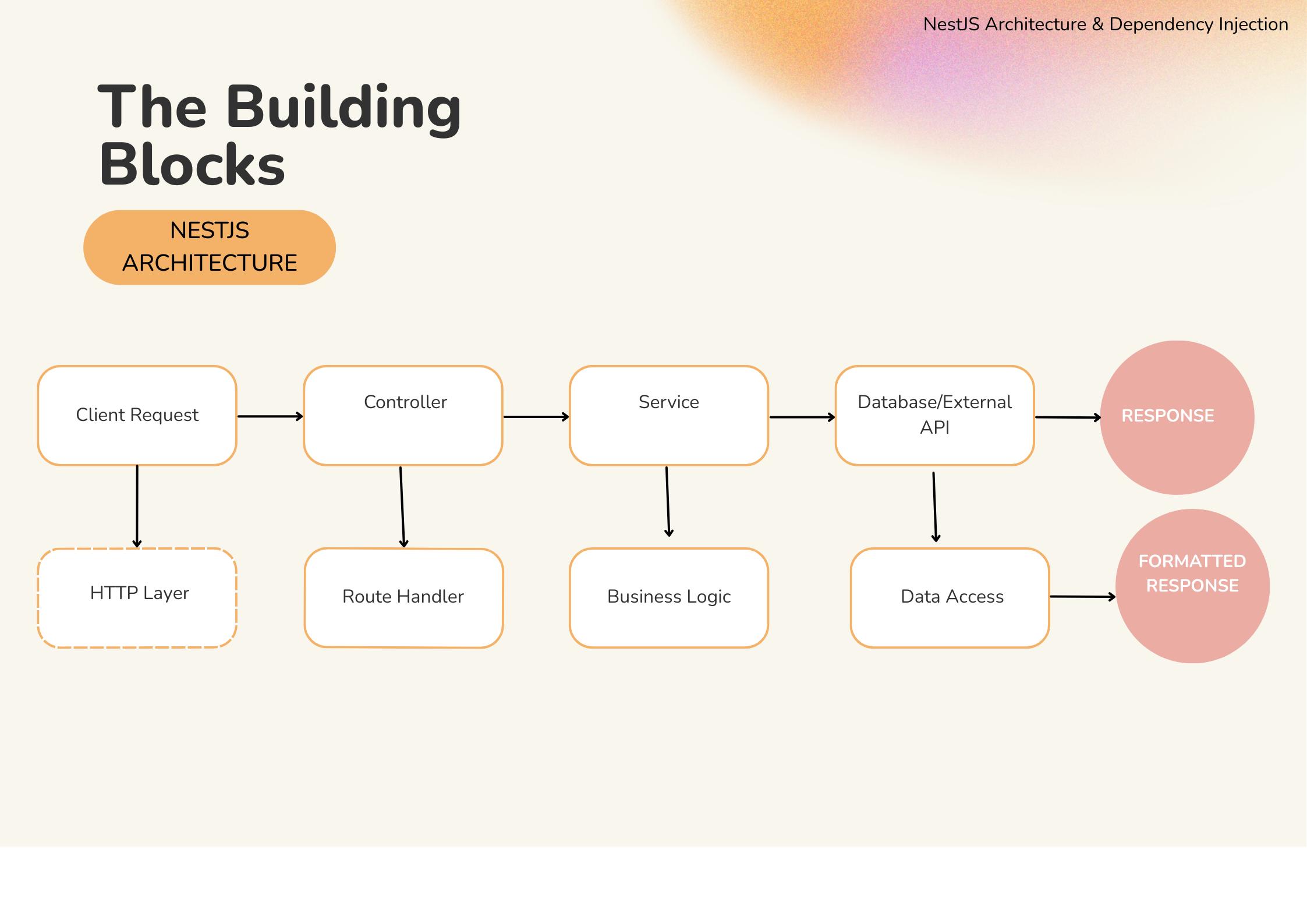
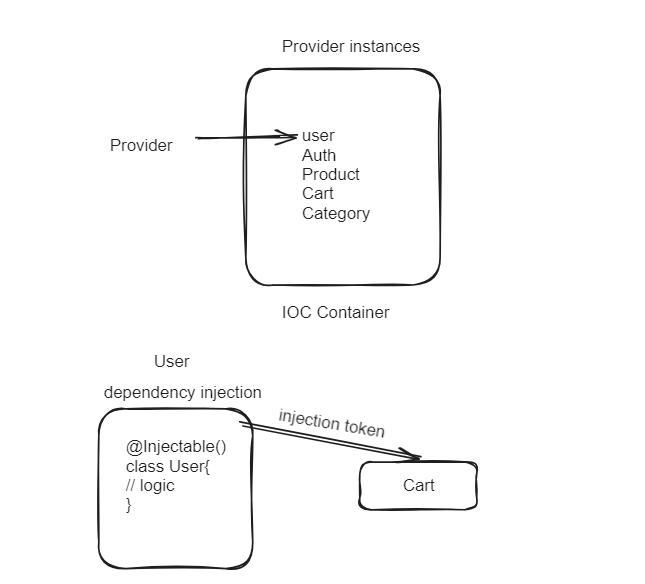
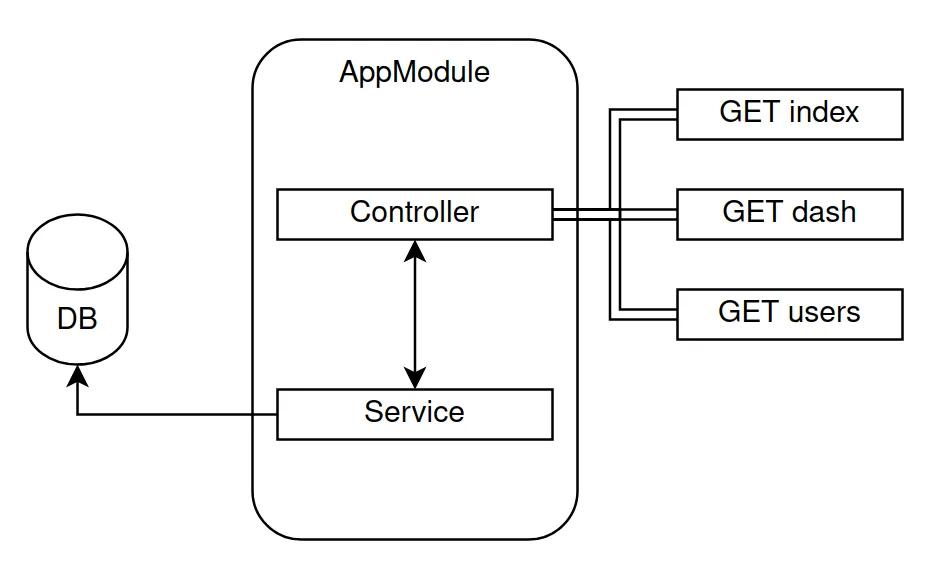
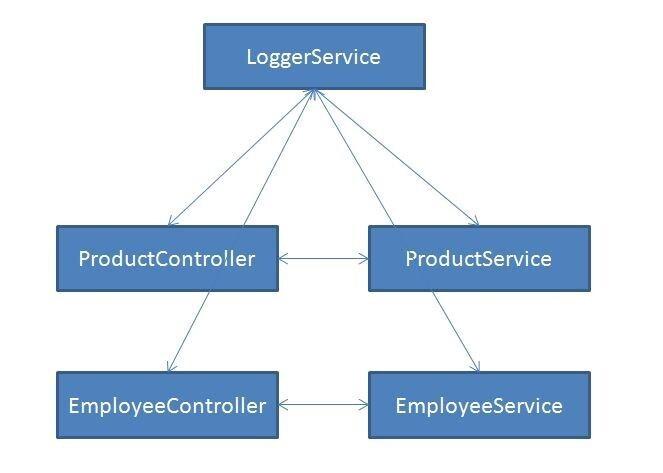
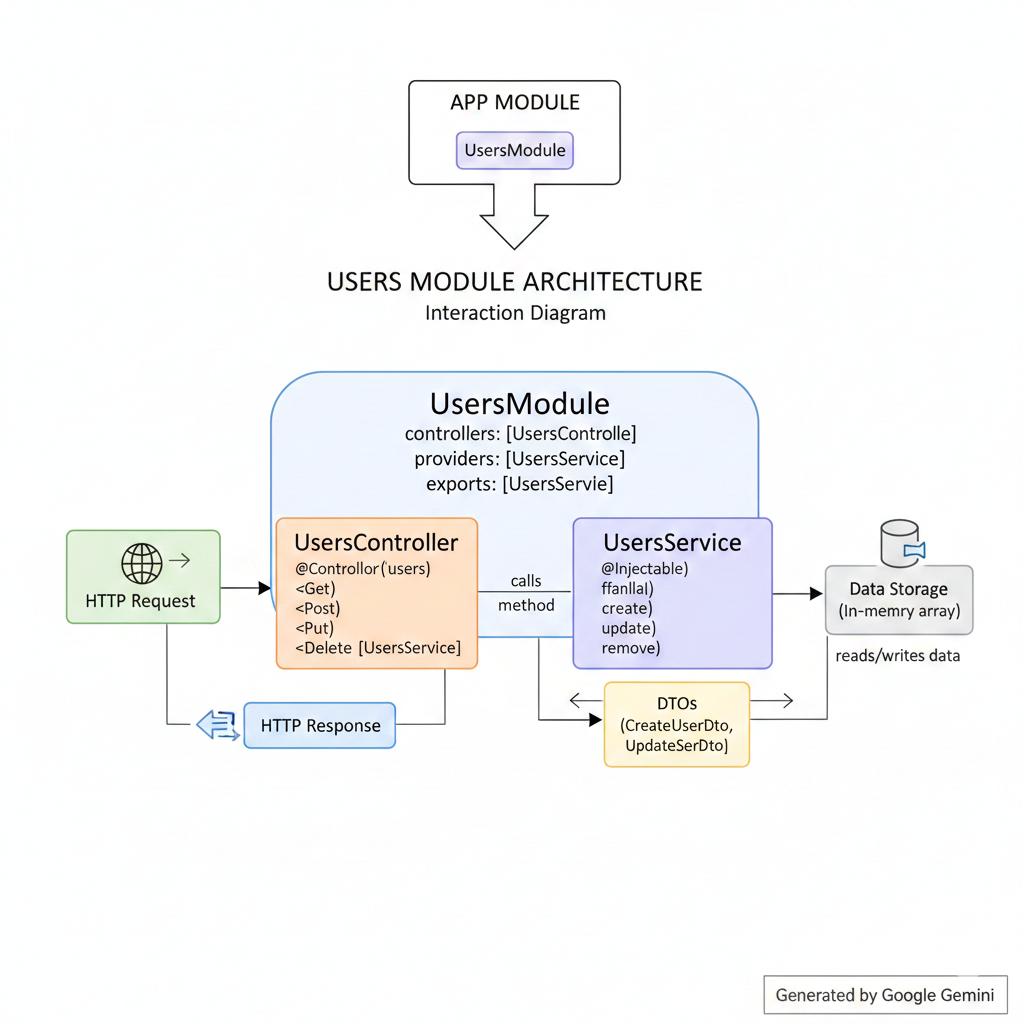
NestJS 官方定位是一个用于构建高效、可扩展的 Node.js 服务端应用的框架。
它建立在 Node.js HTTP 能力之上,可以使用:
- Express
- Fastify
作为底层 HTTP 平台。
但 NestJS 真正有价值的地方,不是帮你封装 app.get()、app.post()。
而是给 Node.js 后端引入了一套完整的工程架构:
text
                 NestJS Application
                        │
        ┌───────────────┼────────────────┐
        │               │                │
     Controller       Service          Module
        │               │                │
        ↓               ↓                ↓
      HTTP           Business         Dependency
      API             Logic           Management
        │               │                │
        └───────────────┼────────────────┘
                        ↓
                Repository / DB
这也是它和 Express 最大的区别。
二、为什么需要 NestJS?
先看最原始的 Node.js/Express 项目。
刚开始可能非常简单:
js
app.get('/users', async (req, res) => {
  const users = await db.query('select * from users')
  res.json(users)
})
项目小的时候完全没问题。
但是项目越来越大:
text
src/
├── user.js
├── order.js
├── product.js
├── payment.js
├── login.js
├── notification.js
├── utils.js
├── db.js
└── index.js
然后你会慢慢遇到几个问题。
1. 项目架构没有统一约束
Express 本身非常自由。
你可以这样:
text
controller
   ↓
service
   ↓
repository
也可以直接:
text
controller
   ↓
database
甚至:
text
controller
   ↓
controller
   ↓
utils
   ↓
database
框架不会管你。
所以:
Express 给你的是能力,而不是架构。
NestJS 则明确规定了一套推荐的组织方式。
三、NestJS 最核心的几个概念
如果你想真正理解 NestJS,我建议重点理解这 5 个东西:
text
Module
Controller
Provider
Dependency Injection
Guard / Pipe / Interceptor / Middleware
其中前三个是最核心的。
四、Controller:负责接收请求
比如:
typescript
@Controller('users')
export class UserController {

  @Get()
  getUsers() {
    return ['Tom', 'Jerry']
  }

}
对应:
http
GET /usersController 的职责非常明确:
处理 HTTP 请求。
所以不要把大量业务逻辑塞进 Controller。
推荐:
text
HTTP Request
     ↓
Controller
     ↓
Service
     ↓
Database
而不是:
text
HTTP Request
     ↓
Controller
     ├── 参数处理
     ├── 权限判断
     ├── 业务逻辑
     ├── SQL
     ├── 日志
     └── 返回数据
五、Service:负责业务逻辑
例如:
typescript
@Injectable()
export class UserService {

  async getUser(id: number) {
    const user = await this.userRepository.findById(id)

    if (!user) {
      throw new Error('用户不存在')
    }

    return user
  }

}
Controller:
typescript
@Controller('users')
export class UserController {

  constructor(
    private readonly userService: UserService
  ) {}

  @Get(':id')
  getUser(@Param('id') id: number) {
    return this.userService.getUser(id)
  }

}
这里出现了 NestJS 非常重要的东西:
Dependency Injection(依赖注入,DI)
六、Dependency Injection:NestJS 的核心
这个东西如果你了解 Spring,就会特别熟悉。
Java:
java
@Service
public class UserService {
}
然后:
java
@RestController
public class UserController {

    @Autowired
    private UserService userService;

}
NestJS:
typescript
@Injectable()
export class UserService {
}
然后:
typescript
@Controller('users')
export class UserController {

  constructor(
    private readonly userService: UserService
  ) {}

}
NestJS 会自动:
text
UserController
       │
       │ 需要 UserService
       ↓
NestJS Container
       │
       ↓
创建 UserService
       │
       ↓
注入 UserController
这就是依赖注入。
七、Module:解决大型项目组织问题
假设我们的系统有:
text
用户
订单
商品
支付
消息
NestJS 推荐拆成:
text
AppModule
│
├── UserModule
│
├── OrderModule
│
├── ProductModule
│
├── PaymentModule
│
└── MessageModule
例如:
typescript
@Module({
  controllers: [UserController],
  providers: [UserService],
})
export class UserModule {}
于是一个模块内部:
text
UserModule
│
├── UserController
│       ↓
├── UserService
│       ↓
└── UserRepository
这样业务边界非常清晰。
八、NestJS 真正帮我们解决的是什么?
我认为可以归纳成 6 个问题。
① 解决项目结构混乱
Express:
text
随便组织NestJS:
text
Module
 ├── Controller
 ├── Service
 ├── Provider
 └── Repository
让大型项目具有统一结构。
② 解决依赖管理问题
例如:
text
OrderService
    ↓
UserService
    ↓
UserRepository
    ↓
Database
NestJS DI Container 自动管理这些对象。
你不需要到处:
typescript
new UserService()
new UserRepository()
new Database()
而是:
typescript
constructor(
  private userService: UserService
) {}
九、③ 解决横切逻辑问题
这是 NestJS 非常重要的能力。
比如:
text
所有 API
   │
   ├── 登录校验
   ├── 权限校验
   ├── 参数校验
   ├── 日志
   ├── 异常处理
   └── 数据转换
这些东西不应该每个 Controller 都写一遍。
NestJS 提供:
text
Middleware
Guard
Pipe
Interceptor
Exception Filter
可以理解成:
text
Request
   │
   ↓
Middleware
   │
   ↓
Guard
   │
   ↓
Pipe
   │
   ↓
Controller
   │
   ↓
Service
   │
   ↓
Interceptor
   │
   ↓
Response
例如权限:
typescript
@UseGuards(AuthGuard)
@Get('/profile')
getProfile() {
}
这样就不需要每个接口自己判断:
typescript
if (!user) {
   ...
}
十、④ 解决参数校验问题
例如接口:
http
POST /users请求:
json
{
  "name": "张三",
  "age": 18,
  "email": "xxx"
}
NestJS 可以配合 DTO:
typescript
export class CreateUserDto {

  @IsString()
  name: string

  @IsInt()
  @Min(0)
  age: number

  @IsEmail()
  email: string
}
Controller:
typescript
@Post()
createUser(
  @Body() dto: CreateUserDto
) {
  return this.userService.create(dto)
}
于是:
text
HTTP Request
      ↓
DTO
      ↓
ValidationPipe
      ↓
Controller
      ↓
Service
参数校验从业务代码里面被抽离出来。
十一、⑤ 解决大型系统扩展问题
NestJS 不只是用来写 REST API。
它还支持:
text
REST API
GraphQL
WebSocket
Microservices
消息队列
事件驱动
定时任务
例如:
text
                    NestJS
                       │
       ┌───────────────┼───────────────┐
       ↓               ↓               ↓
     REST           GraphQL        WebSocket
       │               │               │
       └───────────────┼───────────────┘
                       ↓
                  Business Layer
                       │
              ┌────────┼────────┐
              ↓        ↓        ↓
             MySQL    Redis    MQ
所以 NestJS 比较适合:
企业级 Node.js 后端。
十二、⑥ 解决测试问题
因为 NestJS 大量使用 DI,所以测试比较容易。
例如:
typescript
UserController
       ↓
UserService
       ↓
UserRepository
测试 Controller 的时候,可以把真正的 UserService 换成 Mock。
text
UserController
       ↓
MockUserService
这样不用真的连接数据库。
这对大型项目非常重要。
十三、NestJS 和 Express 到底是什么关系?
这个问题很重要。
不要理解成:
text
Express vs NestJS完全是两个竞争层次。
更准确:
text
                NestJS
                   │
          ┌────────┴────────┐
          ↓                 ↓
       Express           Fastify
          ↓                 ↓
        Node.js           Node.js
NestJS 是更高层的应用框架。
Express/Fastify 更偏底层 HTTP Server。
所以:
typescript
NestJS + Express或者:
typescript
NestJS + Fastify都可以。
十四、如果你熟悉 Spring Boot,可以这样对照
这个对你理解 NestJS 非常有帮助:
| NestJS | Spring Boot |
|---|---|
@Module() |
配置/模块体系 |
@Controller() |
@RestController |
@Injectable() |
@Service / Bean |
| Constructor Injection | @Autowired |
| Provider | Bean |
| Guard | Interceptor / Filter / Security |
| Pipe | 参数校验/转换 |
| Interceptor | Interceptor |
| Exception Filter | ExceptionHandler |
| Middleware | Filter |
| DTO | DTO |
| TypeORM / Prisma | JPA / MyBatis |
| NestJS DI Container | Spring IoC Container |
所以如果一句话总结:
NestJS ≈ Node.js 世界里的 Spring Boot。
当然两者底层实现不同,但在工程思想上非常接近。
十五、什么时候应该用 NestJS?
我会这样判断:
小项目
例如:
text
一个简单 BFF
一个小工具 API
10 个接口以内
Express/Fastify 可能就够了。
中大型项目
例如:
text
用户系统
订单系统
支付系统
权限系统
消息系统
管理后台 API
推荐 NestJS。
因为这时候最重要的问题已经不是:
"怎么写一个 HTTP 接口?"
而是:
"几十个人一起开发,半年后这个项目还能不能维护?"
这就是 NestJS 的价值。
十六、用一个实际项目理解
假设你要开发一个电商后端:
text
                    Ecommerce
                        │
        ┌───────────────┼──────────────┐
        ↓               ↓              ↓
      User            Order          Product
        │               │              │
   UserModule       OrderModule    ProductModule
        │               │              │
   Controller       Controller     Controller
        │               │              │
     Service          Service        Service
        │               │              │
   Repository       Repository     Repository
        │               │              │
        └───────────────┼──────────────┘
                        ↓
                    Database
同时所有请求:
text
Request
   ↓
Middleware
   ↓
AuthGuard
   ↓
ValidationPipe
   ↓
Controller
   ↓
Service
   ↓
Repository
   ↓
Database
NestJS 的核心价值就是帮你把这套东西标准化、模块化、自动化。
十七、所以 NestJS 到底解决了什么?
我建议你记住这一句话:
Node.js 本身解决的是"能不能写后端",NestJS 解决的是"怎么把 Node.js 后端工程化"。
再进一步:
text
Node.js
  ↓
提供运行时能力

Express / Fastify
  ↓
提供 HTTP 能力

NestJS
  ↓
提供企业级应用架构

DI + Module + Controller + Service
  ↓
解决代码组织和依赖管理

Guard + Pipe + Interceptor + Filter
  ↓
解决横切逻辑

DTO + Validation
  ↓
解决输入数据治理

Testing + CLI + Ecosystem
  ↓
解决工程效率和可维护性所以如果你现在是从前端 / Node.js → AI Agent / 后端工程 这个方向学习,我会建议重点掌握 NestJS 的 Module、DI、Provider、Guard、Pipe、Interceptor,而不是先去背 API。
这几个概念掌握以后,你会发现它和你最近在研究的 Skill / Agent / Workflow / Plugin 的架构思想其实也非常相似:模块化 + 依赖注入 + 生命周期 + 中间层拦截 + 编排。
下面我不只讲"注解一一对应",而是从一个完整请求是怎么进入系统、经过 Controller、Service、依赖注入、校验、权限、异常处理,最后访问数据库的角度,把 NestJS 和 Spring Boot 放在一起讲。
先记住一个核心:
NestJS 和 Spring Boot 的很多设计思想高度相似,但不是注解的机械翻译。
NestJS 更像是把 Spring 的 IoC、模块化、AOP/拦截器、参数校验等思想,用 TypeScript/Node.js 重新实现了一遍。
一、先建立整体认知
假设我们开发一个用户查询接口:
http
GET /users/100Spring Boot:
text
HTTP Request
     ↓
Controller
     ↓
Service
     ↓
Repository
     ↓
Database
NestJS:
text
HTTP Request
     ↓
Middleware
     ↓
Guard
     ↓
Pipe
     ↓
Controller
     ↓
Service
     ↓
Repository
     ↓
Database
两者的核心业务结构其实非常接近:
| 职责 | NestJS | Spring Boot |
|---|---|---|
| HTTP 接口 | Controller | Controller |
| 业务逻辑 | Service / Provider | Service |
| 数据访问 | Repository / Provider | Repository / Mapper |
| 依赖注入 | DI | IoC / DI |
| 模块 | Module | Spring Bean + Configuration / Package |
| 参数校验 | Pipe + DTO | Validation + DTO |
| 权限 | Guard | Spring Security |
| 请求拦截 | Interceptor | Interceptor |
| 全局异常 | Exception Filter | @ControllerAdvice |
| 中间件 | Middleware | Filter |
| ORM | TypeORM / Prisma | JPA / MyBatis |
| 配置 | ConfigModule | application.yml |
| 定时任务 | Schedule | @Scheduled |
下面逐个展开。
二、Controller:处理 HTTP 请求
这是最容易理解的一组。
NestJS
typescript
import { Controller, Get, Param } from '@nestjs/common';

@Controller('users')
export class UserController {

  @Get(':id')
  getUser(@Param('id') id: string) {
    return {
      id,
      name: '张三'
    };
  }
}
请求:
http
GET /users/100NestJS 会匹配:
text
@Controller('users')
       +
@Get(':id')
       ↓
GET /users/100
Spring Boot
java
@RestController
@RequestMapping("/users")
public class UserController {

    @GetMapping("/{id}")
    public User getUser(@PathVariable String id) {
        return new User(id, "张三");
    }
}
对应关系:
text
NestJS                         Spring Boot

@Controller              →    @RestController
@Get()                    →    @GetMapping
@Post()                   →    @PostMapping
@Put()                    →    @PutMapping
@Delete()                 →    @DeleteMapping

@Param()                  →    @PathVariable
@Query()                  →    @RequestParam
@Body()                   →    @RequestBody
@Headers()                →    @RequestHeader
例如 NestJS:
typescript
@Get()
findUsers(
  @Query('page') page: number,
  @Query('size') size: number
) {
}
Spring:
java
@GetMapping
public List<User> findUsers(
    @RequestParam Integer page,
    @RequestParam Integer size
) {
}
三、Service:业务逻辑
这是后端项目最重要的分层之一。
假设:
text
查询用户
↓
检查用户是否存在
↓
检查用户状态
↓
查询订单
↓
组装返回数据
这些东西不应该全部写在 Controller。
NestJS
typescript
import { Injectable } from '@nestjs/common';

@Injectable()
export class UserService {

  async getUser(id: string) {

    const user = await this.userRepository.findById(id);

    if (!user) {
      throw new Error('用户不存在');
    }

    return user;
  }
}
Controller:
typescript
@Controller('users')
export class UserController {

  constructor(
    private readonly userService: UserService
  ) {}

  @Get(':id')
  getUser(@Param('id') id: string) {
    return this.userService.getUser(id);
  }
}
Spring Boot
java
@Service
public class UserService {

    public User getUser(String id) {

        User user = userRepository.findById(id);

        if (user == null) {
            throw new RuntimeException("用户不存在");
        }

        return user;
    }
}
Controller:
java
@RestController
@RequestMapping("/users")
public class UserController {

    private final UserService userService;

    public UserController(UserService userService) {
        this.userService = userService;
    }

    @GetMapping("/{id}")
    public User getUser(@PathVariable String id) {
        return userService.getUser(id);
    }
}
对应:
text
NestJS                         Spring Boot

@Injectable()             →    @Service
UserService               →    UserService
constructor injection     →    constructor injection
这里有一个重要区别:
Spring
很多老项目会看到:
java
@Autowired
private UserService userService;这是字段注入。
现在更推荐:
java
public UserController(UserService userService) {
    this.userService = userService;
}
NestJS
天然推荐构造函数注入:
typescript
constructor(
  private readonly userService: UserService
) {}
所以这一块 NestJS 和现代 Spring Boot 的思想非常接近。
四、Provider:NestJS 比较特殊的概念
这里非常容易产生误解。
很多资料会简单说:
text
NestJS Provider ≈ Spring Bean这个理解是对的,但要更精确一点。
NestJS:
typescript
@Injectable()
export class UserService {
}
它是一个 Provider。
但 Provider 不一定是 Service:
typescript
@Injectable()
export class UserService {}

@Injectable()
export class OrderService {}

@Injectable()
export class UserRepository {}
都可以是 Provider。
甚至:
typescript
{
  provide: 'DATABASE',
  useFactory: () => {
    return createDatabase();
  }
}
也是 Provider。
所以:
Provider 是 NestJS DI 容器管理的"依赖对象"。
Spring 中对应的概念更接近:
Bean
例如:
java
@Component
public class UserRepository {
}
或者:
java
@Service
public class UserService {
}
或者:
java
@Bean
public DataSource dataSource() {
    return ...
}
它们最终都是进入 Spring IoC 容器的 Bean。
五、Module:NestJS 非常重要
这是 NestJS 和 Spring Boot 理解上的一个关键点。
NestJS:
typescript
@Module({
  controllers: [UserController],
  providers: [UserService],
})
export class UserModule {}
可以理解成:
text
UserModule
│
├── UserController
│
└── UserService
然后:
typescript
@Module({
  imports: [
    UserModule
  ]
})
export class AppModule {}
形成:
text
AppModule
    │
    └── UserModule
            │
            ├── UserController
            └── UserService
六、Spring Boot 有没有 Module?
这里不能简单说:
text
NestJS @Module() = Spring @Module()因为 Spring Boot 没有完全等价的 @Module()。
Spring 更依赖:
text
Package
+
@Component
+
@Service
+
@Repository
+
@Configuration
+
@Bean
+
@ComponentScan
例如:
java
@Configuration
public class UserConfig {

    @Bean
    public UserService userService() {
        return new UserService();
    }
}
Spring 会把它加入 IoC 容器。
所以:
text
NestJS

@Module()
   ↓
明确声明模块边界
   ↓
imports
providers
controllers
exports
而 Spring:
text
@Component
@Service
@Repository
@Configuration
@Bean
   ↓
IoC Container
   ↓
通过 ComponentScan / Configuration 发现和组装
七、NestJS Module 最重要的四个属性
这是实际开发必须理解的。
typescript
@Module({
  imports: [],
  controllers: [],
  providers: [],
  exports: []
})
分别是:
text
imports
    ↓
我依赖哪些模块

controllers
    ↓
我提供哪些 HTTP Controller

providers
    ↓
我有哪些依赖对象

exports
    ↓
哪些 Provider 可以被其他 Module 使用
例如:
typescript
@Module({
  controllers: [UserController],
  providers: [UserService],
  exports: [UserService]
})
export class UserModule {}
然后 OrderModule:
typescript
@Module({
  imports: [UserModule],
  providers: [OrderService]
})
export class OrderModule {}
于是:
text
OrderModule
     │
     │ imports
     ↓
UserModule
     │
     │ exports
     ↓
UserService
这其实是在解决:
大型项目中的依赖边界问题。
八、DI:依赖注入
这是两套框架最核心的共同思想。
假设:
text
OrderController
       ↓
OrderService
       ↓
UserService
       ↓
UserRepository
如果不用 DI,你可能写:
typescript
const repository = new UserRepository();
const userService = new UserService(repository);
const orderService = new OrderService(userService);
非常麻烦。
NestJS
你只需要:
typescript
constructor(
  private readonly userService: UserService
) {}
NestJS 自动完成:
text
             NestJS Container

UserController
      ↑
      │ inject
      │
UserService
      ↑
      │ inject
      │
UserRepository
Spring Boot
同样:
java
public UserController(UserService userService) {
    this.userService = userService;
}
Spring IoC Container:
text
             Spring Container

UserController
      ↑
      │ inject
      │
UserService
      ↑
      │ inject
      │
UserRepository
九、为什么 DI 这么重要?
因为它解决了一个非常大的问题:
对象创建和业务使用解耦。
比如:
typescript
class OrderService {

  constructor(
    private userService: UserService
  ) {}

}
OrderService 不关心:
text
UserService
到底怎么创建?
有没有依赖?
依赖谁?
生命周期是什么?
是不是单例?
全部交给:
text
DI Container这就是 IoC:
控制反转。
十、DTO + 参数校验
这个在实际 API 开发中非常常用。
假设:
http
POST /users请求:
json
{
  "name": "张三",
  "age": 18,
  "email": "test@example.com"
}
NestJS
定义 DTO:
typescript
export class CreateUserDto {

  @IsString()
  name: string;

  @IsInt()
  @Min(0)
  age: number;

  @IsEmail()
  email: string;
}
Controller:
typescript
@Post()
createUser(
  @Body() dto: CreateUserDto
) {
  return this.userService.createUser(dto);
}
开启:
typescript
app.useGlobalPipes(
  new ValidationPipe()
);
请求进入:
text
HTTP Request
      ↓
ValidationPipe
      ↓
CreateUserDto
      ↓
Controller
如果:
json
{
  "name": 123,
  "age": -10
}
直接校验失败。
十一、Spring Boot 的 DTO 校验
Java:
java
public class CreateUserRequest {

    @NotBlank
    private String name;

    @Min(0)
    private Integer age;

    @Email
    private String email;
}
Controller:
java
@PostMapping
public User createUser(
    @Valid @RequestBody CreateUserRequest request
) {
    return userService.createUser(request);
}
对应关系:
text
NestJS                         Spring Boot

DTO                       →    DTO

@IsString()               →    @Pattern / 类型约束
@IsNotEmpty()              →    @NotEmpty
@IsEmail()                 →    @Email
@Min()                     →    @Min
@Max()                     →    @Max

ValidationPipe             →    Bean Validation

class-validator            →    Jakarta Validation
所以:
text
NestJS

DTO
 ↓
ValidationPipe
 ↓
Controller
对应:
text
Spring

DTO
 ↓
@Valid
 ↓
Controller
十二、Guard:权限控制
NestJS 的 Guard 很重要。
例如:
typescript
@Injectable()
export class AuthGuard implements CanActivate {

  canActivate(context: ExecutionContext): boolean {

    const request = context.switchToHttp().getRequest();

    return !!request.user;
  }
}
使用:
typescript
@UseGuards(AuthGuard)
@Get('/profile')
getProfile() {
}
请求:
text
Request
   ↓
AuthGuard
   ↓
是否登录?
   ↓
Controller
十三、Spring Boot 对应什么?
Spring Boot 通常使用:
text
Spring Security例如:
java
@PreAuthorize("hasRole('ADMIN')")
@GetMapping("/admin")
public String admin() {
    return "admin";
}
或者:
java
.securityMatcher(...)所以:
text
NestJS Guard
        ↓
权限 / 登录 / RBAC
大体对应:
text
Spring Security
        ↓
认证 / 授权 / RBAC
但是:
Guard 并不等于 Spring Security。
Guard 是 NestJS 的一个扩展点,而 Spring Security 是 Spring 生态中完整的安全框架。
十四、Middleware:中间件
Middleware 更接近 HTTP 请求最外层。
NestJS:
typescript
@Injectable()
export class LoggerMiddleware {

  use(req, res, next) {

    console.log(req.method, req.url);

    next();
  }
}
请求:
text
Request
   ↓
Middleware
   ↓
Controller
常用于:
text
日志
请求 ID
Cookie
Header
原始请求处理
Spring Boot
传统 Spring:
text
Filter例如:
java
@Component
public class LogFilter implements Filter {

    @Override
    public void doFilter(
        ServletRequest request,
        ServletResponse response,
        FilterChain chain
    ) {

        System.out.println("request");

        chain.doFilter(request, response);
    }
}
所以:
text
NestJS Middleware
        ≈
Spring Filter
但不是严格的一一对应。
十五、Interceptor:拦截器
这个概念 NestJS 非常有意思。
例如:
typescript
@Injectable()
export class LoggingInterceptor
  implements NestInterceptor {

  intercept(context: ExecutionContext, next: CallHandler) {

    console.log('before');

    return next.handle().pipe(
      tap(() => console.log('after'))
    );
  }
}
执行:
text
Request
   ↓
Interceptor
   ↓
Controller
   ↓
Service
   ↓
Interceptor
   ↓
Response
它可以同时处理:
text
请求前
+
请求后
所以可以做:
text
日志
耗时统计
Response 包装
缓存
数据转换
十六、Spring Boot Interceptor
Spring:
java
@Component
public class LoggingInterceptor
        implements HandlerInterceptor {

    @Override
    public boolean preHandle(...) {
        System.out.println("before");
        return true;
    }

    @Override
    public void afterCompletion(...) {
        System.out.println("after");
    }
}
所以:
text
NestJS Interceptor
        ≈
Spring HandlerInterceptor
两者思想非常接近。
十七、Exception Filter vs @ControllerAdvice
这是另一组非常重要的对应关系。
NestJS:
typescript
@Catch(HttpException)
export class HttpExceptionFilter
  implements ExceptionFilter {

  catch(exception, host) {

    const response = host
      .switchToHttp()
      .getResponse();

    response.status(500).json({
      code: 500,
      message: '服务器错误'
    });
  }
}
可以全局注册:
typescript
app.useGlobalFilters(
  new HttpExceptionFilter()
);
Spring Boot
通常:
java
@RestControllerAdvice
public class GlobalExceptionHandler {

    @ExceptionHandler(Exception.class)
    public ResponseEntity<?> handle(Exception e) {

        return ResponseEntity
            .status(500)
            .body(...);
    }
}
所以:
text
NestJS ExceptionFilter
        ↓
全局异常处理

Spring @RestControllerAdvice
        ↓
全局异常处理
这个对应非常强。
十八、完整请求生命周期对比
现在把前面所有东西串起来。
NestJS
text
                    HTTP Request
                         │
                         ↓
                    Middleware
                         │
                         ↓
                       Guard
                         │
                         ↓
                        Pipe
                         │
                         ↓
                    Interceptor
                         │
                         ↓
                    Controller
                         │
                         ↓
                      Service
                         │
                         ↓
                    Repository
                         │
                         ↓
                      Database
                         │
                         ↓
                    Interceptor
                         │
                         ↓
                      Response
                         │
                         ↓
                  Exception Filter
Spring Boot
text
                    HTTP Request
                         │
                         ↓
                       Filter
                         │
                         ↓
                  Spring Security
                         │
                         ↓
                    Interceptor
                         │
                         ↓
                    Controller
                         │
                         ↓
                      Service
                         │
                         ↓
                    Repository
                         │
                         ↓
                      Database
                         │
                         ↓
                    Interceptor
                         │
                         ↓
                      Response
                         │
                         ↓
                @ControllerAdvice
你会发现:
两者解决的问题高度相似。
十九、ORM:TypeORM / Prisma vs JPA / MyBatis
NestJS 本身并不强制你使用某个 ORM。
常见:
text
NestJS
├── TypeORM
├── Prisma
├── Sequelize
└── Drizzle
例如 TypeORM:
typescript
@Entity()
export class User {

  @PrimaryGeneratedColumn()
  id: number;

  @Column()
  name: string;
}
Repository:
typescript
@Injectable()
export class UserRepository {

  constructor(
    @InjectRepository(User)
    private repository: Repository<User>
  ) {}

  findById(id: number) {
    return this.repository.findOneBy({ id });
  }
}
Spring Boot:
java
@Entity
public class User {

    @Id
    @GeneratedValue
    private Long id;

    private String name;
}
Repository:
java
public interface UserRepository
        extends JpaRepository<User, Long> {

}
对应:
text
NestJS TypeORM
       ↓
Entity
       ↓
Repository

Spring JPA
       ↓
Entity
       ↓
Repository
但如果 Spring 使用 MyBatis:
text
Service
   ↓
Mapper
   ↓
SQL
这又是另一种数据访问模式。
二十、配置管理
NestJS:
typescript
ConfigModule.forRoot({
  isGlobal: true
});
然后:
typescript
constructor(
  private configService: ConfigService
) {}

const port =
  this.configService.get('PORT');
配置:
text
.env

PORT=3000
DATABASE_URL=xxx
Spring Boot:
yaml
server:
  port: 8080

database:
  url: xxx
Java:
java
@Value("${server.port}")
private Integer port;
或者更推荐:
java
@ConfigurationProperties(prefix = "database")所以:
text
NestJS ConfigModule
        ≈
Spring Boot Configuration
二十一、一个完整 User 模块对照
现在我们写一个真正的 CRUD。
NestJS
text
user/
├── user.module.ts
├── user.controller.ts
├── user.service.ts
├── user.repository.ts
├── user.entity.ts
└── dto/
    └── create-user.dto.ts
Module
typescript
@Module({
  controllers: [UserController],
  providers: [
    UserService,
    UserRepository
  ],
  exports: [
    UserService
  ]
})
export class UserModule {}
Controller
typescript
@Controller('users')
export class UserController {

  constructor(
    private userService: UserService
  ) {}

  @Get(':id')
  getUser(@Param('id') id: string) {
    return this.userService.getUser(id);
  }

  @Post()
  createUser(
    @Body() dto: CreateUserDto
  ) {
    return this.userService.createUser(dto);
  }
}
Service
typescript
@Injectable()
export class UserService {

  constructor(
    private userRepository: UserRepository
  ) {}

  getUser(id: string) {
    return this.userRepository.findById(id);
  }

  createUser(dto: CreateUserDto) {
    return this.userRepository.create(dto);
  }
}
二十二、Spring Boot 对应结构
text
user/
├── UserController.java
├── UserService.java
├── UserRepository.java
├── User.java
└── CreateUserRequest.java
Controller:
java
@RestController
@RequestMapping("/users")
public class UserController {

    private final UserService userService;

    public UserController(
        UserService userService
    ) {
        this.userService = userService;
    }

    @GetMapping("/{id}")
    public User getUser(
        @PathVariable String id
    ) {
        return userService.getUser(id);
    }

    @PostMapping
    public User createUser(
        @Valid @RequestBody CreateUserRequest request
    ) {
        return userService.createUser(request);
    }
}
Service:
java
@Service
public class UserService {

    private final UserRepository userRepository;

    public UserService(
        UserRepository userRepository
    ) {
        this.userRepository = userRepository;
    }

    public User getUser(String id) {
        return userRepository.findById(id);
    }

    public User createUser(
        CreateUserRequest request
    ) {
        return userRepository.save(...);
    }
}
你会发现两者几乎是同一种架构思想。
二十三、最重要的不是"注解对应",而是思想对应
我建议你把这张图记下来:
text
                 NestJS                          Spring Boot

                   │                                  │
                   │                                  │
              @Module()                         Configuration
                   │                                  │
                   ↓                                  ↓
             DI Container                       IoC Container
                   │                                  │
          ┌────────┼────────┐                ┌────────┼────────┐
          ↓        ↓        ↓                ↓        ↓        ↓
      Controller Service Repository       Controller Service Repository
          │        │        │                │        │        │
          └────────┼────────┘                └────────┼────────┘
                   ↓                                  ↓
                Database                           Database
横切能力:
text
NestJS                              Spring Boot

Middleware                     →   Filter
Guard                          →   Spring Security
Pipe                           →   Validation
Interceptor                    →   HandlerInterceptor
ExceptionFilter                →   ControllerAdvice
二十四、如果你从前端转 NestJS,最应该先学什么?
结合你本身前端 + Node.js 的背景,我建议不要一上来学一堆 NestJS API。
按照这个顺序:
第一阶段:理解 NestJS 基础架构
text
Module
   ↓
Controller
   ↓
Provider / Service
   ↓
DI
先搞懂:
NestJS 到底是怎么创建和管理对象的。
第二阶段:掌握请求生命周期
text
Middleware
    ↓
Guard
    ↓
Pipe
    ↓
Interceptor
    ↓
Controller
    ↓
Service
这部分理解后,你基本就知道 NestJS 为什么这样设计。
第三阶段:数据库
学习:
text
Entity
Repository
Transaction
ORM
Migration
建议选一个:
text
NestJS + Prisma或者:
text
NestJS + TypeORM第四阶段:企业级能力
再学习:
text
JWT
RBAC
Redis
MQ
WebSocket
Microservices
Logging
Config
Testing
二十五、最后给你一张"脑图"
如果让我用最少的概念解释两者:
text
                 后端应用
                    │
        ┌───────────┴───────────┐
        │                       │
      NestJS                Spring Boot
        │                       │
        ↓                       ↓
      Module                  IoC
        │                       │
        └───────────┬───────────┘
                    ↓
               Dependency
               Injection
                    │
                    ↓
        ┌───────────┼───────────┐
        ↓           ↓           ↓
   Controller    Service    Repository
        │           │           │
        └───────────┼───────────┘
                    ↓
                 Database

横切能力:

Middleware    → Filter
Guard         → Spring Security
Pipe          → Validation
Interceptor   → Interceptor
Exception     → ControllerAdvice
最核心的一句话:
Spring Boot 和 NestJS 都是在解决"如何把一个简单的 HTTP Server,发展成一个可维护、可扩展、可测试的企业级后端系统"。
其中 Spring Boot 的核心是 IoC/DI + Spring 容器 + 自动配置 + Spring 生态 ;NestJS 的核心则是 Module + DI/Provider + Controller + 生命周期/请求管道 + TypeScript 工程化。
如果你接下来想真正掌握 NestJS,我建议下一步直接讲一个非常关键的主题:"NestJS 启动时到底发生了什么?main.ts → AppModule → Module → Provider → DI Container → Controller 是怎么一步步把整个应用启动起来的。" 这会把前面这些概念真正串起来。