阻塞队列
概述和架构
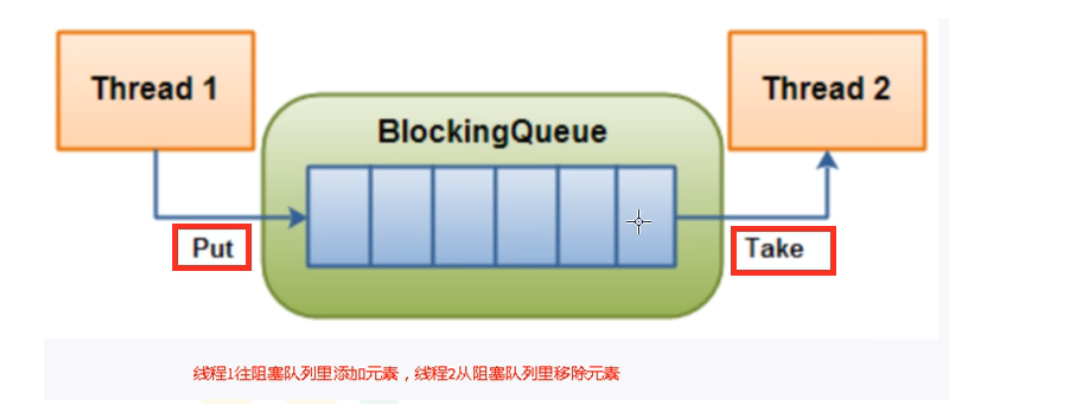
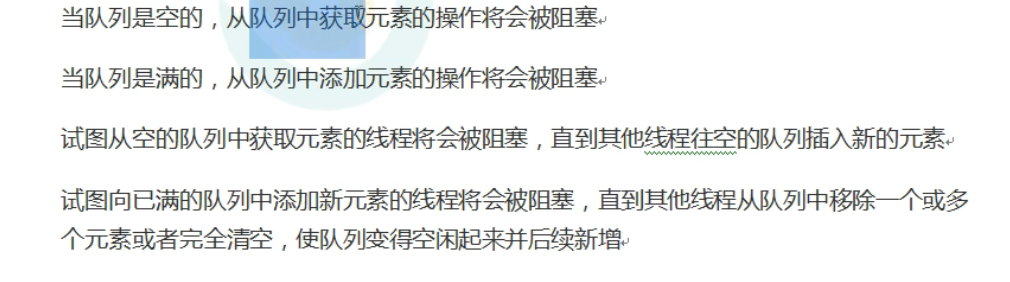
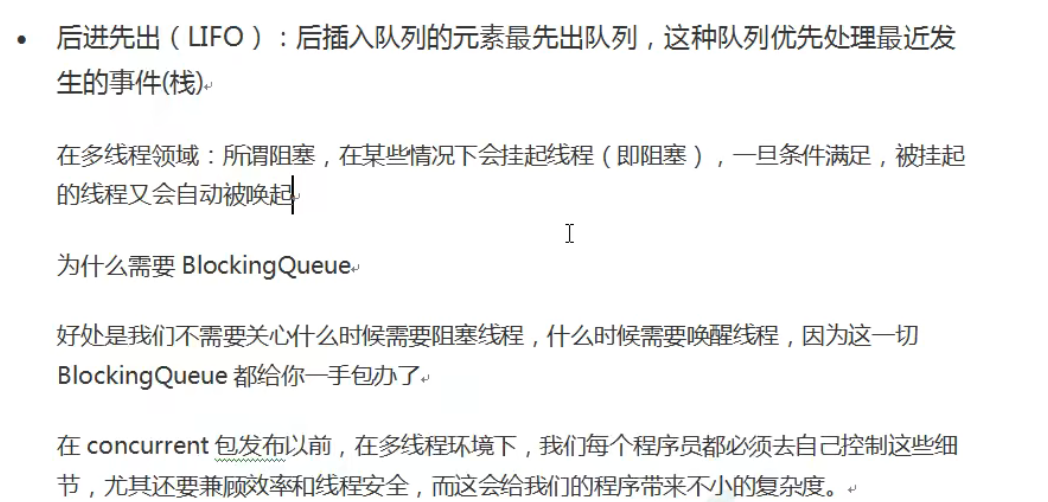
分类和核心方法
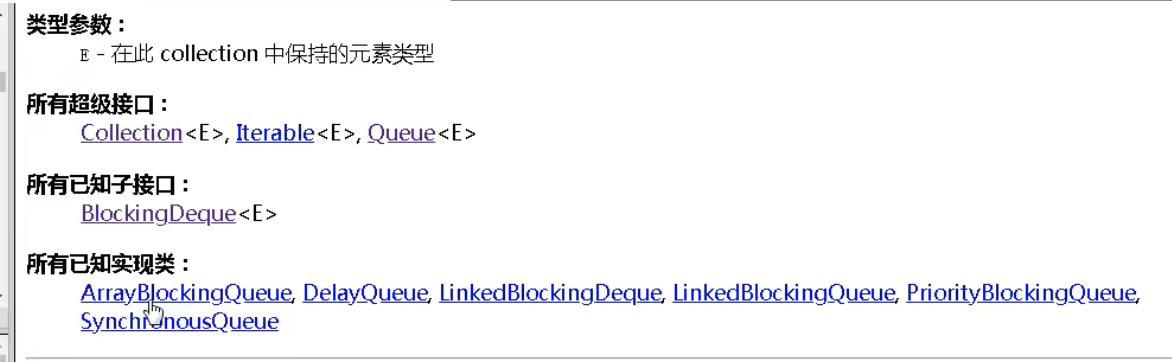
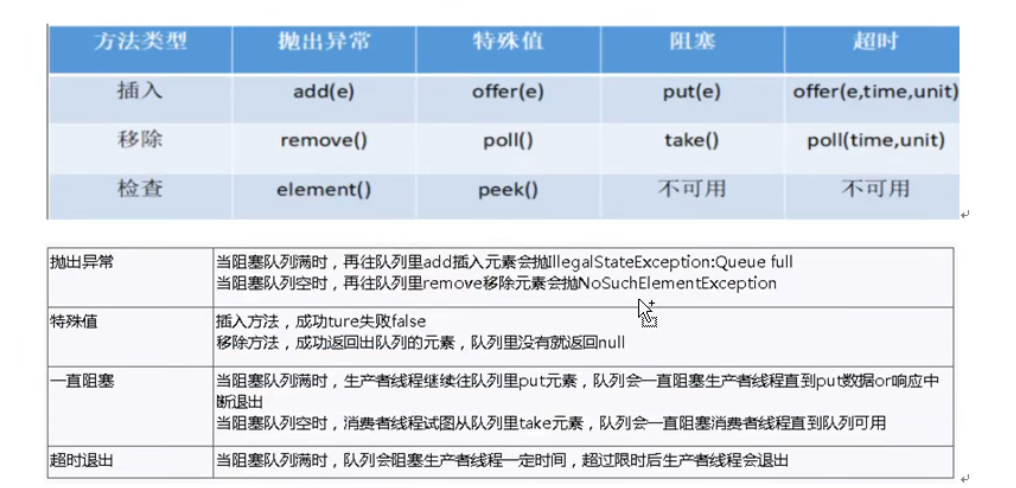
这里是在讲 为了区分在不同场景下 调用的不同组实现方法
核心方法演示
java
package com.example.juc.queue;


import java.util.concurrent.ArrayBlockingQueue;
import java.util.concurrent.BlockingQueue;
import java.util.concurrent.TimeUnit;

public class BlockingQueueDemo {

    public static void main(String[] args) throws InterruptedException {

        BlockingQueue<String> blockingQueue = new ArrayBlockingQueue<>(3);

        // 第一组
//        System.out.println(blockingQueue.add("a"));
//        System.out.println(blockingQueue.add("b"));
//        System.out.println(blockingQueue.add("c"));
//        System.out.println(blockingQueue.element());

        // Exception in thread "main" java.lang.IllegalStateException: Queue full
//        System.out.println(blockingQueue.add("d"));

//        System.out.println(blockingQueue.remove());
//        System.out.println(blockingQueue.remove());
//        System.out.println(blockingQueue.remove());
        // Exception in thread "main" java.util.NoSuchElementException
//        System.out.println(blockingQueue.remove());


        // 第二组
//        System.out.println(blockingQueue.offer("a"));
//        System.out.println(blockingQueue.offer("b"));
//        System.out.println(blockingQueue.offer("c"));
//        // a
//        System.out.println(blockingQueue.peek());
//
//        // false
//        System.out.println(blockingQueue.offer("d"));
//
//        System.out.println(blockingQueue.poll());
//        System.out.println(blockingQueue.poll());
//        System.out.println(blockingQueue.poll());
//        // null
//        System.out.println(blockingQueue.poll());

        // 第三组
//        blockingQueue.put("a");
//        blockingQueue.put("b");
//        blockingQueue.put("c");
//        // 会阻塞住 由于用的是定长的 ArrayBlockingQueue
        blockingQueue.put("www");
//
//
//        System.out.println(blockingQueue.take());
//        System.out.println(blockingQueue.take());
//        System.out.println(blockingQueue.take());
//        // 阻塞
//        System.out.println(blockingQueue.take());

        // 第四组
        System.out.println(blockingQueue.offer("a"));
        System.out.println(blockingQueue.offer("b"));
        System.out.println(blockingQueue.offer("c"));
        // 阻塞 3S 后退出 返回 false
//        System.out.println(blockingQueue.offer("w", 3L, TimeUnit.SECONDS));


        System.out.println(blockingQueue.poll());
        System.out.println(blockingQueue.poll());
        System.out.println(blockingQueue.poll());
        // 阻塞 3S 后退出 返回 null
        System.out.println(blockingQueue.poll(3L, TimeUnit.SECONDS));

    }
}
线程池
概念
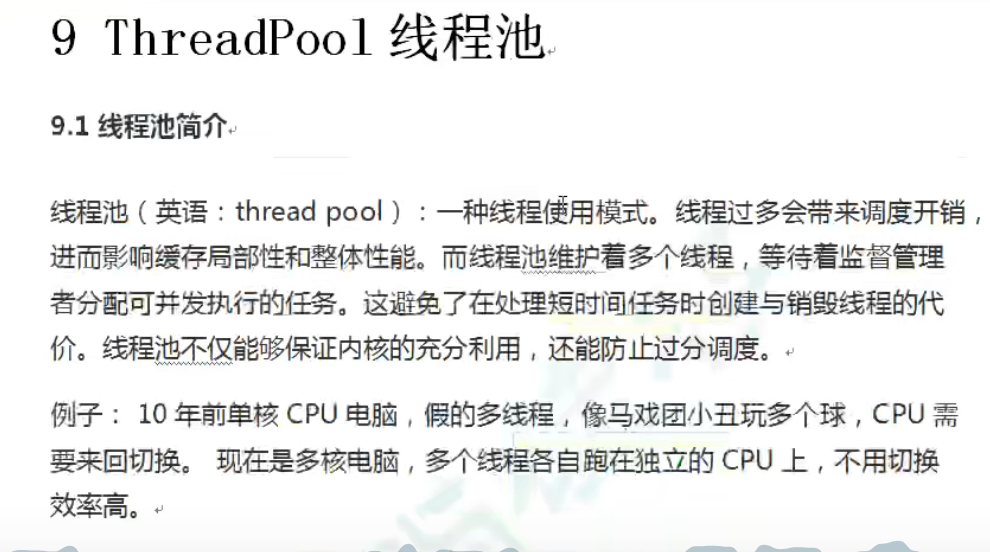
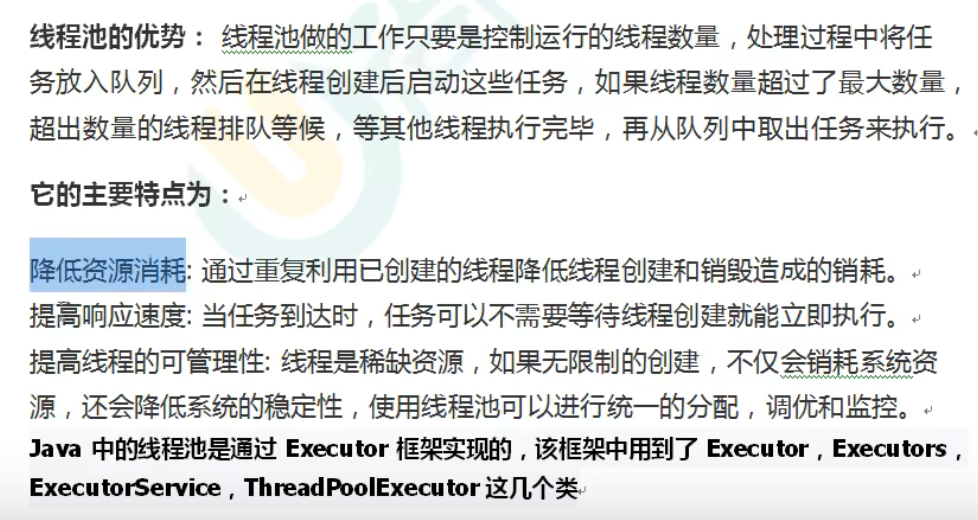
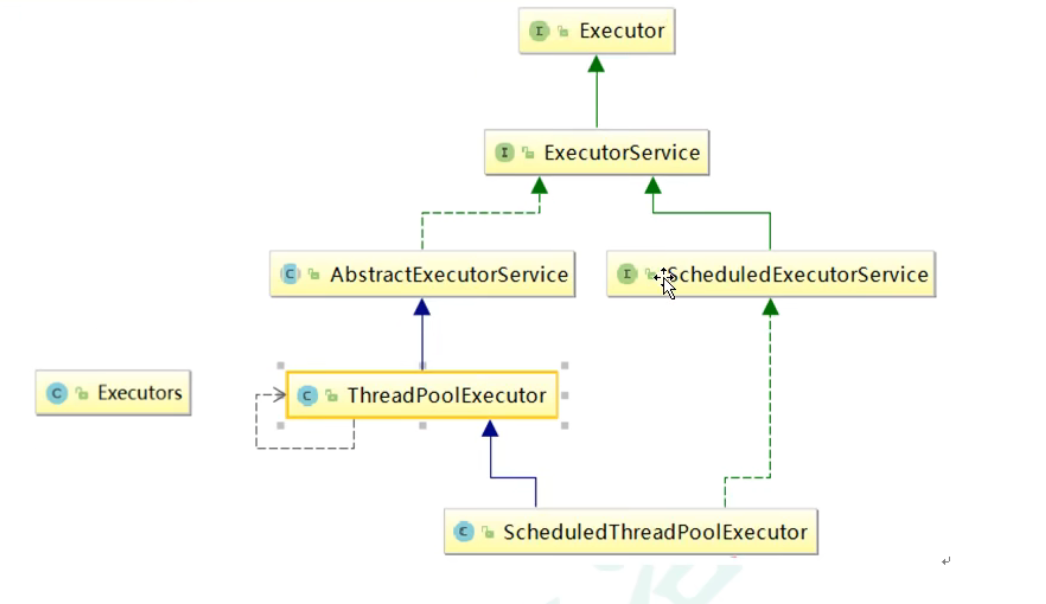
接口介绍以及提交任务方式对比
Executor
我们把实现了 Runnable或者 Callable接口的任务提交给线程池
Executor框架负责任务的执行
提交任务可以使用 submit和 execute
ExecutorService 中 execute 和 submit 的区别
ExecutorService 中的 execute 和 submit 方法都用于提交任务,但它们有一些关键区别:
1.返回类型:
execute(Runnable command): 这个方法没有返回值。它只接受一个 Runnable 对象并执行它。
submit(Callable task): 这个方法返回一个 Future 对象。它可以接受一个 Callable 对象或一个 Runnable 对象,并返回一个 Future,可以用来检查任务的状态或获取任务的结果。
- 异常处理:
execute: 如果任务在执行过程中抛出未捕获的异常,异常会直接传播到调用者线程。
submit: 如果任务在执行过程中抛出未捕获的异常,异常会被捕获并存储在返回的 Future 对象中。调用 Future.get() 方法时会抛出 ExecutionException,其 getCause() 方法返回实际的异常。
任务类型:
execute: 只能接受 Runnable 对象。
submit: 可以接受 Runnable 或 Callable 对象
java
public static void main(String[] args) {
        ExecutorService threadPool = Executors.newFixedThreadPool(5);

        // 使用 execute 提交任务
        threadPool.execute(() -> {
            System.out.println(Thread.currentThread().getName() + " 使用 execute 办理业务");
        });

        // 使用 submit 提交任务
        Future<String> future = threadPool.submit(() -> {
            System.out.println(Thread.currentThread().getName() + " 使用 submit 办理业务");
            return "任务完成";
        });

        try {
            // 获取 submit 任务的结果
            String result = future.get();
            System.out.println("submit 任务结果: " + result);
        } catch (InterruptedException | ExecutionException e) {
            e.printStackTrace();
        } finally {
            threadPool.shutdown();
        }
    }
总结: execute 功能较简单,submit 可以看做增强版本,可以获取一个 future
ScheduledThreadThreadPoolExecutor添加了调度任务执行的功能
常见线程池和创建线程池的底层原理

java
package com.example.juc.pool;

import java.util.concurrent.ExecutorService;
import java.util.concurrent.Executors;

// 演示线程池 三种 常用分类
public class ThreadPoolDemo1 {

    public static void main(String[] args) {
        // 一池五线程
        ExecutorService threadPool1 = Executors.newFixedThreadPool(5);

        // 一池一线程
        ExecutorService threadPool2 = Executors.newSingleThreadExecutor();

        // 一池可扩容线程
        ExecutorService threadPool3 = Executors.newCachedThreadPool();


        // 10 个顾客请求
        try {
            for (int i = 0; i <= 10; i++) {
                // 执行
                threadPool3.execute(() -> {
                    System.out.println(Thread.currentThread().getName() + " 办理业务");
                });
            }
        } catch (Exception e) {
            e.printStackTrace();
        } finally {
            threadPool3.shutdown();
        }

    }
}
底层都是创建 ThreadPoolExecutor
java
public static ExecutorService newFixedThreadPool(int nThreads) {
        return new ThreadPoolExecutor(nThreads, nThreads,
                                      0L, TimeUnit.MILLISECONDS,
                                      new LinkedBlockingQueue<Runnable>());
    }

public static ExecutorService newSingleThreadExecutor() {
        return new FinalizableDelegatedExecutorService
            (new ThreadPoolExecutor(1, 1,
                                    0L, TimeUnit.MILLISECONDS,
                                    new LinkedBlockingQueue<Runnable>()));
    }

public static ExecutorService newCachedThreadPool() {
        return new ThreadPoolExecutor(0, Integer.MAX_VALUE,
                                      60L, TimeUnit.SECONDS,
                                      new SynchronousQueue<Runnable>());
    }


// 引出下面的一小节,ThreadPoolExecutor 总共有 七个参数
public ThreadPoolExecutor(int corePoolSize,
                              int maximumPoolSize,
                              long keepAliveTime,
                              TimeUnit unit,
                              BlockingQueue<Runnable> workQueue,
                              ThreadFactory threadFactory,
RejectedExecutionHandler handler)- newFixedThreadPool
- 没有救急线程,也就无需空闲时间,阻塞队列无限
- 适合任务量已知,相对耗时任务
- newSingleThreadExecutor
- 希望多个任务排队执行,线程数固定一个,多余任务排队执行
- newCachedThreadPool
- 全部是救急线程,60s空闲回收时间,救急线程无限创建
- 适合任务比较密集,任务执行时间短
七个参数介绍
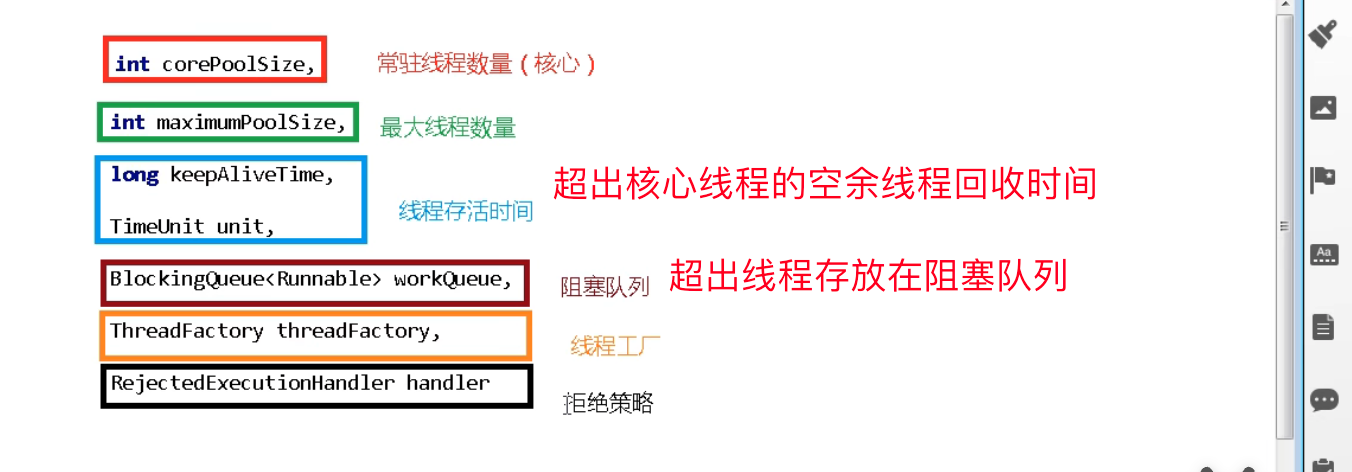
重点注意 keepAliveTIme 和 unit ,是用于救急线程在空闲后的回收
常用阻塞队列
- 容量为
Integer.MAX_VALUE的<font style="color:#DF2A3F;">LinkedBlockingQueue</font>(无界队列):FixedThreadPool和SingleThreadExector。FixedThreadPool最多只能创建核心线程数的线程(核心线程数和最大线程数相等),SingleThreadExector只能创建一个线程(核心线程数和最大线程数都是 1),二者的任务队列永远不会被放满。
java
public class LinkedBlockingQueueExample {
    public static void main(String[] args) {
        // 创建一个容量为 5 的 LinkedBlockingQueue 队列
        LinkedBlockingQueue<String> queue = new LinkedBlockingQueue<>(5);

        // 创建生产者线程
        Thread producer = new Thread(() -> {
            try {
                for (int i = 1; i <= 5; i++) {
                    String element = "Element-" + i;
                    System.out.println("Producer is putting: " + element);
                    queue.put(element);  // 阻塞直到有空间可放入元素
                    System.out.println("Producer has put: " + element);
                }
            } catch (InterruptedException e) {
                Thread.currentThread().interrupt();
            }
        });

        // 创建消费者线程
        Thread consumer = new Thread(() -> {
            try {
                for (int i = 1; i <= 5; i++) {
                    System.out.println("Consumer is waiting to take an element...");
                    String element = queue.take();  // 阻塞直到有元素可取
                    System.out.println("Consumer has taken: " + element);
                }
            } catch (InterruptedException e) {
                Thread.currentThread().interrupt();
            }
        });

        // 启动生产者和消费者线程
        producer.start();
        consumer.start();
    }
}
<font style="color:#DF2A3F;">SynchronousQueue</font>(同步队列):CachedThreadPool。SynchronousQueue没有容量,不存储元素,插入时阻塞,直到元素被取出。DelayedWorkQueue(延迟阻塞队列):ScheduledThreadPool和SingleThreadScheduledExecutor。DelayedWorkQueue的内部元素并不是按照放入的时间排序,而是会按照延迟的时间长短对任务进行排序,内部采用的是"堆"的数据结构,可以保证每次出队的任务都是当前队列中执行时间最靠前的。DelayedWorkQueue添加元素满了之后会自动扩容原来容量的 1/2,即永远不会阻塞,最大扩容可达Integer.MAX_VALUE,所以最多只能创建核心线程数的线程。- ArrayBlockingQueue: 有界阻塞队列,内部是一个数组。需要指定队列的容量。适用于有界任务队列的场景。
- PriorityBlockingQueue:支持优先级排序的无界阻塞队列。元素按照优先级顺序出队。适用于需要任务优先级调度的场景。
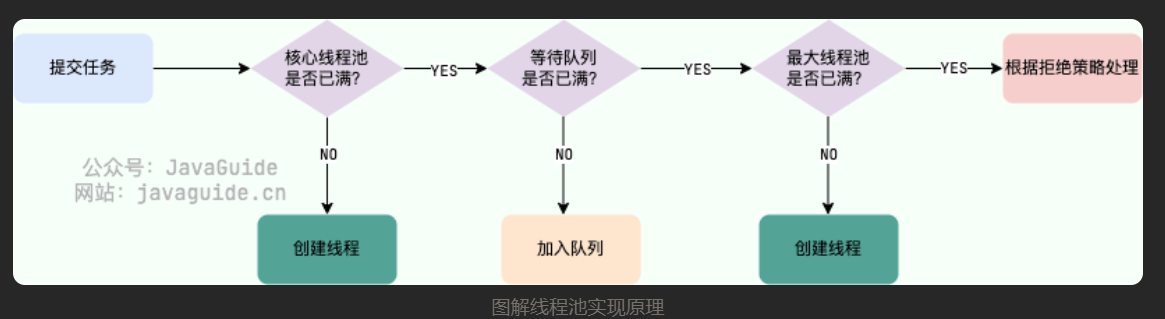
工作流程和拒绝策略
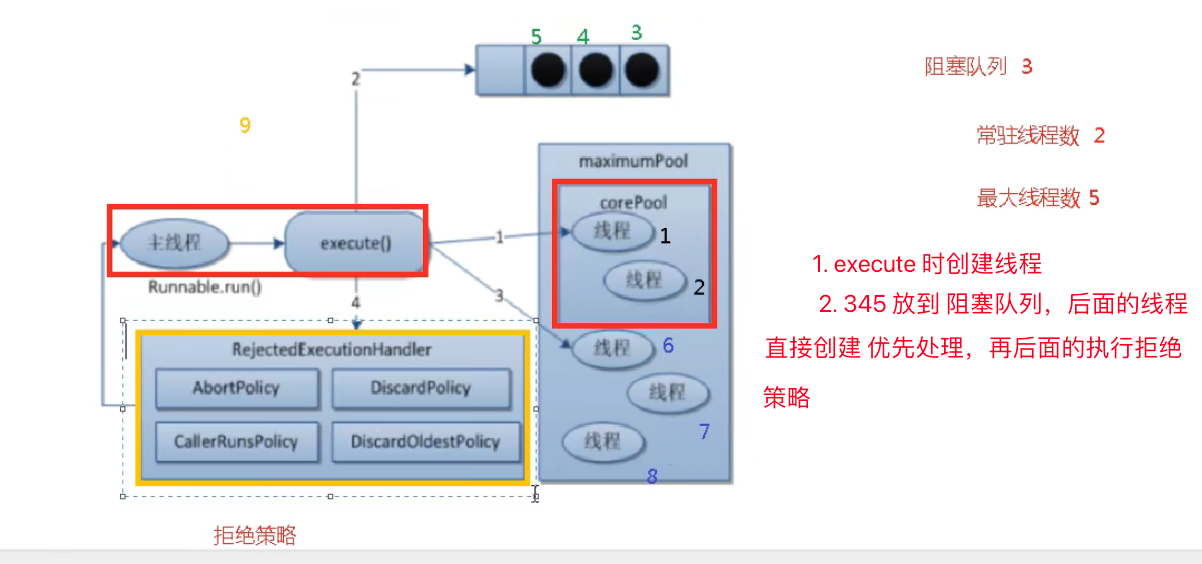
- 如果当前运行的线程数小于核心线程数,那么就会新建一个线程来执行任务。
- 如果当前运行的线程数等于或大于核心线程数,但是小于最大线程数,那么就把该任务放入到任务队列里等待执行。
- 如果向任务队列投放任务失败(任务队列已经满了),但是当前运行的线程数是小于最大线程数的,就新建一个线程来执行任务。
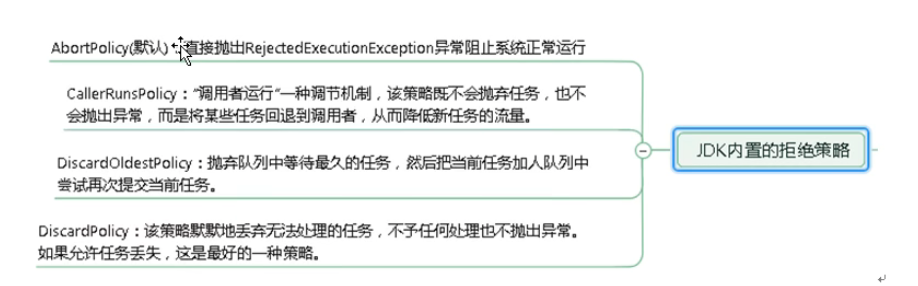
- 如果当前运行的线程数已经等同于最大线程数了,新建线程将会使当前运行的线程超出最大线程数,那么当前任务会被拒绝,拒绝策略会调用
RejectedExecutionHandler.rejectedExecution()方法。
自定义线程池
java
package com.example.juc.pool;

import java.util.concurrent.ArrayBlockingQueue;
import java.util.concurrent.Executors;
import java.util.concurrent.ThreadPoolExecutor;
import java.util.concurrent.TimeUnit;

// 自定义线程池
public class ThreadPoolDemo2 {
    public static void main(String[] args) {
        ThreadPoolExecutor threadPool = new ThreadPoolExecutor(2,
                5,
                2L,
                TimeUnit.SECONDS,
                new ArrayBlockingQueue<>(3),
                Executors.defaultThreadFactory(),
                new ThreadPoolExecutor.AbortPolicy());

        // 10 个顾客请求
        try {
            for (int i = 0; i <= 150; i++) {
                // 执行
                threadPool.execute(() -> {
                    System.out.println(Thread.currentThread().getName() + " 办理业务");
                });
            }
        } catch (Exception e) {
            e.printStackTrace();
        } finally {
            threadPool.shutdown();
        }
    }
}