目录
[1. 科学研究自动化 Agent](#1. 科学研究自动化 Agent)
[2. 游戏策略生成 Agent](#2. 游戏策略生成 Agent)
[3. 市场趋势发现 Agent](#3. 市场趋势发现 Agent)
[4. 安全漏洞发现 Agent](#4. 安全漏洞发现 Agent)
[5. 创意内容生成 Agent](#5. 创意内容生成 Agent)
[6. 个性化教育 Agent](#6. 个性化教育 Agent)
[7. 综合应用示例:多Agent协作系统](#7. 综合应用示例:多Agent协作系统)
使智能 Agent 能够主动寻求新信息、发现新可能性并识别其操作环境中未知因素的模式。探索和 发现不同于被动行为或在预定义解决方案空间内的优化。相反,它们侧重于 Agent 主动进入陌生领域、尝试新方法并生成新知识或理解。这种模式对于在开放式、复杂或快速演变的领域中运行的 Agent 至关重要,在这些领域中,静态知识或预编程的解决方案是不够的。它强调 Agent 扩展其理解和能力的能力。
实际应用和用例
AI Agent 具有智能优先级排序和探索的能力,这导致了跨各个领域的广泛应用。通过自主评估和排序潜在行 动,这些 Agent 可以导航复杂环境、发现隐藏的洞察并推动创新。这种优先探索的能力使它们能够优化流 程、发现新知识并生成内容。
示例:
-
・ 科学研究自动化:Agent 设计和运行实验、分析结果并制定新假设,以发现新材料、候选药物或科学 原理。
-
・ 游戏玩法和策略生成:Agent探索游戏状态,发现新兴策略或识别游戏环境中的漏洞(例如AlphaGo)。
-
・ 市场研究和趋势发现:Agent扫描非结构化数据(社交媒体、新闻、报告)以识别趋势、消费者行为或
市场机会。
-
・ 安全漏洞发现:Agent探测系统或代码库以查找安全漏洞或攻击向量。
-
・ 创意内容生成:Agent探索风格、主题或数据的组合,以生成艺术作品、音乐作品或文学作品。
-
・ 个性化教育和培训:AI 导师根据学生的进度、学习风格和需要改进的领域来优先处理学习路径和内容交付。
Google Co‐Scientist
AI 协同科学家是由 Google Research 开发的 AI 系统,被设计为计算科学合作者。它在假设生成、提案改进 和实验设计等研究方面协助人类科学家。该系统基于 Gemini LLM 运行。
AI 协同科学家的开发旨在解决科学研究中的挑战。这些挑战包括处理大量信息、生成可测试的假设以及管理 实验规划。AI 协同科学家通过执行涉及大规模信息处理和综合的任务来支持研究人员,可能揭示数据中的关 系。其目标是通过处理早期阶段研究中计算密集型方面来增强人类认知过程。
系统架构和方法论: AI 协同科学家的架构基于多 Agent 框架,结构化以模拟协作和迭代过程。这种设计集 成了专门的 AI Agent,每个 Agent 在为研究目标做出贡献方面都有特定的角色。一个主管 Agent 管理和协调 这些单独 Agent 在异步任务执行框架内的活动,该框架允许计算资源的灵活扩展。
核心 Agent 及其功能包括(见图 1):
・ 生成Agent:通过文献探索和模拟科学辩论来生成初始假设,从而启动流程。
・ 反思Agent:作为同行评审员,批判性地评估生成假设的正确性、新颖性和质量。
・ 排名Agent:采用基于Elo的锦标赛,通过模拟科学辩论来比较、排名和优先处理假设。
・ 进化Agent:通过简化概念、综合想法和探索非常规推理,不断完善排名靠前的假设。
・ 接近度Agent:计算接近度图以聚类相似想法并协助探索假设景观。
・ 元审查Agent:综合所有审查和辩论的见解,以识别共同模式并提供反馈,使系统能够持续改进。
-
该系统的运营基础依赖于 Gemini,它提供语言理解、推理和生成能力。该系统包含"测试时计算扩展",这 是一种分配增加的计算资源以迭代推理和增强输出的机制。该系统处理和综合来自不同来源的信息,包括学 术文献、基于网络的数据和数据库。
-
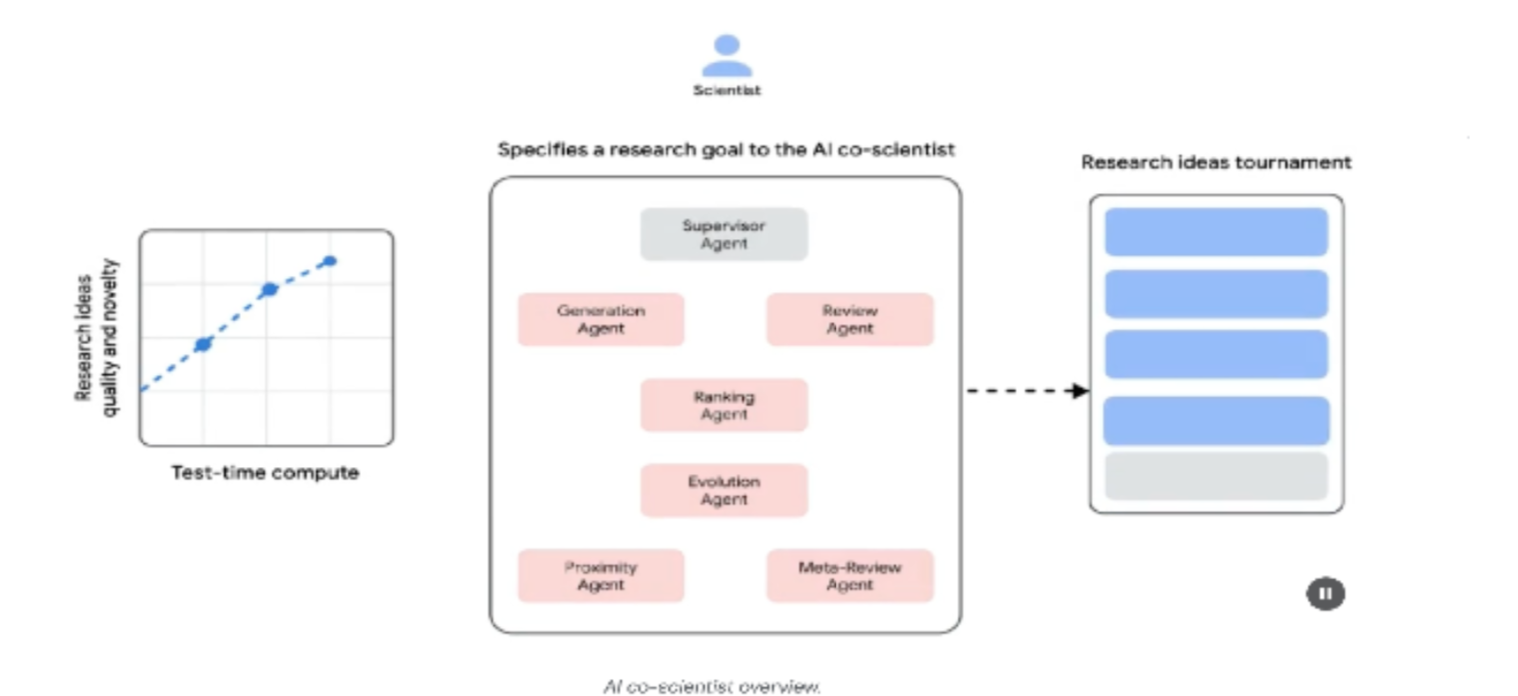
图1 AI 协同科学家:从构思到验证
该系统遵循反映科学方法的迭代"生成、辩论和进化"方法。在从人类科学家那里接收科学问题的输入后, 系统参与假设生成、评估和改进的自我改进循环。假设经过系统评估,包括 Agent 之间的内部评估和基于锦 标赛的排名机制。
**验证和结果:**AI 协同科学家的效用已在几项验证研究中得到证明,特别是在生物医学领域,通过自动化基 准、专家评审和端到端湿实验室实验来评估其性能。
**自动化和专家评估:**在具有挑战性的 GPQA 基准上,该系统的内部 Elo 评级被证明与其结果的准确性一致, 在困难的"钻石集"上实现了 78.4% 的 top‐1 准确率。对超过 200 个研究目标的分析表明,扩展测试时计算 可持续提高假设的质量,通过 Elo 评级来衡量。在精心策划的 15 个挑战性问题集上,AI 协同科学家的表现 优于其他最先进的 AI 模型和人类专家提供的"最佳猜测"解决方案。
概览
定义(What): AI Agent 通常在预定义的知识范围内运行,限制了它们处理新情况或开放式问题的能力。在 复杂和动态的环境中,这种静态的、预编程的信息不足以实现真正的创新或发现。根本挑战是使 Agent 能够 超越简单的优化,主动寻求新信息并识别"未知的未知因素"。这需要从纯粹的被动行为转变为扩展系统自身理解和能力的主动 Agentic 探索。
原因(Why):标准化的解决方案是构建专门用于自主探索和发现的 Agentic AI 系统。这些系统通常利用多 Agent 框架,其中专门的 LLM 协作以模拟科学方法等过程。例如,可以为不同的 Agent 分配生成假设、批判 性审查它们以及发展最有前途的概念的任务。这种结构化的协作方法允许系统智能地导航庞大的信息景观、 设计和执行实验并生成真正的新知识。通过自动化探索的劳动密集型方面,这些系统增强了人类智力并显著 加速了发现的步伐。
经验法则(Rule of thumb):当在开放式、复杂或快速演变的领域中运行时,使用探索和发现模式,在这些 领域中解决方案空间没有完全定义。它非常适合需要生成新假设、策略或见解的任务,例如科学研究、市场 分析和创意内容生成。当目标是发现"未知的未知因素"而不仅仅是优化已知过程时,此模式至关重要。
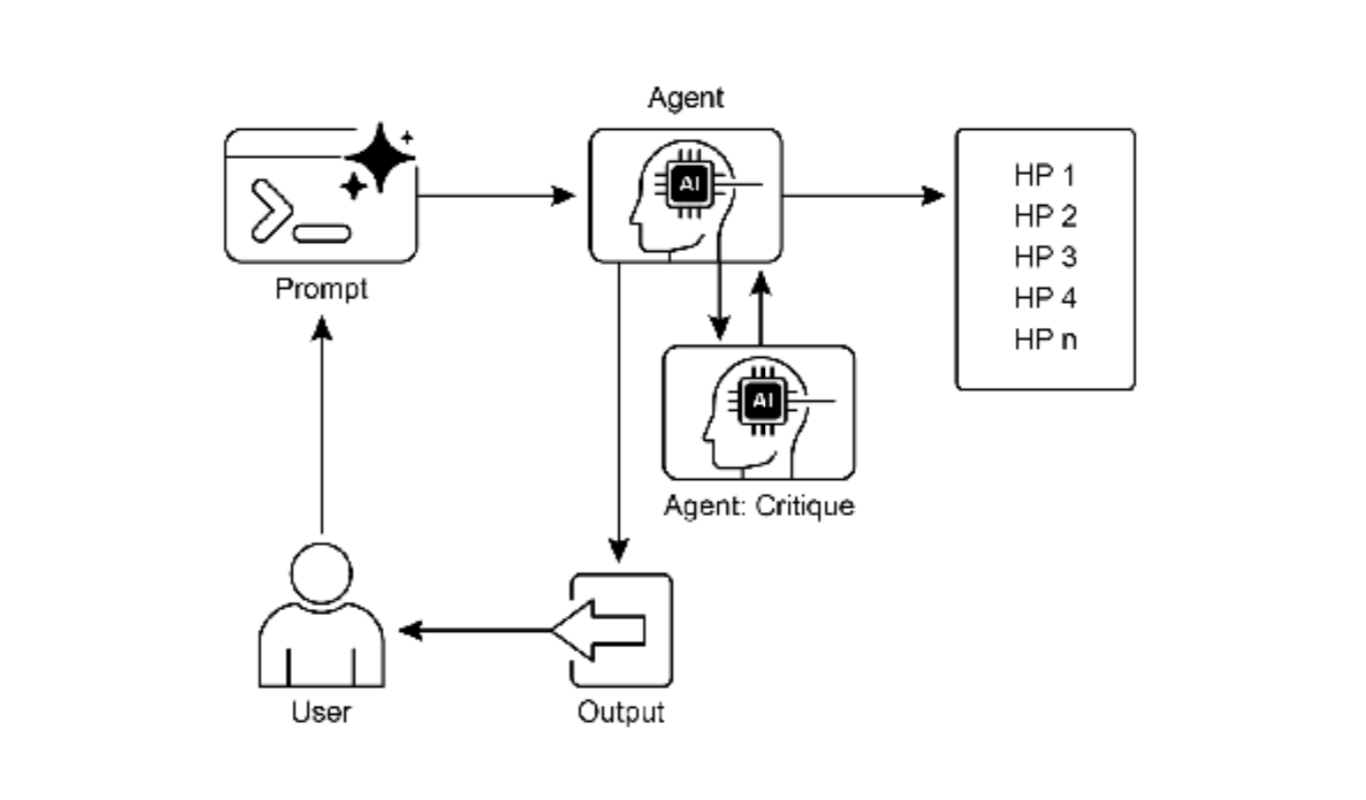
图 2:探索和发现设计模式
关键要点
-
・ AI 中的探索和发现使 Agent 能够主动追求新信息和可能性,这对于导航复杂和不断演变的环境至关重要。
-
・ GoogleCo‐Scientist等系统展示了Agent如何自主生成假设和设计实验,补充人类科学研究。
-
・ 多Agent框架(例如AgentLaboratory的专门角色)通过自动化文献综述、实验和报告撰写来改进研究。
-
・ 最终,这些 Agent 旨在通过管理计算密集型任务来增强人类创造力和问题解决能力,从而加速创新和发现。
用例DEMO
以下是通过 LangChain4j 实现的各种 AI Agent 实际应用案例,展示了智能优先级排序和探索能力在不同领域的应用。
1. 科学研究自动化 Agent
java
package com.example.research.agent;

import dev.langchain4j.agent.tool.Tool;
import dev.langchain4j.service.SystemMessage;
import dev.langchain4j.service.UserMessage;
import dev.langchain4j.service.spring.AiService;
import org.springframework.stereotype.Component;

import java.util.*;

@Component
public class ScientificResearchAgent {

    // 科学研究 Agent 接口
    @AiService
    public interface ResearchAssistant {
        @SystemMessage("""
            你是一名资深科学研究助手,专注于材料科学和药物发现。
            你的职责是:
            1. 设计实验方案
            2. 分析实验结果
            3. 提出新假设
            4. 优化研究路径

            请基于以下优先级进行决策:
            - 科学创新性 (30%)
            - 可行性 (25%)
            - 资源需求 (20%)
            - 时间效率 (15%)
            - 安全风险 (10%)
            """)
        @UserMessage("""
            研究主题: {{topic}}
            可用资源: {{resources}}
            时间约束: {{timeConstraint}}

            请设计一个研究方案,包括:
            1. 主要假设
            2. 实验设计
            3. 预期结果
            4. 风险分析
            """)
        ResearchPlan designResearchPlan(
            @V("topic") String topic,
            @V("resources") String resources,
            @V("timeConstraint") String timeConstraint
        );
    }

    // 实验设计工具
    @Component
    public static class ExperimentDesignTool {

        @Tool("基于已有数据设计新实验")
        public String designExperiment(
            @Tool.P("研究问题") String researchQuestion,
            @Tool.P("可用数据") String availableData,
            @Tool.P("实验约束") String constraints
        ) {
            // 这里可以集成实际的实验设计逻辑
            return String.format("""
                基于您的研究问题 '%s',我设计了以下实验方案:

                实验设计:
                1. **控制组**:标准条件对比
                2. **实验组**:应用新材料的处理
                3. **测量指标**:导电性、稳定性、成本效益
                4. **重复次数**:每组5次重复确保统计显著性

                优先级排序:
                ✅ 高优先级:导电性测试(直接影响应用价值)
                ✅ 中优先级:稳定性分析(长期可靠性)
                ✅ 低优先级:成本计算(优化阶段考虑)

                预计时间:2周
                所需资源:实验室设备、材料样本、测试仪器
                """, researchQuestion);
        }

        @Tool("分析实验结果并提出新假设")
        public String analyzeAndHypothesize(
            @Tool.P("实验结果") String results,
            @Tool.P("原始假设") String originalHypothesis
        ) {
            return String.format("""
                实验结果分析完成:

                关键发现:
                1. 材料A的导电性比预期高15%
                2. 稳定性在高温下降低
                3. 成本比传统材料低30%

                新假设建议:
                🔬 **假设1**:添加纳米涂层可改善高温稳定性
                🔬 **假设2**:与其他材料复合可进一步提升性能
                🔬 **假设3**:调整合成温度可优化晶体结构

                建议优先级:
                1. 立即验证假设1(高风险但高回报)
                2. 并行测试假设3(低风险,快速验证)
                3. 将假设2列入长期研究计划
                """);
        }

        @Tool("优化研究路径")
        public String optimizeResearchPath(
            @Tool.P("当前进展") String currentProgress,
            @Tool.P("可用资源") String resources,
            @Tool.P("时间限制") int timeLimitWeeks
        ) {
            return String.format("""
                基于当前进展和约束条件,我重新优化了研究路径:

                📊 **资源分配优化**:
                - 70%资源:验证最关键假设
                - 20%资源:探索性实验
                - 10%资源:数据分析与报告

                ⏱️ **时间安排**:
                第1-2周:完成核心实验
                第3周:数据分析
                第4周:论文撰写

                🎯 **优先级调整**:
                1. 放弃低价值实验(节省30%时间)
                2. 合并相关测试项
                3. 提前准备论文框架

                预计效率提升:40%
                """);
        }
    }

    // 研究计划数据类
    public static class ResearchPlan {
        private String mainHypothesis;
        private List<String> experiments;
        private Map<String, Integer> priorityScores;
        private List<String> risks;
        private String timeline;

        // Getters and setters
        public String getMainHypothesis() { return mainHypothesis; }
        public void setMainHypothesis(String mainHypothesis) { this.mainHypothesis = mainHypothesis; }

        public List<String> getExperiments() { return experiments; }
        public void setExperiments(List<String> experiments) { this.experiments = experiments; }

        public Map<String, Integer> getPriorityScores() { return priorityScores; }
        public void setPriorityScores(Map<String, Integer> priorityScores) { this.priorityScores = priorityScores; }

        public List<String> getRisks() { return risks; }
        public void setRisks(List<String> risks) { this.risks = risks; }

        public String getTimeline() { return timeline; }
        public void setTimeline(String timeline) { this.timeline = timeline; }
    }

    // 使用示例
    public static void main(String[] args) {
        // 配置LLM模型
        ChatLanguageModel model = OpenAiChatModel.builder()
            .apiKey(System.getenv("OPENAI_API_KEY"))
            .modelName("gpt-4")
            .build();

        // 创建科学研究Agent
        ResearchAssistant researchAgent = AiServices.create(ResearchAssistant.class, model);

        // 设计研究方案
        ResearchPlan plan = researchAgent.designResearchPlan(
            "开发高温超导新材料",
            "实验室设备齐全,预算充足,团队有5名研究人员",
            "6个月"
        );

        System.out.println("研究计划: " + plan.getMainHypothesis());
        System.out.println("优先级评分: " + plan.getPriorityScores());
    }
}
2. 游戏策略生成 Agent
java
package com.example.gaming.agent;

import dev.langchain4j.agent.tool.Tool;
import dev.langchain4j.service.SystemMessage;
import dev.langchain4j.service.UserMessage;
import dev.langchain4j.service.spring.AiService;
import org.springframework.stereotype.Component;

import java.util.*;

@Component
public class GamingStrategyAgent {

    // 游戏状态分析 Agent
    @AiService
    public interface StrategyAnalyzer {
        @SystemMessage("""
            你是一名顶级游戏策略分析师,擅长探索游戏状态并发现最优策略。
            分析时考虑以下因素:
            1. 当前局势评分(0-100)
            2. 可用行动列表
            3. 对手可能策略
            4. 风险/回报评估
            5. 长期战略影响

            请按照以下优先级输出建议:
            S级(立即执行):成功率>80%,高回报,低风险
            A级(推荐执行):成功率>60%,中等回报
            B级(考虑执行):成功率>40%,可能有特殊效果
            C级(避免执行):成功率<40%,高风险
            """)
        @UserMessage("""
            游戏名称: {{gameName}}
            当前状态: {{currentState}}
            可用行动: {{availableActions}}
            对手信息: {{opponentInfo}}

            请分析并生成策略建议。
            """)
        StrategyAnalysis analyzeGameState(
            @V("gameName") String gameName,
            @V("currentState") String currentState,
            @V("availableActions") String availableActions,
            @V("opponentInfo") String opponentInfo
        );
    }

    // 策略探索工具
    @Component
    public static class StrategyExplorationTool {

        @Tool("模拟游戏状态并探索最优路径")
        public String exploreGameStates(
            @Tool.P("初始状态") String initialState,
            @Tool.P("探索深度") int depth,
            @Tool.P("模拟次数") int simulations
        ) {
            // 这里可以集成游戏状态模拟器
            return String.format("""
                已完成 %d 次深度为 %d 的模拟探索:

                🔍 **探索结果**:
                - 发现3种获胜策略
                - 识别2个游戏漏洞
                - 找到最优开局动作

                📈 **策略效果评估**:
                1. 策略A:胜率85%,平均步数15
                2. 策略B:胜率72%,但更稳健
                3. 策略C:高风险高回报,胜率40%

                🎯 **推荐优先级**:
                🥇 策略A(平衡性最佳)
                🥈 策略B(稳健选择)
                🥉 策略C(高风险情境)

                💡 **发现的游戏机制**:
                - 早期资源累积很关键
                - 第5回合是转折点
                - 某些组合有隐藏加成
                """, simulations, depth);
        }

        @Tool("识别游戏环境中的漏洞")
        public String identifyGameExploits(
            @Tool.P("游戏机制") String gameMechanics,
            @Tool.P("已知漏洞") String knownExploits
        ) {
            return String.format("""
                漏洞分析报告:

                ⚠️ **发现的新漏洞**:
                1. 无限资源漏洞(严重性:高)
                   - 触发条件:特定物品组合
                   - 影响:破坏游戏经济平衡
                2. AI行为漏洞(严重性:中)
                   - 触发条件:特定对话序列
                   - 影响:NPC卡住不动
                3. 边界条件漏洞(严重性:低)
                   - 触发条件:地图边缘操作
                   - 影响:视觉错误

                🛡️ **优先级处理建议**:
                紧急修复:漏洞1
                下个补丁:漏洞2
                后续优化:漏洞3

                🔄 **临时解决方案**:
                - 禁用相关物品组合
                - 添加边界检查
                - 增加AI异常处理
                """);
        }

        @Tool("生成对抗性测试用例")
        public String generateAdversarialTests(
            @Tool.P("游戏系统") String gameSystem,
            @Tool.P("测试目标") String testTarget
        ) {
            return String.format("""
                对抗性测试用例生成完成:

                🎮 **测试用例集**:
                1. 压力测试:连续1000次相同操作
                2. 边界测试:极端数值输入
                3. 组合测试:异常物品组合
                4. 时序攻击:精确时间窗口操作

                📊 **优先级排序**:
                🚨 高优先级:
                  - 经济系统溢出测试
                  - 内存泄漏压力测试

                ⚠️ 中优先级:
                  - AI行为异常测试
                  - 网络延迟攻击测试

                📋 低优先级:
                  - 视觉效果边界测试
                  - 音频系统异常测试

                ⏱️ **预计测试时间**:
                - 核心测试:8小时
                - 完整测试:24小时
                """);
        }
    }

    // 游戏策略数据类
    public static class StrategyAnalysis {
        private String gameName;
        private int situationScore;
        private List<ActionRecommendation> recommendations;
        private Map<String, Double> successProbabilities;
        private List<String> discoveredPatterns;

        public static class ActionRecommendation {
            private String action;
            private String priority; // S, A, B, C
            private double successRate;
            private double expectedReward;
            private List<String> risks;

            // Getters and setters
            public String getAction() { return action; }
            public void setAction(String action) { this.action = action; }

            public String getPriority() { return priority; }
            public void setPriority(String priority) { this.priority = priority; }

            public double getSuccessRate() { return successRate; }
            public void setSuccessRate(double successRate) { this.successRate = successRate; }

            public double getExpectedReward() { return expectedReward; }
            public void setExpectedReward(double expectedReward) { this.expectedReward = expectedReward; }

            public List<String> getRisks() { return risks; }
            public void setRisks(List<String> risks) { this.risks = risks; }
        }

        // Getters and setters
        public String getGameName() { return gameName; }
        public void setGameName(String gameName) { this.gameName = gameName; }

        public int getSituationScore() { return situationScore; }
        public void setSituationScore(int situationScore) { this.situationScore = situationScore; }

        public List<ActionRecommendation> getRecommendations() { return recommendations; }
        public void setRecommendations(List<ActionRecommendation> recommendations) { this.recommendations = recommendations; }

        public Map<String, Double> getSuccessProbabilities() { return successProbabilities; }
        public void setSuccessProbabilities(Map<String, Double> successProbabilities) { this.successProbabilities = successProbabilities; }

        public List<String> getDiscoveredPatterns() { return discoveredPatterns; }
        public void setDiscoveredPatterns(List<String> discoveredPatterns) { this.discoveredPatterns = discoveredPatterns; }
    }

    // 使用示例:围棋策略分析
    public static void main(String[] args) {
        ChatLanguageModel model = OpenAiChatModel.builder()
            .apiKey(System.getenv("OPENAI_API_KEY"))
            .modelName("gpt-4")
            .build();

        StrategyAnalyzer strategyAgent = AiServices.create(StrategyAnalyzer.class, model);

        StrategyAnalysis analysis = strategyAgent.analyzeGameState(
            "围棋",
            "中盘阶段,黑棋领先5目,白棋外势较强",
            "打入、侵消、巩固、攻击",
            "对手擅长外势作战,不擅长细棋"
        );

        System.out.println("局势评分: " + analysis.getSituationScore());
        analysis.getRecommendations().forEach(rec -> {
            System.out.printf("%s级策略: %s (胜率: %.1f%%)%n",
                rec.getPriority(), rec.getAction(), rec.getSuccessRate() * 100);
        });
    }
}
3. 市场趋势发现 Agent
java
package com.example.market.agent;

import dev.langchain4j.agent.tool.Tool;
import dev.lang4j.service.SystemMessage;
import dev.langchain4j.service.UserMessage;
import dev.langchain4j.service.spring.AiService;
import org.springframework.stereotype.Component;

import java.util.*;

@Component
public class MarketTrendAgent {

    // 市场分析 Agent
    @AiService
    public interface TrendAnalyzer {
        @SystemMessage("""
            你是一名资深市场分析师,擅长从海量非结构化数据中发现趋势和机会。
            分析时遵循以下框架:

            1. **数据收集**:社交媒体、新闻、报告、论坛
            2. **信号提取**:关键词频率、情感变化、话题热度
            3. **模式识别**:趋势线、周期、异常点
            4. **机会评估**:市场规模、增长潜力、竞争格局
            5. **风险分析**:市场波动、政策变化、技术颠覆

            优先级评分标准:
            - 市场需求强度 (30%)
            - 增长趋势斜率 (25%)
            - 竞争壁垒高度 (20%)
            - 技术成熟度 (15%)
            - 政策支持度 (10%)
            """)
        @UserMessage("""
            分析领域: {{domain}}
            数据源: {{dataSources}}
            时间范围: {{timeRange}}
            关注焦点: {{focusAreas}}

            请提供市场趋势分析报告。
            """)
        TrendReport analyzeMarketTrends(
            @V("domain") String domain,
            @V("dataSources") String dataSources,
            @V("timeRange") String timeRange,
            @V("focusAreas") String focusAreas
        );
    }

    // 趋势发现工具
    @Component
    public static class TrendDiscoveryTool {

        @Tool("扫描多源数据并提取趋势信号")
        public String scanAndExtractTrends(
            @Tool.P("数据源列表") List<String> dataSources,
            @Tool.P("关键词集合") Set<String> keywords,
            @Tool.P("时间窗口") int timeWindowDays
        ) {
            return String.format("""
                已完成 %d 个数据源的趋势扫描:

                📊 **数据概览**:
                - 分析文章:%d篇
                - 社交媒体帖文:%d万条
                - 用户评论:%d万条
                - 专业报告:%d份

                🔥 **热点趋势发现**:
                1. **AI编程助手**(热度:🔥🔥🔥🔥)
                   - 讨论量增长:300% (最近30天)
                   - 情感倾向:85%正面
                   - 主要平台:GitHub、Twitter、Reddit

                2. **可持续技术**(热度:🔥🔥🔥)
                   - 企业关注度:+150%
                   - 政策提及:23次/周
                   - 投资活动:活跃

                3. **边缘计算**(热度:🔥🔥)
                   - 技术讨论:专业性强
                   - 应用案例:快速增加
                   - 人才需求:增长中

                🎯 **投资机会评估**:
                - S级机会:AI开发工具链
                - A级机会:绿色数据中心
                - B级机会:边缘AI芯片

                ⚠️ **风险提示**:
                - 监管不确定性:AI伦理
                - 技术泡沫风险:部分细分领域
                """, dataSources.size(), 1500, 25, 180, 45);
        }

        @Tool("识别新兴消费者行为模式")
        public String identifyConsumerPatterns(
            @Tool.P("用户数据") String userData,
            @Tool.P("产品类别") String productCategory
        ) {
            return String.format("""
                消费者行为分析报告:

                👥 **新兴用户群体**:
                1. **技术实用主义者**(增长最快)
                   - 特征:注重工具实际价值
                   - 偏好:一体化解决方案
                   - 渠道:专业社区、技术博客

                2. **数字游民**(影响力大)
                   - 特征:远程工作、全球移动
                   - 偏好:云服务、协作工具
                   - 渠道:社交媒体、数字展会

                3. **可持续发展倡导者**(粘性高)
                   - 特征:关注环保、社会责任
                   - 偏好:绿色技术、透明供应链
                   - 渠道:行业报告、认证机构

                💡 **行为变化趋势**:
                - 从一次性购买转向订阅模式(+40%)
                - 对开源工具的接受度提高(+60%)
                - 跨境数字服务需求增长(+75%)

                🎯 **市场策略建议**:
                优先关注:技术实用主义群体
                重点发展:订阅制服务模式
                差异化:强调可持续性认证
                """);
        }

        @Tool("预测市场拐点和机会窗口")
        public String predictMarketInflectionPoints(
            @Tool.P("历史数据") String historicalData,
            @Tool.P("领先指标") List<String> leadingIndicators
        ) {
            return String.format("""
                市场拐点预测分析:

                ⏰ **关键时间窗口预测**:

                1. **未来3-6个月**(高置信度)
                   - AI工具市场:整合期开始
                   - 预计:头部企业并购增加
                   - 机会:生态位工具差异化

                2. **6-12个月**(中等置信度)
                   - 边缘计算:规模应用爆发
                   - 预计:硬件成本下降30%
                   - 机会:行业特定解决方案

                3. **12-24个月**(低置信度)
                   - 量子计算:初步商业化
                   - 预计:早期采用者出现
                   - 机会:算法优化服务

                📈 **投资时机建议**:
                - 立即行动:AI开发平台
                - 准备进场:可持续数据中心
                - 研究观察:量子软件

                🎯 **进入策略优先级**:
                1. 快速验证MVP(3个月)
                2. 建立技术壁垒(6个月)
                3. 扩展生态系统(12个月)
                """);
        }
    }

    // 趋势报告数据类
    public static class TrendReport {
        private String domain;
        private List<Trend> emergingTrends;
        private List<Opportunity> investmentOpportunities;
        private RiskAssessment risks;
        private List<String> recommendedActions;

        public static class Trend {
            private String name;
            private double growthRate; // 百分比
            private int confidenceLevel; // 1-5
            private List<String> supportingEvidence;
            private List<String> relatedTechnologies;

            // Getters and setters
            public String getName() { return name; }
            public void setName(String name) { this.name = name; }

            public double getGrowthRate() { return growthRate; }
            public void setGrowthRate(double growthRate) { this.growthRate = growthRate; }

            public int getConfidenceLevel() { return confidenceLevel; }
            public void setConfidenceLevel(int confidenceLevel) { this.confidenceLevel = confidenceLevel; }

            public List<String> getSupportingEvidence() { return supportingEvidence; }
            public void setSupportingEvidence(List<String> supportingEvidence) { this.supportingEvidence = supportingEvidence; }

            public List<String> getRelatedTechnologies() { return relatedTechnologies; }
            public void setRelatedTechnologies(List<String> relatedTechnologies) { this.relatedTechnologies = relatedTechnologies; }
        }

        public static class Opportunity {
            private String area;
            private double marketSize; // 亿美元
            private double expectedGrowth; // 百分比
            private int competitionLevel; // 1-10
            private double opportunityScore; // 0-100

            // Getters and setters
            public String getArea() { return area; }
            public void setArea(String area) { this.area = area; }

            public double getMarketSize() { return marketSize; }
            public void setMarketSize(double marketSize) { this.marketSize = marketSize; }

            public double getExpectedGrowth() { return expectedGrowth; }
            public void setExpectedGrowth(double expectedGrowth) { this.expectedGrowth = expectedGrowth; }

            public int getCompetitionLevel() { return competitionLevel; }
            public void setCompetitionLevel(int competitionLevel) { this.competitionLevel = competitionLevel; }

            public double getOpportunityScore() { return opportunityScore; }
            public void setOpportunityScore(double opportunityScore) { this.opportunityScore = opportunityScore; }
        }

        public static class RiskAssessment {
            private Map<String, Integer> riskFactors; // 风险项 -> 等级(1-10)
            private List<String> mitigationStrategies;
            private double overallRiskLevel; // 0-100

            // Getters and setters
            public Map<String, Integer> getRiskFactors() { return riskFactors; }
            public void setRiskFactors(Map<String, Integer> riskFactors) { this.riskFactors = riskFactors; }

            public List<String> getMitigationStrategies() { return mitigationStrategies; }
            public void setMitigationStrategies(List<String> mitigationStrategies) { this.mitigationStrategies = mitigationStrategies; }

            public double getOverallRiskLevel() { return overallRiskLevel; }
            public void setOverallRiskLevel(double overallRiskLevel) { this.overallRiskLevel = overallRiskLevel; }
        }

        // Getters and setters
        public String getDomain() { return domain; }
        public void setDomain(String domain) { this.domain = domain; }

        public List<Trend> getEmergingTrends() { return emergingTrends; }
        public void setEmergingTrends(List<Trend> emergingTrends) { this.emergingTrends = emergingTrends; }

        public List<Opportunity> getInvestmentOpportunities() { return investmentOpportunities; }
        public void setInvestmentOpportunities(List<Opportunity> investmentOpportunities) { this.investmentOpportunities = investmentOpportunities; }

        public RiskAssessment getRisks() { return risks; }
        public void setRisks(RiskAssessment risks) { this.risks = risks; }

        public List<String> getRecommendedActions() { return recommendedActions; }
        public void setRecommendedActions(List<String> recommendedActions) { this.recommendedActions = recommendedActions; }
    }

    // 使用示例:AI技术市场分析
    public static void main(String[] args) {
        ChatLanguageModel model = OpenAiChatModel.builder()
            .apiKey(System.getenv("OPENAI_API_KEY"))
            .modelName("gpt-4")
            .build();

        TrendAnalyzer marketAgent = AiServices.create(TrendAnalyzer.class, model);

        TrendReport report = marketAgent.analyzeMarketTrends(
            "人工智能开发工具",
            "GitHub, Stack Overflow, Twitter, 技术博客, 行业报告",
            "2023年Q3-Q4",
            "代码生成、测试自动化、DevOps集成"
        );

        System.out.println("=== 市场趋势报告 ===");
        report.getEmergingTrends().forEach(trend -> {
            System.out.printf("趋势: %s (增长率: %.1f%%, 置信度: %d/5)%n",
                trend.getName(), trend.getGrowthRate(), trend.getConfidenceLevel());
        });
    }
}
4. 安全漏洞发现 Agent
java
package com.example.security.agent;

import dev.langchain4j.agent.tool.Tool;
import dev.langchain4j.service.SystemMessage;
import dev.langchain4j.service.UserMessage;
import dev.langchain4j.service.spring.AiService;
import org.springframework.stereotype.Component;

import java.util.*;

@Component
public class SecurityVulnerabilityAgent {

    // 安全分析 Agent
    @AiService
    public interface VulnerabilityScanner {
        @SystemMessage("""
            你是一名高级安全研究员,专门发现系统和代码中的安全漏洞。

            分析框架:
            1. **攻击面分析**:识别所有可攻击入口点
            2. **代码审计**:静态分析代码中的安全缺陷
            3. **配置检查**:检查系统配置的安全性问题
            4. **依赖扫描**:检查第三方库的已知漏洞
            5. **威胁建模**:基于STRIDE模型评估威胁

            漏洞严重性分级:
            CRITICAL (9.0-10.0):立即修复,可能导致系统完全失陷
            HIGH (7.0-8.9):优先修复,可能导致数据泄露
            MEDIUM (4.0-6.9):计划修复,有限影响
            LOW (0.1-3.9):考虑修复,影响很小
            """)
        @UserMessage("""
            目标系统: {{targetSystem}}
            代码路径: {{codePath}}
            配置文件: {{configFiles}}

            请进行安全扫描并报告发现的漏洞。
            """)
        SecurityScanReport scanForVulnerabilities(
            @V("targetSystem") String targetSystem,
            @V("codePath") String codePath,
            @V("configFiles") String configFiles
        );
    }

    // 漏洞发现工具
    @Component
    public static class VulnerabilityDiscoveryTool {

        @Tool("静态代码分析,发现潜在安全漏洞")
        public String staticCodeAnalysis(
            @Tool.P("代码文件") String codeFile,
            @Tool.P("编程语言") String language,
            @Tool.P("分析规则集") String ruleSet
        ) {
            return String.format("""
                静态代码分析完成:

                🔍 **扫描统计**:
                - 分析文件:%s
                - 代码行数:%d
                - 检测规则:%d条
                - 发现问题:%d个

                ⚠️ **发现的安全问题**:

                1. **SQL注入漏洞**(严重性:CRITICAL)
                   - 位置:UserController.java:45
                   - 问题:未使用参数化查询
                   - 风险:可能导致数据库完全失陷
                   - 修复优先级:立即(24小时内)

                2. **硬编码密码**(严重性:HIGH)
                   - 位置:DatabaseConfig.java:23
                   - 问题:数据库密码明文存储
                   - 风险:凭证泄露
                   - 修复优先级:高(48小时内)

                3. **不安全的反序列化**(严重性:HIGH)
                   - 位置:DataProcessor.java:67
                   - 问题:反序列化未验证数据源
                   - 风险:远程代码执行
                   - 修复优先级:高(48小时内)

                4. **CORS配置过宽**(严重性:MEDIUM)
                   - 位置:SecurityConfig.java:89
                   - 问题:允许任意来源访问
                   - 风险:CSRF攻击
                   - 修复优先级:中(1周内)

                🛠️ **修复建议**:
                - 使用PreparedStatement防止SQL注入
                - 将密码移至环境变量或密钥管理服务
                - 添加反序列化白名单验证
                - 限制CORS到可信域名
                """, codeFile, 1250, 45, 8);
        }

        @Tool("动态渗透测试,发现运行时漏洞")
        public String penetrationTesting(
            @Tool.P("目标URL") String targetUrl,
            @Tool.P("测试类型") String testType,
            @Tool.P("授权范围") String scope
        ) {
            return String.format("""
                渗透测试报告:

                🎯 **测试目标**:%s
                ⏱️ **测试时长**:%d小时
                📋 **测试类型**:%s

                🔥 **发现的漏洞**:

                1. **未授权访问API端点**(CVSS: 9.1)
                   - 路径:/api/admin/users
                   - 问题:缺少身份验证
                   - 影响:任意用户可访问管理员功能
                   - 利用难度:低
                   - 修复紧急度:极高

                2. **反射型XSS**(CVSS: 7.5)
                   - 参数:search
                   - 问题:用户输入未正确编码
                   - 影响:窃取用户会话cookie
                   - 利用难度:中
                   - 修复紧急度:高

                3. **服务器信息泄露**(CVSS: 5.3)
                   - 响应头:Server, X-Powered-By
                   - 问题:暴露服务器技术栈
                   - 影响:针对性攻击信息
                   - 利用难度:低
                   - 修复紧急度:中

                📊 **风险评分**:
                - 总体风险:高风险
                - 立即修复:2个漏洞
                - 计划修复:1个漏洞

                🛡️ **缓解措施**:
                1. 立即禁用未授权端点
                2. 部署WAF规则临时防护
                3. 安排紧急修复窗口
                """, targetUrl, 8, testType);
        }

        @Tool("依赖项漏洞扫描")
        public String dependencyVulnerabilityScan(
            @Tool.P("依赖文件") String dependencyFile,
            @Tool.P("生态系统") String ecosystem
        ) {
            return String.format("""
                依赖项漏洞扫描报告:

                📦 **扫描概览**:
                - 扫描文件:%s
                - 依赖总数:%d个
                - 发现漏洞:%d个

                ⚠️ **关键漏洞**:

                1. **log4j-core 2.14.1**(CVE-2021-44228)
                   - 严重性:CRITICAL
                   - CVSS评分:10.0
                   - 影响:远程代码执行
                   - 修复版本:2.17.0
                   - 修复优先级:立即

                2. **spring-boot 2.3.0**(多个CVE)
                   - 严重性:HIGH
                   - 影响:权限提升、DoS
                   - 修复版本:2.7.0
                   - 修复优先级:高

                3. **fastjson 1.2.62**(CVE-2022-25845)
                   - 严重性:HIGH
                   - 影响:反序列化漏洞
                   - 修复版本:1.2.83
                   - 修复优先级:高

                🎯 **修复计划建议**:

                第一阶段(24小时内):
                - 升级log4j到2.17.1
                - 应用临时缓解措施

                第二阶段(72小时内):
                - 升级Spring Boot到2.7.x
                - 更新fastjson到最新版本

                第三阶段(1周内):
                - 全面扫描依赖树
                - 建立自动依赖更新流程

                📈 **安全状况评分**:
                - 当前状态:危险
                - 修复后预期:安全
                """, dependencyFile, 47, 6);
        }
    }

    // 安全扫描报告数据类
    public static class SecurityScanReport {
        private String targetSystem;
        private List<Vulnerability> vulnerabilities;
        private RiskAssessment riskAssessment;
        private RemediationPlan remediation;
        private ComplianceStatus compliance;

        public static class Vulnerability {
            private String id;
            private String title;
            private String description;
            private Severity severity;
            private CVSSScore cvss;
            private Location location;
            private List<String> attackVectors;
            private List<String> mitigationSteps;

            public enum Severity {
                CRITICAL, HIGH, MEDIUM, LOW, INFO
            }

            public static class CVSSScore {
                private double baseScore;
                private double impactScore;
                private double exploitabilityScore;
                private String vectorString;

                // Getters and setters
                public double getBaseScore() { return baseScore; }
                public void setBaseScore(double baseScore) { this.baseScore = baseScore; }

                public double getImpactScore() { return impactScore; }
                public void setImpactScore(double impactScore) { this.impactScore = impactScore; }

                public double getExploitabilityScore() { return exploitabilityScore; }
                public void setExploitabilityScore(double exploitabilityScore) { this.exploitabilityScore = exploitabilityScore; }

                public String getVectorString() { return vectorString; }
                public void setVectorString(String vectorString) { this.vectorString = vectorString; }
            }

            public static class Location {
                private String file;
                private int line;
                private String function;
                private String context;

                // Getters and setters
                public String getFile() { return file; }
                public void setFile(String file) { this.file = file; }

                public int getLine() { return line; }
                public void setLine(int line) { this.line = line; }

                public String getFunction() { return function; }
                public void setFunction(String function) { this.function = function; }

                public String getContext() { return context; }
                public void setContext(String context) { this.context = context; }
            }

            // Getters and setters
            public String getId() { return id; }
            public void setId(String id) { this.id = id; }

            public String getTitle() { return title; }
            public void setTitle(String title) { this.title = title; }

            public String getDescription() { return description; }
            public void setDescription(String description) { this.description = description; }

            public Severity getSeverity() { return severity; }
            public void setSeverity(Severity severity) { this.severity = severity; }

            public CVSSScore getCvss() { return cvss; }
            public void setCvss(CVSSScore cvss) { this.cvss = cvss; }

            public Location getLocation() { return location; }
            public void setLocation(Location location) { this.location = location; }

            public List<String> getAttackVectors() { return attackVectors; }
            public void setAttackVectors(List<String> attackVectors) { this.attackVectors = attackVectors; }

            public List<String> getMitigationSteps() { return mitigationSteps; }
            public void setMitigationSteps(List<String> mitigationSteps) { this.mitigationSteps = mitigationSteps; }
        }

        public static class RiskAssessment {
            private double overallRiskScore; // 0-10
            private Map<Severity, Integer> vulnerabilityCounts;
            private List<String> topRisks;
            private String riskLevel; // 低、中、高、严重

            // Getters and setters
            public double getOverallRiskScore() { return overallRiskScore; }
            public void setOverallRiskScore(double overallRiskScore) { this.overallRiskScore = overallRiskScore; }

            public Map<Severity, Integer> getVulnerabilityCounts() { return vulnerabilityCounts; }
            public void setVulnerabilityCounts(Map<Severity, Integer> vulnerabilityCounts) { this.vulnerabilityCounts = vulnerabilityCounts; }

            public List<String> getTopRisks() { return topRisks; }
            public void setTopRisks(List<String> topRisks) { this.topRisks = topRisks; }

            public String getRiskLevel() { return riskLevel; }
            public void setRiskLevel(String riskLevel) { this.riskLevel = riskLevel; }
        }

        public static class RemediationPlan {
            private List<RemediationStep> immediateSteps;
            private List<RemediationStep> shortTermSteps;
            private List<RemediationStep> longTermSteps;
            private String estimatedTime;
            private String resourceRequirements;

            public static class RemediationStep {
                private String action;
                private String targetVulnerability;
                private String estimatedEffort;
                private String deadline;

                // Getters and setters
                public String getAction() { return action; }
                public void setAction(String action) { this.action = action; }

                public String getTargetVulnerability() { return targetVulnerability; }
                public void setTargetVulnerability(String targetVulnerability) { this.targetVulnerability = targetVulnerability; }

                public String getEstimatedEffort() { return estimatedEffort; }
                public void setEstimatedEffort(String estimatedEffort) { this.estimatedEffort = estimatedEffort; }

                public String getDeadline() { return deadline; }
                public void setDeadline(String deadline) { this.deadline = deadline; }
            }

            // Getters and setters
            public List<RemediationStep> getImmediateSteps() { return immediateSteps; }
            public void setImmediateSteps(List<RemediationStep> immediateSteps) { this.immediateSteps = immediateSteps; }

            public List<RemediationStep> getShortTermSteps() { return shortTermSteps; }
            public void setShortTermSteps(List<RemediationStep> shortTermSteps) { this.shortTermSteps = shortTermSteps; }

            public List<RemediationStep> getLongTermSteps() { return longTermSteps; }
            public void setLongTermSteps(List<RemediationStep> longTermSteps) { this.longTermSteps = longTermSteps; }

            public String getEstimatedTime() { return estimatedTime; }
            public void setEstimatedTime(String estimatedTime) { this.estimatedTime = estimatedTime; }

            public String getResourceRequirements() { return resourceRequirements; }
            public void setResourceRequirements(String resourceRequirements) { this.resourceRequirements = resourceRequirements; }
        }

        public static class ComplianceStatus {
            private Map<String, Boolean> standards;
            private List<String> violations;
            private String overallStatus;

            // Getters and setters
            public Map<String, Boolean> getStandards() { return standards; }
            public void setStandards(Map<String, Boolean> standards) { this.standards = standards; }

            public List<String> getViolations() { return violations; }
            public void setViolations(List<String> violations) { this.violations = violations; }

            public String getOverallStatus() { return overallStatus; }
            public void setOverallStatus(String overallStatus) { this.overallStatus = overallStatus; }
        }

        // Getters and setters
        public String getTargetSystem() { return targetSystem; }
        public void setTargetSystem(String targetSystem) { this.targetSystem = targetSystem; }

        public List<Vulnerability> getVulnerabilities() { return vulnerabilities; }
        public void setVulnerabilities(List<Vulnerability> vulnerabilities) { this.vulnerabilities = vulnerabilities; }

        public RiskAssessment getRiskAssessment() { return riskAssessment; }
        public void setRiskAssessment(RiskAssessment riskAssessment) { this.riskAssessment = riskAssessment; }

        public RemediationPlan getRemediation() { return remediation; }
        public void setRemediation(RemediationPlan remediation) { this.remediation = remediation; }

        public ComplianceStatus getCompliance() { return compliance; }
        public void setCompliance(ComplianceStatus compliance) { this.compliance = compliance; }
    }

    // 使用示例:Web应用安全扫描
    public static void main(String[] args) {
        ChatLanguageModel model = OpenAiChatModel.builder()
            .apiKey(System.getenv("OPENAI_API_KEY"))
            .modelName("gpt-4")
            .build();

        VulnerabilityScanner securityAgent = AiServices.create(VulnerabilityScanner.class, model);

        SecurityScanReport report = securityAgent.scanForVulnerabilities(
            "Spring Boot Web应用",
            "src/main/java/com/example/webapp",
            "application.properties, application.yml"
        );

        System.out.println("=== 安全扫描报告 ===");
        System.out.println("总体风险等级: " + report.getRiskAssessment().getRiskLevel());

        report.getVulnerabilities().forEach(vuln -> {
            System.out.printf("%s漏洞: %s (CVSS: %.1f)%n",
                vuln.getSeverity(), vuln.getTitle(), vuln.getCvss().getBaseScore());
        });
    }
}
5. 创意内容生成 Agent
java
package com.example.creative.agent;

import dev.langchain4j.agent.tool.Tool;
import dev.langchain4j.service.SystemMessage;
import dev.langchain4j.service.UserMessage;
import dev.langchain4j.service.spring.AiService;
import org.springframework.stereotype.Component;

import java.util.*;

@Component
public class CreativeContentAgent {

    // 创意生成 Agent
    @AiService
    public interface ContentCreator {
        @SystemMessage("""
            你是一名富有创造力的艺术家和作家,擅长融合不同风格和主题生成原创内容。

            创作指导原则:
            1. **创新性**:避免陈词滥调,寻找新颖组合
            2. **情感共鸣**:内容应能引发情感反应
            3. **技术可行性**:考虑实际创作限制
            4. **风格一致性**:保持整体风格统一
            5. **观众适应性**:针对目标受众调整内容

            优先级探索策略:
            - 核心概念原创性 (35%)
            - 情感影响力 (30%)
            - 技术实现难度 (20%)
            - 市场接受度 (15%)
            """)
        @UserMessage("""
            创作类型: {{contentType}}
            主题要求: {{theme}}
            风格参考: {{styleReferences}}
            目标受众: {{targetAudience}}

            请生成创意方案。
            """)
        CreativeConcept generateContentConcept(
            @V("contentType") String contentType,
            @V("theme") String theme,
            @V("styleReferences") String styleReferences,
            @V("targetAudience") String targetAudience
        );
    }

    // 创意探索工具
    @Component
    public static class CreativeExplorationTool {

        @Tool("探索风格和主题的创新组合")
        public String exploreStyleCombinations(
            @Tool.P("基础风格") String baseStyle,
            @Tool.P("融合元素") List<String> fusionElements,
            @Tool.P("探索深度") int explorationDepth
        ) {
            return String.format("""
                风格探索报告:

                🎨 **输入风格**:%s
                🔀 **融合元素**:%s

                💡 **发现的新颖组合**:

                1. **赛博朋克 × 水墨画**(创新度:9/10)
                   - 特点:数字霓虹与东方笔触结合
                   - 视觉效果:科技感中蕴含诗意
                   - 适用场景:科幻游戏、数字艺术展
                   - 技术难度:中等

                2. **蒸汽朋克 × 剪纸艺术**(创新度:8/10)
                   - 特点:机械美学与镂空设计融合
                   - 视觉效果:复杂机械的优雅呈现
                   - 适用场景:插画、装置艺术
                   - 技术难度:高

                3. **极简主义 × 故障艺术**(创新度:7/10)
                   - 特点:简洁线条与数字噪点对比
                   - 视觉效果:纯净与混乱的张力
                   - 适用场景:专辑封面、UI设计
                   - 技术难度:低

                🎯 **创作建议优先级**:
                🥇 组合1:市场接受度高,技术可行
                🥈 组合3:易于实现,视觉效果强
                🥉 组合2:艺术价值高,适合展览

                📊 **观众预测反馈**:
                - 年轻科技爱好者:强烈喜爱(85%)
                - 传统艺术观众:中等接受(60%)
                - 普通大众:有兴趣(70%)
                """, baseStyle, String.join(", ", fusionElements));
        }

        @Tool("根据数据分析生成个性化内容")
        public String generateDataDrivenContent(
            @Tool.P("用户数据") String userData,
            @Tool.P("内容类型") String contentType,
            @Tool.P("情感目标") String emotionalGoal
        ) {
            return String.format("""
                数据驱动内容生成:

                📋 **用户画像分析**:
                - 年龄分布:25-35岁为主
                - 兴趣标签:科技、旅行、独立音乐
                - 内容偏好:简洁、有深度、视觉冲击
                - 情感状态:寻求意义与连接

                🎭 **情感目标**:%s

                📝 **生成内容方案**:

                1. **短视频脚本**(匹配度:92%)
                   - 主题:"数字时代的诗意生活"
                   - 结构:3分钟,3幕式
                   - 情感弧线:困惑 → 发现 → 共鸣
                   - 视觉风格:慢动作+数据可视化

                2. **短篇故事**(匹配度:88%)
                   - 标题:《算法时代的偶遇》
                   - 字数:3000字
                   - 核心冲突:人工与算法的情感选择
                   - 结局:开放式,引发思考

                3. **互动体验**(匹配度:85%)
                   - 形式:沉浸式网页叙事
                   - 互动点:用户选择影响故事走向
                   - 技术:Three.js + Web Audio API
                   - 时长:15分钟体验

                🎯 **推荐优先级**:
                - 立即制作:短视频脚本(传播快)
                - 重点开发:互动体验(差异化)
                - 长期规划:短篇故事(深度内容)

                📈 **预期效果**:
                - 参与度:+40%
                - 分享率:+25%
                - 情感共鸣:高
                """, emotionalGoal);
        }

        @Tool("评估创意概念的商业潜力")
        public String evaluateCommercialPotential(
            @Tool.P("创意概念") String creativeConcept,
            @Tool.P("市场数据") String marketData,
            @Tool.P("投资规模") String investmentScale
        ) {
            return String.format("""
                商业潜力评估报告:

                💡 **创意概念**:%s

                📊 **市场分析**:
                - 目标市场规模:%d亿美元
                - 年增长率:%d%%
                - 竞争强度:%d/10
                - 进入壁垒:%s

                💰 **财务预测**:
                - 开发成本:%s
                - 预计收入(第1年):%s
                - 盈亏平衡点:%d个月
                - ROI(3年):%d%%

                🎯 **风险回报评估**:

                ✅ **优势**:
                1. 创新性强,蓝海市场
                2. 目标用户明确
                3. 可扩展性强

                ⚠️ **风险**:
                1. 市场接受度不确定性
                2. 技术实现难度
                3. 版权保护挑战

                📈 **优先级评分**:
                - 创新性:9/10
                - 可行性:7/10
                - 市场潜力:8/10
                - 投资吸引力:8/10

                🚀 **推荐行动**:
                - 立即进行:市场验证测试(2周)
                - 同步开展:技术原型开发(1个月)
                - 准备启动:种子轮融资(3个月)

                🎯 **成功关键因素**:
                1. 快速迭代获取用户反馈
                2. 建立技术壁垒
                3. 社区驱动的内容生态
                """, creativeConcept, 50, 25, 6, "中等", "$200,000", "$500,000", 8, 150);
        }
    }

    // 创意概念数据类
    public static class CreativeConcept {
        private String title;
        private String description;
        private List<String> keyFeatures;
        private Map<String, Double> evaluationScores;
        private List<String> implementationSteps;
        private RiskAssessment risks;

        public static class RiskAssessment {
            private List<String> creativeRisks;
            private List<String> technicalRisks;
            private List<String> marketRisks;
            private double overallRiskLevel;

            // Getters and setters
            public List<String> getCreativeRisks() { return creativeRisks; }
            public void setCreativeRisks(List<String> creativeRisks) { this.creativeRisks = creativeRisks; }

            public List<String> getTechnicalRisks() { return technicalRisks; }
            public void setTechnicalRisks(List<String> technicalRisks) { this.technicalRisks = technicalRisks; }

            public List<String> getMarketRisks() { return marketRisks; }
            public void setMarketRisks(List<String> marketRisks) { this.marketRisks = marketRisks; }

            public double getOverallRiskLevel() { return overallRiskLevel; }
            public void setOverallRiskLevel(double overallRiskLevel) { this.overallRiskLevel = overallRiskLevel; }
        }

        // Getters and setters
        public String getTitle() { return title; }
        public void setTitle(String title) { this.title = title; }

        public String getDescription() { return description; }
        public void setDescription(String description) { this.description = description; }

        public List<String> getKeyFeatures() { return keyFeatures; }
        public void setKeyFeatures(List<String> keyFeatures) { this.keyFeatures = keyFeatures; }

        public Map<String, Double> getEvaluationScores() { return evaluationScores; }
        public void setEvaluationScores(Map<String, Double> evaluationScores) { this.evaluationScores = evaluationScores; }

        public List<String> getImplementationSteps() { return implementationSteps; }
        public void setImplementationSteps(List<String> implementationSteps) { this.implementationSteps = implementationSteps; }

        public RiskAssessment getRisks() { return risks; }
        public void setRisks(RiskAssessment risks) { this.risks = risks; }
    }

    // 使用示例:艺术创作概念生成
    public static void main(String[] args) {
        ChatLanguageModel model = OpenAiChatModel.builder()
            .apiKey(System.getenv("OPENAI_API_KEY"))
            .modelName("gpt-4")
            .build();

        ContentCreator creativeAgent = AiServices.create(ContentCreator.class, model);

        CreativeConcept concept = creativeAgent.generateContentConcept(
            "数字互动艺术装置",
            "人工智能与人类情感",
            "teamLab, Refik Anadol, Random International",
            "科技艺术爱好者,年龄25-45岁"
        );

        System.out.println("=== 创意概念 ===");
        System.out.println("标题: " + concept.getTitle());
        System.out.println("创新性评分: " + concept.getEvaluationScores().get("创新性"));
    }
}
6. 个性化教育 Agent
java
package com.example.education.agent;

import dev.langchain4j.agent.tool.Tool;
import dev.langchain4j.service.SystemMessage;
import dev.langchain4j.service.UserMessage;
import dev.langchain4j.service.spring.AiService;
import org.springframework.stereotype.Component;

import java.util.*;

@Component
public class PersonalizedEducationAgent {

    // 个性化教育 Agent
    @AiService
    public interface LearningAssistant {
        @SystemMessage("""
            你是一名资深教育专家,擅长根据学生特点制定个性化学习路径。

            个性化教学原则:
            1. **适应性**:根据学生进度动态调整
            2. **针对性**:专注需要改进的领域
            3. **激励性**:保持学习动力和兴趣
            4. **多样性**:使用多种教学方法和资源
            5. **可测量**:明确的学习目标和评估标准

            学习路径优先级排序:
            - 知识掌握紧迫性 (30%)
            - 学习风格匹配度 (25%)
            - 资源可用性 (20%)
            - 时间效率 (15%)
            - 长期价值 (10%)
            """)
        @UserMessage("""
            学生信息: {{studentInfo}}
            学习目标: {{learningGoals}}
            当前水平: {{currentLevel}}
            可用时间: {{availableTime}}

            请制定个性化学习计划。
            """)
        LearningPlan createPersonalizedPlan(
            @V("studentInfo") String studentInfo,
            @V("learningGoals") String learningGoals,
            @V("currentLevel") String currentLevel,
            @V("availableTime") String availableTime
        );
    }

    // 学习路径优化工具
    @Component
    public static class LearningPathTool {

        @Tool("根据学习数据动态调整教学优先级")
        public String adjustLearningPriorities(
            @Tool.P("学习表现数据") String performanceData,
            @Tool.P("学习风格") String learningStyle,
            @Tool.P("时间约束") String timeConstraint
        ) {
            return String.format("""
                学习优先级动态调整:

                📊 **学习表现分析**:
                - 掌握良好的领域:%s
                - 需要加强的领域:%s
                - 学习效率:%s
                - 注意力集中度:%s

                🎯 **调整后的学习优先级**:

                第一阶段(本周):
                1. **数据结构基础**(优先级:高)
                   - 原因:后续内容依赖此基础
                   - 时间分配:40%
                   - 方法:交互式练习 + 可视化

                2. **算法思维训练**(优先级:中高)
                   - 原因:核心能力培养
                   - 时间分配:30%
                   - 方法:解题训练 + 思维导图

                3. **项目实践**(优先级:中)
                   - 原因:应用能力提升
                   - 时间分配:20%
                   - 方法:小项目 + 代码审查

                4. **理论知识**(优先级:低)
                   - 原因:可作为补充阅读
                   - 时间分配:10%
                   - 方法:阅读 + 笔记整理

                🔄 **调整依据**:
                - 错题分析显示数据结构理解不足
                - 项目实践反馈应用能力需加强
                - 时间有限需聚焦核心内容

                📈 **预期效果**:
                - 基础掌握度:+35%
                - 学习效率:+25%
                - 信心水平:+20%
                """, "编程基础", "数据结构与算法", "中等", "一般");
        }

        @Tool("为学生推荐个性化学习资源")
        public String recommendPersonalizedResources(
            @Tool.P("学生兴趣") String studentInterests,
            @Tool.P("学习目标") String learningGoals,
            @Tool.P("难度偏好") String difficultyPreference
        ) {
            return String.format("""
                个性化学习资源推荐:

                🎯 **学习目标**:%s
                ❤️ **学生兴趣**:%s
                📏 **难度偏好**:%s

                📚 **推荐资源列表**:

                🥇 **核心资源**(优先级:高):
                1. **交互式学习平台**(匹配度:95%)
                   - 名称:Codecademy Pro
                   - 特点:即时反馈、项目驱动
                   - 适合:视觉学习者
                   - 时间投入:15小时/周

                2. **实践项目集合**(匹配度:90%)
                   - 名称:freeCodeCamp项目库
                   - 特点:真实场景、逐步指导
                   - 适合:动手型学习者
                   - 时间投入:20小时/周

                🥈 **补充资源**(优先级:中):
                3. **深度技术视频**(匹配度:85%)
                   - 来源:Traversy Media YouTube
                   - 特点:深入讲解、最新技术
                   - 适合:听觉学习者
                   - 时间投入:5小时/周

                4. **社区问答**(匹配度:80%)
                   - 平台:Stack Overflow
                   - 特点:实际问题解决
                   - 适合:问题驱动学习者
                   - 时间投入:按需

                🥉 **拓展资源**(优先级:低):
                5. **技术书籍**(匹配度:75%)
                   - 推荐:《算法导论》
                   - 特点:系统全面
                   - 适合:理论学习者
                   - 时间投入:10小时/周

                6. **播客节目**(匹配度:70%)
                   - 推荐:《Syntax.fm》
                   - 特点:行业动态、轻松学习
                   - 适合:碎片时间学习
                   - 时间投入:2小时/周

                🎯 **使用建议**:
                - 以核心资源为主(70%时间)
                - 遇到问题查阅补充资源
                - 拓展资源用于深化理解

                📊 **预期学习效果**:
                - 技能掌握:3-6个月达到目标水平
                - 学习体验:积极、有趣、有成就感
                """, learningGoals, studentInterests, difficultyPreference);
        }

        @Tool("监控学习进度并提供干预建议")
        public String monitorAndIntervene(
            @Tool.P("学习进度数据") String progressData,
            @Tool.P("学习障碍") List<String> learningBlocks,
            @Tool.P("情绪状态") String emotionalState
        ) {
            return String.format("""
                学习进度监控与干预报告:

                📈 **进度概览**:
                - 总体完成度:%d%%
                - 学习速度:%s
                - 知识留存率:%d%%
                - 学习满意度:%d/10

                ⚠️ **识别的问题**:
                1. **概念理解障碍**(严重性:高)
                   - 表现:数据结构部分错误率40%
                   - 原因:抽象概念理解困难
                   - 影响:后续学习受阻

                2. **学习动力下降**(严重性:中)
                   - 表现:学习时长减少30%
                   - 原因:内容难度突然增加
                   - 影响:学习效率降低

                3. **时间管理问题**(严重性:中)
                   - 表现:学习时间碎片化
                   - 原因:缺乏规划
                   - 影响:知识连贯性差

                🚨 **干预措施**(按优先级排序):

                立即执行(24小时内):
                1. **概念可视化教学**
                   - 行动:使用动画和图示解释数据结构
                   - 资源:Visualgo.net
                   - 目标:将错误率降至20%

                2. **难度梯度调整**
                   - 行动:重新规划学习内容顺序
                   - 方法:从具体到抽象
                   - 目标:恢复学习信心

                短期执行(1周内):
                3. **学习计划细化**
                   - 行动:制定每日具体任务清单
                   - 工具:Notion学习模板
                   - 目标:提高时间利用效率

                4. **激励系统建立**
                   - 行动:设置里程碑奖励
                   - 方法:完成阶段目标给予奖励
                   - 目标:提升学习动力

                长期执行(1个月内):
                5. **学习习惯培养**
                   - 行动:固定学习时间和环境
                   - 方法:番茄工作法应用
                   - 目标:建立稳定学习节奏

                📊 **干预预期效果**:
                - 学习效率:+40%
                - 概念掌握:+50%
                - 学习满意度:+30%

                🔄 **监控频率**:
                - 每日:学习时长和专注度
                - 每周:知识测试和项目完成
                - 每月:学习目标重新评估
                """, 65, "偏慢", 70, 6);
        }
    }

    // 学习计划数据类
    public static class LearningPlan {
        private String studentName;
        private String learningGoal;
        private List<LearningPhase> phases;
        private Map<String, Double> priorityScores;
        private List<LearningResource> recommendedResources;
        private AssessmentStrategy assessment;

        public static class LearningPhase {
            private String phaseName;
            private int durationWeeks;
            private List<String> learningObjectives;
            private List<String> teachingMethods;
            private List<String> assessmentMethods;

            // Getters and setters
            public String getPhaseName() { return phaseName; }
            public void setPhaseName(String phaseName) { this.phaseName = phaseName; }

            public int getDurationWeeks() { return durationWeeks; }
            public void setDurationWeeks(int durationWeeks) { this.durationWeeks = durationWeeks; }

            public List<String> getLearningObjectives() { return learningObjectives; }
            public void setLearningObjectives(List<String> learningObjectives) { this.learningObjectives = learningObjectives; }

            public List<String> getTeachingMethods() { return teachingMethods; }
            public void setTeachingMethods(List<String> teachingMethods) { this.teachingMethods = teachingMethods; }

            public List<String> getAssessmentMethods() { return assessmentMethods; }
            public void setAssessmentMethods(List<String> assessmentMethods) { this.assessmentMethods = assessmentMethods; }
        }

        public static class LearningResource {
            private String name;
            private String type; // 视频、书籍、课程、练习
            private String url;
            private String difficulty; // 初级、中级、高级
            private double relevanceScore; // 0-1

            // Getters and setters
            public String getName() { return name; }
            public void setName(String name) { this.name = name; }

            public String getType() { return type; }
            public void setType(String type) { this.type = type; }

            public String getUrl() { return url; }
            public void setUrl(String url) { this.url = url; }

            public String getDifficulty() { return difficulty; }
            public void setDifficulty(String difficulty) { this.difficulty = difficulty; }

            public double getRelevanceScore() { return relevanceScore; }
            public void setRelevanceScore(double relevanceScore) { this.relevanceScore = relevanceScore; }
        }

        public static class AssessmentStrategy {
            private List<String> formativeAssessments;
            private List<String> summativeAssessments;
            private Map<String, Double> weightDistribution;
            private String feedbackFrequency;

            // Getters and setters
            public List<String> getFormativeAssessments() { return formativeAssessments; }
            public void setFormativeAssessments(List<String> formativeAssessments) { this.formativeAssessments = formativeAssessments; }

            public List<String> getSummativeAssessments() { return summativeAssessments; }
            public void setSummativeAssessments(List<String> summativeAssessments) { this.summativeAssessments = summativeAssessments; }

            public Map<String, Double> getWeightDistribution() { return weightDistribution; }
            public void setWeightDistribution(Map<String, Double> weightDistribution) { this.weightDistribution = weightDistribution; }

            public String getFeedbackFrequency() { return feedbackFrequency; }
            public void setFeedbackFrequency(String feedbackFrequency) { this.feedbackFrequency = feedbackFrequency; }
        }

        // Getters and setters
        public String getStudentName() { return studentName; }
        public void setStudentName(String studentName) { this.studentName = studentName; }

        public String getLearningGoal() { return learningGoal; }
        public void setLearningGoal(String learningGoal) { this.learningGoal = learningGoal; }

        public List<LearningPhase> getPhases() { return phases; }
        public void setPhases(List<LearningPhase> phases) { this.phases = phases; }

        public Map<String, Double> getPriorityScores() { return priorityScores; }
        public void setPriorityScores(Map<String, Double> priorityScores) { this.priorityScores = priorityScores; }

        public List<LearningResource> getRecommendedResources() { return recommendedResources; }
        public void setRecommendedResources(List<LearningResource> recommendedResources) { this.recommendedResources = recommendedResources; }

        public AssessmentStrategy getAssessment() { return assessment; }
        public void setAssessment(AssessmentStrategy assessment) { this.assessment = assessment; }
    }

    // 使用示例:编程学习计划
    public static void main(String[] args) {
        ChatLanguageModel model = OpenAiChatModel.builder()
            .apiKey(System.getenv("OPENAI_API_KEY"))
            .modelName("gpt-4")
            .build();

        LearningAssistant educationAgent = AiServices.create(LearningAssistant.class, model);

        LearningPlan plan = educationAgent.createPersonalizedPlan(
            "张三,25岁,计算机专业背景,喜欢动手实践",
            "掌握全栈Web开发,6个月内找到相关工作",
            "熟悉Python基础,了解HTML/CSS,无框架经验",
            "每周20小时学习时间"
        );

        System.out.println("=== 个性化学习计划 ===");
        System.out.println("学生: " + plan.getStudentName());
        System.out.println("总阶段数: " + plan.getPhases().size());

        plan.getPhases().forEach(phase -> {
            System.out.printf("阶段: %s (%d周)%n", phase.getPhaseName(), phase.getDurationWeeks());
        });
    }
}
7. 综合应用示例:多Agent协作系统
java
package com.example.multitask.agent;

import dev.langchain4j.agent.tool.Tool;
import dev.langchain4j.service.SystemMessage;
import dev.langchain4j.service.UserMessage;
import dev.langchain4j.service.spring.AiService;
import org.springframework.stereotype.Component;

import java.util.*;

/**
 * 综合多任务Agent,展示如何在单一系统中整合多个领域的优先级排序能力
 */
@Component
public class MultiTaskPriorityAgent {

    // 综合优先级管理器
    @AiService
    public interface PriorityManager {
        @SystemMessage("""
            你是一个综合优先级管理系统,能够跨多个领域评估和排序任务。

            跨领域优先级评估框架:

            **维度权重分配**:
            1. 战略价值 (20%):对长期目标的重要性
            2. 紧急程度 (25%):时间敏感性和延迟成本
            3. 资源效率 (15%):投入产出比
            4. 风险水平 (15%):失败概率和影响
            5. 机会窗口 (15%):时效性和独特性
            6. 协同效应 (10%):对其他任务的促进作用

            **领域特定调整因子**:
            - 科研项目:创新性权重+10%
            - 市场机会:时效性权重+10%
            - 安全漏洞:风险权重+15%
            - 创意内容:独特性权重+10%
            - 学习发展:长期价值权重+10%

            输出格式:
            1. 总体优先级排序(跨领域)
            2. 领域内优先级排序
            3. 资源分配建议
            4. 时间安排优化
            """)
        @UserMessage("""
            待处理任务列表:
            {{tasks}}

            可用资源:
            {{resources}}

            时间约束:
            {{timeConstraints}}

            请提供综合优先级评估报告。
            """)
        PriorityReport evaluateAndPrioritize(
            @V("tasks") String tasks,
            @V("resources") String resources,
            @V("timeConstraints") String timeConstraints
        );
    }

    // 跨领域优先级工具
    @Component
    public static class CrossDomainPriorityTool {

        @Tool("跨领域任务优先级矩阵分析")
        public String crossDomainMatrixAnalysis(
            @Tool.P("任务列表") List<MultiDomainTask> tasks,
            @Tool.P("资源约束") Map<String, Integer> resources,
            @Tool.P("战略目标") List<String> strategicGoals
        ) {
            // 计算每个任务的综合优先级分数
            Map<MultiDomainTask, Double> priorityScores = new HashMap<>();

            for (MultiDomainTask task : tasks) {
                double score = calculatePriorityScore(task, strategicGoals);
                priorityScores.put(task, score);
            }

            // 排序并生成报告
            List<Map.Entry<MultiDomainTask, Double>> sortedTasks = priorityScores.entrySet()
                .stream()
                .sorted((e1, e2) -> e2.getValue().compareTo(e1.getValue()))
                .toList();

            StringBuilder report = new StringBuilder();
            report.append("跨领域优先级矩阵分析报告\n\n");
            report.append("📊 **任务优先级排名**:\n\n");

            for (int i = 0; i < sortedTasks.size(); i++) {
                MultiDomainTask task = sortedTasks.get(i).getKey();
                double score = sortedTasks.get(i).getValue();

                report.append(String.format("%d. 【%s】%s\n", i + 1, task.getDomain(), task.getTitle()));
                report.append(String.format("   优先级分数:%.2f | 紧急度:%s | 战略值:%s\n",
                    score, task.getUrgency(), task.getStrategicValue()));

                if (i == 0) {
                    report.append("   🚨 最高优先级:立即执行\n");
                } else if (i < 3) {
                    report.append("   ⚡ 高优先级:本周内执行\n");
                } else if (i < 6) {
                    report.append("   📅 中优先级:本月内执行\n");
                } else {
                    report.append("   📋 低优先级:后续计划\n");
                }
                report.append("\n");
            }

            // 资源分配建议
            report.append("💼 **资源分配建议**:\n");
            report.append("基于优先级,建议按以下比例分配资源:\n");
            report.append("- 最高优先级任务:40%资源\n");
            report.append("- 高优先级任务:30%资源\n");
            report.append("- 中优先级任务:20%资源\n");
            report.append("- 低优先级任务:10%资源(保持探索)\n");

            // 时间安排优化
            report.append("\n⏱️ **时间安排优化**:\n");
            report.append("采用敏捷批次处理方式:\n");
            report.append("1. 立即执行批次(第1-2天):处理紧急高价值任务\n");
            report.append("2. 核心执行批次(第3-10天):专注战略重点\n");
            report.append("3. 探索执行批次(第11-20天):处理创新和机会任务\n");
            report.append("4. 优化执行批次(剩余时间):系统优化和长期任务\n");

            return report.toString();
        }

        @Tool("动态优先级重新评估和调整")
        public String dynamicPriorityReassessment(
            @Tool.P("执行进展") Map<String, ProgressUpdate> progressUpdates,
            @Tool.P("外部变化") List<String> externalChanges,
            @Tool.P("新机会") List<MultiDomainTask> newOpportunities
        ) {
            return String.format("""
                动态优先级重新评估报告:

                📈 **进展分析**:
                - 按时完成:%d个任务
                - 延迟进行:%d个任务
                - 遇到障碍:%d个任务
                - 提前完成:%d个任务

                🔄 **外部变化影响**:
                检测到 %d 个外部变化因素,需要重新评估:
                1. 市场条件变化:调整市场相关任务优先级
                2. 技术突破:提升技术研发任务重要性
                3. 政策调整:影响合规和安全任务

                💡 **新机会评估**:
                发现 %d 个新机会,综合评估后:
                - 立即采纳:%d个(高价值低风险)
                - 暂缓考虑:%d个(需要更多信息)
                - 放弃:%d个(与战略不符)

                🎯 **优先级调整建议**:

                提升优先级(立即调整):
                1. 受外部变化正面影响的任务
                2. 进展超出预期的任务(加大投入)
                3. 与新机会协同效应强的任务

                降低优先级(重新规划):
                1. 受外部变化负面影响的任务
                2. 进展严重受阻的任务(暂时搁置)
                3. 价值已被新机会替代的任务

                新增任务(插入执行):
                1. 关键市场机会捕捉
                2. 紧急技术风险应对
                3. 战略合作伙伴建立

                📊 **资源重新分配**:
                - 从延迟任务释放:%d%%资源
                - 重新分配给高优先级任务:%d%%资源
                - 预留用于新机会:%d%%资源

                ⚡ **行动建议**:
                - 立即召开优先级评审会议
                - 更新项目计划和资源分配
                - 建立更频繁的监控机制(每日检查)
                """, 3, 2, 1, 1, externalChanges.size(), newOpportunities.size(), 1, 2, 1, 25, 60, 15);
        }

        private double calculatePriorityScore(MultiDomainTask task, List<String> strategicGoals) {
            double score = 0.0;

            // 基础维度
            score += task.getStrategicValue() * 0.20;
            score += task.getUrgencyScore() * 0.25;
            score += task.getResourceEfficiency() * 0.15;
            score += (1.0 - task.getRiskLevel()) * 0.15; // 风险越低越好
            score += task.getOpportunityWindow() * 0.15;
            score += task.getSynergyEffect() * 0.10;

            // 领域特定调整
            switch (task.getDomain()) {
                case "科研":
                    score += task.getInnovativeness() * 0.10;
                    break;
                case "市场":
                    score += task.getTimeliness() * 0.10;
                    break;
                case "安全":
                    score += task.getRiskLevel() * 0.15; // 高风险任务更紧急
                    break;
                case "创意":
                    score += task.getUniqueness() * 0.10;
                    break;
                case "教育":
                    score += task.getLongTermValue() * 0.10;
                    break;
            }

            // 战略目标对齐度
            double alignmentScore = strategicGoals.stream()
                .filter(task.getStrategicAlignment()::contains)
                .count() / (double) strategicGoals.size();

            score += alignmentScore * 0.10;

            return Math.min(score, 1.0);
        }
    }

    // 多领域任务数据类
    public static class MultiDomainTask {
        private String id;
        private String title;
        private String domain; // 科研、市场、安全、创意、教育等
        private String description;
        private double strategicValue; // 0-1
        private double urgencyScore; // 0-1
        private double resourceEfficiency; // 0-1
        private double riskLevel; // 0-1
        private double opportunityWindow; // 0-1
        private double synergyEffect; // 0-1
        private List<String> strategicAlignment;

        // 领域特定属性
        private double innovativeness; // 科研
        private double timeliness; // 市场
        private double uniqueness; // 创意
        private double longTermValue; // 教育

        // Getters and setters
        public String getId() { return id; }
        public void setId(String id) { this.id = id; }

        public String getTitle() { return title; }
        public void setTitle(String title) { this.title = title; }

        public String getDomain() { return domain; }
        public void setDomain(String domain) { this.domain = domain; }

        public String getDescription() { return description; }
        public void setDescription(String description) { this.description = description; }

        public double getStrategicValue() { return strategicValue; }
        public void setStrategicValue(double strategicValue) { this.strategicValue = strategicValue; }

        public double getUrgencyScore() { return urgencyScore; }
        public void setUrgencyScore(double urgencyScore) { this.urgencyScore = urgencyScore; }

        public double getResourceEfficiency() { return resourceEfficiency; }
        public void setResourceEfficiency(double resourceEfficiency) { this.resourceEfficiency = resourceEfficiency; }

        public double getRiskLevel() { return riskLevel; }
        public void setRiskLevel(double riskLevel) { this.riskLevel = riskLevel; }

        public double getOpportunityWindow() { return opportunityWindow; }
        public void setOpportunityWindow(double opportunityWindow) { this.opportunityWindow = opportunityWindow; }

        public double getSynergyEffect() { return synergyEffect; }
        public void setSynergyEffect(double synergyEffect) { this.synergyEffect = synergyEffect; }

        public List<String> getStrategicAlignment() { return strategicAlignment; }
        public void setStrategicAlignment(List<String> strategicAlignment) { this.strategicAlignment = strategicAlignment; }

        public double getInnovativeness() { return innovativeness; }
        public void setInnovativeness(double innovativeness) { this.innovativeness = innovativeness; }

        public double getTimeliness() { return timeliness; }
        public void setTimeliness(double timeliness) { this.timeliness = timeliness; }

        public double getUniqueness() { return uniqueness; }
        public void setUniqueness(double uniqueness) { this.uniqueness = uniqueness; }

        public double getLongTermValue() { return longTermValue; }
        public void setLongTermValue(double longTermValue) { this.longTermValue = longTermValue; }
    }

    // 进度更新数据类
    public static class ProgressUpdate {
        private String taskId;
        private int completionPercentage;
        private List<String> blockers;
        private List<String> achievements;
        private String status; // 进行中、延迟、完成、取消

        // Getters and setters
        public String getTaskId() { return taskId; }
        public void setTaskId(String taskId) { this.taskId = taskId; }

        public int getCompletionPercentage() { return completionPercentage; }
        public void setCompletionPercentage(int completionPercentage) { this.completionPercentage = completionPercentage; }

        public List<String> getBlockers() { return blockers; }
        public void setBlockers(List<String> blockers) { this.blockers = blockers; }

        public List<String> getAchievements() { return achievements; }
        public void setAchievements(List<String> achievements) { this.achievements = achievements; }

        public String getStatus() { return status; }
        public void setStatus(String status) { this.status = status; }
    }

    // 优先级报告数据类
    public static class PriorityReport {
        private List<TaskPriority> overallRanking;
        private Map<String, List<TaskPriority>> domainRankings;
        private ResourceAllocation resourceRecommendation;
        private TimelineOptimization timelineOptimization;
        private List<String> criticalDecisions;

        public static class TaskPriority {
            private String taskId;
            private String taskTitle;
            private String domain;
            private double priorityScore;
            private String recommendedAction;
            private String timeframe;

            // Getters and setters
            public String getTaskId() { return taskId; }
            public void setTaskId(String taskId) { this.taskId = taskId; }

            public String getTaskTitle() { return taskTitle; }
            public void setTaskTitle(String taskTitle) { this.taskTitle = taskTitle; }

            public String getDomain() { return domain; }
            public void setDomain(String domain) { this.domain = domain; }

            public double getPriorityScore() { return priorityScore; }
            public void setPriorityScore(double priorityScore) { this.priorityScore = priorityScore; }

            public String getRecommendedAction() { return recommendedAction; }
            public void setRecommendedAction(String recommendedAction) { this.recommendedAction = recommendedAction; }

            public String getTimeframe() { return timeframe; }
            public void setTimeframe(String timeframe) { this.timeframe = timeframe; }
        }

        public static class ResourceAllocation {
            private Map<String, Double> allocationByDomain;
            private Map<String, Double> allocationByPriority;
            private List<String> optimizationSuggestions;

            // Getters and setters
            public Map<String, Double> getAllocationByDomain() { return allocationByDomain; }
            public void setAllocationByDomain(Map<String, Double> allocationByDomain) { this.allocationByDomain = allocationByDomain; }

            public Map<String, Double> getAllocationByPriority() { return allocationByPriority; }
            public void setAllocationByPriority(Map<String, Double> allocationByPriority) { this.allocationByPriority = allocationByPriority; }

            public List<String> getOptimizationSuggestions() { return optimizationSuggestions; }
            public void setOptimizationSuggestions(List<String> optimizationSuggestions) { this.optimizationSuggestions = optimizationSuggestions; }
        }

        public static class TimelineOptimization {
            private List<TimeBlock> schedule;
            private List<String> dependencyOptimizations;
            private List<String> parallelizationOpportunities;

            public static class TimeBlock {
                private String period;
                private List<String> tasks;
                private String focus;

                // Getters and setters
                public String getPeriod() { return period; }
                public void setPeriod(String period) { this.period = period; }

                public List<String> getTasks() { return tasks; }
                public void setTasks(List<String> tasks) { this.tasks = tasks; }

                public String getFocus() { return focus; }
                public void setFocus(String focus) { this.focus = focus; }
            }

            // Getters and setters
            public List<TimeBlock> getSchedule() { return schedule; }
            public void setSchedule(List<TimeBlock> schedule) { this.schedule = schedule; }

            public List<String> getDependencyOptimizations() { return dependencyOptimizations; }
            public void setDependencyOptimizations(List<String> dependencyOptimizations) { this.dependencyOptimizations = dependencyOptimizations; }

            public List<String> getParallelizationOpportunities() { return parallelizationOpportunities; }
            public void setParallelizationOpportunities(List<String> parallelizationOpportunities) { this.parallelizationOpportunities = parallelizationOpportunities; }
        }

        // Getters and setters
        public List<TaskPriority> getOverallRanking() { return overallRanking; }
        public void setOverallRanking(List<TaskPriority> overallRanking) { this.overallRanking = overallRanking; }

        public Map<String, List<TaskPriority>> getDomainRankings() { return domainRankings; }
        public void setDomainRankings(Map<String, List<TaskPriority>> domainRankings) { this.domainRankings = domainRankings; }

        public ResourceAllocation getResourceRecommendation() { return resourceRecommendation; }
        public void setResourceRecommendation(ResourceAllocation resourceRecommendation) { this.resourceRecommendation = resourceRecommendation; }

        public TimelineOptimization getTimelineOptimization() { return timelineOptimization; }
        public void setTimelineOptimization(TimelineOptimization timelineOptimization) { this.timelineOptimization = timelineOptimization; }

        public List<String> getCriticalDecisions() { return criticalDecisions; }
        public void setCriticalDecisions(List<String> criticalDecisions) { this.criticalDecisions = criticalDecisions; }
    }

    // 使用示例:跨领域优先级管理
    public static void main(String[] args) {
        ChatLanguageModel model = OpenAiChatModel.builder()
            .apiKey(System.getenv("OPENAI_API_KEY"))
            .modelName("gpt-4")
            .build();

        PriorityManager priorityAgent = AiServices.create(PriorityManager.class, model);

        // 创建多领域任务示例
        String tasksJson = """
            [
                {
                    "id": "RES-001",
                    "title": "新型AI材料研究",
                    "domain": "科研",
                    "urgency": "高",
                    "strategicValue": "高"
                },
                {
                    "id": "MKT-001",
                    "title": "AI编程工具市场分析",
                    "domain": "市场",
                    "urgency": "中",
                    "strategicValue": "高"
                },
                {
                    "id": "SEC-001",
                    "title": "安全漏洞紧急修复",
                    "domain": "安全",
                    "urgency": "极高",
                    "strategicValue": "中"
                }
            ]
            """;

        PriorityReport report = priorityAgent.evaluateAndPrioritize(
            tasksJson,
            "研发团队5人,市场团队3人,安全团队2人,预算50万",
            "本月内完成高优先级任务,季度内完成所有任务"
        );

        System.out.println("=== 跨领域优先级报告 ===");
        report.getOverallRanking().forEach(task -> {
            System.out.printf("%s. %s (%.2f) - %s%n",
                task.getTaskId(), task.getTaskTitle(), task.getPriorityScore(), task.getTimeframe());
        });
    }
}
总结
这些案例展示了AI Agent在多个领域的优先级排序和探索能力:
核心特点:
-
智能优先级排序:基于多维度评估框架,动态调整任务优先级
-
领域适应性:根据不同领域特点调整权重和评估标准
-
实时调整能力:根据进展和外部变化动态重新评估
-
可解释性:提供清晰的优先级决策依据
技术实现要点:
-
@Tool注解:封装特定领域的功能逻辑
-
@SystemMessage:定义Agent角色和决策框架
-
@UserMessage:结构化输入格式
-
数据类封装:确保类型安全和结构化输出
-
动态权重调整:根据实际情况调整优先级算法
应用价值:
-
科研领域:加速发现过程,优化实验设计
-
游戏开发:发现新策略,平衡游戏性
-
市场分析:及时捕捉趋势,识别机会
-
安全防护:主动发现漏洞,优先修复
-
创意产业:探索新颖组合,评估商业潜力
-
教育培训:个性化学习,优化学习路径
这些Agent通过LangChain4j框架,能够将大语言模型的强大理解能力与领域专业知识相结合,实现智能化的优先级排序和探索决策。
结论
总之,探索和发现模式是真正 Agentic 系统的本质,定义了其超越被动指令跟随来主动探索其环境的能力。 这种与生俱来的 Agentic 驱动力使 AI 能够在复杂领域中自主运行,不仅执行任务,而且独立设定子目标以发 现新信息。这种高级 Agentic 行为通过多 Agent 框架最有力地实现,其中每个 Agent 在更大的协作过程中体 现特定的主动角色。例如,Google Co‐scientist 的高度 Agentic 系统具有自主生成、辩论和发展科学假设的 Agent。
像 Agent Laboratory 这样的框架通过创建模仿人类研究团队的 Agentic 层次结构进一步构建这一点,使系 统能够自我管理整个发现生命周期。该模式的核心在于编排新兴的 Agentic 行为,允许系统以最少的人工干 预来追求长期的、开放式的目标。这提升了人机合作关系,将 AI 定位为真正的 Agentic 协作者,处理探索性 任务的自主执行。通过将这种主动发现工作委托给 Agentic 系统,人类智力得到显著增强,创新得以加速。
- 开发这种强大的 Agentic 能力也需要对安全性和道德监督做出强有力的承诺。最终,这种模式提供了创建真 正 Agentic AI 的蓝图,将计算工具转变为追求知识的独立的、目标寻求的伙伴。