list
目录
一、list模板
**本质:**带头双向循环列表


允许以O(1)的方式(constant time)进行插入与删除

二、list的迭代器
string与vector的数据内存空间是连续的,迭代器是原生指针
而list不是连续的,它的迭代器是自定义类型
**功能:**iterator,reverse_iterator,const_iterator,const_reverse_iterator
性质:
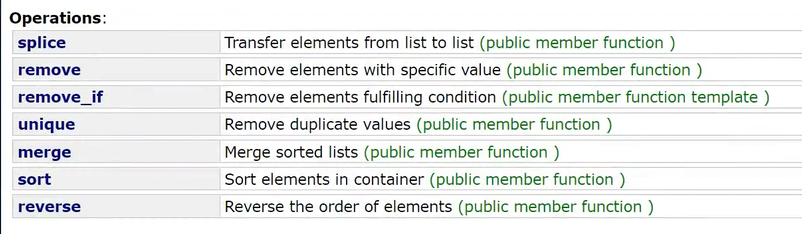
- 单向迭代器(forward_list/unordered_map/unordered_set...,支持++)
- 双向迭代器(list/map/set,支持++/--)
- 随机迭代器(vector/string/deque,支持++/--/+/-)
由底层的结构决定,进一步决定了可以实现哪些算法
示例1:

标准库中的sort算法只能用随机迭代器(底层为快排,需要三数取中和自省优化)
所以list只能自己实现一个sort算法
cpp
#define _CRT_SECURE_NO_WARNINGS 1
#include <iostream>
#include <list>
using namespace std;

void test_list1()
{
	list<int> lt;
	lt.push_back(25);
	lt.push_back(20);
	lt.push_back(3);
	lt.push_back(400);
	lt.push_back(51);
	lt.push_back(36);
	for (auto e : lt)
	{
		cout << e << " ";
	}
	cout << endl;
	//默认为升序
	lt.sort();
	//降序-仿函数(特殊的类)
	greater<int> gt;
	lt.sort(gt);
	for (auto e : lt)
	{
		cout << e << " ";
	}
	cout << endl;
}
int main()
{
	test_list1();
	return 0;
}
示例2:

标准库中的reverse算法只能用双向迭代器
所以list可以使用它实现逆置,而forward_list就无法使用,但vector可以使用
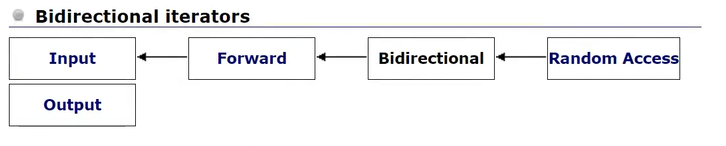
随机迭代器支持单向与双向
双向迭代器支持单向
这是一种概念的继承(子类是特殊的父类)
示例3:

input/output:只读/只写迭代器(单向,双向,随机都可以)
三、list的用法
emplace_back的用法
cpp
#define _CRT_SECURE_NO_WARNINGS 1
#include <iostream>
#include <list>
using namespace std;

struct A
{
public:
	A(int a1 = 1, int a2 = 1)
		:_a1(a1)
		,_a2(a2)
	{
		cout << "A(int a1 = 1,int a2 = 1)" << endl;
	}
	A(const A& aa)
		:_a1(aa._a1)
		, _a2(aa._a2)
	{
		cout << "A(const A& aa)" << endl;
	}
	int _a1;
	int _a2;

};

void test_list1()
{
	list<A> lt;
	A aa1(1, 1);
	lt.push_back(aa1);
	lt.push_back(A(2, 2));
	lt.emplace_back(aa1);
	lt.emplace_back(A(2, 2));
	cout << endl;
	//区别:
	//lt.push_back(3,3);//报错
	lt.emplace_back(3,3);//本质:支持传构造A对象的参数
}

int main()
{
	test_list1();
	return 0;
}
insert 与erase的用法
cpp
#define _CRT_SECURE_NO_WARNINGS 1
#include <iostream>
#include <list>
using namespace std;

void test_list1()
{
	list<int> lt;
	lt.push_back(1);
	lt.push_back(2);
	lt.push_back(3);
	lt.push_back(4);
	lt.push_back(5);
	lt.push_back(6);
	for (auto e : lt)
	{
		cout << e << " ";
	}
	cout << endl;
	auto it = lt.begin();
	int k = 3;
	while (k--)
	{
		++it;
	}
	lt.insert(it, 30);
	for (auto e : lt)
	{
		cout << e << " ";
	}
	cout << endl;

	int x = 0;
	cin >> x;
	it = find(lt.begin(), lt.end(), x);
	if (it != lt.end())
	{
		lt.erase(it);
	}
	for (auto e : lt)
	{
		cout << e << " ";
	}
	cout << endl;
}
int main()
{
	test_list1();
	return 0;
}merge(合并)
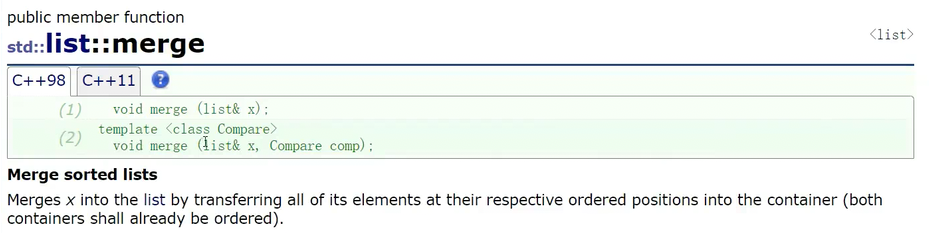
本质:取小的尾插
注:前提是两个链表有序
unique(去重)
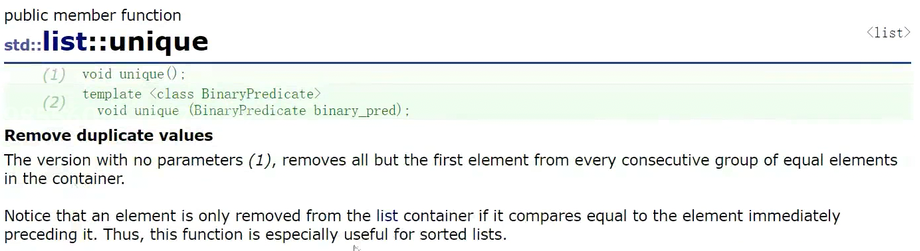
注:前提是链表有序
remove(查找删除)
注:erase是迭代器删除

splice(剪切粘贴)
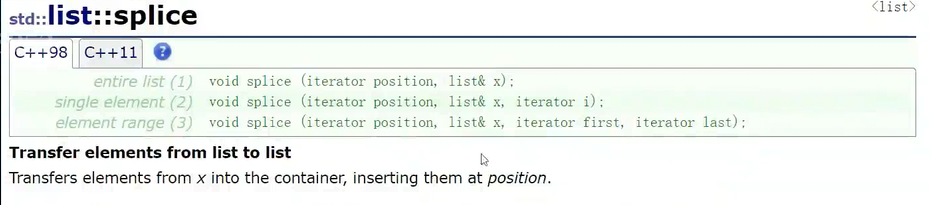
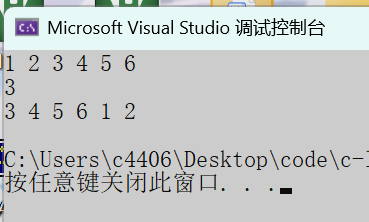
用法1:调整当前链表的节点顺序
cpp
#define _CRT_SECURE_NO_WARNINGS 1
#include <iostream>
#include <list>
using namespace std;

void test_list1()
{
	std::list<int>::iterator it;
	list<int> lt;
	lt.push_back(1);
	lt.push_back(2);
	lt.push_back(3);
	lt.push_back(4);
	lt.push_back(5);
	lt.push_back(6);
	for (auto e : lt)
	{
		cout << e << " ";
	}
	cout << endl;

	int x = 0;
	cin >> x;
	it = find(lt.begin(), lt.end(), x);
	if (it != lt.end())
	{
		//转移单个值到前面:lt.splice(lt.begin(), lt, it);
		//转移多个值到前面:
		lt.splice(lt.begin(), lt, it, lt.end());
	}
	for (auto e : lt)
	{
		cout << e << " ";
	}
	cout << endl;
}

int main()
{
	test_list1();
	return 0;
}
用法2:转移链表节点到另一个链表
cpp
#define _CRT_SECURE_NO_WARNINGS 1
#include <iostream>
#include <list>
using namespace std;

void test_list1()
{
	std::list<int> mylist1, mylist2;
	std::list<int>::iterator it;
	for (int i = 1; i <= 4; ++i)
	{
		mylist1.push_back(i);
	}
	for (int i = 1; i <= 3; ++i)
	{
		mylist1.push_back(i * 10);
	}
	//mylist1:1 2 3 4
	//mylist2:10 20 30
	it = mylist1.begin();
	++it;
	mylist1.splice(it, mylist2);
	//mylist1:1 10 20 30 2 3 4
	//mylist2:empty
	for (auto e : mylist1)
	{
		cout << e << " ";
	}
	cout << endl;
}
int main()
{
	test_list1();
	return 0;
}
list的sort排序效率低于vector,可以将list中的数据拷贝到vector中进行排序,再拷贝回来
cpp
#define _CRT_SECURE_NO_WARNINGS 1
#include <iostream>
#include <algorithm>
#include <list>
#include <vector>
using namespace std;

void test_list1()
{
	srand(time(0));
	const int N = 1000000;
	list<int> lt1;
	list<int> lt2;
	for (int i = 0; i < N; ++i)
	{
		auto e = rand() + i;
		lt1.push_back(e);
		lt2.push_back(e);
	}
	int begin1 = clock();
	//将数据拷贝到vector(支持迭代器区间拷贝)
	vector<int> v(lt2.begin(), lt2.end());
	//排序
	sort(v.begin(), v.end());
	int end1 = clock();
	int begin2 = clock();
	lt1.sort();
	int end2 = clock();
	printf("list copy vector sort copy list sort:%d\,", end1 - begin1);
	printf("list sort:%d\,", end2 - begin2);
}
int main()
{
	test_list1();
	return 0;
}
四、list实现
初始化:构造带哨兵的循环链表
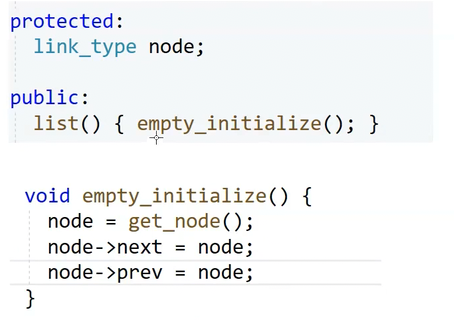
从内存池中申请空间

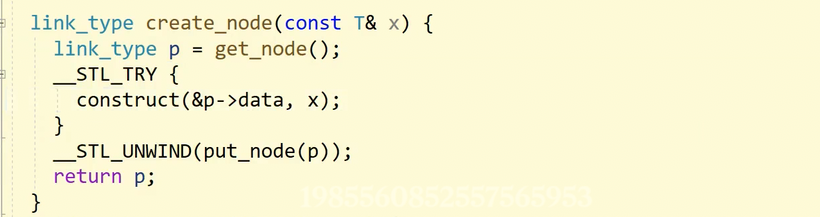
cpp
#pragma once
#include <assert.h>
namespace bit
{
	//链表节点结构的声明
	template<class T>
	struct list_node
	{
		T _data;
		list_node<T>* _next;
		list_node<T>* _prev;

		list_node(const T& data = T())
			:_data(data)
			,_next(nullptr)
			,_prev(nullptr)
		{ }
	};

	//创建类类型的迭代器
	//使用运算符重载可以解决迭代器访问下一个节点问题
	//使用模板可以解决const迭代器与普通迭代器重复问题
	template<class T,class Ref,class Ptr>
	struct list_iterator
	{
		typedef list_node<T> Node;
		typedef list_iterator<T, Ref, Ptr> Self;
		Node* _node;

		//用节点指针构造迭代器
		list_iterator(Node* node)
			:_node(node)
		{}

		//解引用运算符重载
		Ref operator*()
		{
			return _node->_data;
		}

		//->运算符重载
		Ptr operator->()
		{
			return &_node->_data;
		}

		//前置++
		Self& operator++()
		{
			_node = _node->_next;
			return *this;
		}

		//前置--
		Self& operator--()
		{
			_node = _node->_prev;
			return *this;
		}

		//后置++
		Self operator++(int)
		{
			Self tmp(*this);
			_node = _node->_next;
			return tmp;
		}

		//后置--
		Self operator--(int)
		{
			Self tmp(*this);
			_node = _node->_prev;
			return tmp;
		}

		bool operator!=(const Self& s) const
		{
			return _node != s._node;
		}

		bool operator==(const Self& s) const
		{
			return _node == s._node;
		}
	};

	//const_iterator
	//template<class T>
	//struct list_const_iterator
	//{
	//	typedef list_node<T> Node;
	//	typedef list_const_iterator<T> Self;
	//	Node* _node;
	//	//用节点指针构造迭代器
	//	list_const_iterator(Node* node)
	//		:_node(node)
	//	{
	//	}
	//	const T& operator*()
	//	{
	//		return _node->_data;
	//	}
	//	const T* operator->()
	//	{
	//		return &_node->_data;
	//	}
	//	//前置++
	//	Self& operator++()
	//	{
	//		_node = _node->_next;
	//		return *this;
	//	}
	//	//前置--
	//	Self& operator--()
	//	{
	//		_node = _node->_prev;
	//		return *this;
	//	}
	//	//后置++
	//	Self& operator++()
	//	{
	//		Self tmp(*this);
	//		_node = _node->_next;
	//		return tmp;
	//	}
	//	//后置--
	//	Self& operator--()
	//	{
	//		Self tmp(*this);
	//		_node = _node->_prev;
	//		return tmp;
	//	}
	//	bool operator!=(const Self& s) const
	//	{
	//		return _node != s._node;
	//	}
	//	bool operator==(const Self& s) const
	//	{
	//		return _node == s._node;
	//	}
	//};

	template<class T>
	class list
	{
		//链表节点结构的重命名
		typedef list_node<T> Node;
	public:
	//typedef list_iterator<T> iterator;
	//typedef list_const_iterator<T> const_iterator;
		typedef list_iterator<T,T&,T*> iterator;
		typedef list_iterator<T,const T&,const T*> const_iterator;

		iterator begin()
		{
			//iterator it(_head->next);
			//return it;
			return _head->next;//隐式类型转换
		}

		iterator end()
		{
			return _head;
		}

		const_iterator begin() const
		{
			return _head->next;
		}

		const_iterator end() const
		{
			return _head;
		}

		//空初始化(创建哨兵位)
		void empty_init()
		{
			_head = new Node;
			_head->next = _head;
			_head->prev = _head;
			_size = 0;
		}

		//默认构造函数
		list()
		{
			empty_init();
		}

		list(initializer_list<T> il)
		{
			empty_init();
			for (auto& e : li)
			{
				push_back(e);
			}
		}

		//拷贝构造函数
		list(const list<T>& lt)
		{
			empty_init();
			for (auto& e : lt)
			{
				push_back(e);
			}
		}

		//交换函数
		void swap(list<int>& lt)
		{
			std::swap(_head,lt._head);
			std::swap(_size,lt._size);
		}

		//赋值运算符重载
		list<T>& operator=(list<T> lt)
		{
			swap(lt);
			return *this;
		}

		//析构函数
		~list()
		{
			clear();
			delete _head;
			_head = nullptr;
		}

		void clear()
		{
			auto it = begin();
			while (it != end())
			{
				it = erase(it);
			}
		}
		//尾插
		/*void push_back(const T& x)
		{
			Node* newnode = new Node(x);
			Node* tail = head->prev;

			tail->next = newnode;
			newnode->prev = tail;
			newnode->next = _head;
			_head->prev = newnode;
		}*/
		//尾插
		void push_back(const T& x)
		{
			insert(end(), x);
		}
		//头插
		void push_Front(const T& x)
		{
			insert(begin(), x);
		}
		//插入
		iterator insert(iterator pos, const T& x)
		{
			Node* cur = pos._node;
			Node* prev = cur->_prev;
			Node* newnode = new Node(x);
			newnode->_next = cur;
			cur->_prev = newnode;
			newnode->_prev = prev;
			prev->_next = newnode;
			++_size;
			return newnode;
		}
		//尾删
		void pop_back()
		{
			erase(--end());
		}
		//头删
		void pop_front()
		{
			erase(begin());
		}
		//删除
		iterator erase(iterator pos)
		{
			assert(pos != end());
			Node* prev = pos._node->_prev;
			Node* next = pos._node->_next;

			prev->_next = next;
			next->_prev = prev;
			delete pos._node;

			--size;

			return next;
		}
		//计算节点个数
		size_t size() const
		{
			return _size;
		}
		//判空
		bool empty() const
		{
			return _size == 0;
		}
	private:
		Node* _head;
		size_t _size = 0;
	};

	struct AA
	{
		int _a1 = 1;
		int _a2 = 2;
	};

	template<class Container>
	void print_container(const Container& con)
	{
		//const iterator 迭代器本身无法修改
		//const_iterator 指向内容不能修改
		typename Container::const_iterator it = con.begin();
		//auto it = con.begin();
		while (it != con.end())
		{
			cout << *it << " ";
			++it;
		}
		cout << endl;
		for (auto e : con)
		{
			cout << e << " ";
		}
		cout << endl;
	}

	void test_list1()
	{
		list<AA> lta;
		//尾插4个AA类型的匿名对象
		lta.push_back(AA());
		lta.push_back(AA());
		lta.push_back(AA());
		lta.push_back(AA());
		//使用迭代器遍历访问AA中的数据
		list<AA>::iterator ita = lta.begin();
		while (ita != lta.end())
		{
			//cout << ita->_a1 << " " << ita->_a2 << " ";
			//等价于
			//cout << ita.operator->()->_a1 << ":" << ita.operator->()->_a2 << endl;
			++ita;
		}
	}

	void test_list2()
	{
		list<int> lt;
		lt.push_back(1);
		lt.push_back(2);
		lt.push_back(3);
		lt.push_back(4);
		list<int>::iterator it = lt.begin();

		//测试插入
		//insert以后迭代器不失效
		lt.insert(it, 10);
		*it += 100;
		print_container(lt);

		//测试删除
		//erase以后迭代器失效
		it = lt.begin();
		while (it != lt.end())
		{
			if (*it * 2 == 0)
			{
				it = lt.erase(it);
			}
			else
			{
				++it;
			}
		}
		print_container(lt);
	}

	//测试拷贝构造
	void test_list3()
	{
		list<int> lt1;
		lt1.push_back(1);
		lt1.push_back(2);
		lt1.push_back(3);
		list<int> lt2(lt1);
		print_container(lt1);
		print_container(lt2);
		list<int> lt3;
		lt3.push_back(10);
		lt3.push_back(20);
		lt3.push_back(30);
		lt1 = lt3;
		print_container(lt1);
		print_container(lt3);
	}

	void func(const list<int>& lt)
	{
		print_container(lt);
	}
	void test_list4()
	{

		//std::list<int> lt1 = { 1,2,3,4,5,6 };
		//print_container(lt1);
		//auto il = { 10,20,30 };
		//initializer_list<int> il = { 10,20,30 };
		//cout << typeid(il).name() << endl;//class std::initializer_list<int>
		//cout << sizeof(il) << endl;//8

		//直接构造
		list<int> lt0({ 1,2,3,4,5,6 });
		//隐式类型转换
		list<int> lt1 = { 1,2,3,4,5,6 };
		const list<int>& lt3 = { 1,2,3,4,5,6 };
		func(lt0);
		func({ 1,2,3,4,5,6 });//隐式类型转换,默认为initializer_list<int>的对象
	}
}