Python列表
列表是由一系列按特定顺序排列的元素组成。
可以通过[]来定义列表:
python
vehicles = ['car', 'airplane', 'bicyle', 'train']如果需要访问列表中的元素,可以通过列表名称 + 元素索引的方式来访问列表元素vehicles[0],这个时候就可以访问到car字符串元素,列表的索引是从0开始而不是从1开始,与其他语言访问的区别在于Python的列表可以通过负数索引倒叙访问vehicles[-1],这个时候访问的就是train字符串元素。
列表通用操作
-
修改:可以直接给列表中某个索引位置重新赋值修改列表元素值。
pythonmotorcycles = ['honda', 'yamaha', 'suzuki'] print(motorcycles) motorcycles[0] = 'ducati' print(motorcycles)执行结果:

-
添加元素:
-
列表末尾追加:可以通过
append()方法向列表当中追加元素。pythonmotorcycles = ['honda', 'yamaha', 'suzuki'] print(motorcycles) motorcycles.append('ducati') print(motorcycles)执行结果:

-
列表中插入元素:可以使用
insert()方法向列表任意位置添加元素pythonmotorcycles = ['honda', 'yamaha', 'suzuki'] print(motorcycles) motorcycles.insert(0, 'ducati') print(motorcycles)执行结果:

-
-
删除元素:
-
使用
del语句删除元素:通过这种方式可以删除任意索引的元素,但是del语句是没有返回值的,也就是说无法知道删除的是哪个元素,当通过del语句删除列表元素时,后续则无法继续使用。pythonmotorcycles = ['honda', 'yamaha', 'suzuki'] print(motorcycles) del motorcycles[0] print(motorcycles)执行结果:

-
使用
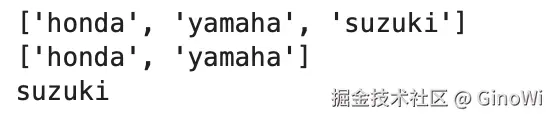
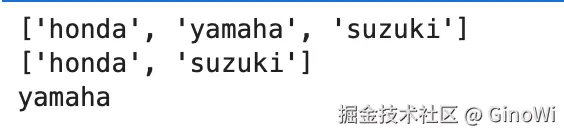
pop({index})方法删除元素:当pop方法中无参数的时候默认删除最后一个元素,相当于把列表看作是一个堆栈,对堆栈中的元素进行出栈操作。但是当pop中的参数指定了具体的索引,就会明确指明需要删除哪个索引元素。同时pop方法是有返回值的,可以通过变量接收通过pop删除的元素,供后续代码处理使用。python#pop方法无参的情况 motorcycles = ['honda', 'yamaha', 'suzuki'] print(motorcycles) del_motor = motorcycles.pop() print(motorcycles) print(del_motor)执行结果:
 python
#pop方法有参情况 motorcycles = ['honda', 'yamaha', 'suzuki'] print(motorcycles) del_motor = motorcycles.pop(1) print(motorcycles) print(del_motor)执行结果:
-
使用
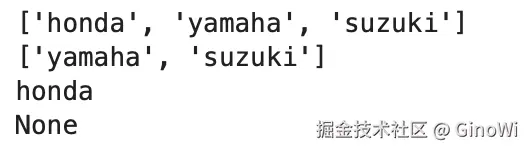
remove({element})方法删除元素:如果不清楚需要删除的元素在列表中的索引位置,只知道需要删除的元素的值,可以使用remove方法。但是需要注意的是,第一点remove方法也是没有任何返回值;第二点当列表中存在多个值相同的元素的时候,remove方法只能删除从头开始第一次出现的值,如果想要全部删除,需要找到出现次数通过循环实现。pythonmotorcycles = ['honda', 'yamaha', 'suzuki'] print(motorcycles) too_expensive = "honda" too_expensive_motor = motorcycles.remove(too_expensive) print(motorcycles) print(too_expensive) print(too_expensive_motor)执行结果:
 python
motorcycles = ['honda', 'yamaha', 'suzuki', 'honda'] print(motorcycles) too_expensive = 'honda' too_expensive_motor = motorcycles.remove(too_expensive) print(motorcycles) print(too_expensive) print(too_expensive_motor)执行结果:
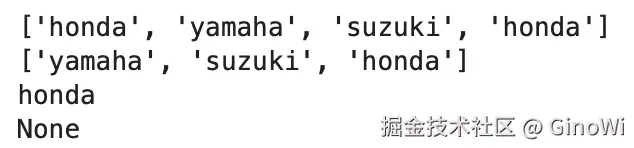
-
-
列表排序
-
sort(reverse=False)排序:通过sort()方法排序会直接操作原列表,会对原列表里面的内容产生修改。还可以通过在参数里面加sort(reverse=True)翻转排序顺序。这里需要注意sort()是列表内置方法。pythoncars = ['bmw', 'audi', 'toyota', 'subaru'] cars.sort() print(cars)执行结果:

-
sorted({list}, reverse=False)排序:通过sorted()方法排序不会直接操作原列表。可以通过在参数里面加sorted({list}, reverse=True)翻转排序顺序。这里需要注意sorted()是内置函数。pythoncars = ['bmw', 'audi', 'toyota', 'subaru'] print('original list:') print(cars) cars_sorted = sorted(cars) print('sorted list:') print(cars_sorted) print('original list again:') print(cars)执行结果:
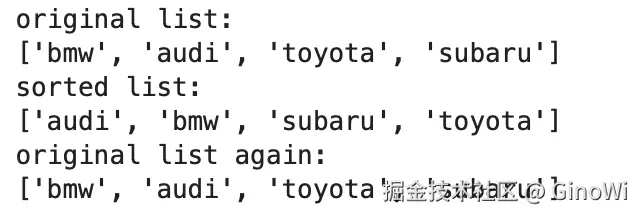
-
-
列表翻转:
如果想要实现列表按照当前顺序翻转输出,可以使用列表内置方法
reverse()。需要注意的是reverse()是会直接对原列表发生修改。pythoncars = ['bmw', 'audi', 'toyota', 'subaru'] print(cars) cars.reverse() print(cars)执行结果:

-
列表长度:可以使用内置函数
len({list})来获取列表的长度。
列表相关操作
-
range(start, stop, step)函数:range(stop)函数表示生成0 ~ stop-1之间的数。range(start, stop)函数表示生成start ~ stop-1之间的数。range(start, stop, step)函数表示生成start ~ stop-1之间的数,且步进值为step。pythonprint("list1 start") for val in range(5): print(val) print("list1 end \n") print("list2 start") for val1 in range(0, 6): print(val1) print("list2 end \n") print("list3 start") for val2 in range(0, 7, 2): print(val2) print("list3 end \n")执行结果:
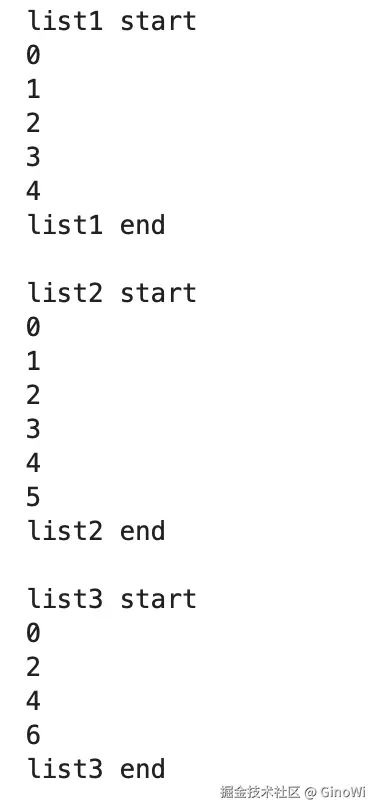
perl
`range`函数可以搭配`list`函数创建数值列表。
```python
numbers = list(range(5))
print(numbers)
```
执行结果:
-
min(list)、max(list)函数:用于统计列表里面最大/小值。
pythonnumbers = [9, 4, 0, 1, 3] print(f"The maximum value in the numerical list: {max(numbers)}") print(f"The minimum value in the numerical list: {min(numbers)}") strs = ['da', 'cs', 'agb', 'ac'] print(f"The maximum value in the string list: {max(strs)}") print(f"The minimum value in the string list: {min(strs)}")执行结果:

-
sum(list)函数:用于统计数值列表的总和。
pythonnumbers = [9, 4, 0, 1, 3] print(sum(numbers))执行结果:

-
切片操作:
创建切片的时候,指定要使用的第一个元素和最后一个元素的索引,可以通过这种方式生成列表中任意元素连续的子集。
pythonplayers = ['charles', 'martina', 'michael', 'florence', 'eli'] print(players[0:3])执行结果:

通过这个示例可以看出,切片获取的是列表中索引为0,1,2的三个元素,由此可知切片截取的索引范围是
[start, end-1]。当切片中未指定开始索引默认从索引0开始截取;当切片为指定结束索引的时候,默认截取至索引len(list) - 1。常见的应用场景就是我们可以通过切片操作实现列表的复制:
pythonmy_foods = ['pizza', 'falafel', 'carrot cake'] friend_foods = my_foods[:] print("My favorite foods are:") print(my_foods) print("\n My friend's favorite foods are:") print(friend_foods)执行结果:
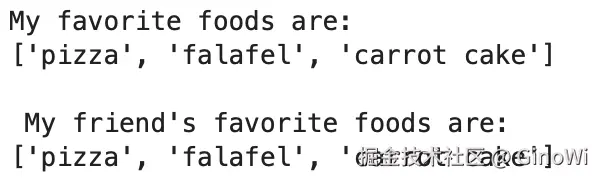
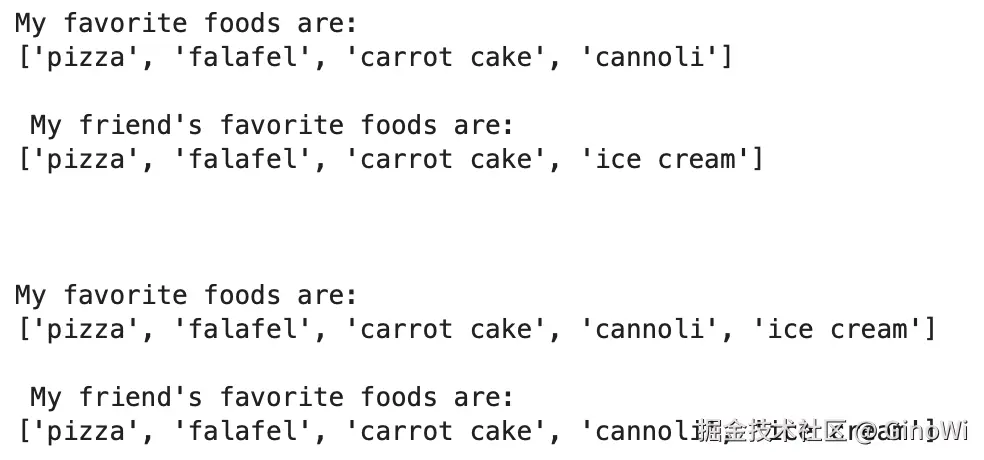
提到复制就必须说明一个易错点:千万不能使用
my_foods = friend_foods进行复制操作,这样并不是将my_foods中的值复制给friend_foods列表,学过C语言知道这是将my_foods列表变量的地址赋值给firend_foods,当对其中一个列表变量操作的时候会同时影响到另一个变量。接下来看一个例子:python#采用切片的方式复制列表 my_foods = ['pizza', 'falafel', 'carrot cake'] friend_foods = my_foods[:] my_foods.append('cannoli') friend_foods.append('ice cream') print("My favorite foods are:") print(my_foods) print("\n My friend's favorite foods are:") print(friend_foods) print("\n\n") #采用直接赋值的方式复制列表 my_foods = ['pizza', 'falafel', 'carrot cake'] friend_foods = my_foods my_foods.append('cannoli') friend_foods.append('ice cream') print("My favorite foods are:") print(my_foods) print("\n My friend's favorite foods are:") print(friend_foods)执行结果:
补充内容:
Python中有
in和not in关键字,可以直接判断元素是否在列表当中
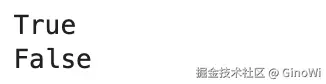
pythonfruits = ['apple', 'banana', 'strawberry', 'grape', 'orange'] print('apple' in fruits) print('watermelon' in fruits)执行结果: