讨论链表
链表是一个序列容器,在任意位置都可以用常数时间插入或者删除,并且可以在两个方向进行迭代。

list迭代器失效
迭代器失效指迭代器所指向的结点无效,即该结点被删除了。
list的底层结构是双向带头循环链表,因此向list中插入数据是不会造成迭代器失效。- 但删除数据时,指向删除结点的迭代器会失效,其他迭代器不会受影响。
list的模拟实现
创建结点类
- 链表是由一个一个结点组成,结点中存放储存的元素已经指向下一个以及前一个的指针。
c++
template<class T>
struct list_node {
    T _val;
    list_node<T> *_prev;
    list_node<T> *_next;

    list_node(const T &val = T())
            : _val(val), _prev(nullptr), _next(nullptr) {}
};
链表迭代器
- 链表的迭代器不同于顺序表。顺序表的迭代器可以直接返回头部和尾部指针的位置。
++操作只需要移动相应字节数的指针即可完成。
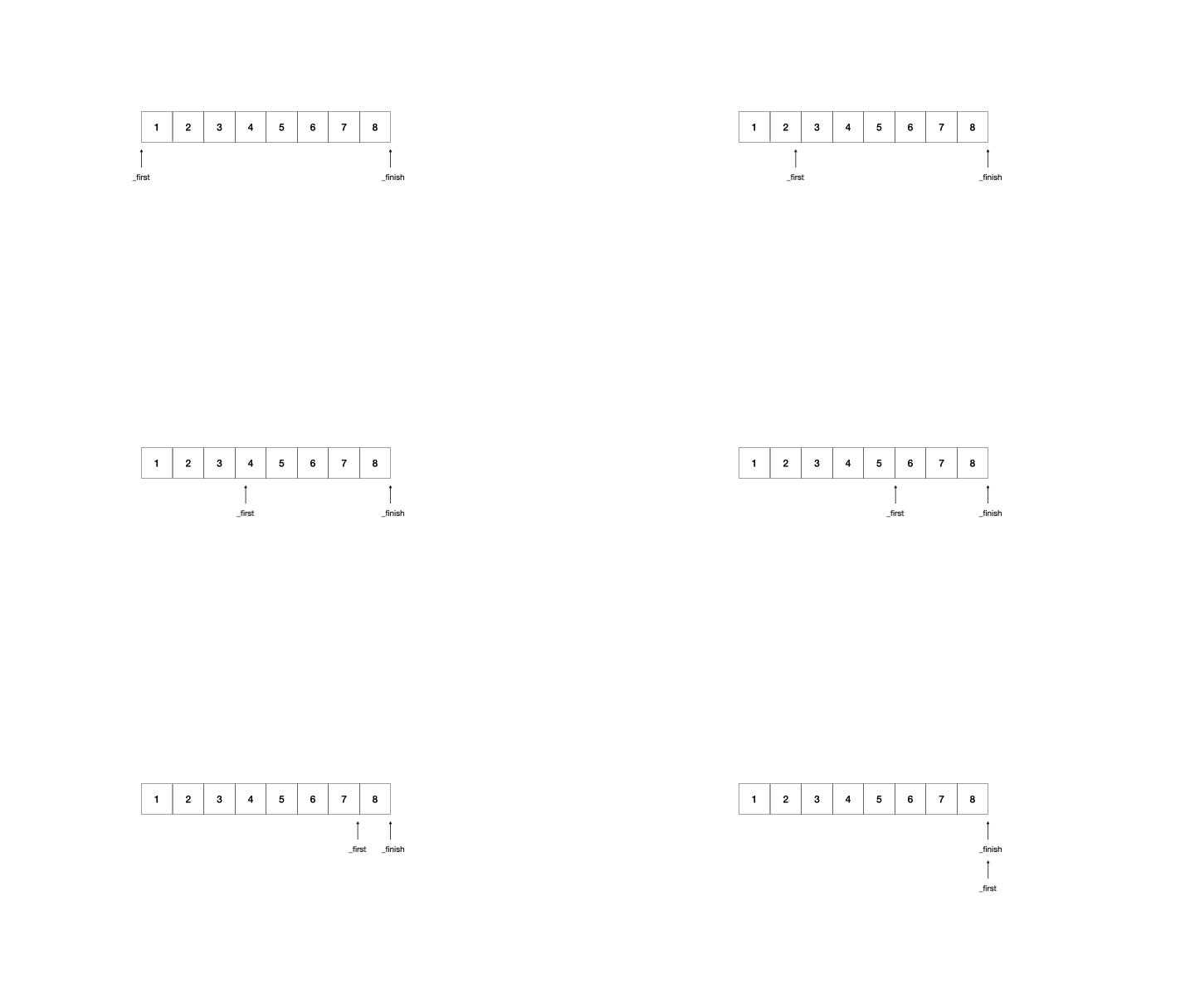
- 链表迭代器
++操作不能依靠简单的指针++完成,因为不是连续空间,因此需要封装一层结点结构,以_node = _node->next来达到++的效果。
c++
template<class T, class Ref, class Ptr>
struct __list_iterator {
    typedef list_node<T> node;
    typedef __list_iterator<T, Ref, Ptr> self;

    node *_node;

    __list_iterator(node *node = nullptr)
            : _node(node) {}

    self &operator++() {
        _node = _node->_next;
        return *this;
    }

    self operator++(int) {
        self tmp(*this);
        _node = _node->next;
        return tmp;
    }

    self &operator--() {
        _node = _node->_prev;
        return *this;
    }

    self operator--(int) {
        self tmp(*this);
        _node = _node->_prev;
        return tmp;
    }

    Ref operator*() {
        return _node->_val;
    }

    Ptr operator->() {
        return &_node->_val;
    }

    bool operator!=(const self &s) {
        return _node != s._node;
    }

    bool operator==(const self &s) {
        return _node == s._node;
    }
};- 其中
Ref和Ptr模板为传入引用或者指针对象区分const和非const的模板。
完成实现代码
c++
namespace max {
template<class T>
struct list_node {
T _val;
list_node<T> *_prev;
list_node<T> *_next;
list_node(const T &val = T())
: _val(val), _prev(nullptr), _next(nullptr) {}
};
// 迭代器封装
template<class T, class Ref, class Ptr>
struct __list_iterator {
typedef list_node<T> node;
typedef __list_iterator<T, Ref, Ptr> self;
node *_node;
__list_iterator(node *node = nullptr)
: _node(node) {}
self &operator++() {
_node = _node->_next;
return *this;
}
self operator++(int) {
self tmp(*this);
_node = _node->next;
return tmp;
}
self &operator--() {
_node = _node->_prev;
return *this;
}
self operator--(int) {
self tmp(*this);
_node = _node->_prev;
return tmp;
}
Ref operator*() {
return _node->_val;
}
Ptr operator->() {
return &_node->_val;
}
bool operator!=(const self &s) {
return _node != s._node;
}
bool operator==(const self &s) {
return _node == s._node;
}
};
template<class T>
class list {
typedef list_node<T> node;
typedef __list_iterator<T, T &, T *> iterator;
typedef __list_iterator<T, const T &, const T *> const_iterator;
public:
void empty_init() {
_head = new node();
_head->_next = _head;
_head->_prev = _head;
_size = 0;
}
list() {
empty_init();
}
list(int n, const T &val = T()) {
empty_init();
for (int i = 0; i < n; ++i) {
push_back(val);
}
}
template<class Iterator>
list(Iterator first, Iterator last) {
empty_init();
while (first != last) {
push_back(*first);
++first;
++_size;
}
}
list(const list<T> <) {
empty_init();
for (auto e: lt) {
push_back(e);
}
}
void swap(list<T> &tmp) {
std::swap(_head, tmp._head);
std::swap(_size, tmp._size);
}
list<T> &operator=(list<T> tmp) {
swap(tmp);
return *this;
}
~list() {
clear();
delete _head;
_head = nullptr;
}
void push_back(const T &val) {
node *newNode = new node(val);
node *end = _head->_prev;
end->_next = newNode;
newNode->_prev = end;
newNode->_next = _head;
_head->_prev = newNode;
++_size;
}
void push_front(const T &val) {
node *newNode = new node(val);
node *next = _head->_next;
newNode->_next = next;
next->_prev = newNode;
_head->_next = newNode;
newNode->_prev = _head;
}
void pop_back() {
assert(_head->_next != _head);
node *del = _head->_prev;
_head->_prev = del->_prev;
del->_prev->_next = _head;
delete del;
del = nullptr;
--_size;
}
void pop_front() {
assert(_head->_next != _head);
node *del = _head->_next;
_head->_next = del->_next;
del->_next->_prev = _head;
delete del;
del = nullptr;
--_size;
}
iterator begin() {
return iterator(_head->_next);
}
iterator end() {
return iterator(_head);
}
const_iterator begin() const {
return const_iterator(_head->_next);
}
const_iterator end() const {
return const_iterator(_head);
}
iterator insert(iterator pos, const T &val) {
node *newNode = new node(val);
node *prev = pos._node->_prev;
prev->next = newNode;
newNode->_prev = prev;
newNode->_next = pos._node;
pos._node->_prev = newNode;
++_size;
return iterator(newNode);
}
iterator erase(iterator pos) {
assert(_head != _head->_next);
node *cur = pos._node;
node *next = cur->_next;
node *prev = cur->_prev;
prev->_next = next;
next->_prev = prev;
delete cur;
cur = nullptr;
--_size;
return iterator(next);
}
void clear() {
iterator it = begin();
while (it != end()) {
it = erase(it);
--_size;
}
}
size_t size() const {
return _size;
}
private:
node *_head;
size_t _size;
};
}list与vector
- 因
vector和list底层结构不同,因此在使用场景上存在一定差异。
vector |
list |
|
|---|---|---|
| 底层结构 | 动态顺序表,一段连续的空间。 | 带头双向循环链表 |
| 随机访问 | 支持随机访问,效率为O(1)。 | 不支持随机访问,访问某个元素的效率为O(N)。 |
| 插入和删除 | 尾插和尾删时效率是O(1)。除此之外插入删除的效率都很低,因为需要移动数据,若插入大量数据还涉及到扩容,异地扩容需要拷贝元素和释放旧空间,效率很低。 | 任意位置插入和删除数据效率为O(1)。不需要移动数据。 |
| 空间利用率 | 底层为连续空间,不容易产生内存碎片,利用率高,缓存利用率高。 | 底层为动态开辟的小结点,容易造成内存碎片,空间利用率低,缓存利用率低。 |
| 迭代器 | 原生态指针。 | 对原生态指针进行封装。 |
| 迭代器失效 | 插入元素时可能会造成迭代器失效,因为可能会异地扩容。删除元素时当前迭代器会失效。 | 插入元素时不会造成迭代器失效,删除元素时会造成当前迭代器失效,其他迭代器不受影响。 |