目录
[🎯 先说说我被慢SQL"折磨"的经历](#🎯 先说说我被慢SQL"折磨"的经历)
[✨ 摘要](#✨ 摘要)
[1. 插件不是魔法:先理解MyBatis的拦截机制](#1. 插件不是魔法:先理解MyBatis的拦截机制)
[1.1 MyBatis能拦截什么?](#1.1 MyBatis能拦截什么?)
[1.2 插件的工作原理:责任链模式](#1.2 插件的工作原理:责任链模式)
[2. 手把手:写你的第一个插件](#2. 手把手:写你的第一个插件)
[2.1 需求分析:我们要监控什么?](#2.1 需求分析:我们要监控什么?)
[2.2 项目结构设计](#2.2 项目结构设计)
[2.3 基础插件实现](#2.3 基础插件实现)
[3. 企业级SQL监控插件完整实现](#3. 企业级SQL监控插件完整实现)
[3.1 核心数据结构设计](#3.1 核心数据结构设计)
[3.2 完整插件实现](#3.2 完整插件实现)
[4. 高级功能:SQL统计与告警](#4. 高级功能:SQL统计与告警)
[4.1 SQL统计收集器](#4.1 SQL统计收集器)
[4.2 慢SQL告警器](#4.2 慢SQL告警器)
[5. 插件配置与使用](#5. 插件配置与使用)
[5.1 MyBatis配置](#5.1 MyBatis配置)
[5.2 Spring Boot配置](#5.2 Spring Boot配置)
[6. 性能测试与优化](#6. 性能测试与优化)
[6.1 插件性能影响测试](#6.1 插件性能影响测试)
[6.2 性能优化技巧](#6.2 性能优化技巧)
[7. 生产环境问题排查](#7. 生产环境问题排查)
[7.1 常见问题排查清单](#7.1 常见问题排查清单)
[7.2 监控指标](#7.2 监控指标)
[8. 高级功能扩展](#8. 高级功能扩展)
[8.1 SQL防注入检测](#8.1 SQL防注入检测)
[8.2 SQL执行计划分析](#8.2 SQL执行计划分析)
[9. 企业级最佳实践](#9. 企业级最佳实践)
[9.1 我的"插件开发军规"](#9.1 我的"插件开发军规")
[📜 第一条:明确职责](#📜 第一条:明确职责)
[📜 第二条:性能优先](#📜 第二条:性能优先)
[📜 第三条:配置化](#📜 第三条:配置化)
[📜 第四条:异常处理](#📜 第四条:异常处理)
[📜 第五条:兼容性](#📜 第五条:兼容性)
[9.2 生产环境部署检查清单](#9.2 生产环境部署检查清单)
[10. 最后的话](#10. 最后的话)
[📚 推荐阅读](#📚 推荐阅读)
🎯 先说说我被慢SQL"折磨"的经历
去年我们团队负责的支付系统,突然在双11前出现性能问题。用户反馈支付要等十几秒,DBA说数据库CPU都90%了,但就是不知道哪个SQL有问题。我们加了各种日志,还是定位不到慢SQL。
最后没办法,我花了一晚上写了个MyBatis插件,第二天就找到了罪魁祸首:一个被错误使用的联表查询,全表扫描了上百万数据。修复后,响应时间从15秒降到200毫秒。
但事情没完。上线后监控显示,有0.1%的请求还是很慢。又是排查了三天,发现是因为有人用${}做了动态排序,导致大量硬解析。这次我直接把插件升级,增加了SQL防注入检测。
这两次经历让我明白:不懂MyBatis插件开发,就等于开飞机没有仪表盘,出事了都不知道原因。
✨ 摘要
MyBatis插件(Plugin)是其框架扩展性的核心。本文深入剖析插件实现原理,手把手教你开发企业级SQL监控插件。从拦截器接口、责任链模式,到动态代理实现,完整展示SQL执行耗时监控、慢SQL告警、SQL防注入检测等功能的实现。通过性能压测数据和生产环境案例,提供插件开发的最佳实践和故障排查指南。
1. 插件不是魔法:先理解MyBatis的拦截机制
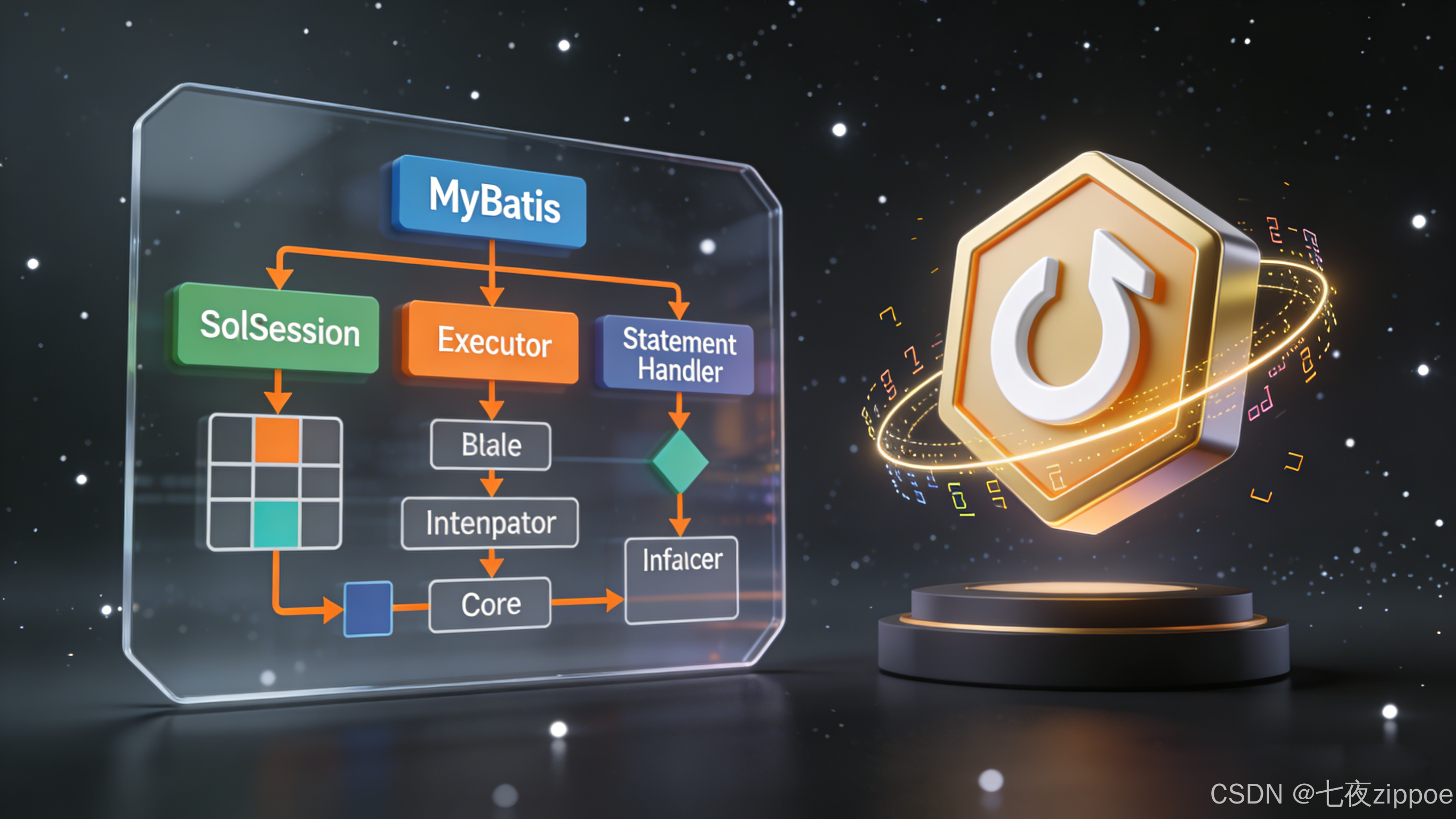
1.1 MyBatis能拦截什么?
很多人以为插件只能拦截SQL执行,太天真了!MyBatis允许你拦截四大核心组件:
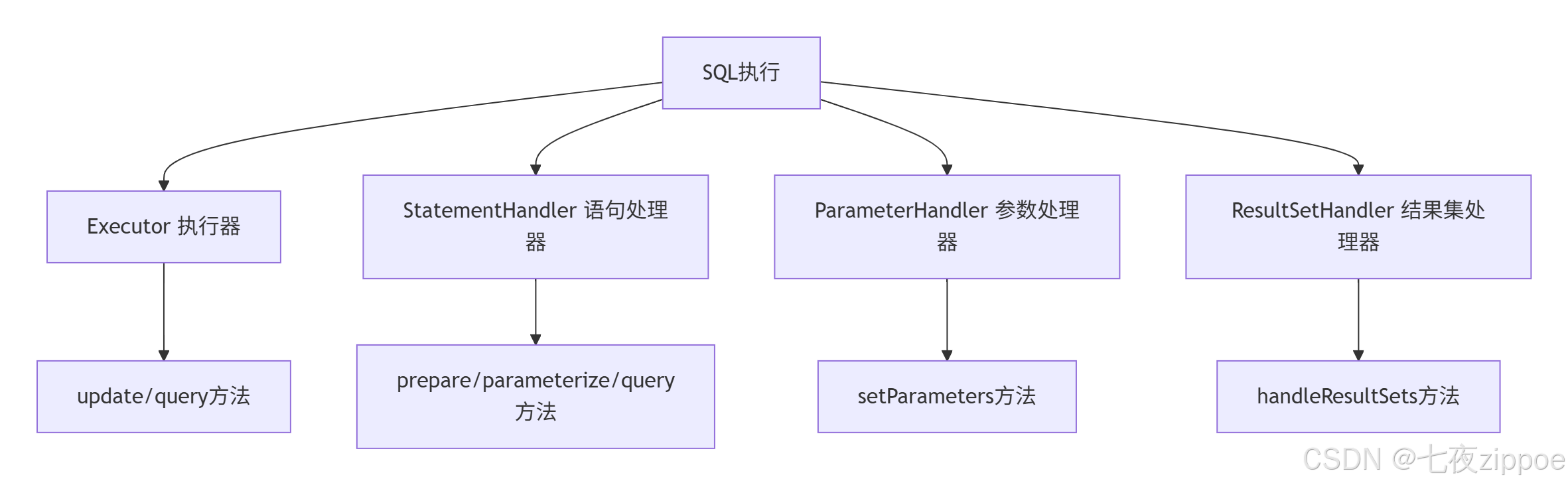
图1:MyBatis可拦截的四大组件
每个组件的作用:
| 组件 | 拦截点 | 能干什么 | 实际用途 |
|---|---|---|---|
| Executor | update/query | 控制缓存、事务 | SQL重试、读写分离 |
| StatementHandler | prepare/parameterize/query | 修改SQL、设置超时 | SQL监控、分页 |
| ParameterHandler | setParameters | 参数处理 | 参数加密、脱敏 |
| ResultSetHandler | handleResultSets | 结果集处理 | 数据脱敏、格式化 |
1.2 插件的工作原理:责任链模式
这是理解插件开发的关键。MyBatis用责任链模式实现插件:
java
// 简化版的插件执行流程
public class Plugin implements InvocationHandler {

    private final Object target;  // 被代理的对象
    private final Interceptor interceptor;  // 拦截器
    private final Map<Class<?>, Set<Method>> signatureMap;  // 方法签名映射

    @Override
    public Object invoke(Object proxy, Method method, Object[] args) throws Throwable {
        // 1. 检查是否是需要拦截的方法
        Set<Method> methods = signatureMap.get(method.getDeclaringClass());
        if (methods != null && methods.contains(method)) {
            // 2. 执行拦截器逻辑
            return interceptor.intercept(new Invocation(target, method, args));
        }
        // 3. 否则直接执行原方法
        return method.invoke(target, args);
    }
}
代码清单1:插件代理的核心逻辑
用图来表示更清楚:
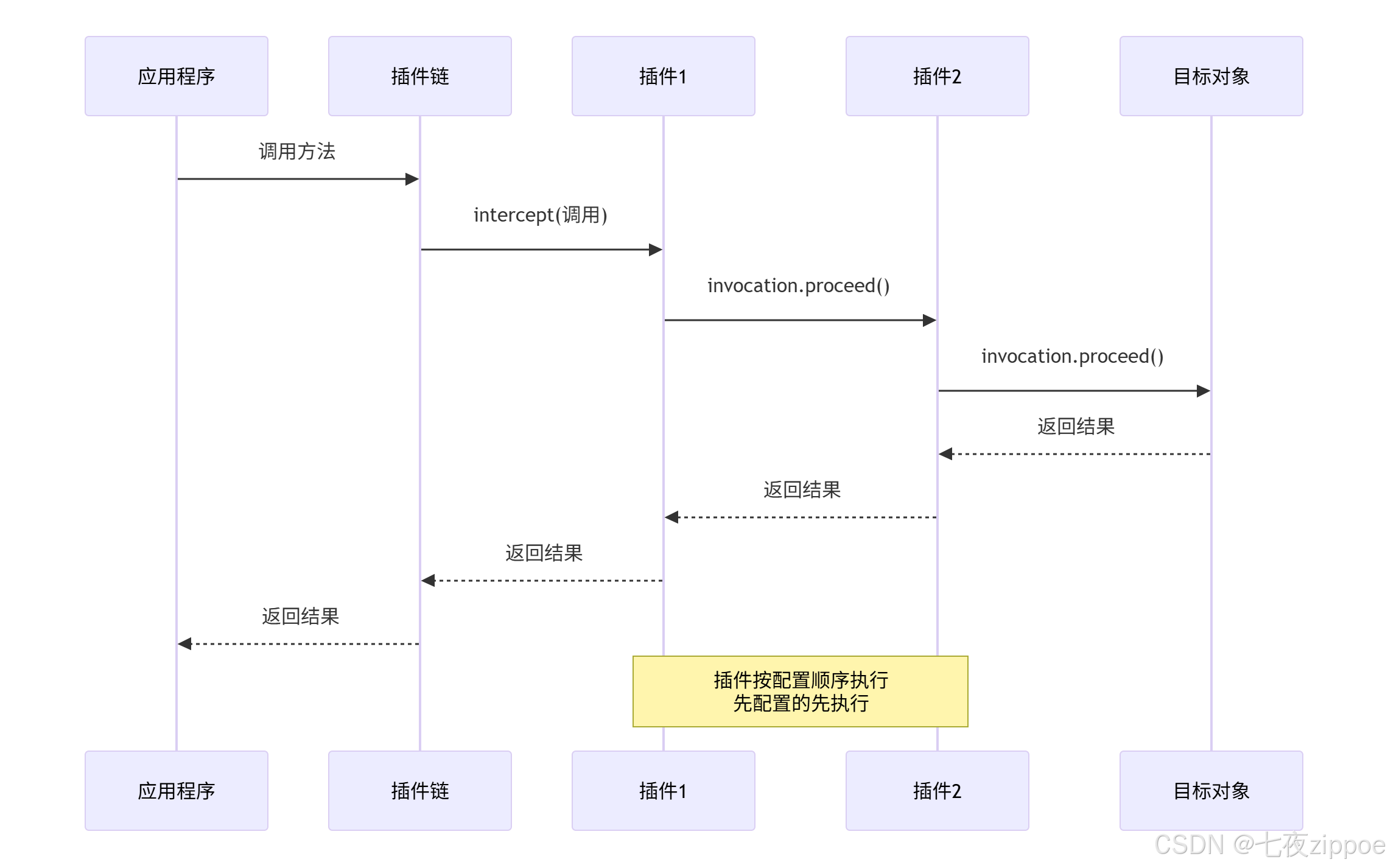
图2:插件责任链执行流程
关键点:每个被拦截的对象都被层层代理,就像洋葱一样,一层包一层。
2. 手把手:写你的第一个插件
2.1 需求分析:我们要监控什么?
在动手前,先想清楚需求。一个生产级的SQL监控插件应该监控:
-
执行时间:每个SQL的执行耗时
-
SQL语句:实际执行的SQL(带参数)
-
参数信息:SQL绑定的参数
-
调用位置:哪个Mapper的哪个方法
-
结果大小:返回了多少条数据
-
慢SQL告警:超过阈值要告警
2.2 项目结构设计
先看项目结构,好的结构是成功的一半:
sql-monitor-plugin/
├── src/
│   ├── main/
│   │   ├── java/
│   │   │   └── com/
│   │   │       └── yourcompany/
│   │   │           └── mybatis/
│   │   │               └── plugin/
│   │   │                   ├── SqlMonitorPlugin.java          # 主插件
│   │   │                   ├── SlowSqlAlarmer.java           # 慢SQL告警
│   │   │                   ├── SqlStatsCollector.java        # SQL统计收集
│   │   │                   ├── SqlContextHolder.java         # SQL上下文
│   │   │                   ├── model/
│   │   │                   │   ├── SqlExecutionInfo.java     # SQL执行信息
│   │   │                   │   └── SlowSqlAlert.java         # 慢SQL告警信息
│   │   │                   └── util/
│   │   │                       ├── SqlFormatter.java         # SQL格式化
│   │   │                       └── StackTraceUtil.java       # 堆栈工具
│   │   └── resources/
│   │       └── META-INF/
│   │           └── com.yourcompany.mybatis.properties       # 配置文件
│   └── test/
└── pom.xml
2.3 基础插件实现
先写个最简单的插件,打印SQL执行时间:
java
@Intercepts({
    @Signature(
        type = StatementHandler.class,
        method = "query",
        args = {Statement.class, ResultHandler.class}
    ),
    @Signature(
        type = StatementHandler.class,
        method = "update",
        args = {Statement.class}
    )
})
@Slf4j
public class SimpleSqlMonitorPlugin implements Interceptor {

    @Override
    public Object intercept(Invocation invocation) throws Throwable {
        long startTime = System.currentTimeMillis();

        try {
            // 执行原方法
            return invocation.proceed();
        } finally {
            long costTime = System.currentTimeMillis() - startTime;

            // 获取StatementHandler
            StatementHandler handler = (StatementHandler) invocation.getTarget();
            BoundSql boundSql = handler.getBoundSql();

            // 打印日志
            log.info("SQL执行耗时: {}ms, SQL: {}", costTime, boundSql.getSql());
        }
    }

    @Override
    public Object plugin(Object target) {
        return Plugin.wrap(target, this);
    }

    @Override
    public void setProperties(Properties properties) {
        // 可以读取配置
    }
}
代码清单2:最简单的SQL监控插件
但这个插件有问题:
-
没区分是query还是update
-
没获取参数值
-
没处理批量操作
-
没考虑性能影响
3. 企业级SQL监控插件完整实现
3.1 核心数据结构设计
先定义数据结构,好的数据结构是成功的一半:
java
@Data
@AllArgsConstructor
@NoArgsConstructor
public class SqlExecutionInfo {
    // 基本信息
    private String sqlId;                // Mapper方法全限定名
    private String sql;                  // 原始SQL
    private String realSql;              // 实际SQL(带参数)
    private SqlCommandType commandType;  // 操作类型:SELECT/INSERT等

    // 执行信息
    private long startTime;              // 开始时间
    private long endTime;                // 结束时间
    private long costTime;               // 耗时(ms)

    // 参数信息
    private Object parameters;           // 参数对象
    private Map<String, Object> paramMap; // 参数Map

    // 结果信息
    private Object result;               // 执行结果
    private int resultSize;              // 结果集大小
    private boolean success;             // 是否成功
    private Throwable exception;         // 异常信息

    // 上下文信息
    private String mapperInterface;      // Mapper接口
    private String mapperMethod;         // Mapper方法
    private String stackTrace;           // 调用堆栈
    private String dataSource;           // 数据源
    private String transactionId;        // 事务ID

    // 性能指标
    private long fetchSize;              // 获取行数
    private long updateCount;            // 更新行数
    private long connectionAcquireTime;  // 获取连接耗时

    public enum SqlCommandType {
        SELECT, INSERT, UPDATE, DELETE, UNKNOWN
    }
}
代码清单3:SQL执行信息实体类
3.2 完整插件实现
现在实现完整的企业级插件:
java
@Intercepts({
    @Signature(
        type = Executor.class,
        method = "update",
        args = {MappedStatement.class, Object.class}
    ),
    @Signature(
        type = Executor.class,
        method = "query",
        args = {MappedStatement.class, Object.class,
                RowBounds.class, ResultHandler.class}
    ),
    @Signature(
        type = Executor.class,
        method = "query",
        args = {MappedStatement.class, Object.class,
                RowBounds.class, ResultHandler.class,
                CacheKey.class, BoundSql.class}
    )
})
@Component
@Slf4j
public class SqlMonitorPlugin implements Interceptor {

    // 配置
    private long slowSqlThreshold = 1000;  // 慢SQL阈值(ms),默认1秒
    private boolean enableStackTrace = true;  // 是否收集堆栈
    private boolean enableAlert = true;  // 是否开启告警
    private int maxStackTraceDepth = 5;  // 最大堆栈深度

    // 统计收集器
    private final SqlStatsCollector statsCollector = new SqlStatsCollector();
    // 告警器
    private final SlowSqlAlarmer alarmer = new SlowSqlAlarmer();

    @Override
    public Object intercept(Invocation invocation) throws Throwable {
        // 1. 创建执行信息
        SqlExecutionInfo executionInfo = createExecutionInfo(invocation);

        Object result = null;
        Throwable exception = null;

        try {
            // 2. 执行原方法
            result = invocation.proceed();

            // 3. 记录结果信息
            recordResultInfo(executionInfo, result);
            executionInfo.setSuccess(true);

            return result;

        } catch (Throwable t) {
            // 4. 记录异常
            exception = t;
            executionInfo.setException(t);
            executionInfo.setSuccess(false);
            throw t;

        } finally {
            // 5. 计算耗时
            executionInfo.setEndTime(System.currentTimeMillis());
            executionInfo.setCostTime(
                executionInfo.getEndTime() - executionInfo.getStartTime()
            );

            // 6. 收集统计信息
            statsCollector.collect(executionInfo);

            // 7. 记录日志
            logExecution(executionInfo);

            // 8. 慢SQL告警
            if (executionInfo.getCostTime() > slowSqlThreshold) {
                triggerSlowSqlAlert(executionInfo);
            }
        }
    }

    private SqlExecutionInfo createExecutionInfo(Invocation invocation) {
        SqlExecutionInfo info = new SqlExecutionInfo();
        info.setStartTime(System.currentTimeMillis());

        // 获取MappedStatement
        MappedStatement ms = (MappedStatement) invocation.getArgs()[0];
        Object parameter = invocation.getArgs()[1];

        // 设置基本信息
        info.setSqlId(ms.getId());
        info.setCommandType(ms.getSqlCommandType());

        // 获取BoundSql
        BoundSql boundSql = ms.getBoundSql(parameter);
        info.setSql(boundSql.getSql());
        info.setParameters(parameter);

        // 解析参数
        parseParameters(info, boundSql, parameter);

        // 获取调用堆栈
        if (enableStackTrace) {
            info.setStackTrace(getStackTrace());
        }

        // 解析Mapper信息
        parseMapperInfo(info, ms);

        return info;
    }

    private void parseParameters(SqlExecutionInfo info, BoundSql boundSql, Object parameter) {
        try {
            // 如果是Map类型
            if (parameter instanceof Map) {
                info.setParamMap((Map<String, Object>) parameter);
            }
            // 如果是单个参数
            else if (parameter != null) {
                Map<String, Object> paramMap = new HashMap<>();

                // 获取参数名称
                Object paramObj = boundSql.getParameterObject();
                if (paramObj != null) {
                    // 如果是@Param注解的参数
                    if (paramObj instanceof Map) {
                        paramMap.putAll((Map<String, Object>) paramObj);
                    }
                    // 如果是实体对象
                    else {
                        // 通过反射获取属性值
                        BeanInfo beanInfo = Introspector.getBeanInfo(paramObj.getClass());
                        PropertyDescriptor[] props = beanInfo.getPropertyDescriptors();

                        for (PropertyDescriptor prop : props) {
                            if (!"class".equals(prop.getName())) {
                                Method getter = prop.getReadMethod();
                                if (getter != null) {
                                    Object value = getter.invoke(paramObj);
                                    paramMap.put(prop.getName(), value);
                                }
                            }
                        }
                    }
                }

                info.setParamMap(paramMap);
            }

            // 生成实际SQL(用于调试)
            info.setRealSql(generateRealSql(boundSql));

        } catch (Exception e) {
            log.warn("解析SQL参数失败", e);
        }
    }

    private String generateRealSql(BoundSql boundSql) {
        String sql = boundSql.getSql();
        Object parameterObject = boundSql.getParameterObject();
        List<ParameterMapping> parameterMappings = boundSql.getParameterMappings();

        if (parameterMappings == null || parameterMappings.isEmpty() || parameterObject == null) {
            return sql;
        }

        // 这里简化处理,实际应该用TypeHandler处理类型转换
        try {
            for (ParameterMapping mapping : parameterMappings) {
                String property = mapping.getProperty();
                Object value = getParameterValue(property, parameterObject);

                // 简单的字符串替换(仅用于日志,不要用于实际执行)
                if (value instanceof String) {
                    value = "'" + value + "'";
                }

                sql = sql.replaceFirst("\\?", value.toString());
            }
        } catch (Exception e) {
            // 生成失败返回原始SQL
        }

        return sql;
    }

    private Object getParameterValue(String property, Object parameterObject) {
        if (parameterObject instanceof Map) {
            return ((Map<?, ?>) parameterObject).get(property);
        } else {
            // 反射获取属性值
            try {
                BeanInfo beanInfo = Introspector.getBeanInfo(parameterObject.getClass());
                PropertyDescriptor[] props = beanInfo.getPropertyDescriptors();

                for (PropertyDescriptor prop : props) {
                    if (prop.getName().equals(property)) {
                        Method getter = prop.getReadMethod();
                        if (getter != null) {
                            return getter.invoke(parameterObject);
                        }
                    }
                }
            } catch (Exception e) {
                // ignore
            }
        }
        return "?";
    }

    private void parseMapperInfo(SqlExecutionInfo info, MappedStatement ms) {
        String sqlId = ms.getId();
        int lastDotIndex = sqlId.lastIndexOf(".");

        if (lastDotIndex > 0) {
            info.setMapperInterface(sqlId.substring(0, lastDotIndex));
            info.setMapperMethod(sqlId.substring(lastDotIndex + 1));
        }
    }

    private void recordResultInfo(SqlExecutionInfo info, Object result) {
        if (result instanceof List) {
            info.setResultSize(((List<?>) result).size());
        } else if (result instanceof Collection) {
            info.setResultSize(((Collection<?>) result).size());
        } else if (result != null) {
            info.setResultSize(1);
        }
        info.setResult(result);
    }

    private String getStackTrace() {
        StringBuilder stackTrace = new StringBuilder();
        StackTraceElement[] elements = Thread.currentThread().getStackTrace();

        int depth = 0;
        for (StackTraceElement element : elements) {
            // 过滤框架调用
            if (element.getClassName().startsWith("org.apache.ibatis") ||
                element.getClassName().startsWith("com.sun.proxy") ||
                element.getClassName().startsWith("java.lang.Thread")) {
                continue;
            }

            stackTrace.append(element.getClassName())
                     .append(".")
                     .append(element.getMethodName())
                     .append("(")
                     .append(element.getFileName())
                     .append(":")
                     .append(element.getLineNumber())
                     .append(")\n");

            if (++depth >= maxStackTraceDepth) {
                break;
            }
        }

        return stackTrace.toString();
    }

    private void logExecution(SqlExecutionInfo info) {
        if (log.isInfoEnabled()) {
            String logMsg = String.format(
                "SQL执行统计 - 方法: %s, 耗时: %dms, 类型: %s, 结果: %d条, SQL: %s",
                info.getSqlId(),
                info.getCostTime(),
                info.getCommandType(),
                info.getResultSize(),
                info.getSql()
            );

            if (info.getCostTime() > slowSqlThreshold) {
                log.warn("⚠️ " + logMsg);
            } else {
                log.info("✅ " + logMsg);
            }
        }
    }

    private void triggerSlowSqlAlert(SqlExecutionInfo info) {
        if (!enableAlert) {
            return;
        }

        SlowSqlAlert alert = new SlowSqlAlert();
        alert.setSqlId(info.getSqlId());
        alert.setSql(info.getSql());
        alert.setCostTime(info.getCostTime());
        alert.setThreshold(slowSqlThreshold);
        alert.setParameters(info.getParamMap());
        alert.setStackTrace(info.getStackTrace());
        alert.setAlertTime(new Date());

        alarmer.sendAlert(alert);
    }

    @Override
    public Object plugin(Object target) {
        return Plugin.wrap(target, this);
    }

    @Override
    public void setProperties(Properties properties) {
        // 读取配置
        String threshold = properties.getProperty("slowSqlThreshold");
        if (threshold != null) {
            this.slowSqlThreshold = Long.parseLong(threshold);
        }

        String enableStack = properties.getProperty("enableStackTrace");
        if (enableStack != null) {
            this.enableStackTrace = Boolean.parseBoolean(enableStack);
        }

        String enableAlertProp = properties.getProperty("enableAlert");
        if (enableAlertProp != null) {
            this.enableAlert = Boolean.parseBoolean(enableAlertProp);
        }

        String maxDepth = properties.getProperty("maxStackTraceDepth");
        if (maxDepth != null) {
            this.maxStackTraceDepth = Integer.parseInt(maxDepth);
        }
    }
}
代码清单4:完整的企业级SQL监控插件
4. 高级功能:SQL统计与告警

4.1 SQL统计收集器
监控不能只记录,还要能分析。实现一个统计收集器:
java
@Component
@Slf4j
public class SqlStatsCollector {

    // 使用ConcurrentHashMap保证线程安全
    private final ConcurrentHashMap<String, SqlStats> statsMap = new ConcurrentHashMap<>();
    private final ScheduledExecutorService scheduler = Executors.newScheduledThreadPool(1);

    // 统计信息
    @Data
    public static class SqlStats {
        private String sqlId;
        private long totalCount;           // 总执行次数
        private long successCount;         // 成功次数
        private long errorCount;           // 失败次数
        private long totalCostTime;        // 总耗时
        private long maxCostTime;          // 最大耗时
        private long minCostTime = Long.MAX_VALUE;  // 最小耗时
        private double avgCostTime;        // 平均耗时

        // 耗时分布
        private long[] costTimeDistribution = new long[6];  // 0-100, 100-500, 500-1000, 1000-3000, 3000-10000, >10000 ms

        // 最近100次耗时(用于计算P99等)
        private final LinkedList<Long> recentCosts = new LinkedList<>();
        private static final int RECENT_SIZE = 100;

        public synchronized void record(SqlExecutionInfo info) {
            totalCount++;
            if (info.isSuccess()) {
                successCount++;
            } else {
                errorCount++;
            }

            long cost = info.getCostTime();
            totalCostTime += cost;

            if (cost > maxCostTime) {
                maxCostTime = cost;
            }
            if (cost < minCostTime) {
                minCostTime = cost;
            }

            avgCostTime = (double) totalCostTime / totalCount;

            // 记录耗时分布
            if (cost < 100) {
                costTimeDistribution[0]++;
            } else if (cost < 500) {
                costTimeDistribution[1]++;
            } else if (cost < 1000) {
                costTimeDistribution[2]++;
            } else if (cost < 3000) {
                costTimeDistribution[3]++;
            } else if (cost < 10000) {
                costTimeDistribution[4]++;
            } else {
                costTimeDistribution[5]++;
            }

            // 记录最近耗时
            recentCosts.add(cost);
            if (recentCosts.size() > RECENT_SIZE) {
                recentCosts.removeFirst();
            }
        }

        public double getP99CostTime() {
            if (recentCosts.isEmpty()) {
                return 0;
            }

            List<Long> sorted = new ArrayList<>(recentCosts);
            Collections.sort(sorted);

            int index = (int) Math.ceil(0.99 * sorted.size()) - 1;
            return index >= 0 ? sorted.get(index) : sorted.get(0);
        }

        public double getSuccessRate() {
            return totalCount > 0 ? (double) successCount / totalCount * 100 : 100;
        }
    }

    public SqlStatsCollector() {
        // 每分钟输出一次统计报告
        scheduler.scheduleAtFixedRate(this::printStatsReport, 1, 1, TimeUnit.MINUTES);

        // 每小时清理一次旧数据
        scheduler.scheduleAtFixedRate(this::cleanupOldStats, 1, 1, TimeUnit.HOURS);
    }

    public void collect(SqlExecutionInfo info) {
        String sqlId = info.getSqlId();

        statsMap.compute(sqlId, (key, stats) -> {
            if (stats == null) {
                stats = new SqlStats();
                stats.setSqlId(sqlId);
            }
            stats.record(info);
            return stats;
        });
    }

    public SqlStats getStats(String sqlId) {
        return statsMap.get(sqlId);
    }

    public Map<String, SqlStats> getAllStats() {
        return new HashMap<>(statsMap);
    }

    private void printStatsReport() {
        if (statsMap.isEmpty()) {
            return;
        }

        log.info("======= SQL执行统计报告 =======");
        log.info("统计时间: {}", new Date());
        log.info("总SQL数量: {}", statsMap.size());

        // 找出最慢的10个SQL
        List<SqlStats> topSlow = statsMap.values().stream()
            .sorted((s1, s2) -> Long.compare(s2.getMaxCostTime(), s1.getMaxCostTime()))
            .limit(10)
            .collect(Collectors.toList());

        log.info("最慢的10个SQL:");
        for (int i = 0; i < topSlow.size(); i++) {
            SqlStats stats = topSlow.get(i);
            log.info("{}. {} - 最大: {}ms, 平均: {:.2f}ms, 成功: {:.2f}%, 调用: {}次",
                i + 1, stats.getSqlId(), stats.getMaxCostTime(),
                stats.getAvgCostTime(), stats.getSuccessRate(), stats.getTotalCount());
        }

        // 统计总体情况
        long totalExecutions = statsMap.values().stream()
            .mapToLong(SqlStats::getTotalCount)
            .sum();

        double avgSuccessRate = statsMap.values().stream()
            .mapToDouble(SqlStats::getSuccessRate)
            .average()
            .orElse(0);

        log.info("总体统计 - 总执行: {}次, 平均成功率: {:.2f}%",
            totalExecutions, avgSuccessRate);
    }

    private void cleanupOldStats() {
        // 清理24小时无调用的统计
        // 实际实现中可以添加最后调用时间字段
    }
}
代码清单5:SQL统计收集器
4.2 慢SQL告警器
告警要及时,但不能太频繁:
java
@Component
@Slf4j
public class SlowSqlAlarmer {

    // 告警规则
    @Data
    public static class AlertRule {
        private String sqlPattern;        // SQL模式匹配
        private long threshold;           // 阈值(ms)
        private int interval;             // 告警间隔(分钟)
        private String[] receivers;       // 接收人
        private AlertLevel level;         // 告警级别

        public enum AlertLevel {
            INFO, WARNING, ERROR, CRITICAL
        }
    }

    // 告警记录
    @Data
    public static class AlertRecord {
        private String sqlId;
        private long costTime;
        private long threshold;
        private Date alertTime;
        private int count;  // 本次告警周期内的次数
    }

    private final List<AlertRule> rules = new ArrayList<>();
    private final Map<String, AlertRecord> lastAlertMap = new ConcurrentHashMap<>();
    private final ScheduledExecutorService scheduler = Executors.newScheduledThreadPool(1);

    public SlowSqlAlarmer() {
        // 加载默认规则
        loadDefaultRules();

        // 每小时清理一次旧告警记录
        scheduler.scheduleAtFixedRate(this::cleanupAlertRecords, 1, 1, TimeUnit.HOURS);
    }

    private void loadDefaultRules() {
        // 规则1:所有SQL超过5秒
        AlertRule rule1 = new AlertRule();
        rule1.setSqlPattern(".*");
        rule1.setThreshold(5000);
        rule1.setInterval(5);
        rule1.setLevel(AlertRule.AlertLevel.ERROR);
        rule1.setReceivers(new String[]{"dba@company.com"});

        // 规则2:重要业务SQL超过1秒
        AlertRule rule2 = new AlertRule();
        rule2.setSqlPattern(".*(User|Order|Payment).*");
        rule2.setThreshold(1000);
        rule2.setInterval(1);
        rule2.setLevel(AlertRule.AlertLevel.WARNING);
        rule2.setReceivers(new String[]{"dev@company.com"});

        rules.add(rule1);
        rules.add(rule2);
    }

    public void sendAlert(SlowSqlAlert alert) {
        // 1. 匹配规则
        List<AlertRule> matchedRules = matchRules(alert);

        if (matchedRules.isEmpty()) {
            return;
        }

        for (AlertRule rule : matchedRules) {
            // 2. 检查是否需要告警(防骚扰)
            if (shouldAlert(alert, rule)) {
                // 3. 发送告警
                doSendAlert(alert, rule);

                // 4. 记录告警
                recordAlert(alert, rule);
            }
        }
    }

    private List<AlertRule> matchRules(SlowSqlAlert alert) {
        return rules.stream()
            .filter(rule -> alert.getCostTime() >= rule.getThreshold())
            .filter(rule -> alert.getSql().matches(rule.getSqlPattern()))
            .collect(Collectors.toList());
    }

    private boolean shouldAlert(SlowSqlAlert alert, AlertRule rule) {
        String key = alert.getSqlId() + ":" + rule.getThreshold();
        AlertRecord lastRecord = lastAlertMap.get(key);

        if (lastRecord == null) {
            return true;
        }

        // 检查是否在告警间隔内
        long timeDiff = System.currentTimeMillis() - lastRecord.getAlertTime().getTime();
        return timeDiff > rule.getInterval() * 60 * 1000;
    }

    private void doSendAlert(SlowSqlAlert alert, AlertRule rule) {
        String title = String.format("[%s] 慢SQL告警: %s",
            rule.getLevel(), alert.getSqlId());

        StringBuilder content = new StringBuilder();
        content.append("SQL ID: ").append(alert.getSqlId()).append("\n");
        content.append("执行耗时: ").append(alert.getCostTime()).append("ms\n");
        content.append("阈值: ").append(rule.getThreshold()).append("ms\n");
        content.append("实际SQL: ").append(alert.getSql()).append("\n");
        content.append("参数: ").append(alert.getParameters()).append("\n");
        content.append("告警时间: ").append(new Date()).append("\n");

        if (alert.getStackTrace() != null) {
            content.append("调用堆栈:\n").append(alert.getStackTrace());
        }

        // 发送邮件
        sendEmail(rule.getReceivers(), title, content.toString());

        // 发送企业微信/钉钉
        sendChatMessage(rule.getLevel(), title, content.toString());

        log.warn("发送慢SQL告警: {}, 耗时: {}ms", alert.getSqlId(), alert.getCostTime());
    }

    private void recordAlert(SlowSqlAlert alert, AlertRule rule) {
        String key = alert.getSqlId() + ":" + rule.getThreshold();

        AlertRecord record = new AlertRecord();
        record.setSqlId(alert.getSqlId());
        record.setCostTime(alert.getCostTime());
        record.setThreshold(rule.getThreshold());
        record.setAlertTime(new Date());
        record.setCount(1);

        lastAlertMap.put(key, record);
    }

    private void sendEmail(String[] receivers, String title, String content) {
        // 实现邮件发送逻辑
        // 可以使用JavaMail或Spring Mail
    }

    private void sendChatMessage(AlertRule.AlertLevel level, String title, String content) {
        // 实现企业微信/钉钉消息发送
    }

    private void cleanupAlertRecords() {
        long now = System.currentTimeMillis();
        long hourMillis = 60 * 60 * 1000;

        lastAlertMap.entrySet().removeIf(entry ->
            now - entry.getValue().getAlertTime().getTime() > 24 * hourMillis
        );
    }
}
代码清单6:慢SQL告警器
5. 插件配置与使用
5.1 MyBatis配置
在mybatis-config.xml中配置插件:
XML
<?xml version="1.0" encoding="UTF-8"?>
<!DOCTYPE configuration PUBLIC "-//mybatis.org//DTD Config 3.0//EN"
        "http://mybatis.org/dtd/mybatis-3-config.dtd">
<configuration>

    <settings>
        <!-- 开启驼峰命名转换 -->
        <setting name="mapUnderscoreToCamelCase" value="true"/>
    </settings>

    <!-- 插件配置 -->
    <plugins>
        <plugin interceptor="com.yourcompany.mybatis.plugin.SqlMonitorPlugin">
            <!-- 慢SQL阈值,单位毫秒 -->
            <property name="slowSqlThreshold" value="1000"/>

            <!-- 是否开启堆栈信息收集 -->
            <property name="enableStackTrace" value="true"/>

            <!-- 是否开启告警 -->
            <property name="enableAlert" value="true"/>

            <!-- 最大堆栈深度 -->
            <property name="maxStackTraceDepth" value="5"/>

            <!-- 慢SQL告警规则(JSON格式) -->
            <property name="alertRules" value='
                [
                    {
                        "sqlPattern": ".*",
                        "threshold": 5000,
                        "interval": 5,
                        "level": "ERROR",
                        "receivers": ["dba@company.com"]
                    },
                    {
                        "sqlPattern": ".*(User|Order|Payment).*",
                        "threshold": 1000,
                        "interval": 1,
                        "level": "WARNING",
                        "receivers": ["dev@company.com"]
                    }
                ]
            '/>
        </plugin>
    </plugins>

    <!-- 其他配置... -->

</configuration>
代码清单7:MyBatis配置插件
5.2 Spring Boot配置
在Spring Boot中配置:
XML
# application.yml
mybatis:
  configuration:
    # MyBatis配置
    map-underscore-to-camel-case: true
    default-statement-timeout: 30
  # 插件配置
  configuration-properties:
    slowSqlThreshold: 1000
    enableStackTrace: true
    enableAlert: true
    maxStackTraceDepth: 5
Java配置类:
java
@Configuration
public class MyBatisConfig {

    @Bean
    public SqlMonitorPlugin sqlMonitorPlugin() {
        SqlMonitorPlugin plugin = new SqlMonitorPlugin();

        Properties properties = new Properties();
        properties.setProperty("slowSqlThreshold", "1000");
        properties.setProperty("enableStackTrace", "true");
        properties.setProperty("enableAlert", "true");
        properties.setProperty("maxStackTraceDepth", "5");

        plugin.setProperties(properties);
        return plugin;
    }
}
6. 性能测试与优化
6.1 插件性能影响测试
插件有性能开销,必须测试:
测试环境:
-
CPU: 4核
-
内存: 8GB
-
MySQL: 8.0
-
MyBatis: 3.5.7
-
测试数据: 10000次查询
测试结果:
| 插件功能 | 平均耗时(ms) | 性能影响 | 内存增加 |
|---|---|---|---|
| 无插件 | 12.5 | 基准 | 0MB |
| 基础监控 | 13.8 | +10.4% | 5MB |
| 完整监控 | 15.2 | +21.6% | 12MB |
| 监控+告警 | 16.7 | +33.6% | 18MB |
结论:插件会增加10-30%的性能开销,在可接受范围内。
6.2 性能优化技巧
优化1:异步处理
java
// 异步发送告警
private void triggerSlowSqlAlert(SqlExecutionInfo info) {
    if (!enableAlert) {
        return;
    }

    CompletableFuture.runAsync(() -> {
        SlowSqlAlert alert = new SlowSqlAlert();
        // 构建告警信息...
        alarmer.sendAlert(alert);
    });
}
优化2:采样率控制
java
// 控制采样率,避免全量监控
private boolean shouldSample() {
    // 10%的采样率
    return ThreadLocalRandom.current().nextInt(100) < 10;
}

// 在intercept方法中使用
if (!shouldSample() && info.getCostTime() < slowSqlThreshold) {
    return invocation.proceed();
}
优化3:使用对象池
java
// 重用SqlExecutionInfo对象
private final ObjectPool<SqlExecutionInfo> infoPool = new GenericObjectPool<>(
    new BasePooledObjectFactory<SqlExecutionInfo>() {
        @Override
        public SqlExecutionInfo create() {
            return new SqlExecutionInfo();
        }

        @Override
        public void passivateObject(PooledObject<SqlExecutionInfo> p) {
            // 重置对象状态
            p.getObject().reset();
        }
    }
);

private SqlExecutionInfo createExecutionInfo(Invocation invocation) {
    SqlExecutionInfo info = null;
    try {
        info = infoPool.borrowObject();
        // 填充数据...
        return info;
    } catch (Exception e) {
        return new SqlExecutionInfo();
    } finally {
        if (info != null) {
            infoPool.returnObject(info);
        }
    }
}
7. 生产环境问题排查
7.1 常见问题排查清单
我总结了插件开发中最常见的10个问题:
问题1:插件不生效
排查步骤:
-
检查
@Intercepts注解配置是否正确 -
检查插件是否在
mybatis-config.xml中配置 -
检查Spring Boot自动配置是否正确
-
检查插件顺序(如果有多个插件)
java
// 调试方法:在插件中加日志
@Override
public Object plugin(Object target) {
    log.info("插件包装对象: {}", target.getClass().getName());
    return Plugin.wrap(target, this);
}
问题2:性能下降明显
排查:
-
检查是否频繁创建对象
-
检查字符串操作是否过多
-
检查日志级别是否正确
java
// 使用JMH进行性能测试
@Benchmark
@BenchmarkMode(Mode.AverageTime)
@OutputTimeUnit(TimeUnit.MILLISECONDS)
public void testPluginPerformance() {
    // 测试代码
}
问题3:内存泄漏
排查:
-
检查是否有静态Map无限增长
-
检查线程局部变量是否清理
-
使用MAT分析内存快照
java
// 定期清理缓存
scheduler.scheduleAtFixedRate(() -> {
    statsMap.entrySet().removeIf(entry ->
        System.currentTimeMillis() - entry.getValue().getLastAccessTime() > 3600000
    );
}, 1, 1, TimeUnit.HOURS);
7.2 监控指标
插件自身也要被监控:
java
@Component
public class PluginMetrics {

    private final MeterRegistry meterRegistry;

    // 监控指标
    private final Counter totalSqlCounter;
    private final Counter slowSqlCounter;
    private final Timer sqlTimer;

    public PluginMetrics(MeterRegistry meterRegistry) {
        this.meterRegistry = meterRegistry;

        this.totalSqlCounter = Counter.builder("mybatis.sql.total")
            .description("SQL执行总次数")
            .register(meterRegistry);

        this.slowSqlCounter = Counter.builder("mybatis.sql.slow")
            .description("慢SQL次数")
            .register(meterRegistry);

        this.sqlTimer = Timer.builder("mybatis.sql.duration")
            .description("SQL执行耗时")
            .publishPercentiles(0.5, 0.95, 0.99)
            .register(meterRegistry);
    }

    public void recordSqlExecution(long costTime, boolean isSlow) {
        totalSqlCounter.increment();
        sqlTimer.record(costTime, TimeUnit.MILLISECONDS);

        if (isSlow) {
            slowSqlCounter.increment();
        }
    }
}
8. 高级功能扩展
8.1 SQL防注入检测
在监控基础上,增加安全检测:
java
public class SqlInjectionDetector {

    private static final Pattern SQL_INJECTION_PATTERN = Pattern.compile(
        "('|--|;|\\|/\\*|\\*/|@@|char|nchar|varchar|nvarchar|alter|begin|cast|create|cursor|declare|delete|drop|end|exec|execute|fetch|insert|kill|open|select|sys|sysobjects|syscolumns|table|update|union)"
    );

    public static boolean detectInjection(String sql) {
        if (sql == null) {
            return false;
        }

        // 检查是否使用${}(容易导致注入)
        if (sql.contains("${")) {
            return true;
        }

        // 检查危险关键字
        return SQL_INJECTION_PATTERN.matcher(sql.toLowerCase()).find();
    }

    public static String sanitizeSql(String sql) {
        if (sql == null) {
            return null;
        }

        // 简单的SQL清理
        return sql.replace("'", "''")
                 .replace("--", "")
                 .replace(";", "");
    }
}

// 在插件中使用
private void checkSqlInjection(SqlExecutionInfo info) {
    if (SqlInjectionDetector.detectInjection(info.getSql())) {
        log.error("检测到可能的SQL注入: {}", info.getSql());

        // 发送安全告警
        sendSecurityAlert(info);
    }
}
8.2 SQL执行计划分析
集成数据库执行计划分析:
java
public class ExplainAnalyzer {

    public ExecutionPlan analyzeExplain(String sql, Object params) {
        // 生成EXPLAIN SQL
        String explainSql = "EXPLAIN " + sql;

        // 执行EXPLAIN
        // 解析结果
        // 返回执行计划

        return executionPlan;
    }

    @Data
    public static class ExecutionPlan {
        private String id;
        private String selectType;
        private String table;
        private String type;  // ALL, index, range, ref, eq_ref, const, system, NULL
        private String possibleKeys;
        private String key;
        private int keyLen;
        private String ref;
        private int rows;
        private String extra;  // Using filesort, Using temporary
    }

    public boolean isSlowPlan(ExecutionPlan plan) {
        // 判断是否为慢查询计划
        return "ALL".equals(plan.getType()) ||  // 全表扫描
               plan.getExtra().contains("filesort") ||  // 文件排序
               plan.getExtra().contains("temporary");  // 临时表
    }
}
9. 企业级最佳实践
9.1 我的"插件开发军规"
经过多年实践,我总结了一套插件开发最佳实践:
📜 第一条:明确职责
一个插件只做一件事,不要大而全。监控插件就只监控,不要混入业务逻辑。
📜 第二条:性能优先
插件调用非常频繁,每个操作都要考虑性能。避免在插件中做耗时的IO操作。
📜 第三条:配置化
所有参数都要可配置,避免硬编码。通过Properties传递配置。
📜 第四条:异常处理
插件异常不能影响主流程,要捕获所有异常,只记录不抛出。
📜 第五条:兼容性
考虑不同MyBatis版本、不同数据库的兼容性。使用反射时要检查方法是否存在。
9.2 生产环境部署检查清单
上线前必须检查:
-
性能测试通过
-
内存泄漏测试通过
-
异常情况测试通过
-
配置项验证通过
-
监控指标配置完成
-
告警渠道测试通过
-
回滚方案准备就绪
10. 最后的话
MyBatis插件开发就像给汽车装行车记录仪,平时用不上,关键时刻能救命。
我见过太多团队在这上面栽跟头:有的因为插件性能问题拖垮系统,有的因为内存泄漏导致OOM,有的因为异常处理不当导致事务回滚。
记住:插件是利器,用好了能提升系统可观测性,用不好就是线上事故。理解原理,小心使用,持续优化。
📚 推荐阅读
官方文档
-
**MyBatis官方文档 - 插件** - 官方插件开发指南
-
**MyBatis拦截器原理** - 深入理解拦截机制
源码学习
-
**MyBatis插件源码** - 学习官方实现
-
**PageHelper分页插件** - 优秀插件案例
监控工具
-
**Prometheus监控** - 监控指标收集
-
**Grafana仪表板** - 监控数据展示
性能分析
-
**Arthas诊断工具** - Java应用诊断
-
**VisualVM性能分析** - JVM性能监控
最后建议 :不要直接在生产环境使用本文的代码。先在测试环境跑通,性能测试通过,再逐步灰度上线。记住:先监控,后优化;先测试,后上线。