
🎈主页传送门**:良木生香**
🌟人为善,福随未至,祸已远行;人为恶,祸虽未至,福已远离
上期回顾:在上一篇文章(【数据结构-初阶】详解栈和队列(1)---栈)中我们讲到了在顺序表与链表之外的另一种线性表---栈,知道了这是一种具有先进后出和后进先出特点的数据结构,既然有先进后出,那么肯定就有先进先出的数据结构,所以这就是我们今天要讲的------队列
一、队列的概念
既然我们想要实现先进先出的效果,那肯定就不像栈那样有一端是堵起来的,想必应该是两端都开口吧。嗯,事实确实如此。
队列:是只允许在一端进行数据的插入操作,在另一端进行数据的删除操作的一种特殊的线性表,其具有先进先出FIFO(first in first out)的结构特点.
入队列:进行插入操作的一端叫做队尾
出队列:进行删除操作的一端叫做队头
下面是队列的示意图:
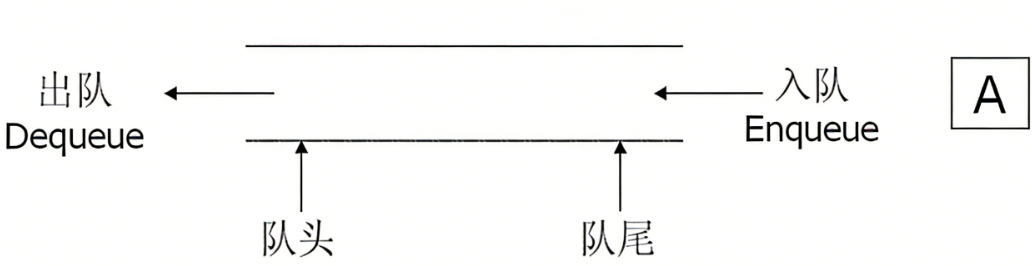
名字叫做队列,其实就像我们排队一样,先排的人先得服务,后排的人后得到服务,在队列中,先进来的元素先得到操作,后进来的服务后得到操作
二、队列的实现
想要实现队列,我们就要考虑与实现栈时一样的问题,那就是:底层用数组实现还是用链表实现?
首先我们来分析一下,队列是需要在队尾和队头进行频繁操作的数据结构,队尾通常容易实现,但是相较于队头,数组要实现所需要的时间成本就要远远大于链表了,所以综上所述,我们决定用链表为底来实现队列
2.1、队列的结构
既然底层用的是链表实现,那么接涉及到节点的问题,我们依旧将队列的节点设置成与链表节点相同即可。但这时候又有一个新的问题:用单链表还是双链表?我们依旧是从队列的定义出发。既然是一端进一端出,那只用考虑头尾位置的节点就行,不会像顺序表或者链表那样涉及到pos位置的插入删除,同时兼顾运行效率,我们决定采用单链表的作为队列节点的结构,这样一来,队列节点的结构就成了这样:
cpp
//现在定义队列节点:
typedef struct QueueNode {
	Elemtype data;		//数据域
	struct QueueNode* next;		//指针域
}QueueNode;
在队列中,哦不,应该说是在链表中,我们对于头部删除的操作是很方便的,但是队尾部插入的话就要经常遍历一遍链表然后再能进行操.像队列这种经常对队尾进行操作的数据结构,我们总不能每次插入都遍历一遍吧?这样的话真的就比老奶奶过马路还慢了,所以我们要定义一个尾指针,使它一直指向尾结点,所以下面才是队列真正的结构体:
cpp
//现在定义队列结构体:
typedef struct Queue {
	QueueNode* phead;
	QueueNode* ptail;
}Queue;
2.2、队列的初始化
**队列的初始化与其他数据结构一样,都是对自己结构体里面的元素进行初始化,那在队列中,**我们是对队列的节点进行初始化呢?还是对队列的头尾指针进行初始化呢?答案是对队列的头尾指针进行初始化,因为队列这个数据结构我们对是对头尾指针进行操作的,对于节点只是一个过程而已:
cpp
//现在初始化队列:
void Init_Queue(Queue* pQueue) {
	pQueue->phead = pQueue->ptail = NULL;
}
将两个指针置为空就行
2.3、入队
队列的入队一般是在队尾进行操作的,我们在编写代码的时候要留个心眼,如果当前队列一个元素都没有,那在插入的时候就是头尾指针指向同一个节点,如果队列中已经有元素了,那就只用对尾指针进行操作,最后记得将尾指针指向最新的节点下面是具体代码:
cpp
//现在是入队列
void Push_Queue(Queue* pQueue,Elemtype data) {
	assert(pQueue);
	//创建新节点
	QueueNode* newNode = (QueueNode*)malloc(sizeof(QueueNode));
	if (newNode == NULL) {
		printf("新节点创建失败....\n");
		return;
	}
	newNode->data = data;
	newNode->next = NULL;
	if (pQueue->phead == NULL) {
		//说明是头节点
		pQueue->phead = pQueue->ptail = newNode;
	}
	//ptail		newNode
	pQueue->ptail->next = newNode;
	pQueue->ptail = newNode;
    size++;        //这是用来记录当前队列有效元素个数的变量的
}
2.4、出队
出队一般来说是对头指针进行操作的,与入队一样,我们也考虑到当队列中只有一个元素时,释放完头指针,要将头指针与尾指针同时置为NULL,如果队列中不止一个元素,那就只用对头指针进行操作,然后将头指针指向下一个元素,下面是具体的代码:
cpp
//出队列
void Pop_Queue(Queue* pQueue) {
	assert(pQueue);
	if (pQueue->phead == NULL) {
		printf("当前队列为空,无法出队...\n");
		return;
	}
	//如果只有一个节点
	if (pQueue->phead == pQueue->ptail) {
		free(pQueue->phead);
		pQueue->phead = pQueue->ptail = NULL;
	}
	//phead		phaed->next
	//delet         phead
	else {
		QueueNode* delet = pQueue->phead;
		pQueue->phead = pQueue->phead->next;
		free(delet);
		delet = NULL;
	}
        size--;        //这是用来记录当前队列中有效元素个数的变量
}
2.5、取队头队尾数据:
这个操作相对简单一点,我们只用返回队头队尾的节点元素即可,代码如下:
cpp
//取队头元素
Elemtype Get_first_elem(Queue* pQueue) {
	assert(pQueue);
	return pQueue->phead->data;
}


//取队尾元素
Elemtype Get_tail_elem(Queue* pQueue) {
	assert(pQueue);
	return pQueue->ptail->data;
}
这里要注意的是,我们在设计返回类型的时候,要将返回值设置为我们想要的类型,在这里我提前将int 类型重命名为了Elmetype ,在代码总和那一块我会展示出来。
2.6、队列中有效的元素个数
在这个操作中,我们有两种操作方式,第一种就是传统的使用遍历的方式,将节点数一一记录下来;第二种就是在入队的时候用一个变量size++,在出队的时候对size--,这样就能实时更新队列中的元素个数了,第二种方式在返回个数的时候要比第一种快很多,下面是两种代码的展示:
cpp
//第一种的传统方式:
//计算队列中有效的元素个数
int Size_Queue(Queue* pQueue) {
	assert(pQueue);
	int size = 0;
	QueueNode* pcur = pQueue->phead;
	while (pcur) {
		size++;
		pcur = pcur->next;
	}
	return size;
}

//第二种返回方式
int Size_Queue(Queue* pQueue,int size){
    assert(pQueue));
    return size;
}
2.7、队列的销毁
队列的销毁与链表的销毁相同,用遍历指针逐一将节点一一销毁,最后将头尾指针置为NULL:
cpp
void Destory_Queue(Queue* pQueue) {
	assert(pQueue);
	QueueNode* pcur = pQueue->phead;
	while (pcur) {
		QueueNode* delet = pcur;
		pcur = pcur->next;
		free(delet);
		delet = NULL;
	}
	pQueue->phead = pQueue->ptail = NULL;

}
要提醒的是,一定要将头尾指针置为NULL,不要这两个指针会成为野指针!!!!
三、综合代码
cpp
#define _CRT_SECURE_NO_WARNINGS 520
#include<stdio.h>
#include<stdlib.h>
#include<assert.h>
#include<windows.h>

typedef int Elemtype;


//现在定义队列节点:
typedef struct QueueNode {
	Elemtype data;		//数据域
	struct QueueNode* next;		//指针域
}QueueNode;


//现在定义队列结构体:
typedef struct Queue {
	QueueNode* phead;
	QueueNode* ptail;
}Queue;


//现在初始化队列:
void Init_Queue(Queue* pQueue) {
	pQueue->phead = pQueue->ptail = NULL;
}


//现在是入队列
void Push_Queue(Queue* pQueue,Elemtype data) {
	assert(pQueue);
	//创建新节点
	QueueNode* newNode = (QueueNode*)malloc(sizeof(QueueNode));
	if (newNode == NULL) {
		printf("新节点创建失败....\n");
		return;
	}
	newNode->data = data;
	newNode->next = NULL;
	if (pQueue->phead == NULL) {
		//说明是头节点
		pQueue->phead = pQueue->ptail = newNode;
	}
	//ptail		newNode
	pQueue->ptail->next = newNode;
	pQueue->ptail = newNode;
}


//出队列
void Pop_Queue(Queue* pQueue) {
	assert(pQueue);
	if (pQueue->phead == NULL) {
		printf("当前队列为空,无法出队...\n");
		return;
	}
	//如果只有一个节点
	if (pQueue->phead == pQueue->ptail) {
		free(pQueue->phead);
		pQueue->phead = pQueue->ptail = NULL;
	}
	//phead		phaed->next
	//delet         phead
	else {
		QueueNode* delet = pQueue->phead;
		pQueue->phead = pQueue->phead->next;
		free(delet);
		delet = NULL;
	}
}


//取队头元素
Elemtype Get_first_elem(Queue* pQueue) {
	assert(pQueue);
	return pQueue->phead->data;
}


//取队尾元素
Elemtype Get_tail_elem(Queue* pQueue) {
	assert(pQueue);
	return pQueue->ptail->data;
}


//计算队列中有效的元素个数
int Size_Queue(Queue* pQueue) {
	assert(pQueue);
	int size = 0;
	QueueNode* pcur = pQueue->phead;
	while (pcur) {
		size++;
		pcur = pcur->next;
	}
	return size;
}


void Destory_Queue(Queue* pQueue) {
	assert(pQueue);
	QueueNode* pcur = pQueue->phead;
	while (pcur) {
		QueueNode* delet = pcur;
		pcur = pcur->next;
		free(delet);
		delet = NULL;
	}
	pQueue->phead = pQueue->ptail = NULL;

}


//现在是打印队列
void my_printf(Queue* pQueue) {
	assert(pQueue);
	if (pQueue->phead == NULL) {
		printf("当前队列为空,无法打印...\n");
		return;
	}
	else {
		QueueNode* pcur = pQueue->phead;
		while (pcur) {
			printf("%d ", pcur->data);
			pcur = pcur->next;
		}
	}
}


//现在是打印菜单
void printf_menu() {
	printf("=========================================\n");
	printf("1.入队		2.出队\n");
	printf("3.取队头元素		4.取队尾元素\n");
	printf("5.计算队列元素个数\n");
	printf("=========================================\n");
	printf("\n");
}


int main() {
	Queue L;
	Queue* pQueue = &L;
	Init_Queue(pQueue);
	int choose;
	do
	{
		system("cls");
		printf_menu();
		printf("当前的队列为:\n");
		my_printf(pQueue);
		printf("\n");
		printf("请输入你的选择:\n");
		scanf("%d", &choose);
		switch (choose) {
		case 1: {
			printf("请输入你想输入的元素个数:\n");
			int num = 0;
			scanf("%d", &num);
			Elemtype data = 0;
			printf("请输入你想输入的元素:\n");
			for (int i = 0; i < num; i++) {
				scanf("%d", &data);
				Push_Queue(pQueue, data);
			}
			printf("正在输入...\n");
			Sleep(1000);
			printf("输入成功~\n");
			Sleep(2000);
			break;
		}
		case 2: {
			printf("正在出队...\n");
			Sleep(1000);
			Pop_Queue(pQueue);
			printf("出队成功~\n");
			Sleep(2000);
			break;
		}
		case 3: {
			Elemtype elem = Get_first_elem(pQueue);
			printf("正在取出对队头元素...\n");
			Sleep(1000);
			printf("队头元素为: %d", elem);
			Sleep(2000);
			break;
		}
		case 4: {
			Elemtype elem = Get_tail_elem(pQueue);
			printf("正在取出对队尾元素...\n");
			Sleep(1000);
			printf("队尾元素为: %d", elem);
			Sleep(2000);
			break;
		}
		case 5: {
			printf("正在计算队列大小...\n");
			int num = Size_Queue(pQueue);
			Sleep(1000);
			printf("队列的大小为: %d", num);
			Sleep(1000);
			break;
		}
		case -1: {
			printf("正在退出程序...\n");
			Sleep(1000);
			printf("退出成功~\n");
			Sleep(500);
		}
		}
	} while (choose != -1);
	Destory_Queue(pQueue);
	return 0;
}
以上就是我对队列基本知识的分享了,感谢大家的阅读~~~
文章是自己写的哈,有什么描述不对的、不恰当的地方,恳请大佬指正,看到后会第一时间修改,感谢您的阅读。