目录
一.栈
1.系统栈
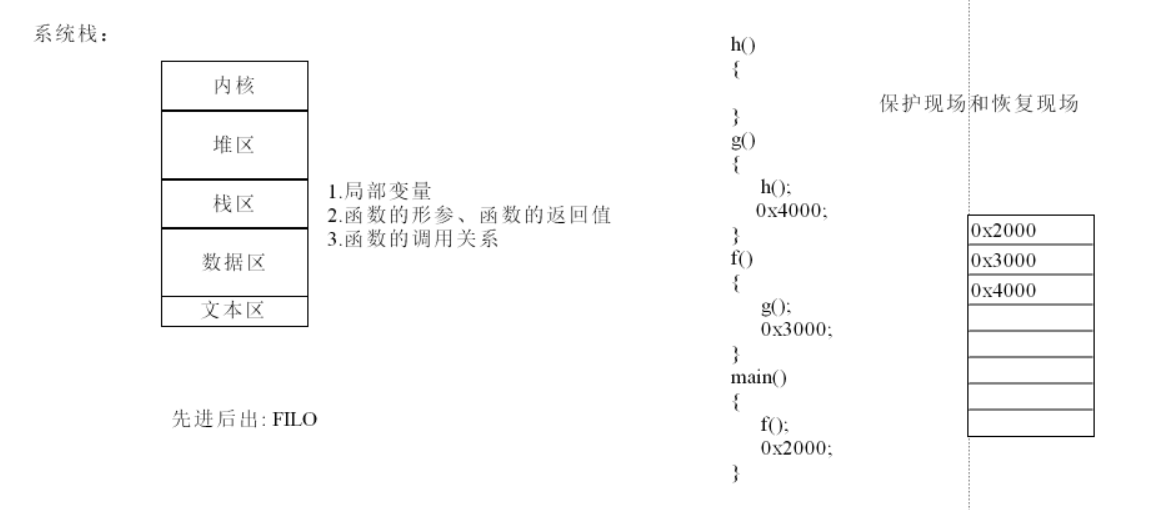
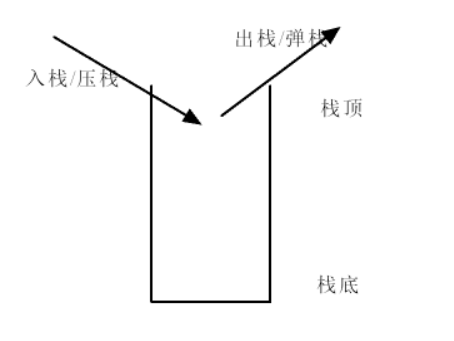
数据结构中的栈:
只允许从一端进行数据的插入和删除的线性存储结构,称之为栈结构
特点:先进后出: FILO
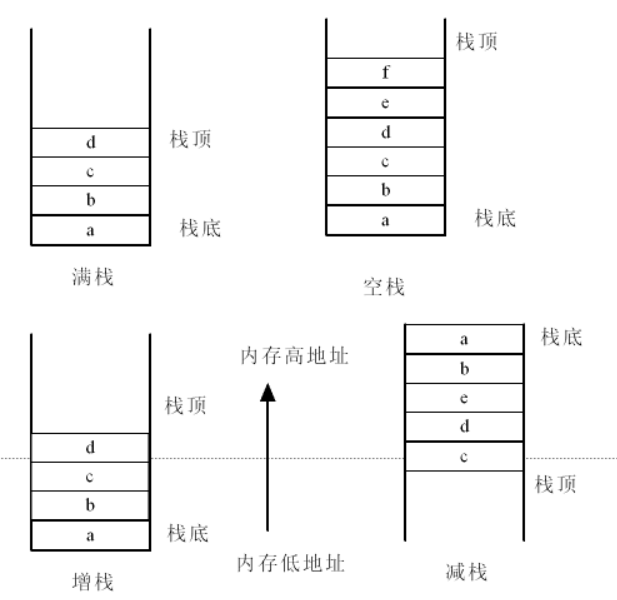
2.顺序表(数组)---》顺序栈
满增栈、满减栈、空增栈、空减栈
满栈、空栈:栈顶所在位置是否存在数据
增栈、减栈:按照栈的生长方向区分
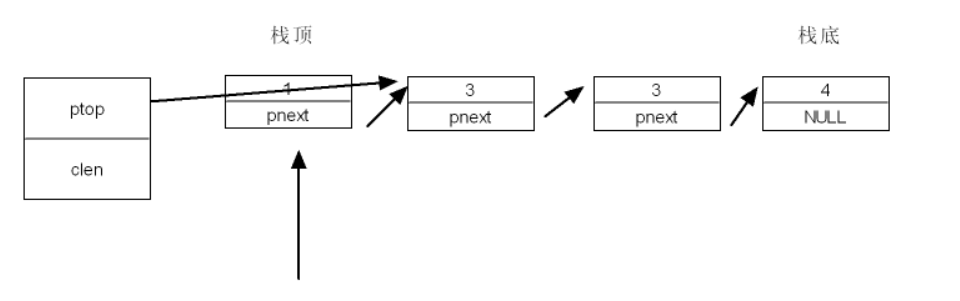
3.链式栈:
头文件
cpp
#ifndef __STACK_H__
#define __STACK_H__

typedef int Data_type_t;
typedef struct stnode
{
  Data_type_t data;
  struct stnode *pnext;
} STNode_t;

typedef struct stack
{
  STNode_t *ptop;
  int clen;
} Stack_t;

Stack_t *create_stack();
int is_empty_stack(Stack_t *pstack);
int push_stack(Stack_t *pstack, Data_type_t data);
int pop_stack(Stack_t *pstack, Data_type_t *pdata);
void stack_for_each(Stack_t *pstack);
int get_top_stack(Stack_t *pstack, Data_type_t *pdata);
void destroy_stack(Stack_t **ppstack);

#endif
创建链表
cpp
Stack_t *create_stack()
{
  Stack_t *pstack = malloc(sizeof(Stack_t));
  if (pstack == NULL)
    {
      printf("malloc error\n");
      return NULL;
    }
  pstack->ptop = NULL;
  pstack->clen = 0;

  return pstack;
}
入栈(压栈)
cpp
int push_stack(Stack_t *pstack, Data_type_t data)
{
  STNode_t *pnode = malloc(sizeof(STNode_t));
  if (pnode == NULL)
    {
      printf("malloc error\n");
      return -1;
    }
  pnode->pnext = NULL;
  pnode->data = data;

  pnode->pnext = pstack->ptop;
  pstack->ptop = pnode;
  pstack->clen++;
}
出栈(弹栈)
cpp
int pop_stack(Stack_t *pstack, Data_type_t *pdata)
{
  if (pstack->ptop == NULL)
    {
      return -1;
    }
  else
    {
      STNode_t *ptemp = pstack->ptop;
      pstack->ptop = ptemp->pnext;
      if (pdata != NULL)
        {
          *pdata = ptemp->data;
        }
      free(ptemp);
      pstack->clen--;
      return 0;
    }
}
获取栈顶元素
cpp
int get_top_stack(Stack_t *pstack, Data_type_t *pdata)
{
  if (NULL == pstack->ptop)
    {
      return -1;
    }
  if (NULL == pdata)
    {
      return -1;
    }
  *pdata = pstack->ptop->data;
  return 0;
}
遍历
cpp
void stack_for_each(Stack_t *pstack)
{
  STNode_t *ptemp = pstack->ptop;

  while (ptemp != NULL)
    {
      printf("%d", ptemp->data);
      ptemp = ptemp->pnext;
    }
  printf("\n");
}
销毁链式栈
cpp
void destroy_stack(Stack_t **ppstack)
{
  while (!is_empty_stack(*ppstack))
    {
      pop_stack(*ppstack, NULL);
    }
  free(*ppstack);
  *ppstack = NULL;
}
主函数
cpp
#include <stdio.h>
#include <stdlib.h>
#include "stack.h"

int main(void)
{
  Data_type_t data;
  Stack_t* pstack = create_stack();
  if (NULL == pstack)
    {
      return -1;
    }
  push_stack(pstack, 0);
  push_stack(pstack, 1);
  push_stack(pstack, 2);
  push_stack(pstack, 3);
  push_stack(pstack, 4);
  stack_for_each(pstack);
  int ret = pop_stack(pstack, &data);
  if (ret == 0)
    {
      printf("data = %d\n", data);
    }
  stack_for_each(pstack);
  ret = get_top_stack(pstack, &data);
  if (0 == ret)
    {
      printf("top : %d\n", data);
    }
  destroy_stack(&pstack);
}
二.队列
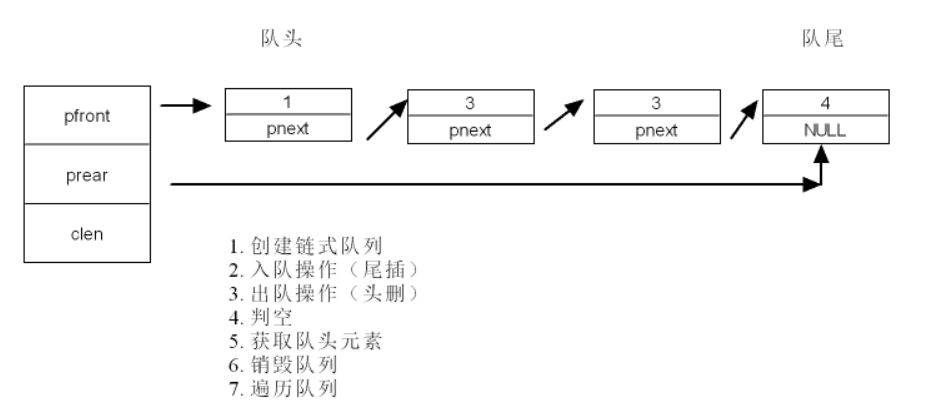
允许从一端进行数据的插入,另一端进行数据的删除的线性存储结构,称为队列结构。
插入操作:入队操作,插入这端称为队列的队尾。
删除操作:出队操作,删除这端称为队列的队头。
特点:先进先出(FIFO)
应用:数据缓存
1.顺序队列
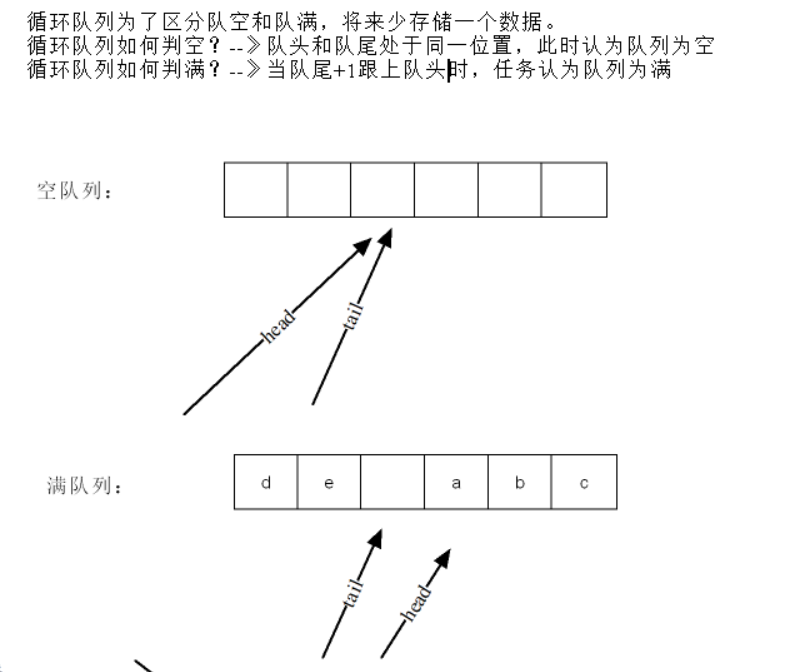
顺序表---->顺序队列---->假溢出问题---->循环队列
判空:队头,队尾处于同一位置
判满:当队尾+1跟上队头时
循环队列为了区分队空和队满,将少存储一个数据
2.链式队列
头文件
cpp
#ifndef __LQUEUE_H__
#define __LQUEUE_H__


typedef int Data_type_t;

typedef struct lqnode
{
    Data_type_t data;
    struct lqnode *pnext;
}LQNode_t;


typedef struct lqueue
{
    LQNode_t *phead;
    LQNode_t *ptail;
    int clen;
}LQueue_t;


extern LQueue_t *create_link_queue();
extern void link_queue_for_each(LQueue_t *plq);
extern int push_link_queue(LQueue_t *plq, Data_type_t data);
extern int is_empty_link_queue(LQueue_t *plq);
extern int pop_link_queue(LQueue_t *plq, Data_type_t *pdata);
extern void destroy_link_queue(LQueue_t **pplq);
extern int get_queue_head(LQueue_t *plq, Data_type_t *pdata);

#endif
创建队列
cpp
LQueue_t* create_lqueue()
{
  LQueue_t* plqueue = malloc(sizeof(LQueue_t));
  if (NULL == plqueue)
    {
      printf("malloc error\n");
      return NULL;
    }
  plqueue->phead = NULL;
  plqueue->ptail = NULL;
  plqueue->clen = 0;
  return plqueue;
}
入队
cpp
int in_plqueue_tail(LQueue_t* plqueue, Data_type_t data)
{
  LQNode_t* pnode = malloc(sizeof(LQNode_t));
  if (pnode == NULL)
    {
      printf("malloc error\n");
      return -1;
    }
  pnode->pnext = NULL;
  pnode->data = data;
  if (is_empty_plqueue(plqueue))
    {
      plqueue->phead = pnode;
      plqueue->ptail = pnode;
      plqueue->clen++;
    }
  else
    {
      plqueue->ptail->pnext = pnode;
      plqueue->ptail = pnode;
      plqueue->clen++;
    }
  return 0;
}
出队
cpp
int out_plqueue_head(LQueue_t* plqueue)
{
  LQNode_t* ptemp = plqueue->phead;
  if (is_empty_plqueue(plqueue))
    {
      return -1;
    }
  if (plqueue->phead == plqueue->ptail)
    {
      free(ptemp);
      plqueue->phead = NULL;
      plqueue->ptail = NULL;
      plqueue->clen--;
    }
  else
    {
      plqueue->phead = ptemp->pnext;
      free(ptemp);
      plqueue->clen--;
    }
}
获取队头元素
cpp
int get_top_plqueue(LQueue_t* plqueue, Data_type_t* data)
{
  if (is_empty_plqueue(plqueue))
    {
      return -1;
    }
  *data = plqueue->phead->data;
  return 0;
}
遍历
cpp
int plqueue_for_each(LQueue_t* plqueue)
{
  LQNode_t* ptemp = plqueue->phead;

  if (is_empty_plqueue(plqueue))
    {
      return -1;
    }
  while (ptemp != NULL)
    {
      printf("%2d", ptemp->data);
      ptemp = ptemp->pnext;
    }
  printf("\n");
}
销毁队列
cpp
int destory_plqueue(LQueue_t** pplqueue)
{
  while (!is_empty_plqueue(*pplqueue))
    {
      out_plqueue_head(*pplqueue);
    }
  free(*pplqueue);
  *pplqueue = NULL;
}
主函数
cpp
#include <stdio.h>
#include "lqueue.h"
int main(void)
{
  LQueue_t* plqueue = create_lqueue();
  if (plqueue == NULL)
    {
      return -1;
    }
  in_plqueue_tail(plqueue, 0);
  in_plqueue_tail(plqueue, 1);
  in_plqueue_tail(plqueue, 2);
  in_plqueue_tail(plqueue, 3);
  in_plqueue_tail(plqueue, 4);
  out_plqueue_head(plqueue);
  plqueue_for_each(plqueue);
  Data_type_t data;
  int ret = get_top_plqueue(plqueue, &data);
  if (ret == 0)
    {
      printf("top = %d\n", data);
    }
  destory_plqueue(&plqueue);
}
3.循环队列
头文件
cpp
#ifndef __SEQQUE_H_
#define __SEQQUE_H_

#define SEQQUE_MAX_LEN 10

typedef int Data_type_t;

typedef struct seqque
{
  Data_type_t *pbase;
  int head;
  int tail;
} Seqque_t;

extern Seqque_t *create_seqque();
extern int is_full_seqque(Seqque_t *psq);
extern int is_empty_seqque(Seqque_t *psq);
extern int push_seqque(Seqque_t *psq, Data_type_t data);
extern void seqque_for_each(Seqque_t *psq);
extern int out_seqque(Seqque_t *psq, Data_type_t *data);
extern int get_head_seqque(Seqque_t *psq, Data_type_t *data);
extern void destory_seqque(Seqque_t **psq);
#endif
创建队列
cpp
Seqque_t *create_seqque()
{
  Seqque_t *psq = malloc(sizeof(Seqque_t));
  if (NULL == psq)
    {
      printf("malloc error\n");
      return NULL;
    }
  psq->head = 0;
  psq->tail = 0;
  psq->pbase = malloc(sizeof(Data_type_t) * SEQQUE_MAX_LEN);
  if (NULL == psq->pbase)
    {
      printf("malloc error\n");
      return NULL;
    }

  return psq;
}
判空
cpp
int is_empty_seqque(Seqque_t *psq)
{
  if (psq->head == psq->tail)
    {
      return 1;
    }
  return 0;
}
判满
cpp
int is_full_seqque(Seqque_t *psq)
{
  if ((psq->tail + 1) % SEQQUE_MAX_LEN == psq->head)
    {
      return 1;
    }
  return 0;
}
入队
cpp
int push_seqque(Seqque_t *psq, Data_type_t data)
{
  if (is_full_seqque(psq))
    {
      printf("seqque is full\n");
      return -1;
    }

  psq->pbase[psq->tail] = data;
  psq->tail = (psq->tail + 1) % SEQQUE_MAX_LEN;

  return 0;
}
出队
cpp
int out_seqque(Seqque_t *psq, Data_type_t *data)
{
  if (is_empty_seqque(psq) || NULL == data)
    {
      printf("seqque is empty\n");
      return -1;
    }

  *data = psq->pbase[psq->head];
  psq->head = (psq->head + 1) % SEQQUE_MAX_LEN;
  return 0;
}
遍历
cpp
void seqque_for_each(Seqque_t *psq)
{
  for (int i = psq->head; i != psq->tail; i = (i + 1) % SEQQUE_MAX_LEN)
    {
      printf("%d ", psq->pbase[i]);
    }
  printf("\n");
}
获取队头元素
cpp
int get_head_seqque(Seqque_t *psq, Data_type_t *data)
{
  if (is_empty_seqque(psq) || NULL == data)
    {
      printf("seqque is empty\n");
      return -1;
    }

  *data = psq->pbase[psq->head];
}
销毁队列
cpp
void destory_seqque(Seqque_t **psq)
{
  free((*psq)->pbase);
  free(*psq);
  *psq = NULL;
}
主函数
cpp
#include <stdio.h>
#include "seqque.h"

int main(void)
{
  Seqque_t *psq = create_seqque();
  if (NULL == psq)
    {
      return -1;
    }

  for (int i = 0; i < 10; i++)
    {
      push_seqque(psq, i);
    }
  Data_type_t data;
  seqque_for_each(psq);
  out_seqque(psq, &data);
  if (out_seqque(psq, &data) == 0)
    {
      printf("%d\n", data);
    }
  seqque_for_each(psq);
  destory_seqque(&psq);

  return 0;
}