1、
struct qwe {

	char itable;

	int num[20];

	char *togs;

};
2、
3、
struct year {

	char month[10];

	char MONTH[4];

	int days;

	int numbers;

};
4、
struct year months[12] ={

	{"January", "Jan", 31, 1},

	{"February", "Feb", 28, 2},

	{"March", "Mar", 31, 3},

	{"April", "Apr", 30, 4},

	{"May", "May", 31, 5},

	{"June", "Jun", 30, 6},

	{"July", "Jul", 31, 7},

	{"August", "Aug", 31, 8},

	{"September", "Sep", 30, 9},

	{"October", "Oct", 31, 10},

	{"November", "Nov", 30, 11},

	{"December", "Dec", 31, 12}

};
5、
int days(const struct year months[], int month)
{

	int i, total = 0;

	if(month < 1 || month > 12)

		return 1;

	else

	{

		for(i = 0; i < month; i++)

			total += months[i].days;

		return total;

	}
}
6、
a.
#include <string.h>

typedef struct lens {

	float foclen;

	float fstop;

	char brand[30];

} LENS;

LENS arry[10];

arry[2].foclen = 500;

arry[2].fstop = 2.0;

strcpy(arry[2].brand ,"Remarkata");

/*

	因为数组名在C语言中是个常量指针,表示数组首元素的地址。而字符串也是个常量指针,
	直接赋值数组的话会改变地址,故可以选择给数组一个字符一个字符赋值,
	或者用 strcpy() 函数把字符串拷贝到数组中

*/
b.
#include <string.h>

typedef struct lens {

	float foclen;

	float fstop;

	char brand[30];

} LENS;

LENS arry[10];

LENS arry[10] =
{

    [2] = {

        .foclen = 500.0,

        .fstop = 2.0,

        .brand = "Remarkata"  // 注意:这里可以写字符串常量
    }


};

/*

①与其它初始化方式混合:

LENS arry[10] = {

    [2].foclen = 500.0,  // 只为特定元素的特定成员赋值

    [2].fstop = 2.0,

    [2].brand = "Remarkata",

    [5].brand = "Nikon"  // 可以只初始化部分成员

};

*/


/*

 ②全部使用指定初始化器:

 LENS arry[10] = {

    [0] = {.foclen = 50.0, .fstop = 1.8, .brand = "Sigma"},

    [1] = {.foclen = 85.0, .fstop = 1.4, .brand = "Sony"},

    [2] = {.foclen = 500.0, .fstop = 2.0, .brand = "Remarkata"},

    [3] = {.foclen = 35.0, .fstop = 1.4, .brand = "Zeiss"}


};

*/


/*

③部分初始化 + 传统初始化:

LENS arry[10] = {

    [2] = {500.0, 2.0, "Remarkata"},  // 指定索引,传统顺序

    {100.0, 4.0, "Tamron"},  // 没有指定索引,就是[0]

	[4] = {200.0, 2.8, "Tokina"}

};

*/
7、
a.
b.
①

deb.title.last

②

pb->title.last
c.
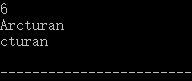
#include <stdio.h>
#include "starfolk.h"

struct name {

    char first[20];

    char last[20];

};

struct bem {

    int limbs;

    struct name title;

    char type[30];

};

void show(const struct bem *ptr);

int main(void)
{
    struct bem *pb;

    struct bem deb = {

        6,

        {"Berbnazel", "Gwolkapwolk"},

        "Arcturan"

    };

    pb = &deb;

    show(pb);

    return 0;
}

void show(const struct bem *fp)
{

	printf("%s %s is a %d-limbed %s.\n",fp->title.first,
			fp->title.last, fp->limbs, fp->type);

}
8、
a.

willie.born

b.

pt->born

c.

scanf(%d, &willie.born);

d.

scanf(%d, &pt->born);

e.

scanf(%s, willie.name.lname);

f.

scanf(%s, pt->name.lname);

g.

willie.name.fname[2];

h.

strlen(willie.name.fname) + strlen(willie.name.lname);
9、
struct car {

	char name[20];

	float horsepower;

	float EAPMPG;

	float wheelbase;

	int year;

};
10、
a.
struct gas mpgs(struct gas *fp)
{

    if(fp.gals > 0)

        fp.mpg = fp.distance / fp.gals;

    else

        fp.mpg = -1.0;

    return fp;

}
b.
void set_mpgs(struct gas *fp)
{

    if(fp->gals > 0)

        fp->mpg = fp->distance / fp->gals;

    else

        fp->mpg = -1.0;

}
11、

12、

13、
double function1(double , double );

double function2(double , double );

double function3(double , double );

double function4(double , double );

double (*fp[4])(double , double)= {

	function1,

	function2,

	function3,

	function4

};


function1(10.0, 2.5);

(*fp[2])(10.0, 2.5);