
一、题目描述
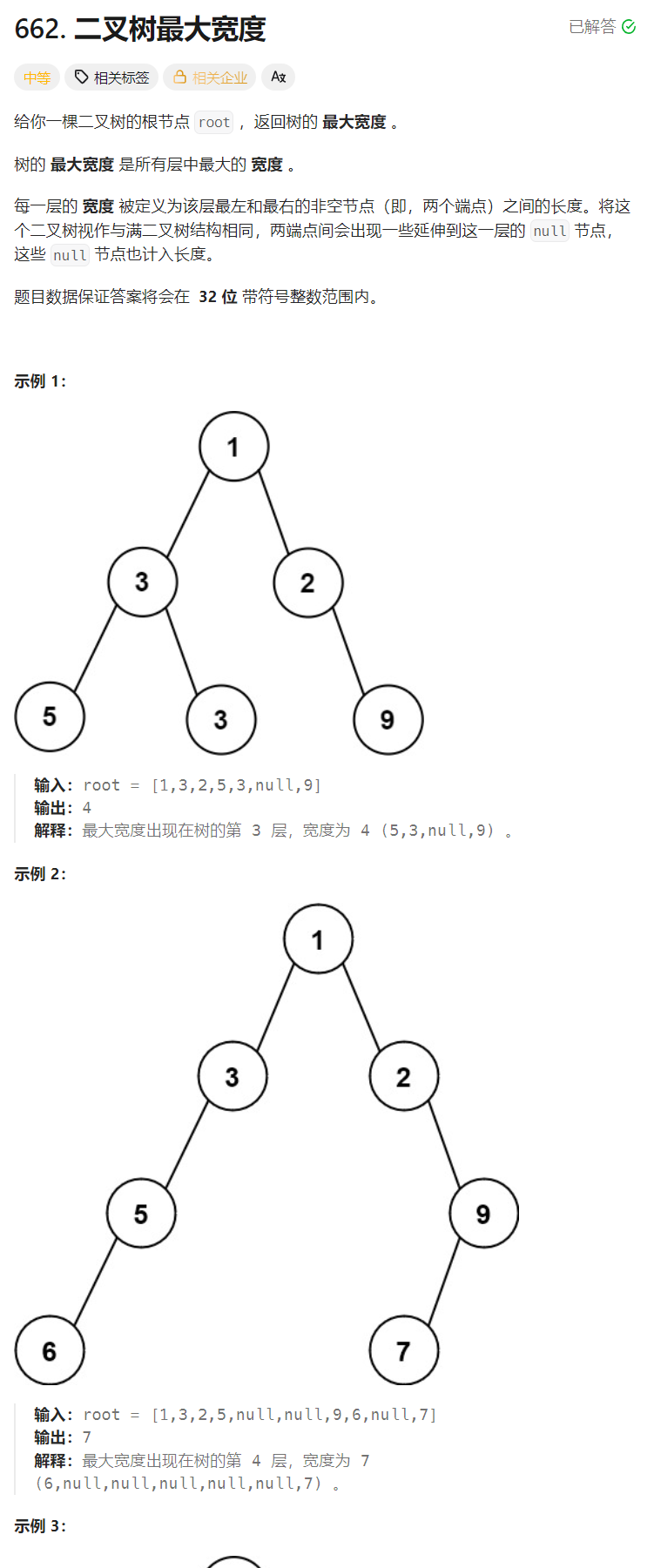
二、算法原理
思路:使用队列实现层序遍历 + 让节点绑定一个下标 pair< TreeNode* , unsigned int>
例如:
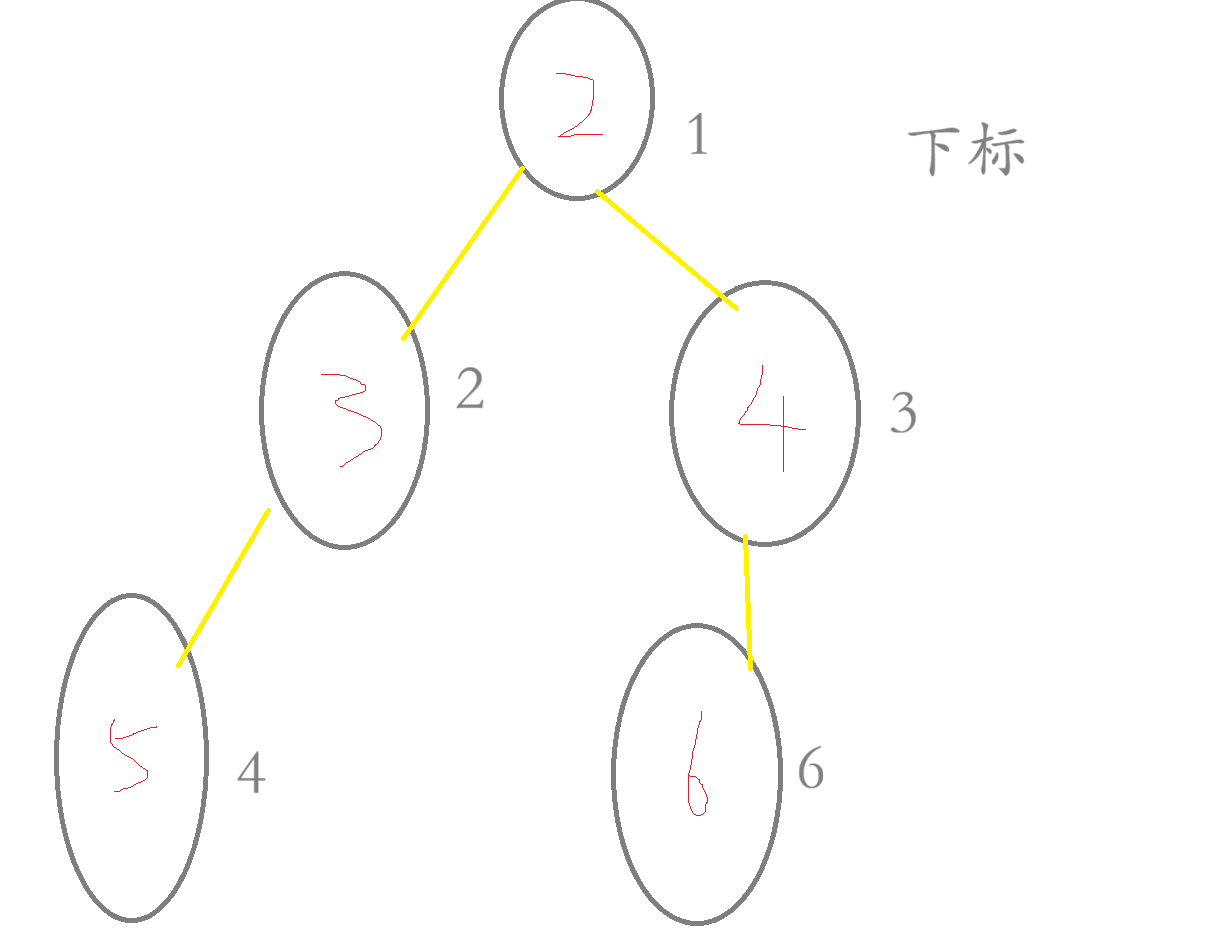
计算左节点的下标的公式:父亲节点 * 2
计算右节点的下边的公式:父亲节点 * 2 + 1
第一层的宽度:1
第二层的宽度:3 - 2 + 1 = 2
第三层的宽度:6 - 4 + 1 = 3
故而最大的宽度位3
为什么使用 unsigned int 因为数值溢出了也不报错。
当使用 int 时,即使一个数溢出了:
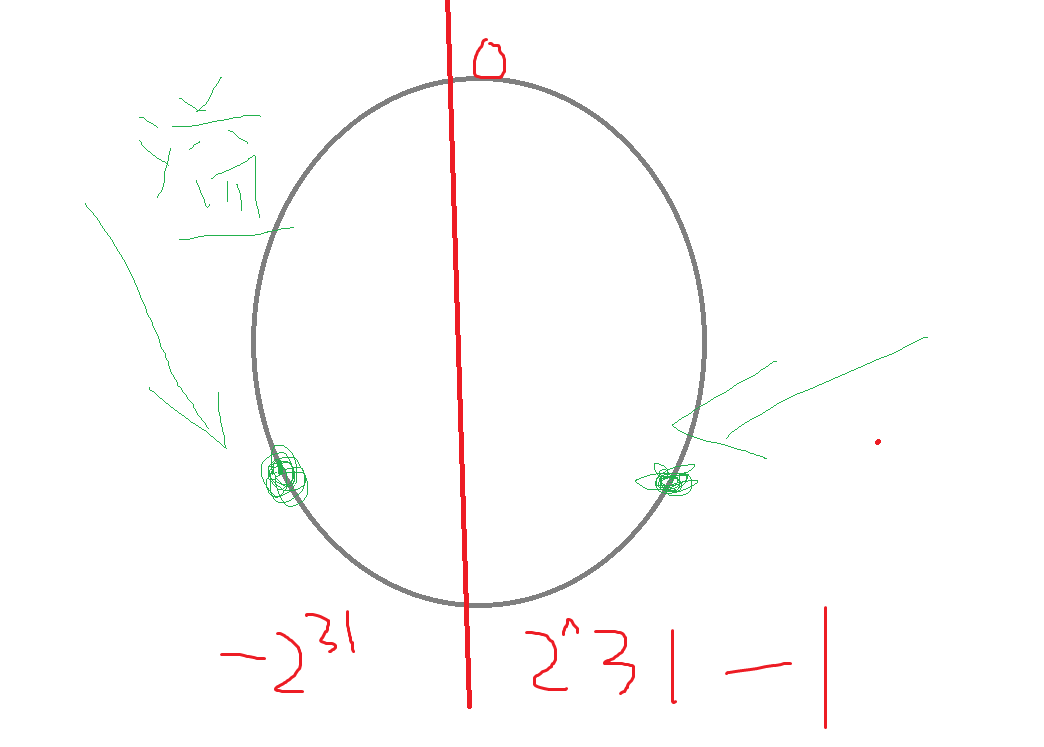
此时这两个数其中一个溢出了,但是相减出来的值是正确的,不过这样编译器会报错,所以使用 unsigned int
三、代码实现
cpp
/**
 * Definition for a binary tree node.
 * struct TreeNode {
 *     int val;
 *     TreeNode *left;
 *     TreeNode *right;
 *     TreeNode() : val(0), left(nullptr), right(nullptr) {}
 *     TreeNode(int x) : val(x), left(nullptr), right(nullptr) {}
 *     TreeNode(int x, TreeNode *left, TreeNode *right) : val(x), left(left), right(right) {}
 * };
 */
class Solution {
public:
    int widthOfBinaryTree(TreeNode* root) {
        if(root == nullptr) return 0;
        queue<pair<TreeNode*,unsigned int>> que;//给每个节点绑定一个下标
        que.push({root,1});//让 root 绑定 1 下标
        unsigned int maxi = 0;//记录最大的宽度
        while(!que.empty())
        {
            int popnum = que.size();
            unsigned int l = que.front().second;//左边的节点的下标
            unsigned int r = 0;
            while(popnum--)
            {
                pair<TreeNode*,unsigned int> node = que.front();
                que.pop();
                unsigned int index = node.second;
                if(node.first->left != nullptr)
                {
                    que.push({node.first->left,2 * index});
                }
                if(node.first->right != nullptr)
                {
                    que.push({node.first->right,2 * index + 1});
                }
                if(popnum == 0) r = index;//最右节点的下标
            }
            maxi = max(maxi, r - l + 1);
        }
        return maxi;
    }
};