目录
[1.1 树的基本概念](#1.1 树的基本概念)
[1.2 树的重要术语(面试常考)](#1.2 树的重要术语(面试常考))
[1.3 树的表示方法](#1.3 树的表示方法)
[1.3.1 孩子兄弟表示法(最常用)](#1.3.1 孩子兄弟表示法(最常用))
[1.3.2 孩子表示法(每个节点存储所有孩子)](#1.3.2 孩子表示法(每个节点存储所有孩子))
[1.4 树的应用场景](#1.4 树的应用场景)
[2.1 二叉树的定义](#2.1 二叉树的定义)
[2.2 特殊二叉树类型](#2.2 特殊二叉树类型)
[2.2.1 满二叉树 (Full Binary Tree)](#2.2.1 满二叉树 (Full Binary Tree))
[2.2.2 完全二叉树 (Complete Binary Tree)](#2.2.2 完全二叉树 (Complete Binary Tree))
[2.2.3 二叉搜索树 (BST) - 重要补充](#2.2.3 二叉搜索树 (BST) - 重要补充)
[2.2.4 平衡二叉树 (AVL Tree) - 重要补充](#2.2.4 平衡二叉树 (AVL Tree) - 重要补充)
[2.2.5 红黑树 (Red-Black Tree) - 重要补充](#2.2.5 红黑树 (Red-Black Tree) - 重要补充)
[2.3 二叉树的重要性质(必背公式)](#2.3 二叉树的重要性质(必背公式))
[2.4 二叉树的存储结构](#2.4 二叉树的存储结构)
[2.4.1 链式存储(最常用)](#2.4.1 链式存储(最常用))
[2.4.2 顺序存储(数组表示)](#2.4.2 顺序存储(数组表示))
[3.1 深度优先遍历 (DFS)](#3.1 深度优先遍历 (DFS))
[3.1.1 递归遍历(基础)](#3.1.1 递归遍历(基础))
[3.1.2 非递归遍历(迭代,面试常考)](#3.1.2 非递归遍历(迭代,面试常考))
[3.1.3 莫里斯遍历 (Morris Traversal) - 空间复杂度O(1)](#3.1.3 莫里斯遍历 (Morris Traversal) - 空间复杂度O(1))
[3.2 广度优先遍历 (BFS) / 层序遍历](#3.2 广度优先遍历 (BFS) / 层序遍历)
[3.3 遍历算法对比](#3.3 遍历算法对比)
[4.1 节点统计操作](#4.1 节点统计操作)
[4.2 树的结构操作](#4.2 树的结构操作)
[5.1 最近公共祖先(LCA)问题扩展](#5.1 最近公共祖先(LCA)问题扩展)
[5.2 二叉树的直径问题](#5.2 二叉树的直径问题)
[5.3 二叉树的最大路径和](#5.3 二叉树的最大路径和)
[6.1 BST的基本操作](#6.1 BST的基本操作)
[6.2 BST与平衡二叉树(AVL)](#6.2 BST与平衡二叉树(AVL))
一、树型结构基础
1.1 树的基本概念
树是一种非线性数据结构,由n(n≥0)个节点组成的有层次关系的集合。它像一棵倒挂的树,根在上,叶在下。
树的关键特性:
-
每个节点有零个或多个子节点
-
没有父节点的节点称为根节点
-
非根节点有且仅有一个父节点
-
树中不能有环(循环引用)
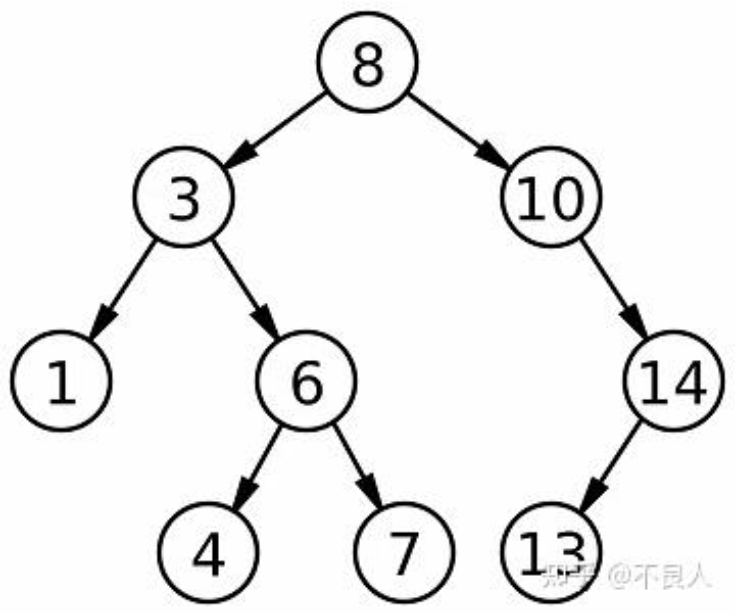
1.2 树的重要术语(面试常考)
| 术语 | 定义 | 示例图说明 |
|---|---|---|
| 节点的度 | 节点拥有的子树个数 | 节点A的度为3 |
| 树的度 | 树中所有节点的最大度 | 上图树的度为3 |
| 叶子节点 | 度为0的节点(终端节点) | E、F、G、H |
| 分支节点 | 度不为0的节点 | A、B、C、D |
| 父/子节点 | 节点的直接上下级关系 | B是E的父节点,E是B的子节点 |
| 兄弟节点 | 同一父节点的子节点 | B、C、D互为兄弟 |
| 堂兄弟节点 | 父节点在同一层的节点 | E和G是堂兄弟 |
| 节点的层次 | 从根开始定义,根为第1层 | A在第1层,B在第2层 |
| 树的高度 | 树中节点的最大层次 | 上图树的高度为4 |
| 祖先/子孙 | 路径上的所有上级/下级 | A是H的祖先,H是A的子孙 |
1.3 树的表示方法
1.3.1 孩子兄弟表示法(最常用)
java
class TreeNode {
    int value;                // 节点存储的数据
    TreeNode firstChild;      // 指向第一个孩子节点
    TreeNode nextSibling;     // 指向下一个兄弟节点

    TreeNode(int value) {
        this.value = value;
        this.firstChild = null;
        this.nextSibling = null;
    }
}

// 示例树结构:
//        A
//       /|\
//      B C D
//     / \   \
//    E   F   G
//
// 表示方式:
// A -> B -> C -> D
// B -> E -> F
// D -> G
1.3.2 孩子表示法(每个节点存储所有孩子)
java
class TreeNode {
    int value;
    List<TreeNode> children;  // 存储所有子节点

    TreeNode(int value) {
        this.value = value;
        this.children = new ArrayList<>();
    }
}
1.4 树的应用场景
-
文件系统:目录和文件的层次结构
-
组织架构:公司的部门层级
-
HTML/XML文档:DOM树结构
-
数据库索引:B树、B+树
-
路由算法:网络路由表
二、二叉树核心概念
2.1 二叉树的定义
二叉树是每个节点最多有两个子节点的树结构,通常称为左子节点和右子节点。
java
class BinaryTreeNode {
    int value;
    BinaryTreeNode left;   // 左子树
    BinaryTreeNode right;  // 右子树

    BinaryTreeNode(int value) {
        this.value = value;
    }
}二叉树的特点:
-
节点的度 ≤ 2
-
左右子树有顺序,不能随意交换
-
即使只有一个子节点,也要区分是左还是右
2.2 特殊二叉树类型
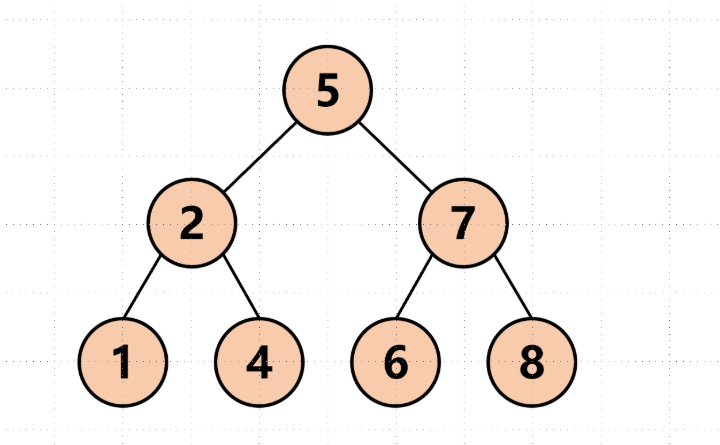
2.2.1 满二叉树 (Full Binary Tree)
-
每一层的节点数都达到最大值
-
深度为k的满二叉树有 2^k - 1 个节点
2.2.2 完全二叉树 (Complete Binary Tree)
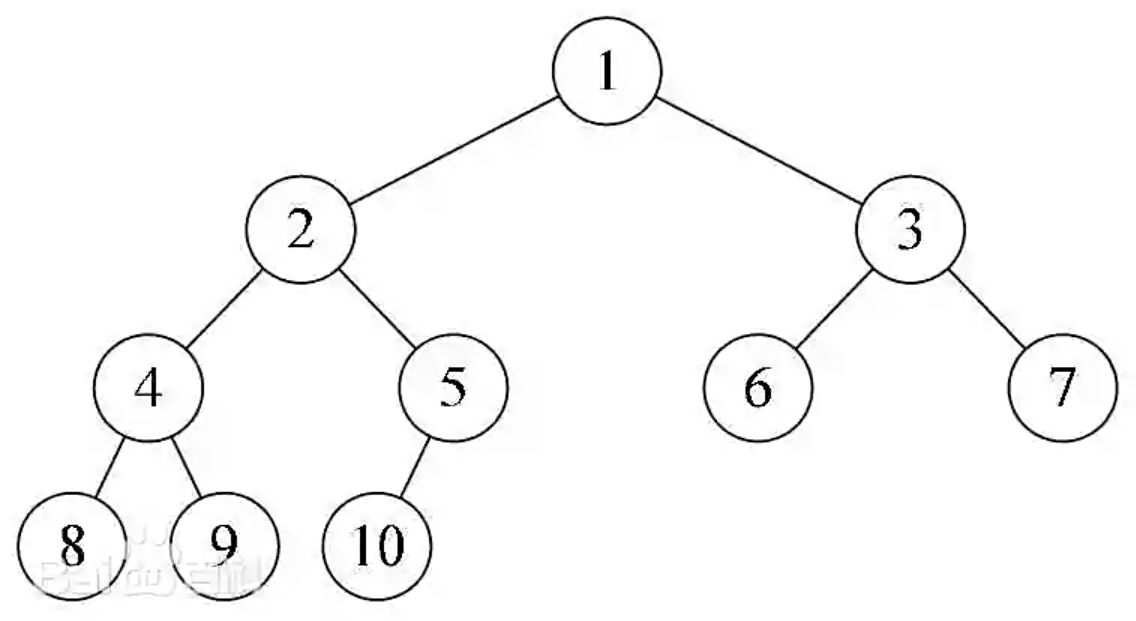
-
除了最后一层,其他层都是满的
-
最后一层的节点都靠左排列
-
堆(Heap)就是完全二叉树
2.2.3 二叉搜索树 (BST) - 重要补充
java
class BinarySearchTree {
    // 二叉搜索树性质:
    // 左子树上所有节点的值 < 根节点的值
    // 右子树上所有节点的值 > 根节点的值
    // 左右子树也都是二叉搜索树
}2.2.4 平衡二叉树 (AVL Tree) - 重要补充
-
任意节点的左右子树高度差不超过1
-
通过旋转操作保持平衡
2.2.5 红黑树 (Red-Black Tree) - 重要补充
-
自平衡的二叉搜索树
-
Java的TreeMap、TreeSet底层实现
2.3 二叉树的重要性质(必背公式)
| 编号 | 性质 | 公式 | 说明 |
|---|---|---|---|
| 1 | 第i层的最大节点数 | 2^(i-1) | i≥1 |
| 2 | 深度为k的二叉树最大节点数 | 2^k - 1 | k≥1 |
| 3 | 叶子节点与度为2节点关系 | n₀ = n₂ + 1 | n₀:叶子节点,n₂:度为2的节点 |
| 4 | 完全二叉树的深度 | ⌈log₂(n+1)⌉ | n为节点数 |
| 5 | 完全二叉树的节点关系 | 父节点i,左孩子2i+1,右孩子2i+2 | 从0开始编号 |
经典例题解析:
例题1:某二叉树有399个节点,其中199个度为2的节点,求叶子节点数
根据 n₀ = n₂ + 1 = 199 + 1 = 200
答案:200
例题2:完全二叉树有767个节点,求叶子节点数
设叶子节点数为n₀,度为1的节点数为n₁,度为2的节点数为n₂
n₀ + n₁ + n₂ = 767
n₀ = n₂ + 1
完全二叉树中,n₁只能是0或1解得:n₀ = 384
2.4 二叉树的存储结构
2.4.1 链式存储(最常用)
java
// 二叉链表表示法
class TreeNode {
    int val;
    TreeNode left;
    TreeNode right;

    TreeNode(int val) {
        this.val = val;
    }
}

// 三叉链表表示法(增加父节点指针)
class TreeNodeWithParent {
    int val;
    TreeNodeWithParent left;
    TreeNodeWithParent right;
    TreeNodeWithParent parent;  // 指向父节点
}
2.4.2 顺序存储(数组表示)
-
适合完全二叉树
-
节点i的父节点:
(i-1)/2 -
节点i的左孩子:
2i+1 -
节点i的右孩子:
2i+2
cpp
// 完全二叉树的数组表示
// 树结构:
//        A(0)
//       /    \
//      B(1)   C(2)
//     / \     /
//    D(3)E(4) F(5)
//
// 数组:[A, B, C, D, E, F]
// B的父节点 = (1-1)/2 = 0 (A)
// A的左孩子 = 2*0+1 = 1 (B)
// A的右孩子 = 2*0+2 = 2 (C)
三、二叉树的遍历算法
3.1 深度优先遍历 (DFS)
3.1.1 递归遍历(基础)
java
public class BinaryTreeTraversal {

    // 前序遍历:根 -> 左 -> 右
    public void preOrder(TreeNode root) {
        if (root == null) return;
        System.out.print(root.val + " ");  // 访问根节点
        preOrder(root.left);               // 遍历左子树
        preOrder(root.right);              // 遍历右子树
    }

    // 中序遍历:左 -> 根 -> 右
    public void inOrder(TreeNode root) {
        if (root == null) return;
        inOrder(root.left);                // 遍历左子树
        System.out.print(root.val + " ");  // 访问根节点
        inOrder(root.right);               // 遍历右子树
    }

    // 后序遍历:左 -> 右 -> 根
    public void postOrder(TreeNode root) {
        if (root == null) return;
        postOrder(root.left);              // 遍历左子树
        postOrder(root.right);             // 遍历右子树
        System.out.print(root.val + " ");  // 访问根节点
    }
}
3.1.2 非递归遍历(迭代,面试常考)
java
import java.util.Stack;

public class BinaryTreeIterativeTraversal {

    // 前序遍历 - 迭代法(使用栈)
    public List<Integer> preorderTraversal(TreeNode root) {
        List<Integer> result = new ArrayList<>();
        if (root == null) return result;

        Stack<TreeNode> stack = new Stack<>();
        stack.push(root);

        while (!stack.isEmpty()) {
            TreeNode node = stack.pop();
            result.add(node.val);

            // 注意:先右后左,保证出栈时是左先右后
            if (node.right != null) {
                stack.push(node.right);
            }
            if (node.left != null) {
                stack.push(node.left);
            }
        }

        return result;
    }

    // 中序遍历 - 迭代法
    public List<Integer> inorderTraversal(TreeNode root) {
        List<Integer> result = new ArrayList<>();
        Stack<TreeNode> stack = new Stack<>();
        TreeNode curr = root;

        while (curr != null || !stack.isEmpty()) {
            // 将左子树全部入栈
            while (curr != null) {
                stack.push(curr);
                curr = curr.left;
            }

            // 访问节点
            curr = stack.pop();
            result.add(curr.val);

            // 转向右子树
            curr = curr.right;
        }

        return result;
    }

    // 后序遍历 - 迭代法(双栈法)
    public List<Integer> postorderTraversal(TreeNode root) {
        List<Integer> result = new ArrayList<>();
        if (root == null) return result;

        Stack<TreeNode> stack1 = new Stack<>();
        Stack<TreeNode> stack2 = new Stack<>();
        stack1.push(root);

        while (!stack1.isEmpty()) {
            TreeNode node = stack1.pop();
            stack2.push(node);

            if (node.left != null) {
                stack1.push(node.left);
            }
            if (node.right != null) {
                stack1.push(node.right);
            }
        }

        while (!stack2.isEmpty()) {
            result.add(stack2.pop().val);
        }

        return result;
    }
}
3.1.3 莫里斯遍历 (Morris Traversal) - 空间复杂度O(1)
java
public class MorrisTraversal {
    // 中序遍历 - Morris算法(线索二叉树思想)
    public List<Integer> inorderMorris(TreeNode root) {
        List<Integer> result = new ArrayList<>();
        TreeNode curr = root;

        while (curr != null) {
            if (curr.left == null) {
                // 如果没有左孩子,访问当前节点,转向右孩子
                result.add(curr.val);
                curr = curr.right;
            } else {
                // 找到当前节点在中序遍历下的前驱节点
                TreeNode predecessor = curr.left;
                while (predecessor.right != null && predecessor.right != curr) {
                    predecessor = predecessor.right;
                }

                if (predecessor.right == null) {
                    // 建立线索
                    predecessor.right = curr;
                    curr = curr.left;
                } else {
                    // 删除线索,恢复树结构
                    predecessor.right = null;
                    result.add(curr.val);
                    curr = curr.right;
                }
            }
        }

        return result;
    }
}
3.2 广度优先遍历 (BFS) / 层序遍历
java
import java.util.*;

public class LevelOrderTraversal {

    // 基本的层序遍历
    public List<Integer> levelOrder(TreeNode root) {
        List<Integer> result = new ArrayList<>();
        if (root == null) return result;

        Queue<TreeNode> queue = new LinkedList<>();
        queue.offer(root);

        while (!queue.isEmpty()) {
            TreeNode node = queue.poll();
            result.add(node.val);

            if (node.left != null) {
                queue.offer(node.left);
            }
            if (node.right != null) {
                queue.offer(node.right);
            }
        }

        return result;
    }

    // 按层分组输出
    public List<List<Integer>> levelOrderByLevel(TreeNode root) {
        List<List<Integer>> result = new ArrayList<>();
        if (root == null) return result;

        Queue<TreeNode> queue = new LinkedList<>();
        queue.offer(root);

        while (!queue.isEmpty()) {
            int levelSize = queue.size();
            List<Integer> levelNodes = new ArrayList<>();

            for (int i = 0; i < levelSize; i++) {
                TreeNode node = queue.poll();
                levelNodes.add(node.val);

                if (node.left != null) queue.offer(node.left);
                if (node.right != null) queue.offer(node.right);
            }

            result.add(levelNodes);
        }

        return result;
    }

    // Zigzag层序遍历(蛇形遍历)
    public List<List<Integer>> zigzagLevelOrder(TreeNode root) {
        List<List<Integer>> result = new ArrayList<>();
        if (root == null) return result;

        Queue<TreeNode> queue = new LinkedList<>();
        queue.offer(root);
        boolean leftToRight = true;

        while (!queue.isEmpty()) {
            int levelSize = queue.size();
            LinkedList<Integer> levelNodes = new LinkedList<>();

            for (int i = 0; i < levelSize; i++) {
                TreeNode node = queue.poll();

                if (leftToRight) {
                    levelNodes.addLast(node.val);
                } else {
                    levelNodes.addFirst(node.val);
                }

                if (node.left != null) queue.offer(node.left);
                if (node.right != null) queue.offer(node.right);
            }

            result.add(levelNodes);
            leftToRight = !leftToRight;
        }

        return result;
    }
}
3.3 遍历算法对比
| 遍历方式 | 递归复杂度 | 迭代复杂度 | 应用场景 |
|---|---|---|---|
| 前序遍历 | 时间O(n),空间O(h) | 时间O(n),空间O(h) | 复制树、序列化 |
| 中序遍历 | 时间O(n),空间O(h) | 时间O(n),空间O(h) | 二叉搜索树排序 |
| 后序遍历 | 时间O(n),空间O(h) | 时间O(n),空间O(h) | 释放树、计算高度 |
| 层序遍历 | 不适用 | 时间O(n),空间O(w) | 找最短路径、完全性判断 |
说明:
-
n: 节点总数
-
h: 树的高度(递归深度)
-
w: 树的最大宽度
四、二叉树基本操作实现
4.1 节点统计操作
java
public class BinaryTreeOperations {

    // 1. 计算节点总数
    public int countNodes(TreeNode root) {
        if (root == null) return 0;
        return 1 + countNodes(root.left) + countNodes(root.right);
    }

    // 2. 计算叶子节点数
    public int countLeafNodes(TreeNode root) {
        if (root == null) return 0;
        if (root.left == null && root.right == null) return 1;
        return countLeafNodes(root.left) + countLeafNodes(root.right);
    }

    // 3. 计算第k层节点数
    public int countNodesAtLevel(TreeNode root, int k) {
        if (root == null || k < 1) return 0;
        if (k == 1) return 1;
        return countNodesAtLevel(root.left, k - 1) +
               countNodesAtLevel(root.right, k - 1);
    }

    // 4. 计算树的高度/深度
    public int getHeight(TreeNode root) {
        if (root == null) return 0;
        return 1 + Math.max(getHeight(root.left), getHeight(root.right));
    }

    // 5. 判断是否平衡二叉树
    public boolean isBalanced(TreeNode root) {
        return checkHeight(root) != -1;
    }

    private int checkHeight(TreeNode root) {
        if (root == null) return 0;

        int leftHeight = checkHeight(root.left);
        if (leftHeight == -1) return -1;

        int rightHeight = checkHeight(root.right);
        if (rightHeight == -1) return -1;

        if (Math.abs(leftHeight - rightHeight) > 1) {
            return -1;
        }

        return Math.max(leftHeight, rightHeight) + 1;
    }

    // 6. 查找节点
    public TreeNode findNode(TreeNode root, int value) {
        if (root == null) return null;
        if (root.val == value) return root;

        TreeNode leftResult = findNode(root.left, value);
        if (leftResult != null) return leftResult;

        return findNode(root.right, value);
    }

    // 7. 判断两棵树是否相同
    public boolean isSameTree(TreeNode p, TreeNode q) {
        if (p == null && q == null) return true;
        if (p == null || q == null) return false;
        if (p.val != q.val) return false;

        return isSameTree(p.left, q.left) && isSameTree(p.right, q.right);
    }

    // 8. 判断是否对称二叉树
    public boolean isSymmetric(TreeNode root) {
        if (root == null) return true;
        return isMirror(root.left, root.right);
    }

    private boolean isMirror(TreeNode t1, TreeNode t2) {
        if (t1 == null && t2 == null) return true;
        if (t1 == null || t2 == null) return false;
        if (t1.val != t2.val) return false;

        return isMirror(t1.left, t2.right) && isMirror(t1.right, t2.left);
    }
}
4.2 树的结构操作
java
public class BinaryTreeStructureOperations {

    // 1. 反转/镜像二叉树
    public TreeNode invertTree(TreeNode root) {
        if (root == null) return null;

        // 交换左右子树
        TreeNode temp = root.left;
        root.left = root.right;
        root.right = temp;

        // 递归反转左右子树
        invertTree(root.left);
        invertTree(root.right);

        return root;
    }

    // 2. 构建二叉树(根据前序和中序)
    public TreeNode buildTreeFromPreIn(int[] preorder, int[] inorder) {
        Map<Integer, Integer> inorderMap = new HashMap<>();
        for (int i = 0; i < inorder.length; i++) {
            inorderMap.put(inorder[i], i);
        }
        return buildTreePreInHelper(preorder, 0, preorder.length - 1,
                                    inorder, 0, inorder.length - 1, inorderMap);
    }

    private TreeNode buildTreePreInHelper(int[] preorder, int preStart, int preEnd,
                                         int[] inorder, int inStart, int inEnd,
                                         Map<Integer, Integer> inorderMap) {
        if (preStart > preEnd || inStart > inEnd) return null;

        TreeNode root = new TreeNode(preorder[preStart]);
        int inorderRootIndex = inorderMap.get(root.val);
        int leftSubtreeSize = inorderRootIndex - inStart;

        root.left = buildTreePreInHelper(preorder, preStart + 1, preStart + leftSubtreeSize,
                                        inorder, inStart, inorderRootIndex - 1, inorderMap);
        root.right = buildTreePreInHelper(preorder, preStart + leftSubtreeSize + 1, preEnd,
                                         inorder, inorderRootIndex + 1, inEnd, inorderMap);

        return root;
    }

    // 3. 寻找最近公共祖先 (LCA)
    public TreeNode lowestCommonAncestor(TreeNode root, TreeNode p, TreeNode q) {
        if (root == null || root == p || root == q) return root;

        TreeNode left = lowestCommonAncestor(root.left, p, q);
        TreeNode right = lowestCommonAncestor(root.right, p, q);

        if (left != null && right != null) return root;  // p和q在左右子树
        return left != null ? left : right;  // p和q在同一侧子树
    }

    // 4. 判断完全二叉树
    public boolean isCompleteTree(TreeNode root) {
        if (root == null) return true;

        Queue<TreeNode> queue = new LinkedList<>();
        queue.offer(root);
        boolean end = false;

        while (!queue.isEmpty()) {
            TreeNode node = queue.poll();

            if (node == null) {
                end = true;
            } else {
                if (end) return false;  // 遇到空节点后又遇到非空节点
                queue.offer(node.left);
                queue.offer(node.right);
            }
        }

        return true;
    }

    // 5. 序列化和反序列化二叉树
    public String serialize(TreeNode root) {
        if (root == null) return "#";
        return root.val + "," + serialize(root.left) + "," + serialize(root.right);
    }

    public TreeNode deserialize(String data) {
        Queue<String> queue = new LinkedList<>(Arrays.asList(data.split(",")));
        return deserializeHelper(queue);
    }

    private TreeNode deserializeHelper(Queue<String> queue) {
        String val = queue.poll();
        if (val.equals("#")) return null;

        TreeNode root = new TreeNode(Integer.parseInt(val));
        root.left = deserializeHelper(queue);
        root.right = deserializeHelper(queue);

        return root;
    }
}
五、二叉树常见面试题深度解析
5.1 最近公共祖先(LCA)问题扩展
java
public class LCASolutions {

    // 方法1:递归(通用二叉树)
    public TreeNode lowestCommonAncestor(TreeNode root, TreeNode p, TreeNode q) {
        if (root == null || root == p || root == q) return root;

        TreeNode left = lowestCommonAncestor(root.left, p, q);
        TreeNode right = lowestCommonAncestor(root.right, p, q);

        if (left != null && right != null) return root;
        return left != null ? left : right;
    }

    // 方法2:存储父节点(通用二叉树)
    public TreeNode lowestCommonAncestorWithParent(TreeNode root, TreeNode p, TreeNode q) {
        Map<TreeNode, TreeNode> parent = new HashMap<>();
        Set<TreeNode> ancestors = new HashSet<>();

        // 记录每个节点的父节点
        recordParents(root, parent);

        // 记录p的所有祖先
        while (p != null) {
            ancestors.add(p);
            p = parent.get(p);
        }

        // 找到q的第一个在p祖先集合中的祖先
        while (q != null) {
            if (ancestors.contains(q)) return q;
            q = parent.get(q);
        }

        return null;
    }

    private void recordParents(TreeNode root, Map<TreeNode, TreeNode> parent) {
        if (root.left != null) {
            parent.put(root.left, root);
            recordParents(root.left, parent);
        }
        if (root.right != null) {
            parent.put(root.right, root);
            recordParents(root.right, parent);
        }
    }

    // 方法3:二叉搜索树的LCA(利用BST性质)
    public TreeNode lowestCommonAncestorBST(TreeNode root, TreeNode p, TreeNode q) {
        if (root.val > p.val && root.val > q.val) {
            return lowestCommonAncestorBST(root.left, p, q);
        } else if (root.val < p.val && root.val < q.val) {
            return lowestCommonAncestorBST(root.right, p, q);
        } else {
            return root;  // p和q在root两侧
        }
    }
}
5.2 二叉树的直径问题
java
public class TreeDiameter {
    private int maxDiameter = 0;

    public int diameterOfBinaryTree(TreeNode root) {
        maxDepth(root);
        return maxDiameter;
    }

    private int maxDepth(TreeNode root) {
        if (root == null) return 0;

        int leftDepth = maxDepth(root.left);
        int rightDepth = maxDepth(root.right);

        // 更新最大直径:左子树深度 + 右子树深度
        maxDiameter = Math.max(maxDiameter, leftDepth + rightDepth);

        // 返回当前节点的深度
        return Math.max(leftDepth, rightDepth) + 1;
    }
}
5.3 二叉树的最大路径和
java
public class MaxPathSum {
    private int maxSum = Integer.MIN_VALUE;

    public int maxPathSum(TreeNode root) {
        maxGain(root);
        return maxSum;
    }

    private int maxGain(TreeNode node) {
        if (node == null) return 0;

        // 递归计算左右子树的最大贡献值
        // 只有贡献值大于0时才选择该路径
        int leftGain = Math.max(maxGain(node.left), 0);
        int rightGain = Math.max(maxGain(node.right), 0);

        // 当前节点的最大路径和
        int priceNewpath = node.val + leftGain + rightGain;

        // 更新全局最大值
        maxSum = Math.max(maxSum, priceNewpath);

        // 返回节点的最大贡献值
        return node.val + Math.max(leftGain, rightGain);
    }
}
六、二叉搜索树(BST)专题
6.1 BST的基本操作
java
public class BinarySearchTree {
    TreeNode root;

    // 1. 查找节点
    public TreeNode search(int key) {
        TreeNode current = root;
        while (current != null) {
            if (key == current.val) {
                return current;
            } else if (key < current.val) {
                current = current.left;
            } else {
                current = current.right;
            }
        }
        return null;
    }

    // 2. 插入节点
    public void insert(int key) {
        root = insertRecursive(root, key);
    }

    private TreeNode insertRecursive(TreeNode root, int key) {
        if (root == null) {
            return new TreeNode(key);
        }

        if (key < root.val) {
            root.left = insertRecursive(root.left, key);
        } else if (key > root.val) {
            root.right = insertRecursive(root.right, key);
        }

        return root;
    }

    // 3. 删除节点(三种情况)
    public void delete(int key) {
        root = deleteRecursive(root, key);
    }

    private TreeNode deleteRecursive(TreeNode root, int key) {
        if (root == null) return null;

        if (key < root.val) {
            root.left = deleteRecursive(root.left, key);
        } else if (key > root.val) {
            root.right = deleteRecursive(root.right, key);
        } else {
            // 找到要删除的节点
            // 情况1:叶子节点
            if (root.left == null && root.right == null) {
                return null;
            }
            // 情况2:只有一个子节点
            else if (root.left == null) {
                return root.right;
            } else if (root.right == null) {
                return root.left;
            }
            // 情况3:有两个子节点
            else {
                // 找到右子树的最小节点(或左子树的最大节点)
                TreeNode minNode = findMin(root.right);
                root.val = minNode.val;
                root.right = deleteRecursive(root.right, minNode.val);
            }
        }

        return root;
    }

    private TreeNode findMin(TreeNode node) {
        while (node.left != null) {
            node = node.left;
        }
        return node;
    }

    // 4. 验证BST
    public boolean isValidBST(TreeNode root) {
        return validate(root, Long.MIN_VALUE, Long.MAX_VALUE);
    }

    private boolean validate(TreeNode node, long min, long max) {
        if (node == null) return true;
        if (node.val <= min || node.val >= max) return false;

        return validate(node.left, min, node.val) &&
               validate(node.right, node.val, max);
    }

    // 5. BST的中序遍历(得到有序序列)
    public List<Integer> inorderTraversal(TreeNode root) {
        List<Integer> result = new ArrayList<>();
        inorderHelper(root, result);
        return result;
    }

    private void inorderHelper(TreeNode root, List<Integer> result) {
        if (root == null) return;
        inorderHelper(root.left, result);
        result.add(root.val);
        inorderHelper(root.right, result);
    }
}
6.2 BST与平衡二叉树(AVL)
java
public class AVLTree {
    class AVLNode {
        int val, height;
        AVLNode left, right;

        AVLNode(int val) {
            this.val = val;
            this.height = 1;
        }
    }

    private AVLNode root;

    // 获取节点高度
    private int height(AVLNode node) {
        return node == null ? 0 : node.height;
    }

    // 获取平衡因子
    private int getBalance(AVLNode node) {
        return node == null ? 0 : height(node.left) - height(node.right);
    }

    // 右旋转
    private AVLNode rightRotate(AVLNode y) {
        AVLNode x = y.left;
        AVLNode T2 = x.right;

        x.right = y;
        y.left = T2;

        y.height = Math.max(height(y.left), height(y.right)) + 1;
        x.height = Math.max(height(x.left), height(x.right)) + 1;

        return x;
    }

    // 左旋转
    private AVLNode leftRotate(AVLNode x) {
        AVLNode y = x.right;
        AVLNode T2 = y.left;

        y.left = x;
        x.right = T2;

        x.height = Math.max(height(x.left), height(x.right)) + 1;
        y.height = Math.max(height(y.left), height(y.right)) + 1;

        return y;
    }

    // 插入节点并平衡
    public void insert(int key) {
        root = insertRecursive(root, key);
    }

    private AVLNode insertRecursive(AVLNode node, int key) {
        if (node == null) return new AVLNode(key);

        if (key < node.val) {
            node.left = insertRecursive(node.left, key);
        } else if (key > node.val) {
            node.right = insertRecursive(node.right, key);
        } else {
            return node;  // 不允许重复值
        }

        // 更新高度
        node.height = 1 + Math.max(height(node.left), height(node.right));

        // 获取平衡因子
        int balance = getBalance(node);

        // 平衡维护(四种情况)
        // 左左情况
        if (balance > 1 && key < node.left.val) {
            return rightRotate(node);
        }

        // 右右情况
        if (balance < -1 && key > node.right.val) {
            return leftRotate(node);
        }

        // 左右情况
        if (balance > 1 && key > node.left.val) {
            node.left = leftRotate(node.left);
            return rightRotate(node);
        }

        // 右左情况
        if (balance < -1 && key < node.right.val) {
            node.right = rightRotate(node.right);
            return leftRotate(node);
        }

        return node;
    }
}
七、二叉树的时间复杂度分析
| 操作 | 普通二叉树 | 平衡二叉树 (AVL/红黑树) | 二叉搜索树 (最坏) |
|---|---|---|---|
| 查找 | O(n) | O(log n) | O(n) |
| 插入 | O(1) | O(log n) | O(n) |
| 删除 | O(1) | O(log n) | O(n) |
| 遍历 | O(n) | O(n) | O(n) |
| 最小/最大 | O(n) | O(log n) | O(n) |
| 前驱/后继 | O(n) | O(log n) | O(n) |
空间复杂度:
-
递归遍历:O(h),h为树的高度
-
迭代遍历:O(n)最坏情况
-
存储结构:O(n)
总结
二叉树是数据结构中最重要、最基础的非线性结构,掌握二叉树对于学习更复杂的数据结构(如堆、图、Trie树等)至关重要。
核心要点回顾:
-
基本概念:理解二叉树定义、特性、分类
-
遍历算法:掌握四种遍历方式(前中后层)的递归和迭代实现
-
操作实现:熟练实现各种基本操作(查找、插入、删除、判断等)
-
应用场景:理解二叉树在算法和系统中的应用
-
时间复杂度:分析不同操作的效率