在之前我们直接将字符串传给模型:
python
model.invoke("帮我写一首诗")这种写法叫做 Zero-shot(零样本)
提示。但在实际应用中,我们需要动态地替换提示词中的内容(比如用户的名字、查询的问题、文档的片段)。如果每次都手动拼接字符串(
"你好" + name + "..."),不仅代码难看,还容易出错(比如忘记空格、特殊字符转义等)。LangChain 提供了
PromptTemplate类,它就像 Python 的f-string或
format函数的增强版,专门用于管理提示词的结构和变量。本文将带你掌握两种使用
PromptTemplate的方式,并重点推荐基于 Chain 链的现代写法。
🛠️ 核心概念:什么是 PromptTemplate?
PromptTemplate 是一个模板引擎。它的作用是:
- 定义结构:预先写好提示词的固定部分(如:"你是一个翻译助手,请将以下文本翻译成英文:{text}")。
- 定义变量 :用
{变量名}标记出需要动态填充的部分。 - 注入数据:在运行时,将具体的数据填入变量,生成最终的提示词。
💻 实战案例:给邻居宝宝起名字
我们要构建一个应用:用户输入姓氏和性别,AI 自动推荐一个符合该姓氏和性别的名字。
方式一:标准写法(手动格式化)
这是最直观的理解方式,适合初学者理解原理,但在复杂场景中不够优雅。
python
from langchain_core.prompts import PromptTemplate
from langchain_community.llms.tongyi import Tongyi

# 1. 定义模板
# 使用 {变量名} 作为占位符
prompt_template = PromptTemplate.from_template(
    "我的邻居姓{lastname},刚生了{gender},你帮我起个名字,简单回答。"
)

# 2. 手动注入变量 (类似 python 的 .format)
# 这一步生成了一个普通的字符串
prompt_text = prompt_template.format(lastname="王", gender="儿子")

# 打印看看生成的提示词长什么样
# print(prompt_text)
# 输出: 我的邻居姓王,刚生了儿子,你帮我起个名字,简单回答。

# 3. 创建模型对象
model = Tongyi(model="qwen-max")

# 4. 调用模型
# 注意:这里传入的是已经格式化好的字符串 input=prompt_text
res = model.invoke(input=prompt_text)

print("👶 推荐名字:", res)缺点分析:
- 步骤繁琐 :需要先
.format()生成字符串,再传给model.invoke()。 - 灵活性差:如果后续要加预处理或后处理逻辑,代码会变得很乱。
- 类型不安全 :
.format()只是生成字符串,LangChain 无法检查变量是否匹配。
方式二:基于 Chain 链的写法(推荐 ⭐⭐⭐⭐⭐)
这是 LangChain 现代版本(LCEL, LangChain Expression Language)推荐的写法。它将"模板"和"模型"直接连接成一个链(Chain),实现了一站式调用。
python
from langchain_core.prompts import PromptTemplate
from langchain_community.llms.tongyi import Tongyi

# 1. 定义模板 (同上)
prompt_template = PromptTemplate.from_template(
    "我的邻居姓{lastname},刚生了{gender},你帮我起个名字,简单回答。"
)

# 2. 创建模型对象
model = Tongyi(model="qwen-max")

# 3. 构建链 (关键步骤!)
# 使用 | 符号将 template 和 model 连接起来
# 意思是:先运行 template 填充变量 -> 再把结果传给 model 处理
chain = prompt_template | model

# 4. 调用链
# 直接传入一个字典,Key 对应模板中的变量名
res = chain.invoke(input={"lastname": "王", "gender": "儿子"})

print("👶 推荐名字:", res)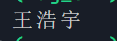
优势分析:
- 简洁高效 :一行代码
chain = ... | ...完成组装,一行代码invoke完成执行。 - 语义清晰 :
|符号形象地表示了数据流向(数据 -> 模板 -> 模型 -> 结果)。 - 易于扩展 :如果以后想在模板和模型之间加一个"过滤步骤",只需在中间再加一个
| 组件即可,无需修改调用逻辑。 - 统一接口 :无论底层是 LLM、ChatModel 还是其他组件,
invoke的用法都是一致的。
🔍 深度解析:| 操作符的魅力
在 LangChain 中,| 被称为 Runnable Sequence(可运行序列)。
当你写下 chain = prompt_template | model 时,LangChain 并没有立即执行任何东西,它只是创建了一个执行计划。
当你调用 chain.invoke({...}) 时:
- LangChain 接收字典
{"lastname": "王", "gender": "儿子"}。 - 自动调用
prompt_template,将字典值填入{lastname}和{gender},生成字符串。 - 自动将生成的字符串传递给
model.invoke()。 - 返回模型的最终结果。
这种声明式的编程风格,让构建复杂的 AI 工作流(如 RAG、Agent)变得像搭积木一样简单。
📝 常见变量命名规范
在 PromptTemplate 中,变量名可以随意取,但为了可读性,建议遵循以下习惯:
{query}或{question}:用户的提问。{context}:检索到的背景知识(RAG 场景常用)。{history}:聊天历史。{input}:通用输入。{topic},{style},{language}:控制生成风格的参数。
例如一个 RAG 的标准模板:
python
template = """
基于以下已知信息,简洁和专业地回答用户的问题。
如果无法从中得到答案,请说"根据已知信息无法回答该问题"。

已知信息:
{context}

问题:
{question}
"""
prompt = PromptTemplate.from_template(template)
chain = prompt | model
# 调用时:chain.invoke({"context": "...", "question": "..."})
🚀 总结
本节课我们掌握了 LangChain 中管理提示词的核心工具:
- PromptTemplate:用于定义带变量的提示词结构,避免手动拼接字符串。
- 两种调用方式 :
- 标准写法 :
.format()+model.invoke()(适合理解原理)。 - 链式写法 :
template | model+chain.invoke()(生产环境推荐)。
- 标准写法 :
- LCEL 语法 :理解了
|操作符如何将多个组件串联成一条流水线。
掌握 PromptTemplate 是构建高质量 AI 应用的基础。无论是简单的问答,还是复杂的 RAG 系统,都需要通过精心设计的模板来引导模型输出我们想要的结果。