目录
(一)栈
(1)概念与结构
-
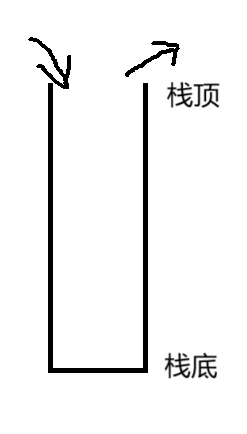
特殊的线性表,只允许在固定的一端插入和删除。
-
数据插入删除的一端为栈顶,另一端为栈底。
-
栈中元素遵循 先进后出(Last In First Out) 原则。
-
++压栈++:或称 进栈/入栈,插入数据。
-
++出栈++:删除数据。
-
底层结构:推荐数组。
(2)栈的实现
①初始化栈等
cpp
void STInit(ST* ps)
{
    ps->a = (STDataType*)malloc(10 * sizeof(STDataType));
    ps->top = 0;
    ps->capacity = 10;
}
②入栈/出栈
函数STPush
cpp
void STPush(ST* ps, STDataType x)
{
    checkbefore(ps);
    if (ps->top == 10)
    {
        printf("full stack,operation invalid\n");
        return;
    }
    ps->a[ps->top++] = x;
}
函数STPop
cpp
void STPop(ST* ps)
{
	checkbefore(ps);
	if (STEmpty(ps))
	{
		printf("empty stack,the operation is invalid\n");
		return;
	}
	ps->top--;
}
③获取栈顶元素
cpp
STDataType STTop(ST* ps)
{
    if (STEmpty(ps))
    {
        printf("empty stack,the operation is invalid\n");
        return;
    }
    return ps->a[ps->top - 1];
}
④获取栈元素数量
cpp
int STSize(ST* ps)
{
    checkbefore(ps);
    if (STEmpty(ps))
    {
        return 0;
    }
    return ps->top;
}
⑤判断栈是否为空
cpp
bool STEmpty(ST* ps)
{
    checkbefore(ps);
    if (ps->top == 0)
    {
        return true;
    }
    return false;
}
(二)队列
(1)概念与结构
-
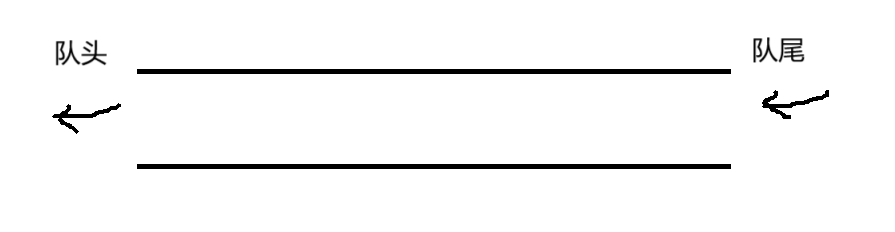
特殊线性表。
-
只允许在一端插入,另一端删除数据。
-
遵循 先进先出(First In First Out)原则。
-
底层结构:推荐链表。
(2)队列的实现
①初始化队列等
cpp
void QueueInit(Queue* pq)
{
    assert(pq);
    pq->phead = NULL;
    pq->ptail = NULL;
    pq->size = 0;
}
②入队/出队
函数QueuePush
cpp
void QueuePush(Queue* pq, QDataType x)
{
    checkBefore(pq);
    QNode* newNode = buyNode(x);
    if (pq->size == 0)
    {
        pq->phead = newNode;
        pq->ptail = newNode;
    }
    else
    {
        pq->ptail->next = newNode;
        pq->ptail = newNode;
    }
    pq->size++;
}
函数QueuePop
cpp
void QueuePop(Queue* pq)
{
    assert(!QueueEmpty(pq));
    QNode* phead = pq->phead;
    pq->phead = phead->next;
    if (pq->ptail == phead)
    {
        pq->ptail = NULL;
    }
    free(phead);
    phead = NULL;
    pq->size--;
}
③取队头/队尾元素
函数QueueFront
cpp
QDataType QueueFront(Queue* pq)
{
    if (QueueEmpty(pq))
    {
        perror("the queue is empty\n");
        exit(1);
    }
    return pq->phead->val;
}
函数QueueBack
cpp
QDataType QueueBack(Queue* pq)
{
    if (QueueEmpty(pq))
    {
        perror("the queue is empty\n");
        exit(1);
    }
    return pq->ptail->val;
}
④队列判空
函数QueueEmpty
cpp
bool QueueEmpty(Queue* pq)
{
    checkBefore(pq);
    if (pq->size == 0)
    {
        return true;
    }
    return false;
}
⑤队列有效元素
函数QueueSize
cpp
int QueueSize(Queue* pq)
{
    checkBefore(pq);
    return pq->size;
}
(三)栈和队列算法题
(1)有效的括号
栈的结构上面已经实现过,以下是函数isValid的实现:
cpp
bool isValid(char* s) {
    ST st;
    STInit(&st);
    char* pc = s;
    while(*pc != '\0')
    {
        if(*pc == '('||*pc == '['||*pc == '{')
        {
            STPush(&st,*pc);
        }else
        {
            if(STEmpty(&st))
            {
                STDestroy(&st);
                return false;
            }
            char topVal = STTop(&st);
            if((*pc == ')' && topVal != '(')
                || (*pc == ']' && topVal != '[')
                || (*pc == '}' && topVal != '{'))
            {
                STDestroy(&st);
                return false;
            }
            STPop(&st);
        }
        pc++;
    }
    bool ret = STEmpty(&st);
    STDestroy(&st);
    return ret;
}
(2)用队列实现栈
队列的结构我们已经实现过,以下是新的栈结构设计:
cpp
typedef struct {
    Queue A;
    Queue B;
} MyStack;
①初始化栈
cpp
MyStack* myStackCreate() {
    MyStack* ps = (MyStack*)malloc(sizeof(MyStack));
    QueueInit(&ps->A);
    QueueInit(&ps->B);
    return ps;
}
②入栈
cpp
void myStackPush(MyStack* obj, int x) {
    if (QueueEmpty(&obj->A))
    {
        QueuePush(&obj->B, x);
    }
    else
    {
        QueuePush(&obj->A, x);
    }
}
③出栈
函数OneQueuePop
cpp
int OneQueuePop(Queue** A, Queue** B)
{
    while (QueueSize(*B) != 1)
    {
        QueuePush(*A, QueueFront(*B));
        QueuePop(*B);
    }
    int val = QueueFront(*B);
    QueuePop(*B);
    return val;
}
这里第一次写的时候没用二级指针传址,报错了。
函数myStackPop
cpp
int myStackPop(MyStack* obj) {
    Queue* A = &obj->A;
    Queue* B = &obj->B;
    if (QueueEmpty(&obj->A))
    {
        return OneQueuePop(&A, &B);
    }
    else
    {
        return OneQueuePop(&B, &A);
    }
}
④取栈顶元素
cpp
int myStackTop(MyStack* obj) {
    if (QueueEmpty(&obj->A))
    {
        return QueueBack(&obj->B);
    }
    else
    {
        return QueueBack(&obj->A);
    }
}
⑤判断栈是否为空
cpp
bool myStackEmpty(MyStack* obj) {
    return QueueEmpty(&obj->A) && QueueEmpty(&obj->B);
}
⑥栈的销毁
cpp
void myStackFree(MyStack* obj) {
    QueueDestroy(&obj->A);
    QueueDestroy(&obj->B);
    free(obj);
    obj = NULL;
}
(3)用栈实现队列
cpp
typedef struct MyQueue{
    ST pushS;
    ST popS;
}MyQueue;
①初始化
cpp
MyQueue* myQueueCreate() {
    MyQueue* pq = (MyQueue*)malloc(sizeof(MyQueue));
    STInit(&pq->pushS);
    STInit(&pq->popS);
    return pq;
}
②入队
cpp
void myQueuePush(MyQueue* obj, int x) {
    assert(obj);
    STPush(&obj->pushS,x);
}
③出队
cpp
int myQueuePop(MyQueue* obj) {
    assert(obj);
    if(STEmpty(&obj->popS)&&STEmpty(&obj->pushS))
    {
        perror("these two stacks are empty");
        exit(1);
    }
    if(STEmpty(&obj->popS))
    {
        while(!STEmpty(&obj->pushS))
        {
            STPush(&obj->popS,STTop(&obj->pushS));
            STPop(&obj->pushS);
        }
    }
    int topVal = STTop(&obj->popS);
    STPop(&obj->popS);
    return topVal;
}
④获取栈顶元素
cpp
int myQueuePeek(MyQueue* obj) {
    assert(obj);
    if(STEmpty(&obj->popS)&&STEmpty(&obj->pushS))
    {
        perror("these two stacks are empty");
        exit(1);
    }
    if(STEmpty(&obj->popS))
    {
        while(!STEmpty(&obj->pushS))
        {
            STPush(&obj->popS,STTop(&obj->pushS));
            STPop(&obj->pushS);
        }
    }
    return STTop(&obj->popS);
}
⑤判断栈是否为空
cpp
bool myQueueEmpty(MyQueue* obj) {
    assert(obj);
    return STEmpty(&obj->popS) && STEmpty(&obj->pushS);
}
⑥销毁栈
cpp
void myQueueFree(MyQueue* obj) {
    assert(obj);
    STDestroy(&obj->popS);
    STDestroy(&obj->pushS);
    free(obj);
    obj = NULL;
}